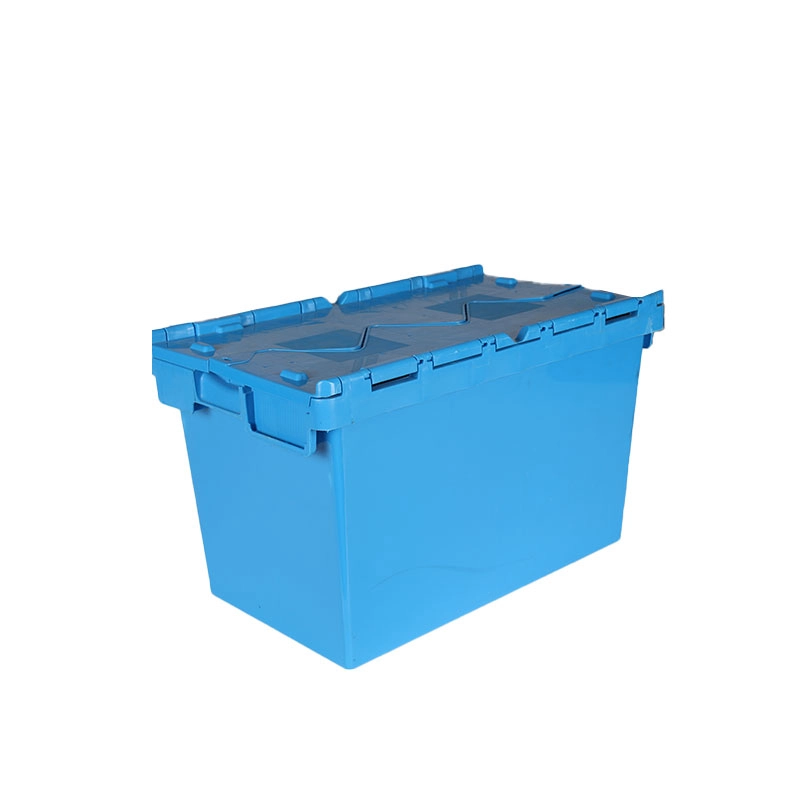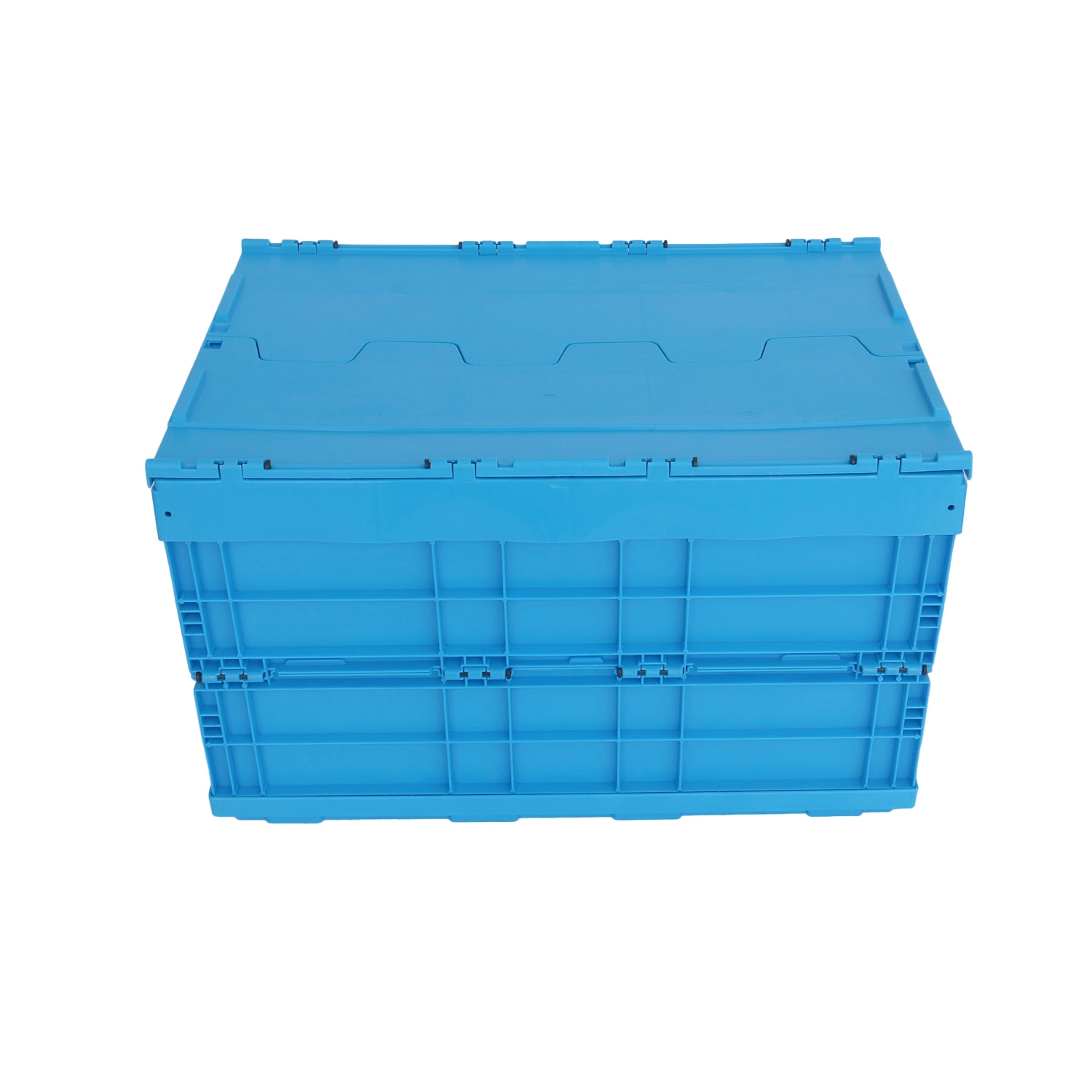
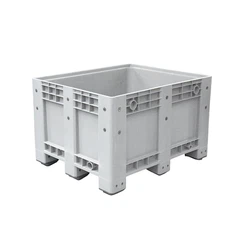
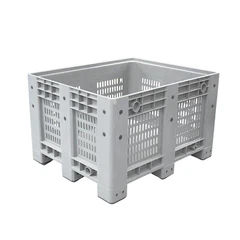
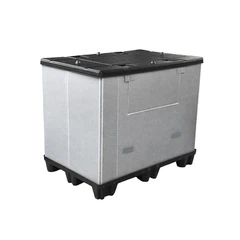
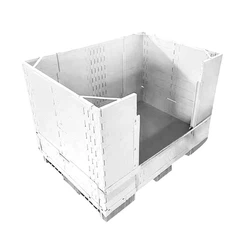
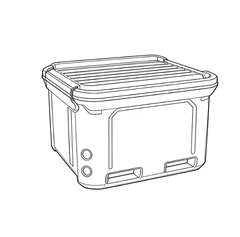
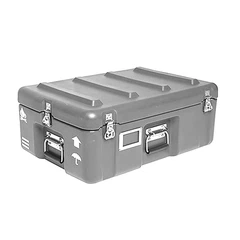
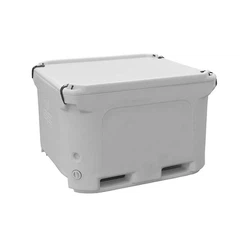
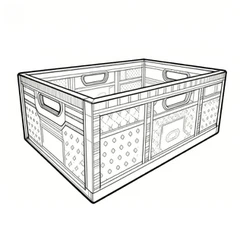
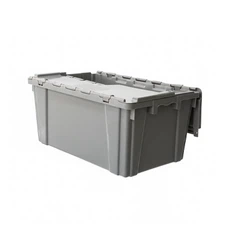
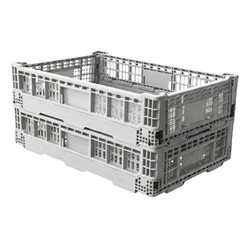
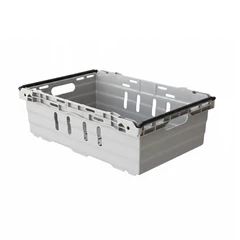
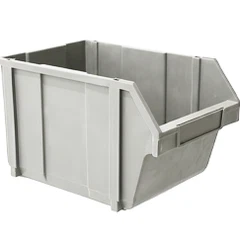
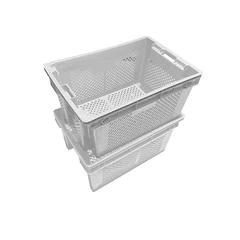
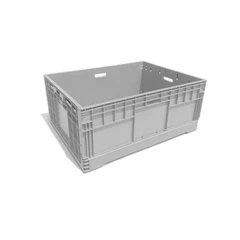
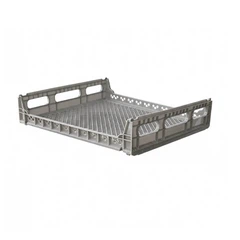
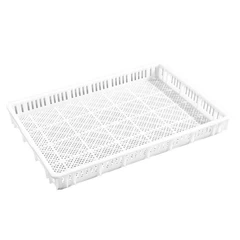
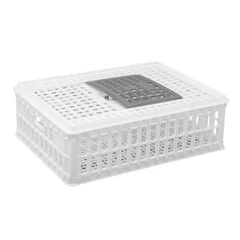
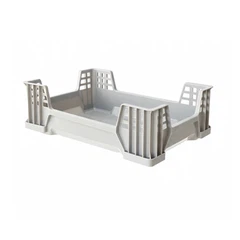

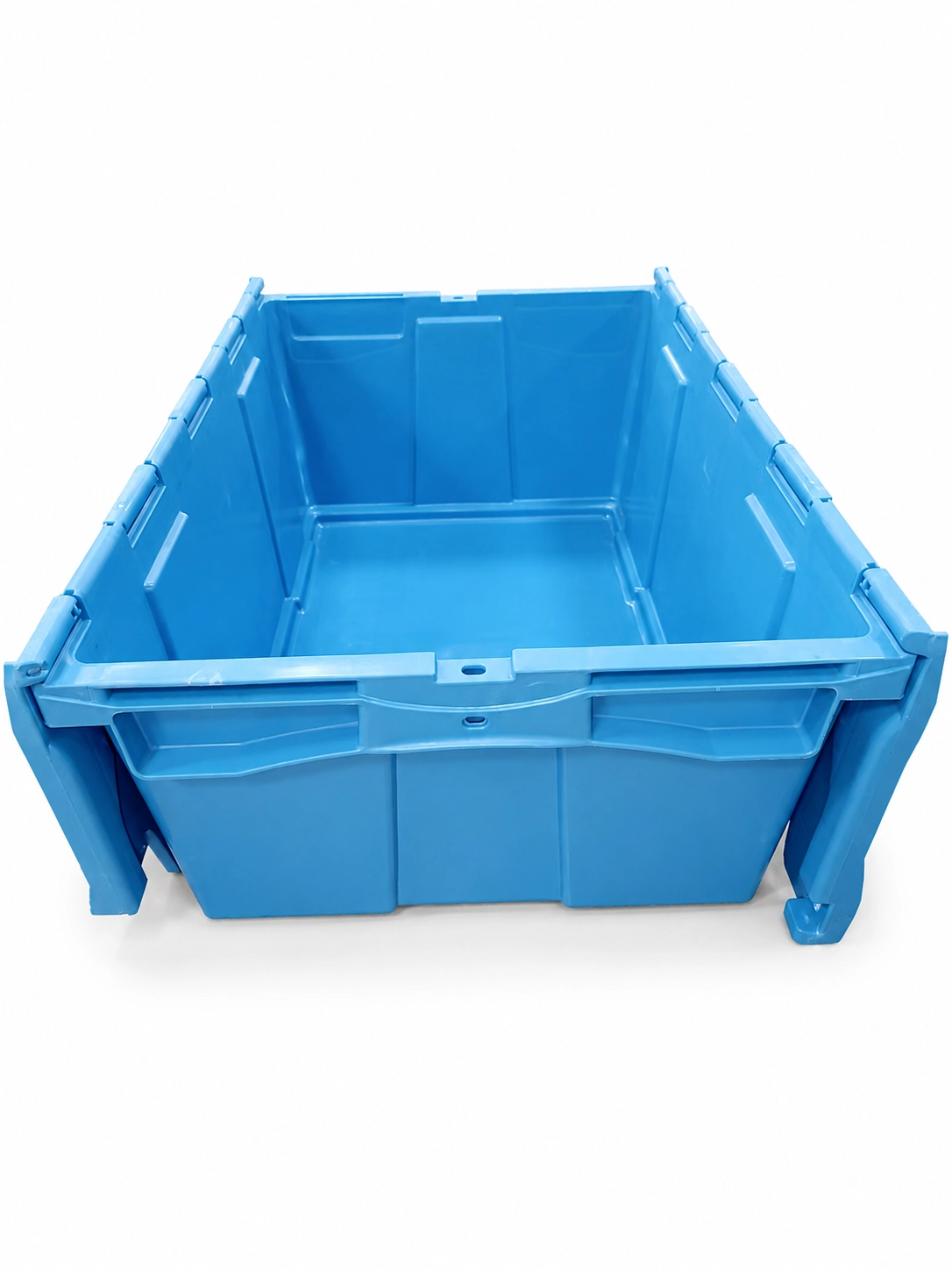
The Barcode Attached Lid Container is a reusable logistics tote with an attached lid and dedicated barcode identification area for efficient container tracking. With stackable, nestable, and collapsible design, it helps streamline warehouse handling and return logistics. As an experienced manufacturer and supplier, we provide reliable solutions for bulk orders. Contact us for your requirements.
Specification
|
Parameter |
Specification |
|
Product Name |
Barcode Attached Lid Container |
|
External Dimensions |
600 × 400 × 315 mm |
|
Container Weight |
3.1 kg |
|
Nest Height |
120 mm |
|
Material |
PP / HDPE |
|
Lid Type |
Attached Hinged Lid |
|
Stacking |
Stackable When Loaded |
|
Collapsible |
Yes |
|
Nesting |
Nestable When Empty |
|
20FT Container Loading |
720 pcs |
|
40HC Container Loading |
1,800 pcs |
|
Color |
Standard / Custom |
|
Logo |
Available on Request |
|
MOQ |
500 pcs |
Plastic Attached Lid Container Advantages
Unique Barcode ID
Each container can carry a unique barcode linked to orders, SKUs, batches, stores, or delivery routes through a WMS or ERP system.
Faster Warehouse Scanning
Scanning during picking, sorting, shipping, and receiving confirms the assigned task and reduces manual checks and sorting errors.
Returnable Asset Tracking
Scan records show when containers are dispatched, received, and returned, making container loss, delayed returns, and circulation imbalances easier to identify.
Reliable Barcode Placement
A flat label area keeps barcodes away from ribs and curved surfaces, improving scan reliability during repeated use.
Digital Container Tracking
The Container ID can link to cleaning, inspection, repair, and retirement records, allowing damaged containers to be identified and removed from service.

Barcode Stackable Attached Lid Containers vs. Other Logistics Containers
|
Feature |
Barcode Attached Lid Container |
Standard Plastic Tote |
Collapsible Plastic Container |
|
Barcode Identification |
Dedicated barcode area for unique Container IDs and fast identification. |
Usually requires separate labels or holders. |
Barcode can be added, depending on the design. |
|
Container Tracking |
Links each container to orders, SKUs, batches, or delivery data. |
Limited without an additional tracking system. |
Tracking depends on the identification solution used. |
|
Attached Lid |
Hinged lid stays connected, eliminating separate lid handling. |
May require a separate lid or have no lid. |
Lid design varies by model. |
|
Scanning Efficiency |
External barcode can be scanned without opening the container. |
Usually relies on external labels. |
Can support external barcode labels on suitable models. |
|
Product Protection |
Attached lid helps keep contents enclosed during handling and transport. |
Protection depends on the box and lid design. |
Foldable walls may provide less rigid protection. |
|
Loaded Stacking |
Rigid structure supports stable stacking during storage and transport. |
Generally stackable when properly designed. |
Stackability depends on the folding structure. |
|
Empty Return |
Foldable structure reduces empty-container storage and return volume. |
Nesting depends on the container design. |
Folding provides strong empty-space reduction. |
|
Tamper-Evident Sealing |
Optional seal holes can support security-seal applications. |
Only available on selected designs. |
Depends on the lid and locking design. |
|
Closed-Loop Logistics |
Combines barcode identification, attached-lid protection, and reusability for returnable logistics. |
Reusable, but container identification is usually limited. |
Reusable and space-efficien. |
|
Asset Management |
Unique Container IDs help record container movements and returns. |
Requires an additional identification solution. |
Tracking depends on the selected identification system. |
Key Difference
A standard plastic tote is mainly designed to move goods. A barcode logistics container goes a step further by making the container itself identifiable and trackable throughout the logistics cycle. Its core value comes from combining barcode identification, attached-lid protection, and reusable logistics in one container.

Frequently Asked Questions
Q: What is the difference between Barcode and RFID?
A: Barcode uses optical scanning to identify each container through a printed or labeled code, making it a practical and cost-effective option for warehouse operations. RFID uses radio-frequency identification for contactless data reading. The container can be configured for barcode identification, with RFID options available for specific logistics systems.
Q: Will the barcode remain readable during repeated use?
A: The container can be equipped with a dedicated barcode label area or protected label holder designed for repeated handling.
Q: What industries can barcode plastic containers be used in?
A: They are suitable for retail distribution, e-commerce fulfillment, 3PL logistics, automotive parts, manufacturing, electronics, pharmaceutical distribution, warehouse operations, and closed-loop supply chains where reusable containers need fast identification and tracking.
Q: Can the container size be customized?
A: Yes. Custom dimensions are available to fit specific products, storage requirements, and handling systems.
Q: What is the minimum order quantity?
A: The standard MOQ is 500 pieces.

Hot Tags: barcode attached lid container, China barcode attached lid container manufacturers, suppliers, factory, attached lid crates, container with attached lid, folding crate box, plastic storage box with attached lid, plastic storage tote with hinged lid, storage container with attached lid