
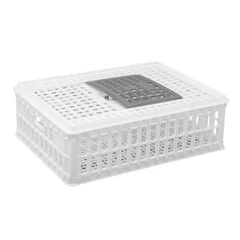
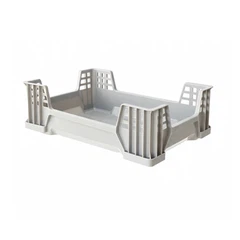
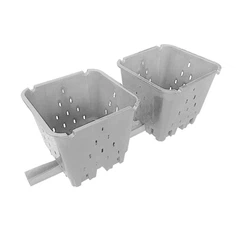



Flexible Size Adaptation
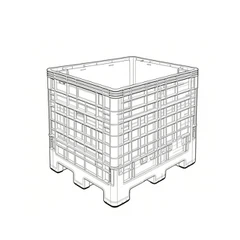
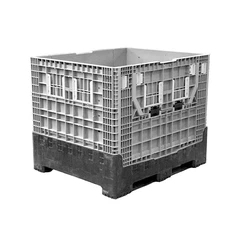
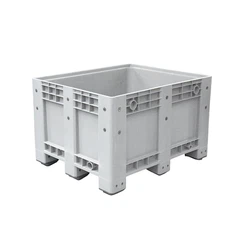
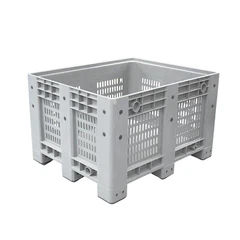
Crate dimensions can be adjusted to fit your existing rearing systems, racks, or conveyor lines, ensuring integration into your production setup.
 English
At Enlightening Plast, we supply insect breeding containers in various designs to match different insect species, breeding stages, and
farming methods. Each design delivers airflow, hygiene, and efficient stacking for your commercial farming systems.
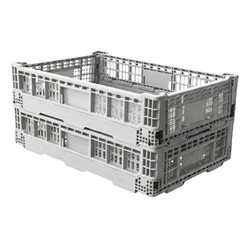
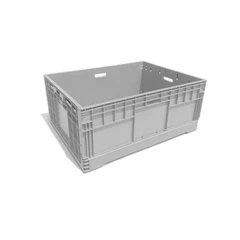
Size: 600 x 400 x 150 mm
Weight: 1.2 kg
Load capacity: 30kg
Material: Food-Grade HDPE
MOQ:500 PCS
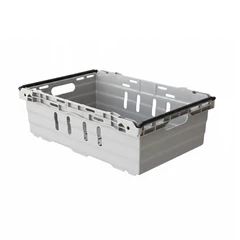
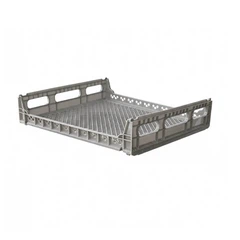
Size:800*600*190mm
Material: PP
Weight:3.3kg
Load capacity: 30kg
MOQ:500 pcs
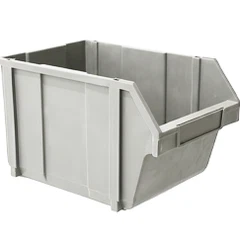
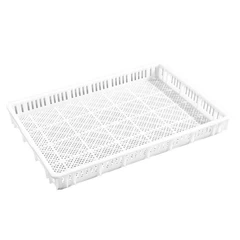
Size: 600*400*190mm
Material: 100% polypropylene
Load-bearing capacity: 30kg
Weight: 1.33kg
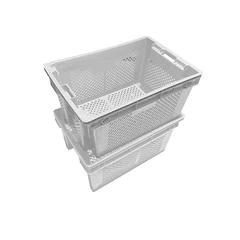
Versatile mealworm breeding trays featuring perforated walls for optimal airflow, smooth interior surfaces for easy cleaning, and a stackable column design. Ideal for insect breeding, reptile housing, and crop...
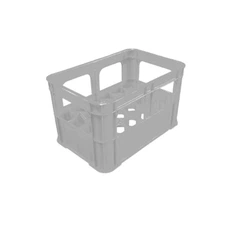
Size:600 × 400 × 145mm
Weight:0.88kg
Material: PP
Loading capacity:30kg
MOQ:500 pcs
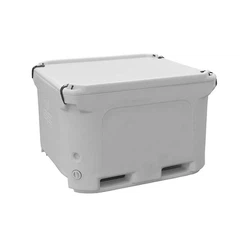
Size: 1000*1000*350mm
Weight: 12kg
Material: Polyethylene (PP)
Static load capacity: 150kg/Dynamic load capacity: 30kg
Size: 600*400*145mm
Weight: 1.25kg
Material: PP
Dynamic load: 30kg/Static load:150kg
MOQ;500 pcs

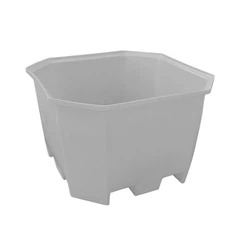
Stackable Rearing Trays with Height Corners
The trays are suitable for high-density larvae rearing of mealworms, black soldier fly larvae, and other insects. They come with reinforced ribbed bottoms and optional ventilation corners that promote vertical airflow when stacked.

Nesting Solid Wall Cages with Support Base
Featuring solid side walls and a base with support structures, these nesting insect boxes lock in place when stacked. People use them for the full lifecycle breeding of mealworms, crickets, and BSF, etc.

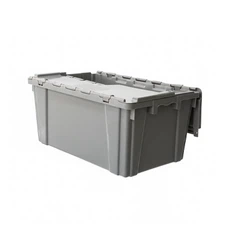
Insect Chambers with Mesh Windows & Lids
These containers have sidewalls with mesh windows and optional lids for airflow while preventing insect escape. If you're seeking a controlled environment for the rearing of flies, they can be the choice.

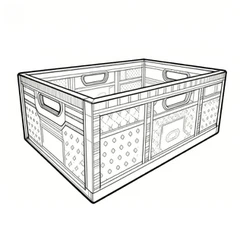
Insect Boxes with Raised Sidewalls & Mesh Top Edges
These stackable boxes are common for the rearing of large Insects and reptiles. They feature solid bottoms, raised sidewalls, large open handles, and mesh top edges. This design prevents insect escape, ensures good ventilation and visibility, and makes the boxes easy to handle while maintaining a sturdy structure.

Nestable Insect Rearing Trays with Fine Mesh Bottom
These modular trays are commonly used for rearing insects like mealworms and superworms. They consist of a mesh upper tray and a solid lower tray for waste collection. The trays can be used separately or nested together. Mesh sizes can be customized for different insects (eg, 10–12 mesh for mealworms).
Durable & Premium Materials
We manufacture these bins from FDA-approved HDPE and PP, ensuring no heavy metals or plasticizers leach out. They perform stably under temperatures from -20°C to +50°C.
Optimized Airflow & Ventilation
Each crate is designed with ventilation support feet or mesh panels to promote consistent airflow and humidity control, reducing overcrowding risks and insect mortality.
Stackable & Nestable Design
These containers feature a stack-and-nest structure, allowing stable stacking up to 8-13 tiers to increase output without expanding your facility footprint.

Easy to Clean & Maintain
Made with one-piece injection molding, the bins have a smooth, non-porous surface. This makes cleaning between breeding cycles fast and hassle-free.
Wide Compatibility
Our fly breeding trays are designed to fit Turtle carts and standard 1200×1000 mm and 1200×800 mm trays for seamless and efficient integration.
Reinforced Frames & Bases
With a large footprint, each bin can hold up to 10,000 larvae. Their reinforced ribbed bases support loads of up to 30 kg while preventing deformation.
What We Offer


Industrial Insect Protein Production
Commercial Insect Farming
Pet Food Production
Organic Waste Conversion
Research Labs & Controlled Facilities

In large-scale mealworm and BSF production, trays need to run smoothly with conveyors and stacking systems. Inconsistent sizes, poor airflow, and heavy manual handling often slow things down. Our standardized, ventilated insect rearing trays fit easily into automated lines and stack uniformly, while also improving airflow to prevent overheating.

Across commercial farms handling multiple species and lifecycle stages, limited space, mixed batch management, and unstable stacking systems can reduce operational efficiency. Our stackable and nestable insect trays, with customizable sizes and modular options, are suitable for multiple layouts and structured operations, leading to scalable commercial insect farming.

In pet food production, live insects are reared, stored, and sorted in specially designed containers that ensure hygiene, freshness, and safety. Made from food-grade materials with smooth surfaces, these bins make cleaning fast, prevent residue buildup, and reduce cross-contamination. With stackable and compartmented designs, they support quick batch turnover to keep insects healthy and active.

In BSF systems, larvae bins operate under high moisture and biologically active conditions. Common issues include odor buildup, liquid accumulation, and long-term deformation. Our crates use chemical-resistant HDPE/PP materials, reinforced structures, and optional drainage or raised-bottom designs to improve environmental control and durability over extended use.

In insect studies and breeding experiments, variations in conditions, difficulty in batch tracking, and contamination risks can affect results. With uniform structures, optional color coding, and RFID/tagging support, these insect rearing systems help maintain controlled conditions and clear identification, ensuring higher experimental accuracy and repeatability.


Enlightening Plast provides comprehensive solutions to simplify your sourcing and ensure your projects run smoothly. From ready-to-ship
insect rearing trays to fully customized designs, our products are designed to save time, reduce costs, and deliver reliable farming performance.

One-stop Sourcing
A wide selection of ready-to-ship standard containers to support fast project rollout and stable supply.

Factory-Direct Pricing
Transparent pricing without middlemen, helping you control total procurement costs.

Samples for Evaluation
Product samples can be provided for performance testing and internal approval before mass production.

Fast Response
24-hour response for urgent inquiries, compliance documents, or order-related assistance.

3-Year Warranty
Long-term warranty support for product quality and structural performance.

Expert Workshops & Courses
Participate in insect farming workshops and share rearing techniques with other customers to improve your facility's productivity.
Q1: Are your plastic insect breeding containers safe for larvae?
Q2: How do you prevent insects from escaping?
Q3: How do I clean and maintain the trays?
Q4: Do you offer custom sizes or designs?
Q5: What is the expected lifespan of your insect boxes?
Q6: How quickly can I receive my order?

As one of the leading fly breeding box manufacturers and suppliers in China, we offer a wide range of products with superior quality. Please feel free to wholesale bulk customized fly breeding box made in China here from our factory. For free sample, contact us now.
buy plastic crate, plastic collapsible bins, industrial storage boxes with lidsQuote Now!
Submit your inquiry with details like order quantity, product specifications, or target delivery date, and our team of experts will quickly provide tailored solutions to meet your industrial packaging needs, We will respond within 24 hours.
Email : sales02@enlighteningplast.com
Tel: 8617561686971
Whatsapp: 8617561686971
Get in Touch with Enlightening Plast