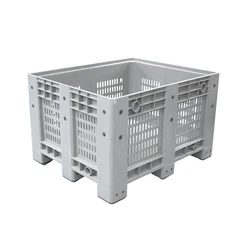
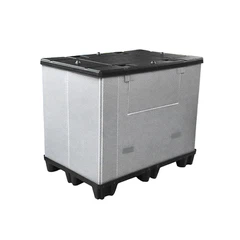
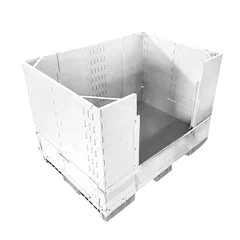
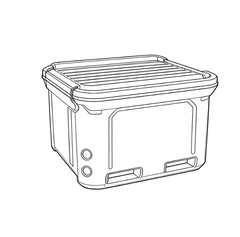
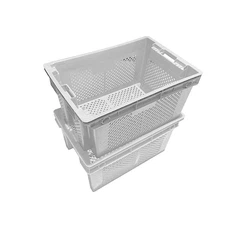
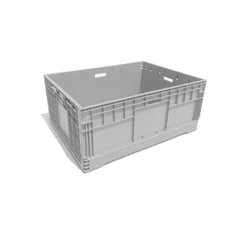
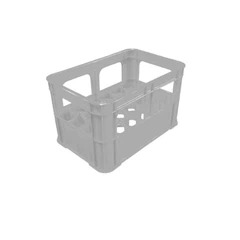
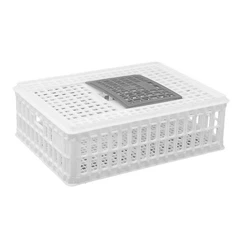
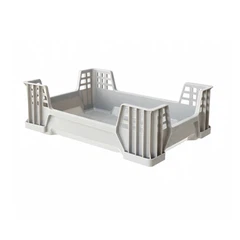

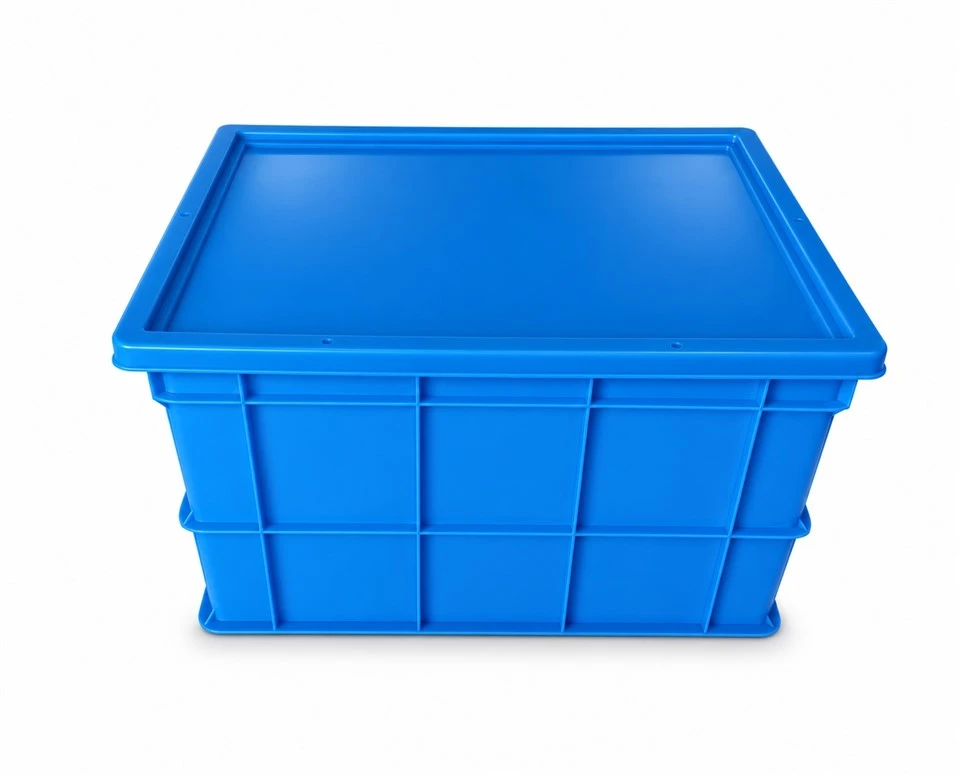
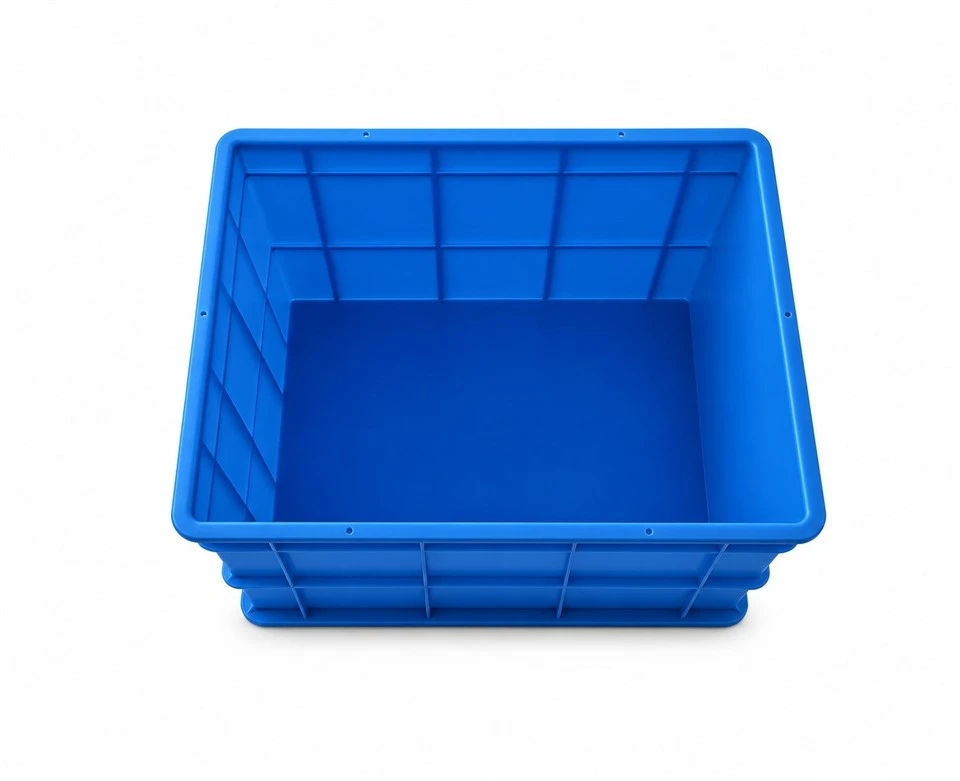
Plastic Crates for Meat Processing for Collecting, Handling & Storing
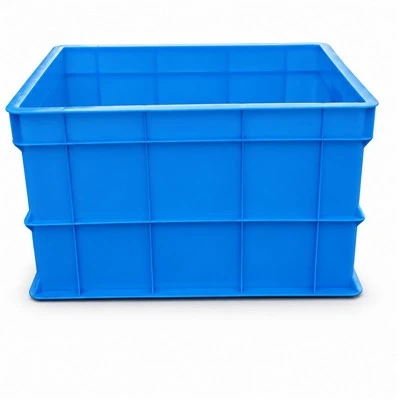
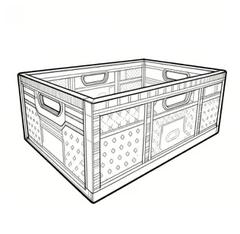
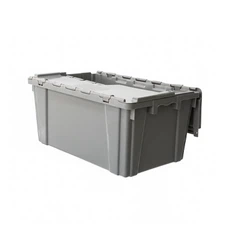
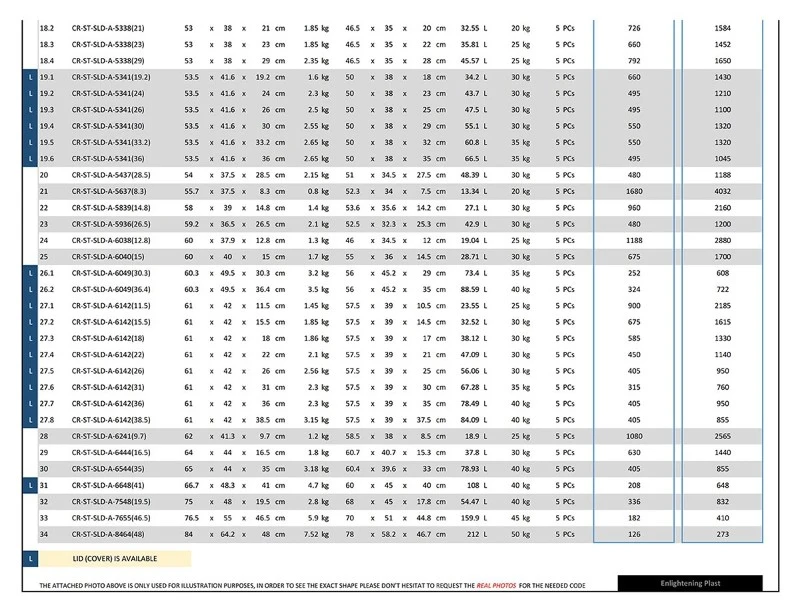
Enlightening Plast manufactures plastic crates for meat processing, collection, storage, and internal material handling across slaughterhouses, meat cutting facilities, and meat processing plants. Our crate range includes different sizes and capacities, with solid-wall construction, stackable designs, and optional lids to support meat handling, batch separation, and organized product transfers.
We offer standard crate models and customization options for meat processors, wholesalers, and distributors, helping buyers select suitable crates based on their handling processes, storage conditions, identification requirements, and bulk purchasing needs.
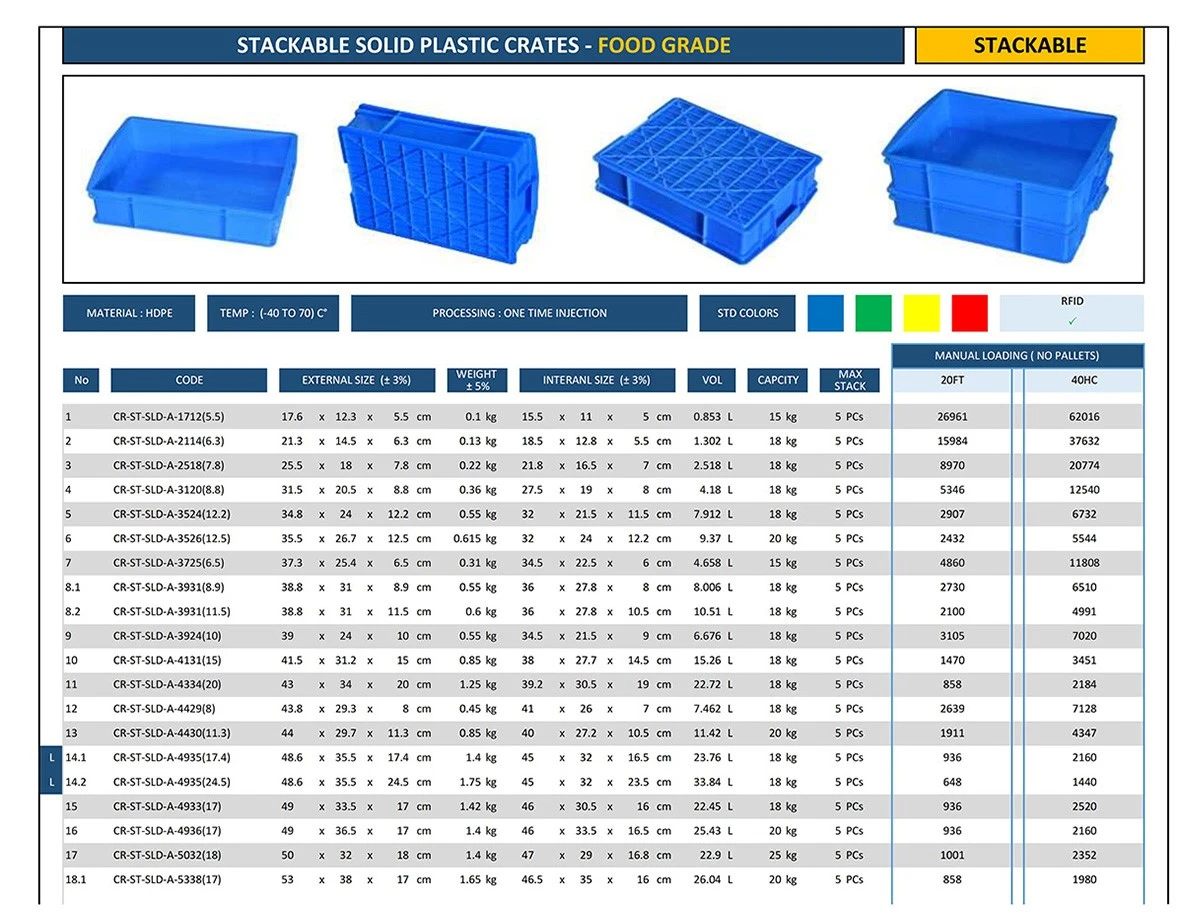
Specifications
|
Item |
Specification |
|
Product |
Stackable Solid Plastic Crates |
|
Material |
HDPE |
|
Temperature Range |
-40°C to 70°C |
|
Processing |
One-Time Injection |
|
Standard Colors |
Blue, Green, Yellow, Red |
|
RFID |
Available |
|
Stackable |
Yes |
|
Max Stack |
5 Pcs |
|
Lid (Cover) |
Available |
|
Loading Method |
Manual Loading (No Pallets) |
Solid-Wall Construction for Meat Handling Operations
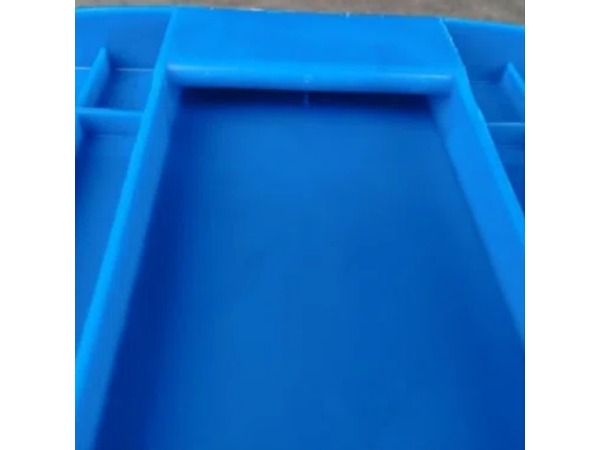
Solid Walls for Collecting Meat Products
The solid-wall structure provides an enclosed holding space for meat pieces, trimmed cuts, and processing materials while helping prevent smaller pieces from slipping through the sides during transfers between workstations.
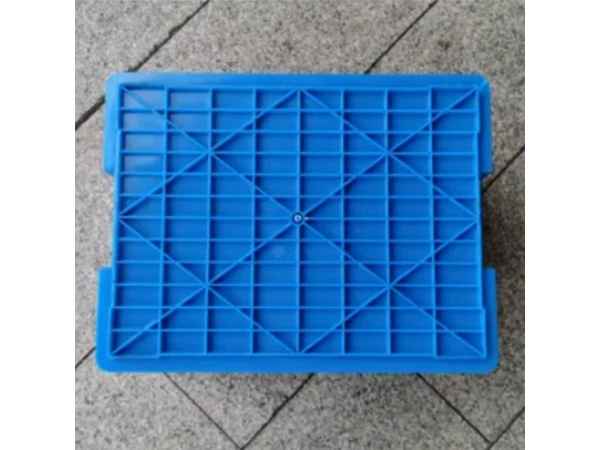
Structural Support for Loaded Crates
The crate structure supports routine loading, lifting, and movement between cutting areas, temporary holding points, and storage locations, while the actual load rating should be confirmed against the weight and handling conditions of each application.
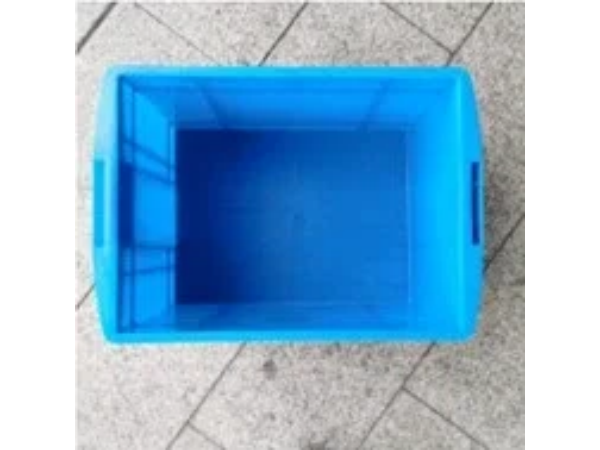
Smooth Surfaces for Easier Cleaning
Smooth internal and external surfaces make it easier to remove visible meat residues and grease during routine washing and inspection, with cleaning temperatures and chemicals subject to material compatibility.
Designed Around Meat Processing Workflows
From meat collection and batch separation to temporary storage, the crate design supports the movement and organization of materials across different stages of meat processing.

Organized Collection Between Processing Stations
During slaughtering, cutting, trimming, and deboning, crates provide designated holding spaces for collected meat portions, making it easier to transfer materials between workstations without repeatedly handling loose products.
Batch Separation During Meat Handling
Different crate sizes, colors, or identification marks can help operators distinguish meat categories, processing areas, and production batches during internal transfers.
Efficient Storage and Movement of Packed Meat Products
Stackable crates help organize packaged meat products for temporary storage, order preparation, and distribution, with dimensions selected to match storage spaces, handling equipment, and transport arrangements.
Applications Across Meat Processing Facilities
These crates can be incorporated into different meat handling operations, with their suitability depending on the processing stage, product packaging status, and required storage conditions.
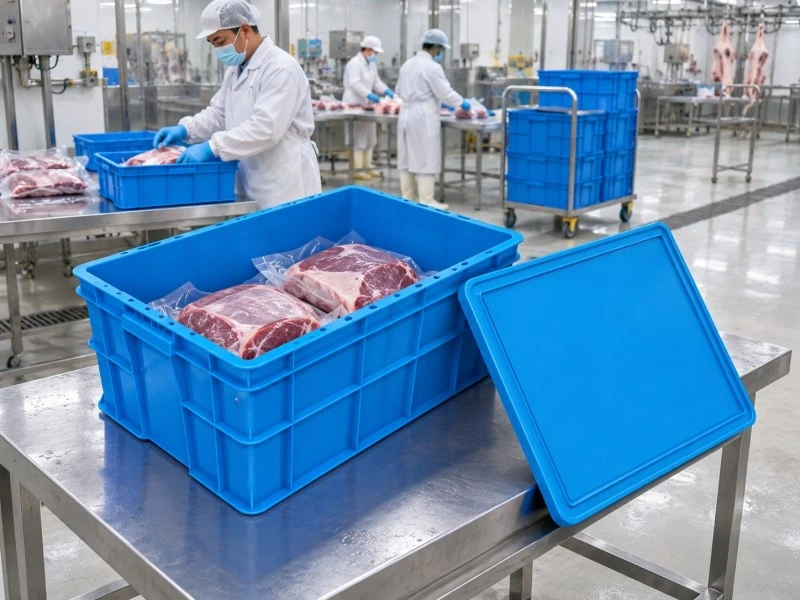
Slaughterhouses & Meat Collection Areas
Crates can be used to collect and transfer meat portions and processing materials after slaughtering, subject to confirmation of food-contact suitability when handling unpackaged meat.
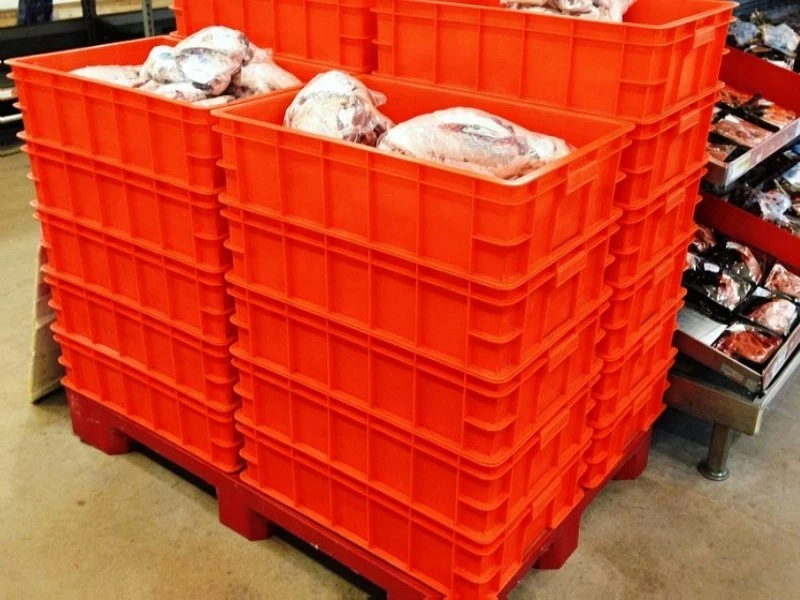
Meat Cutting & Deboning Facilities
During cutting, trimming, and deboning, crates provide designated containers for collecting and transferring different meat portions while helping keep workstations organized and product categories separated.
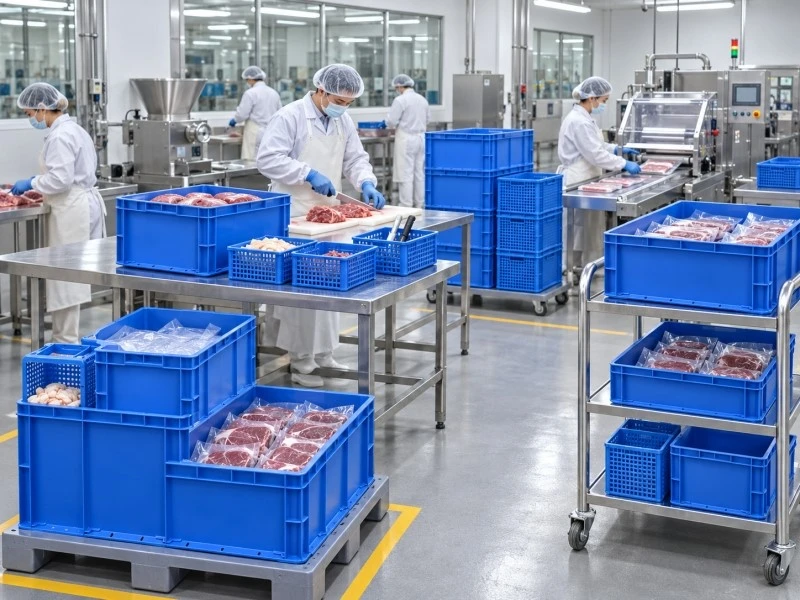
Meat Processing & Packaging Areas
Different crate sizes or colors help processing facilities organize materials at preparation and packaging stages while distinguishing production batches during internal transfers.
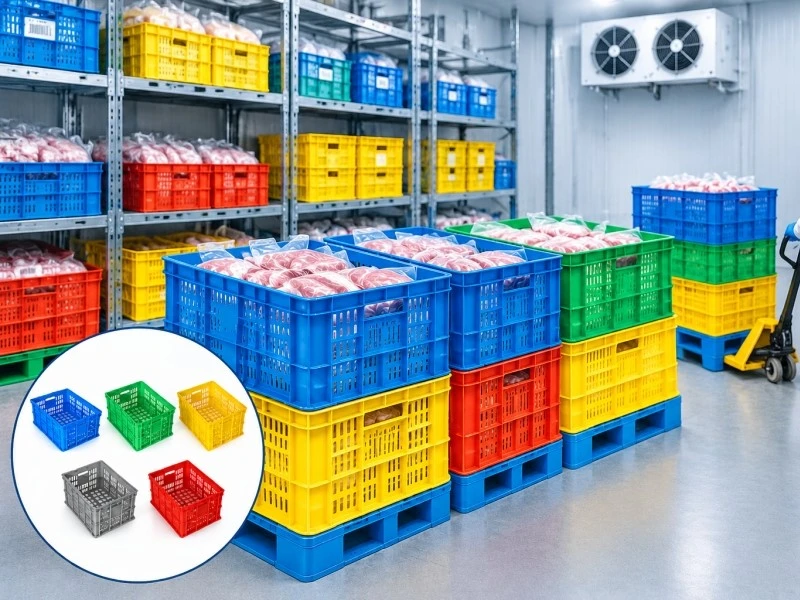
Cold Storage & Meat Distribution
Crates support the organized storage and movement of packaged meat products before dispatch, provided the selected model has been verified for the required refrigerated or frozen conditions.
Crate Configurations for Different Meat Handling Requirements
Different capacities, colors, lid options, and identification methods allow buyers to configure crates according to workstation layouts, batch management procedures, and internal handling requirements.

Different Capacities for Processing Stations
Crate capacity should match the size of meat portions, the quantity handled at each workstation, and the frequency of internal transfers, with the 34-liter model serving as one available option.

Color-Coded Crates for Product and Batch Separation
Different crate colors can help identify meat categories, processing areas, and production batches, subject to available colors and order quantities.

Optional Lids for Storage and Internal Transfers
Optional lids can be selected for holding or moving packaged meat products, depending on whether the containers are used for open collection, temporary holding, or covered storage.

Custom Dimensions & Identification
Custom dimensions can be discussed to match workstation layouts and storage arrangements, while logo printing or other identification options can support crate recognition and inventory management.
Quality Control for Meat Processing Crates
Quality checks should address the following points to maintain consistent crate specifications across repeated meat handling operations:
Confirm the plastic material and its suitability for the intended application, especially where direct food contact is required.
Check the inner walls, base, and edges for cracks, molding defects, or irregularities that could complicate cleaning.
Check the base and sidewalls for consistent molding quality and suitability for the specified loading conditions.
Verify dimensions across production batches to support consistent storage and stacking.
Confirm the selected model's performance under the actual refrigerated or frozen storage conditions.
Plastic Crates Manufacturer for Wholesale and Bulk Supply
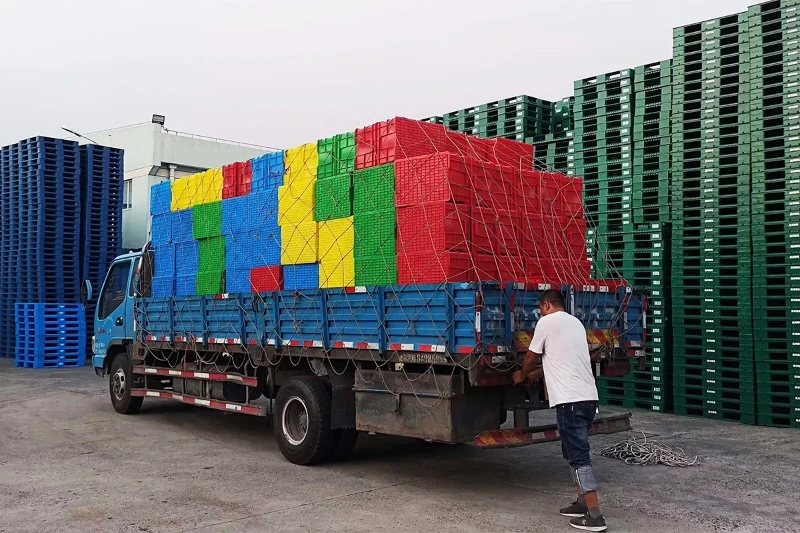
We support bulk purchasing for meat processing facilities, slaughterhouses, meat distributors, and industrial buyers with available options including solid-wall construction, stackable designs, optional lids, and customization of colors, dimensions, and logos, subject to model availability.
Consistent crate specifications can simplify container allocation, batch identification, and replacement purchasing across multiple production lines or facilities, while the typical MOQ is 500 pieces.
Srart Your Wholesale/Distribution Project
Ordering Plastic Crates for Meat Processing
To identify a suitable crate configuration and verify its application requirements, buyers should provide the following information when requesting a quotation:
Meat Handling Application
Specify whether the crates will collect raw meat, transfer cut portions, hold packaged products, or prepare orders for distribution.
Food-Contact Requirements
State whether the crates will directly contact unpackaged meat and identify any applicable material or compliance requirements.
Operating Temperature
Indicate whether the crates will be used at room temperature, in refrigerated rooms, or in frozen storage.
Crate Dimensions & Capacity
Share the required external dimensions, internal capacity, and typical load per crate.
Identification Requirements
Specify preferred colors, logo printing, or other identification methods for separating products and batches.
Order & Delivery Details
Provide the required quantity, destination, and expected delivery schedule.
FAQ
Q: Are these plastic crates suitable for collecting and transferring cut meat?
A: Yes, their raw material is food-grade HDPE, which meets the requirements for food contact.
Q: Can plastic meat crates be cleaned after handling meat residues?
A: The smooth surfaces of the solid-wall design support routine washing and inspection, while cleaning agents, water temperatures, and sanitation procedures should be checked against the confirmed material.
Q: Which crate size is suitable for meat processing workstations?
A: The appropriate size depends on meat portion dimensions, collection volume, and available workstation space, with the 590 × 385 × 200 mm model offering a 34-liter capacity.
Q: Can different crate colors be used to separate meat types or production batches?
A: Yes, different colors can be discussed for identifying product categories, processing areas, and production batches, subject to available options and order requirements.
Q: Can these plastic crates be used in cold storage?
A: Yes, they are with a temperature range of -40°C to +70°C, which supports their application in cold storage.
Q: How can I get a bulk quotation for plastic crates for meat processing?
A: Send us your intended application, food-contact requirements, operating temperature, required dimensions, preferred color, order quantity, and delivery destination so we can review available configurations and prepare a quotation.
Hot Tags: plastic crates for meat processing, China plastic crates for meat processing manufacturers, suppliers, factory, folding plastic storage crate, plastic crate containers, pvc crates