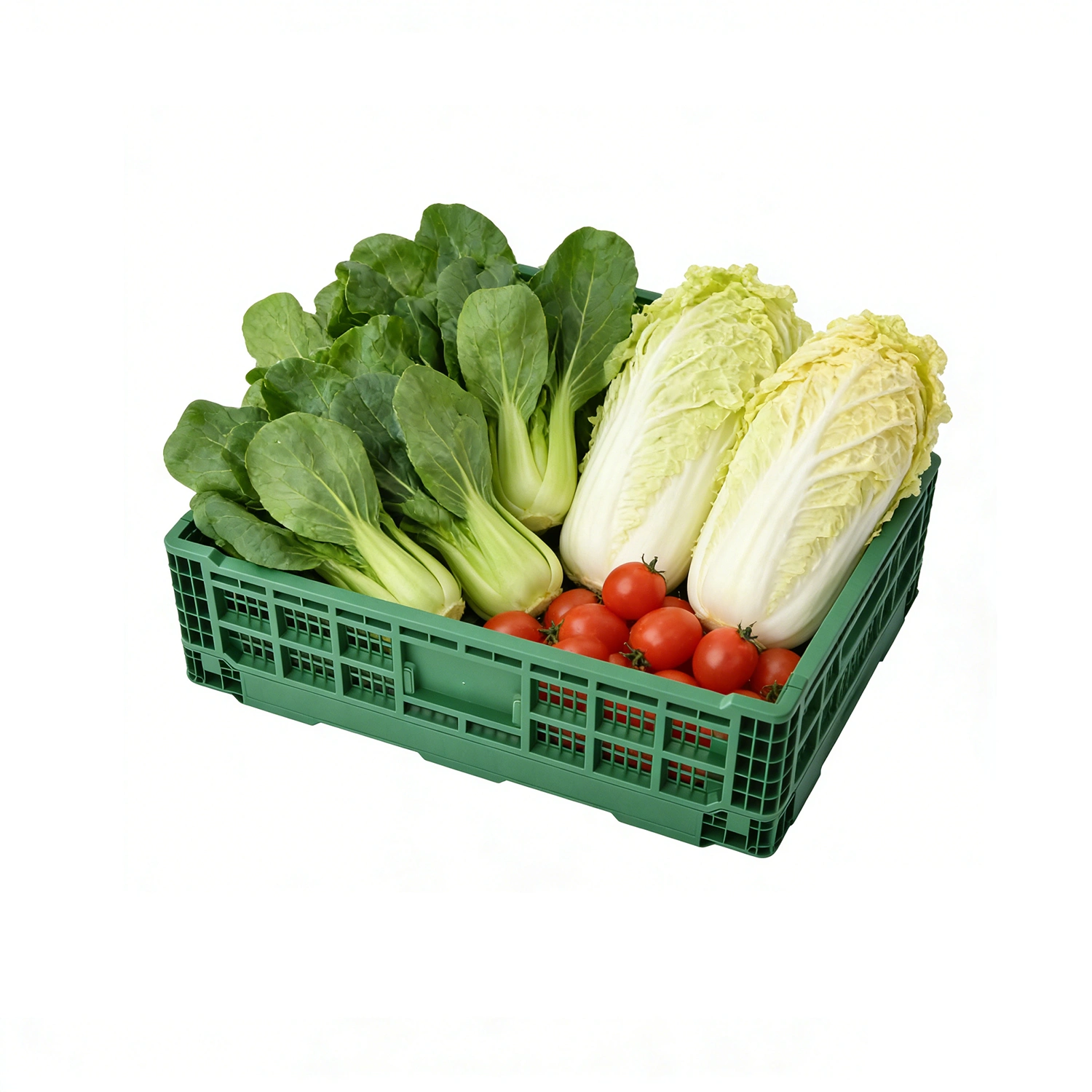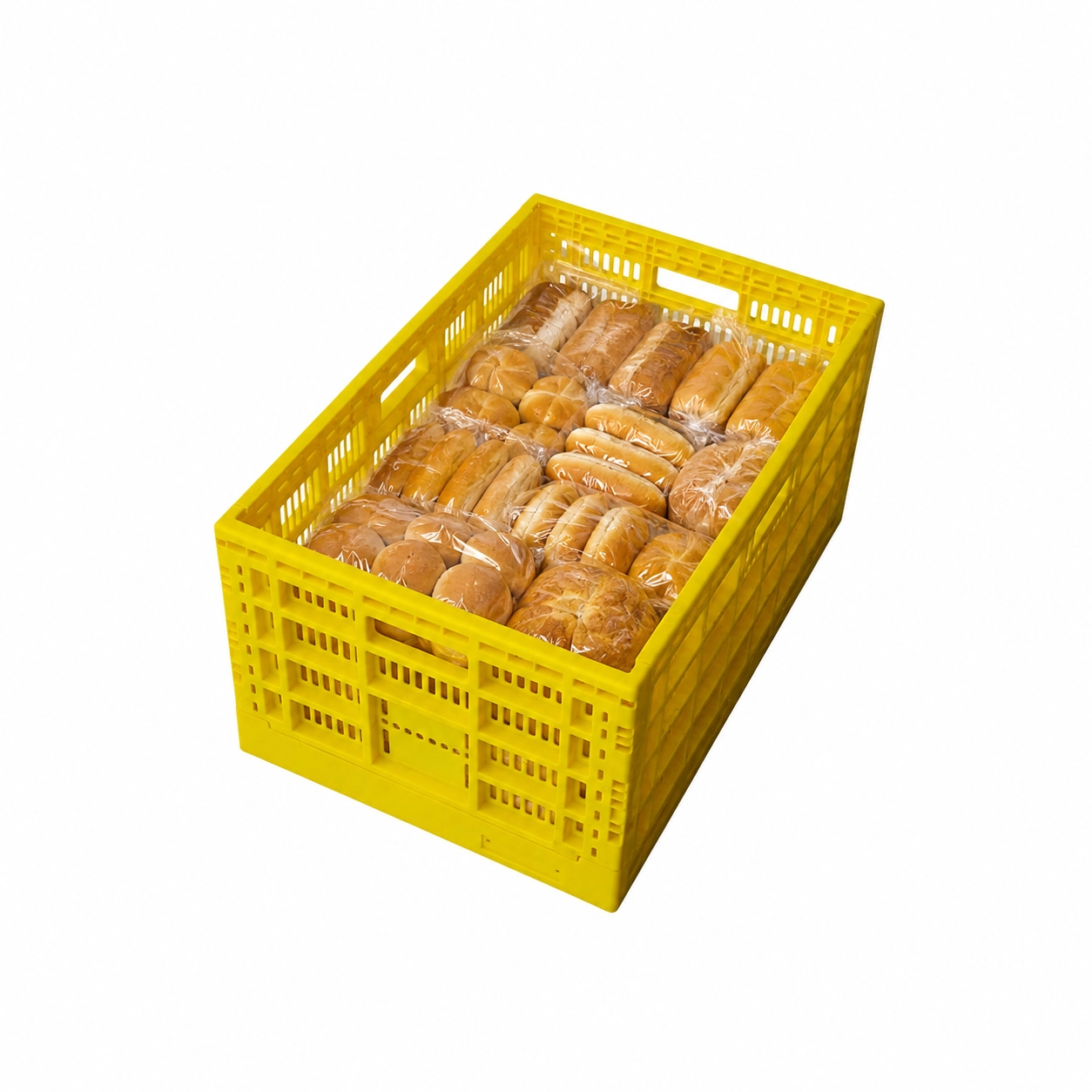
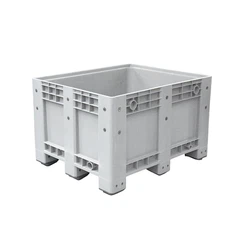
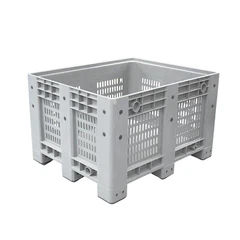
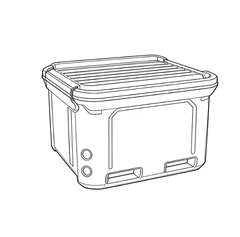
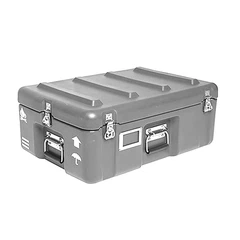
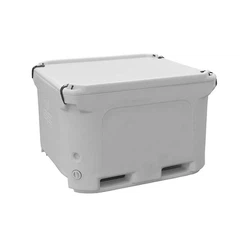
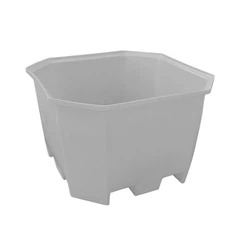
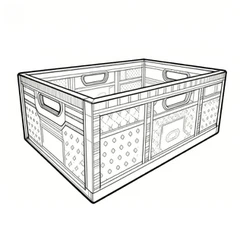
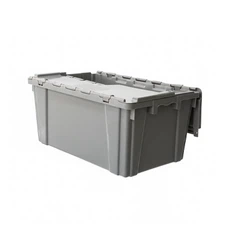
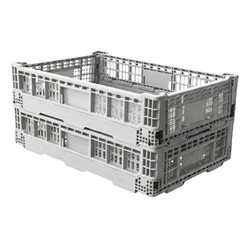
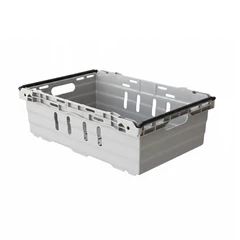
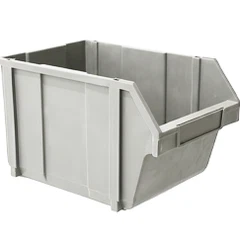
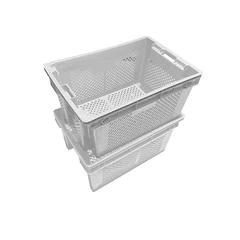
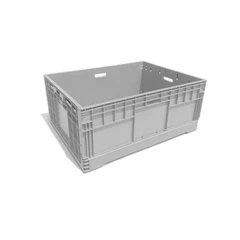
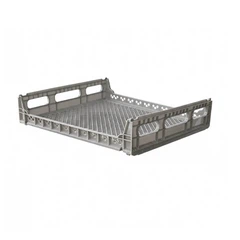
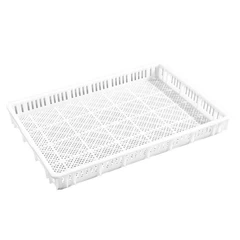
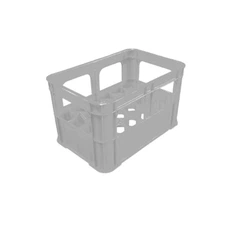
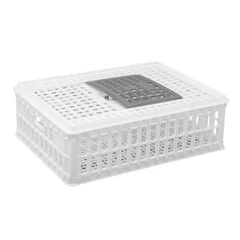
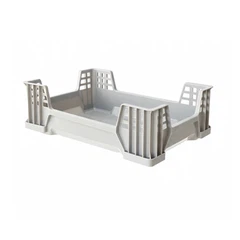
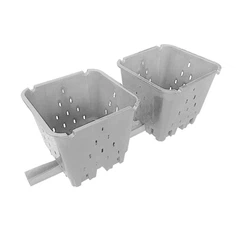
A Plastic Bread Tray is built to help you move, store, and distribute bakery products with higher hygiene control, lower damage risk, and faster handling-from the production line to retail shelves.
Why procurement teams switch to plastic bread trays
If your operation handles high-volume bread logistics, your biggest cost drivers are usually product loss, labor time, and return logistics. A purpose-built bread tray improves all three:
- Protect product shape during transit: rigid structure helps reduce crushing and deformation
- Speed up handling: easy stacking and quick transfer between baking, cooling, packing, and delivery
- Support clean, repeatable workflows: plastic surfaces wash faster than porous materials and reduce contamination risk
- Standardize distribution: consistent footprints simplify truck loading, shelf staging, and backroom organization
Design features that matter in real operations
A well-designed plastic bread tray typically focuses on the details that directly impact daily performance:
Ventilated sidewalls and base: airflow helps cooling and reduces moisture buildup during short-term storage
Stackable structure: stable stacking supports warehouse density and delivery efficiency
Ergonomic handholds: safer lifting and faster manual handling in tight areas
Reinforced corners & ribs: higher impact resistance for high-frequency distribution cycles
Smooth, easy-clean surfaces: support washdown routines and hygiene audits
Typical applications
Plastic bread trays are widely used wherever bread and baked goods move fast and must stay presentable:
Industrial bakeries and central kitchens
Fresh bread and pastry distribution routes
Supermarkets and convenience store supply
Food service wholesalers and regional depots
In-store backroom storage and shelf replenishment staging
Material and compliance considerations
For food-related procurement, the material choice and documentation are often deciding factors:
Common materials: PP or HDPE (selected based on temperature, stiffness, and impact requirements)
Food-contact compliance: food-grade material options can be supplied according to your market requirements
Traceability support: optional label areas and batch marking help your internal control and auditing
Customization options for your supply chain
For wholesale projects, you can configure trays to match your line, routing, and retail system:
Dimensions to match racks, conveyors, and delivery vehicles
Color coding by product line, route, or facility
Logo marking and labeling zones (for sorting and tracking)
Structural reinforcement options for heavier loads or longer cycles
What to confirm before placing a wholesale order
To make selection fast and risk-free, align these points before you commit:
Product type: toast, sliced bread, buns, pastries (affects tray height and ventilation pattern)
Handling method: manual, dolly, conveyor, forklift, staging
Stack height and load: full-stack weight and transport vibration conditions
Wash process: temperature, chemicals, frequency
Target market compliance: documentation needed for food-contact materials
Conclusion
If you need a clean, durable, reusable solution to move baked goods at scale, a Plastic Bread Tray delivers measurable gains in efficiency, product protection, and standardization-especially in route distribution and high-turnover retail supply chains.
If you share your preferred tray size, load per tray, and handling scenario, a precise configuration can be recommended (including material choice and stacking performance).