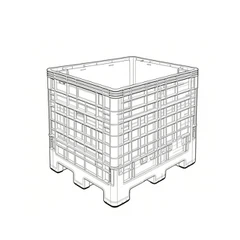
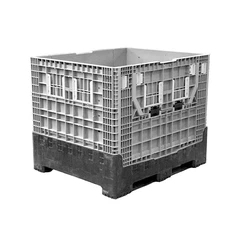
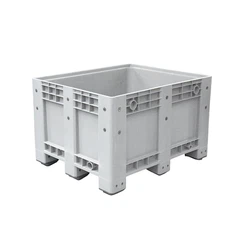
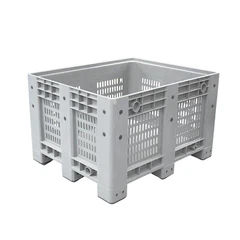
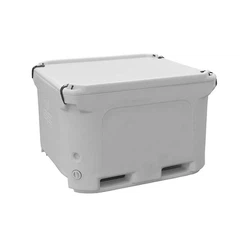
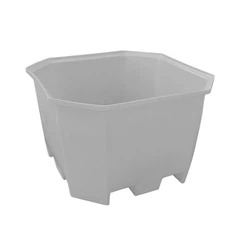
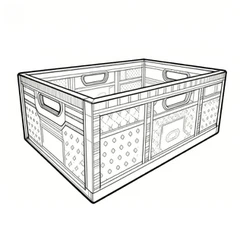
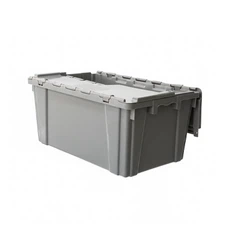
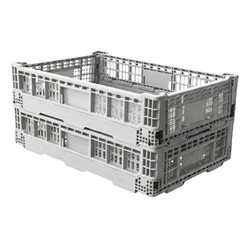
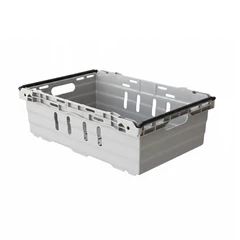
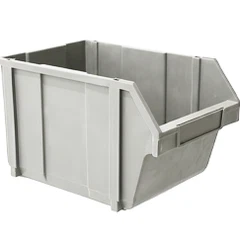
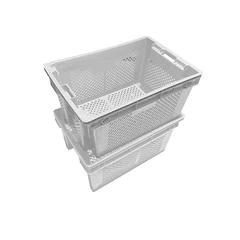
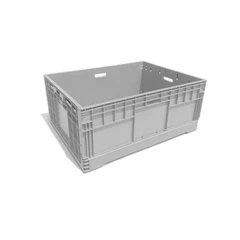
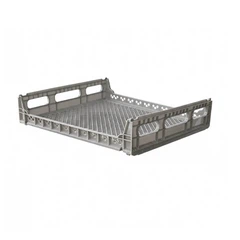
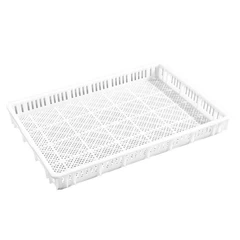
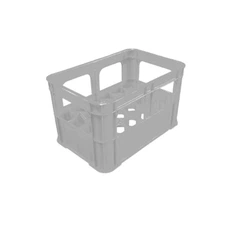

Choosing between HDPE and PP can affect how your plastic crates perform during daily handling, storage, and transport. A crate may carry the required load in a warehouse but behave differently in a cold room or during hot-water cleaning. Material choice also affects impact resistance, box weight, and the cost of repeated use. The right option depends on your working conditions, crate design, and purchasing budget.
What Are HDPE and PP Plastic Crates?
HDPE and PP are common thermoplastics used to make reusable storage and transport containers. Both suit industrial applications, but their properties differ in ways that matter when you select a crate.
HDPE Plastic Crates
High-density polyethylene (HDPE) is known for its toughness and good impact resistance, including in many low-temperature applications. HDPE crates are often used for fresh produce, cold-chain handling, fishery operations, and returnable packaging. They can handle frequent movement in demanding work areas, although the result depends on the resin grade and crate structure.
For example, a produce crate may be dropped or knocked during loading. HDPE can be a suitable choice when impact resistance is a key concern.
PP Plastic Crates
Polypropylene (PP) generally offers higher rigidity and better heat resistance than HDPE. PP crates can suit warehouse storage, industrial parts handling, and operations that involve regular washing at elevated temperatures. However, PP can become more brittle at low temperatures, depending on the grade and design.
If your crates need to keep their shape under regular use or operate in a warm cleaning area, PP is worth considering.
HDPE vs PP Plastic Crates: Key Differences
The best material depends on how your crates are used. Compare the working conditions and product design, as the material name alone cannot determine the performance of a finished crate.
Impact Resistance and Rigidity
HDPE generally performs well when crates face knocks, drops, and rough handling. PP is usually stiffer, which can help a crate retain its shape under suitable loading conditions. Still, wall thickness, ribs, corner design, and resin grade all affect the result. For heavy industrial use, check the actual crate load ratings and impact test results before placing a bulk order.
Temperature Resistance
HDPE is often a strong candidate for cold storage and low-temperature transport. PP generally has better heat resistance, which can help when crates are exposed to warm processing or cleaning conditions. Both materials have limits, and repeated temperature changes can affect performance. Tell your supplier the expected minimum and maximum operating temperatures, especially if your crates move between a cold room and a warm production area.
Chemical Resistance and Cleaning Requirements
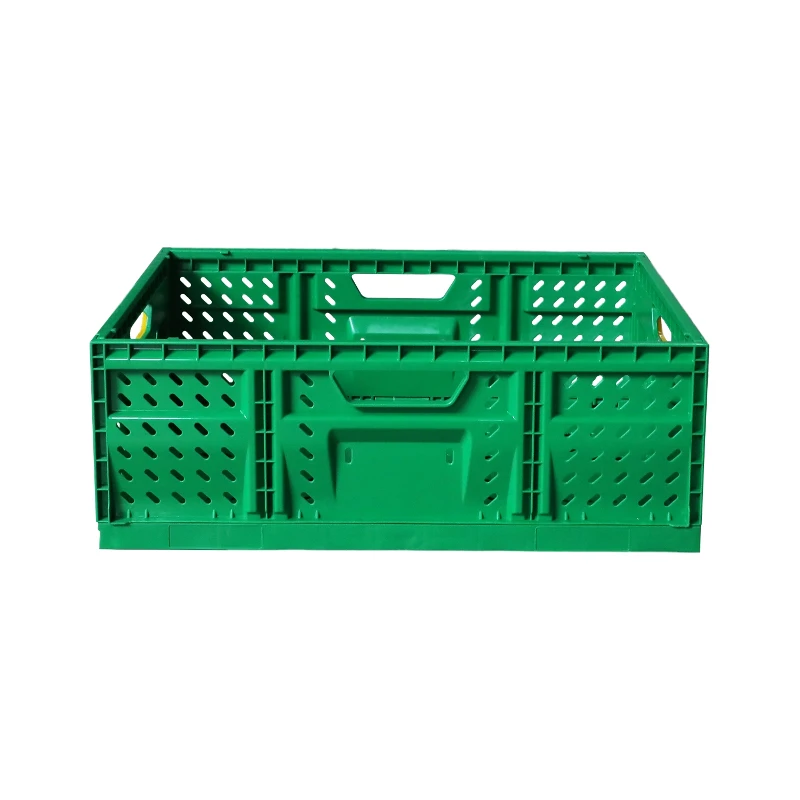
Both materials resist many common chemicals, but their performance depends on the chemical, concentration, temperature, and contact time. A detergent that is suitable for one application may be unsuitable for another. For food processing, check the cleaning agents used at your site and confirm that the selected resin and finished crate meet the applicable requirements.
Weight, Stackability and Load Performance
The weight of a finished crate depends on its dimensions, wall thickness, and structure, not only on the density of its plastic. Stackability also depends on the rim, corners, base, and how the load is distributed. If you handle heavy goods, check static and dynamic load ratings where applicable. For stacked storage, ask for the recommended stacking load and the test conditions behind that rating.
Material Cost and Repeated Use
The resin price is only one part of the purchase cost. Crate weight, expected service life, cleaning needs, damage rates, and replacement frequency also affect the total cost. A lower unit price may be less attractive if the crate needs frequent replacement. For returnable packaging, compare the expected cost per use and the cost of transporting empty crates.
Which Material Fits Your Crate Application?
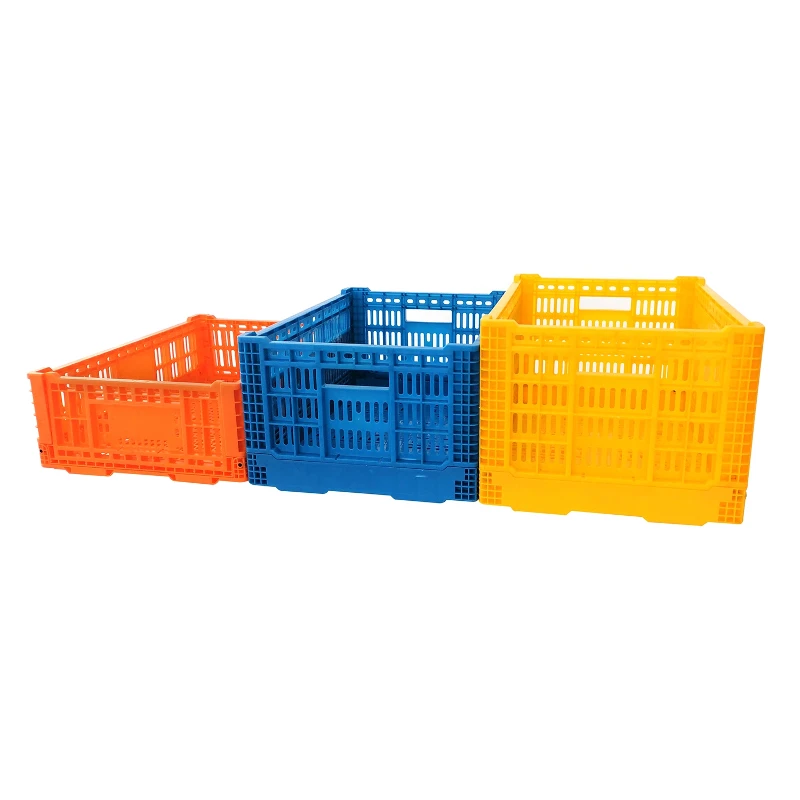
Your operating environment is often the clearest starting point. The following examples can help you narrow the options before confirming a product specification.
Agriculture, Produce and Cold-Chain Logistics
HDPE is often worth considering for produce crates, fishery containers, and cold-chain handling where impact resistance matters. You can explore agriculture and husbandry containers and fishery products to assess options for these operations.
Warehousing and General Industrial Handling
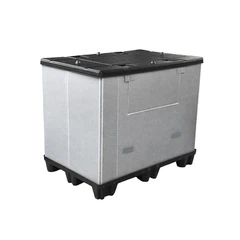
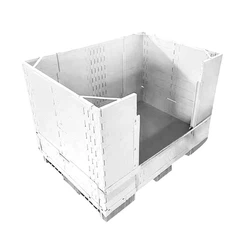
For warehouse storage and industrial parts, PP may suit applications that need greater rigidity. The final choice still depends on the load, handling method, and stacking pattern. Review available plastic pallet boxes when you need larger containers for bulk goods.
Food Processing and Frequent Washing
For food and beverage operations, material selection should account for cleaning temperature, chemical exposure, and food-contact requirements. You can review food and beverage applications and confirm the required compliance documents before ordering.
Reusable Distribution and Returnable Packaging
If crates travel between a factory, warehouse, and customer site, consider product weight, stacking stability, and damage during repeated handling. Supply chain and logistics solutions may help you identify a suitable container format for your operation.
What Should Buyers Check Before Choosing HDPE or PP Crates?
Before requesting a quotation, prepare a few details about the job. Clear requirements make it easier to compare products on the same basis.
Operating Temperature and Handling Conditions
State the lowest and highest working temperatures, how often the crates are moved, and whether they face drops, outdoor exposure, or frequent washing. If UV exposure is expected, ask whether UV stabilizers are available.
Load Requirements and Crate Structure
Provide the required dimensions, loaded weight, stacking height, and handling method. Forklifts, pallet jacks, and manual handling place different demands on crate design. For special dimensions or operating needs, review the available customization service.
Resin Grade, Additives and Product Testing
Ask whether the crate uses virgin or recycled resin, and confirm any requirements for impact modifiers, UV stabilizers, or food-contact compliance. Test data should match the intended product and working conditions.
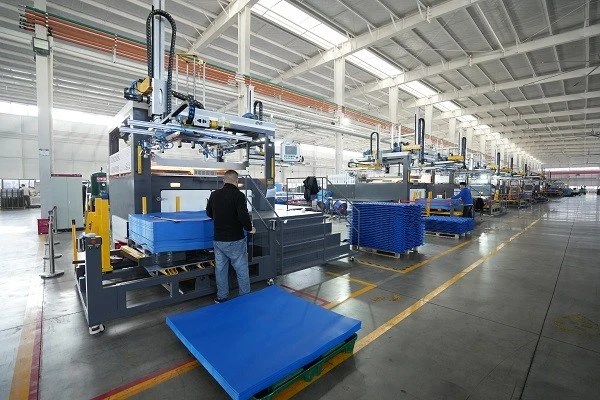
Enlightening Plast Industry Co., Limited has supplied plastic containers for industrial and logistics applications since 2000. You can learn about its factory and production facilities and quality management when assessing a potential supply partner. If you are comparing HDPE and PP crates for a new project or a replacement order, start with the actual working conditions and load requirements. Visit the product range, or contact the team with your specifications to discuss suitable crate options and bulk pricing.
FAQ
Q1: Can HDPE and PP crates be recycled?
A: Both materials can be recycled where suitable collection and processing systems exist. Check local recycling rules and the material identification of the finished crate.
Q2: Does recycled plastic affect crate performance?
A: It can. Resin source, recycled content, and processing quality may affect impact resistance and consistency. Ask for specifications that match your application.
Q3: Are HDPE and PP crates suitable for outdoor use?
A: Both may be suitable, depending on the design and resin grade. For long-term sun exposure, ask about UV stabilization and outdoor-use testing.
Q4: Can you order plastic crates in custom sizes or colors?
A: Custom options may be available, depending on the product and order quantity. Confirm dimensions, color, logo requirements, tooling costs, and minimum order quantity before production.
Q5: What details should you provide when requesting a quotation?
A: Include the crate dimensions, intended goods, loaded weight, operating temperature, expected quantity, and delivery destination. These details help the supplier recommend a suitable model and prepare a relevant quotation.