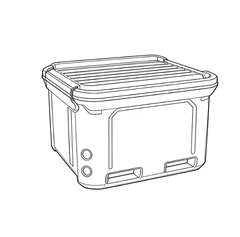
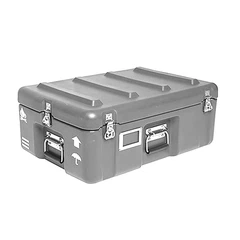
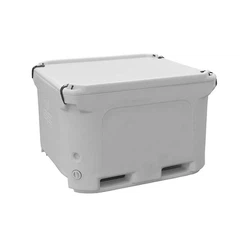
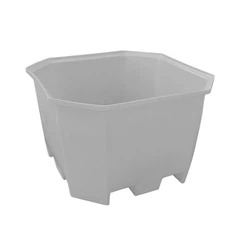
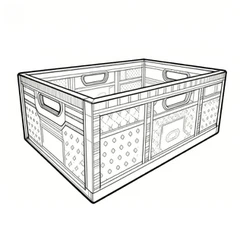
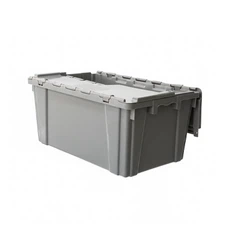
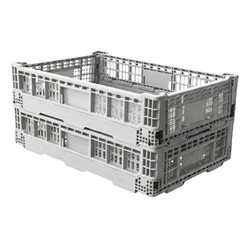
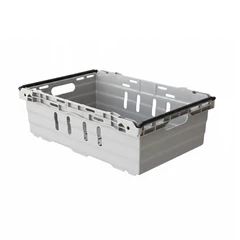
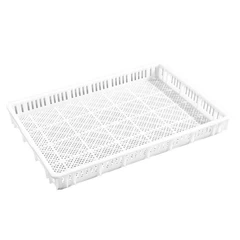
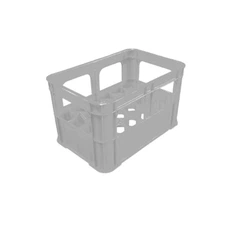
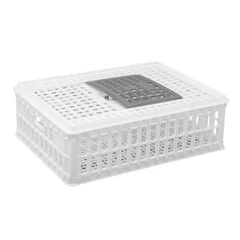
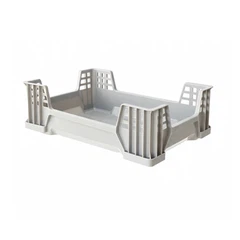
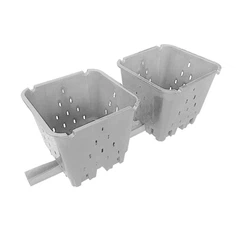

A plastic crate may hold a heavy load on the floor, yet perform very differently when lifted by a forklift or stacked with other loaded crates. This is a common concern for warehouse operators, distributors, and manufacturers. Choosing the wrong load rating can lead to cracked crate walls, unstable stacks, damaged goods, and problems during transport. To select the right crate, you need to check three key figures: static load capacity, dynamic load capacity, and stacking capacity. Each describes a different working condition. The figures must match your goods, handling equipment, and storage method.

What Do Plastic Crate Load Ratings Mean?
Plastic crate load ratings describe how much weight a crate can carry or support under specific conditions. These figures are useful for comparing products, but they only tell part of the story. The crate design, load distribution, temperature, handling method, and length of storage can all affect performance.
Static Load Capacity
Static load capacity refers to the load a crate can support while it remains stationary on a suitable, level surface. For example, a crate holding 100 kg of machine parts on a warehouse floor is under a static load. This rating matters when you store goods on the floor or keep loaded crates in a fixed position. A flat, stable base helps spread the weight across the crate bottom. If the floor is uneven or the goods press heavily against one area, the actual stress may be higher.
Dynamic Load Capacity
Dynamic load capacity refers to the load a crate can carry while it is being moved, such as by a forklift or pallet truck, when the product is designed for that handling method. Movement adds stress. Braking, turning, uneven floors, and poor load placement can all affect stability. A crate that supports a certain weight while stationary may need a lower permitted load during handling. Always check the rating for the actual handling conditions.
Stacking Capacity
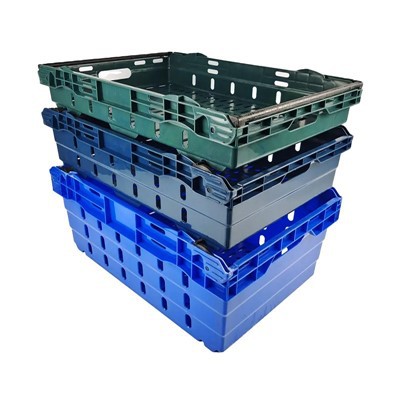
Stacking capacity describes the load a crate can support from the crates placed above it. For example, if several loaded crates are stacked in a warehouse, the lower crate must support the weight transferred through the upper crates. The load is usually carried through the crate's corners, rims, or reinforced stacking areas. If the upper crate is poorly aligned, the load may press against the walls and cause deformation. Check the permitted stacking load and maximum stacking height for the specific model.

How Are Static, Dynamic, and Stacking Loads Different?
These three ratings describe different types of stress, so you should compare them separately when selecting a plastic crate. A high static rating does not automatically mean the crate can carry the same weight during movement or support the same load in a stack.
For example, a crate used for fixed storage may have different requirements from one that moves through a production line several times a day.
|
Load Rating |
Working Condition |
What You Need to Check |
|
Static Load |
Stationary on a level surface |
Bottom strength and load distribution |
|
Dynamic Load |
Moving with suitable handling equipment |
Base strength, stability, and handling conditions |
|
Stacking Load |
Supporting loaded crates above it |
Stack alignment, stacking features, and total supported weight |
Before placing an order, ask for the test conditions behind each rating. A load figure is useful only when it matches the way you plan to use the crate.
What Factors Affect Plastic Crate Load Capacity?
A crate's rated capacity depends on its design and working conditions. Two crates with similar outside dimensions can have different load ratings because their wall thickness, base structure, material, and reinforcement may differ.
Material and Crate Design
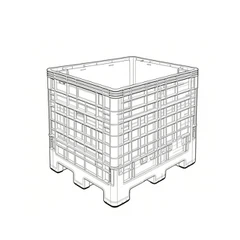
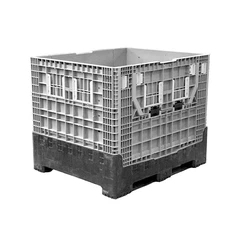
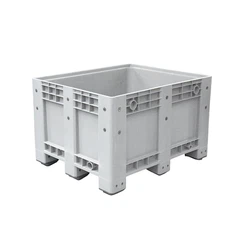
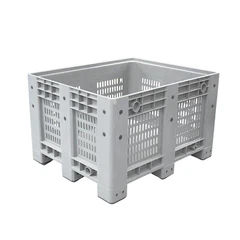
Plastic type affects stiffness and impact performance. Wall ribs, reinforced corners, and the base structure also affect how the load is distributed. A crate designed for light picking tasks may have different limits from a heavy-duty container used for industrial parts. If you need larger containers for bulk goods, review the available plastic pallet boxes and compare their dimensions, construction, and stated load ratings.
Load Distribution and Operating Conditions
Weight should be spread across the crate base as evenly as the application allows. Heavy parts placed in one corner can create local stress, even when the total weight falls below the rated limit. Temperature also matters. Very cold conditions may affect impact resistance, while heat and long periods under load may increase deformation in certain plastic products. For outdoor or demanding industrial use, discuss the operating environment with your supplier.
Crate Type and Intended Application
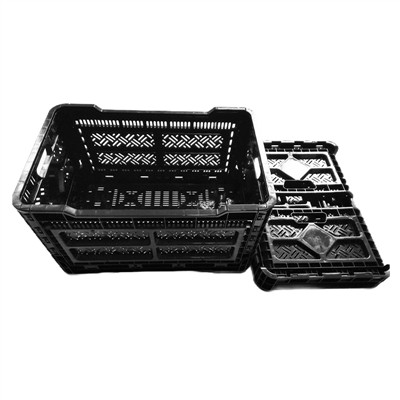
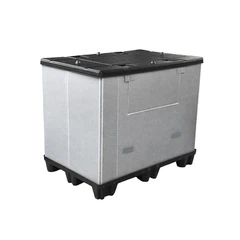
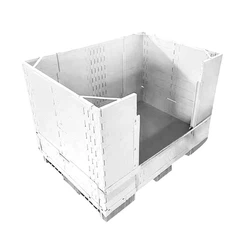
Stackable, nestable, and foldable crates serve different handling needs. Their structures also affect the way loads are carried. For larger loads or bulk storage, rotomolded plastic containers may be worth reviewing alongside injection-molded options. The actual rating must still be confirmed for the selected model.

How Do You Choose the Right Load Rating for Your Operation?
Start with the heaviest load you expect to handle, then check how the crate will be moved and stored. The following steps can help you avoid selecting a crate based on only one number.
Check the Total Weight and Load Distribution
Calculate the combined weight of the goods and any packaging placed inside the crate. Then consider where the weight will sit. Dense metal parts, for example, can put more pressure on a small area than evenly distributed packaged goods.
Match the Rating to Your Handling Method
If forklifts or pallet trucks move the crates, confirm that the base and crate structure suit the handling method. For automated storage or production lines, also check the equipment's dimensional and load requirements. For warehouse and transport applications, supply chain and logistics solutions can help you review the container's intended role within your handling process.
Confirm the Stacking Arrangement
Work out how many loaded crates will be stacked and the total weight above the lowest crate. Check the manufacturer's permitted stacking load and stacking height. The floor, pallet, and supporting surface must also be suitable for the combined load. If your operation uses custom dimensions or has special load requirements, custom plastic container options can be discussed with Enlightening Plast Industry Co., Limited. Share the goods type, target load, stacking plan, and handling method so the proposed design can be assessed against the actual application.
How Can You Verify a Plastic Crate's Load Rating?
A product page may show several load figures, but you should also confirm how they were measured. Ask for the specification sheet and test details for the exact model you plan to purchase. Enlightening Plast Industry Co., Limited provides information about its factory and quality processes, which can help buyers review its manufacturing background and quality controls. Before confirming an order, check these points:
- The static, dynamic, and stacking ratings are clearly defined.
- The test conditions match your intended use.
- The maximum stacking height is stated where relevant.
- The crate suits the required temperature and handling environment.
- Any claimed load rating applies to the selected model and configuration.
A sample can also help you check dimensions, fit, and handling in your own operation. However, a simple trial does not replace a documented load test or the supplier's stated limits.
FAQ
Q: Can a Plastic Crate Carry Its Static Load Rating While Moving?
A: No. Static and dynamic loads describe different conditions. Check the specified dynamic rating before moving a loaded crate.
Q: Does Stacking Capacity Mean the Total Weight of All Crates?
A: It usually refers to the load supported by a crate from the crates above it. Confirm the supplier's definition, the permitted stack height, and the load distribution.
Q: Why Can a Plastic Crate Deform Below Its Rated Load?
A: Uneven loading, high temperatures, prolonged loading, damaged stacking points, or unsuitable handling can cause deformation. The rated load applies to specified conditions.
Q: How Can You Choose a Plastic Crate for Heavy Industrial Parts?
A: Check the total weight, part dimensions, load distribution, handling equipment, and stacking plan. Then compare the exact model's documented load ratings with those requirements.
Q: Can Enlightening Plast Industry Co., Limited Help With Special Load Requirements?
A: Yes. Contact Enlightening Plast Industry Co., Limited with your required dimensions, load, handling method, and stacking conditions to discuss suitable products or customization options.