
Warehouse packaging costs rarely stop at the purchase price of a box. Every shipment can add labor, product damage, storage space, return freight, cleaning, and disposal expenses. Cardboard boxes may have a low unit price, but repeated use can make their total cost much higher. Reusable plastic containers take a different approach: one container can serve many trips, keep its shape during handling, and return to the warehouse for another cycle. For companies with regular internal movement or closed-loop logistics, this can change the cost of each trip.
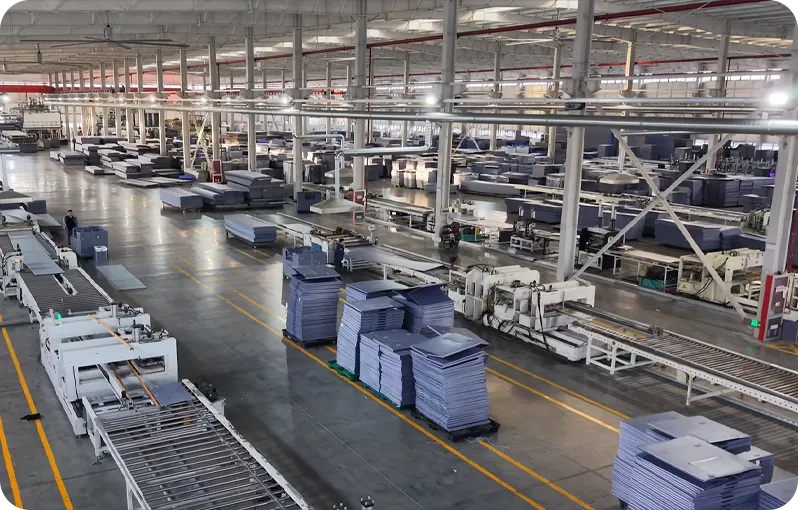
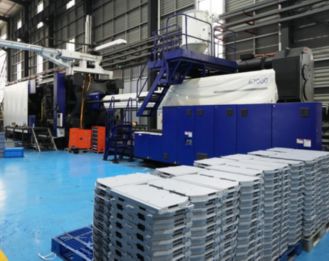
Enlightening Plast Industry Co., Limited has supplied reusable plastic handling products since 2000, with more than 75,000 m² of production space, 400+ employees, and 700+ in-house molds. Its production covers injection molding, rotational molding, and blow molding, so warehouse and industrial applications can use different container structures based on load, storage, and handling needs.
Where Do Warehouse Packaging Costs Come From?
A useful cost review starts with the full packaging cycle. If you only compare the purchase price of one cardboard box with one plastic container, the result can be misleading. Your actual cost comes from what happens before loading, during handling, after delivery, and when the empty packaging comes back.
Repeated Packaging Purchases
Disposable packaging creates a new purchase each time goods move. If a warehouse uses 10,000 boxes every month, the packaging budget keeps growing with shipment volume. A reusable container needs a larger initial investment, but its cost is spread across many trips. The key figure is therefore cost per use, not only unit price.
Product Damage and Rejected Shipments
A rigid container keeps its shape when goods are stacked, moved by hand, or placed on a pallet. This can give products better protection during warehouse handling and transport. A damaged carton may collapse under load or lose its shape after contact with moisture. One damaged shipment can cost far more than the packaging itself, especially when it leads to repacking, returns, sorting, or rejected goods.
Picking, Handling and Repacking Labor
Packaging also affects how long a warehouse worker spends on each movement. Standard container dimensions, integrated handles, and stable stacking can make picking and manual handling more consistent. Containers designed for pallet systems, roller conveyors, or automated handling can fit into an existing material-flow process with fewer manual adjustments.
Storage and Transport Space
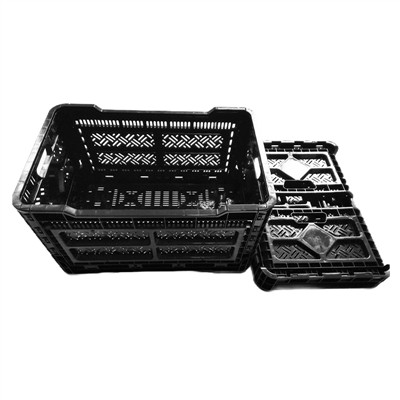
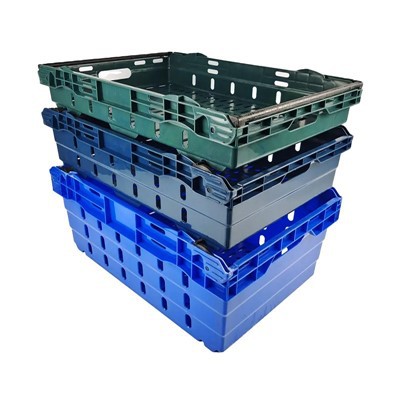
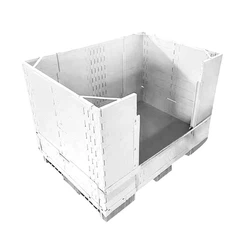
Empty packaging can quietly consume a large amount of warehouse space. Nestable containers place empty units inside one another, while collapsible containers reduce their height after folding. This matters in return logistics too. More empty containers can fit into a truck or shipping container, which can lower the number of return trips required.
Packaging Disposal
With single-use packaging, damaged and used boxes become a regular waste stream. Staff may need to collect, sort, compact, and remove the material. Reusable plastic containers stay in the operating cycle for repeated use, so the amount of packaging waste can fall as the reuse rate rises.
Lost or Poorly Managed Returnable Assets
Reusable packaging has one cost that disposable packaging does not: asset loss. A container that leaves the network and never returns becomes a direct loss. Simple container IDs, barcodes, RFID tags, or routine scan points can help you track where returnable assets are used. The system does not need to be complicated. A clear container count at each handover already gives useful control.
How Do Reusable Plastic Containers Reduce Costs?
The financial value of reusable plastic containers comes from several small savings that add up across hundreds or thousands of trips. Your results depend on the route, reuse rate, container design, return distance, labor cost, and product value. For this reason, the best container is the one that fits the full operating cycle.
Lower Cost Per Use
A reusable container is purchased once and used many times. Suppose a container costs $20 and completes 100 trips. The container purchase cost equals about $0.20 per trip before cleaning, repair, return freight, and loss are included. If the same container completes 200 trips, the purchase cost per trip falls to about $0.10. This simple calculation is often the first reason warehouse managers move from disposable packaging to returnable systems.
Less Product Damage
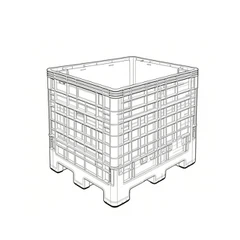
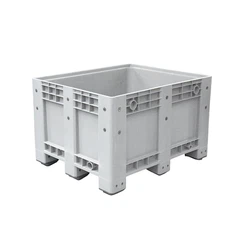
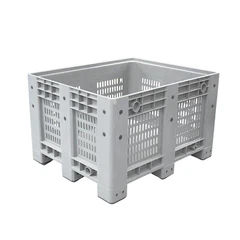
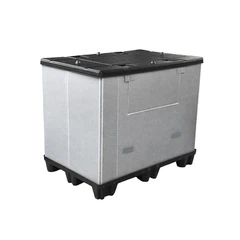
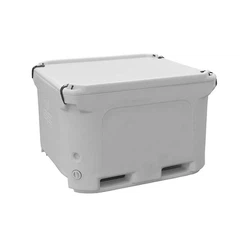
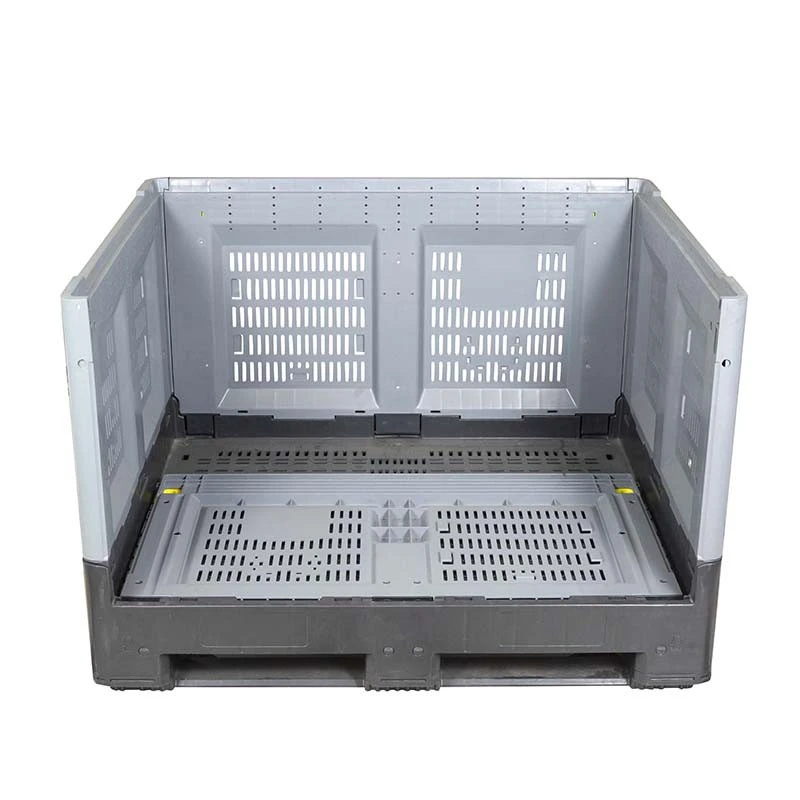
Rigid walls support the load and keep the container shape during stacking. A stable base also helps keep loads aligned during storage and movement. For products that are easily crushed, scratched, bent, or contaminated by damaged packaging, this protection can have a direct financial effect. A plastic pallet box can be useful when larger loads need rigid containment, while smaller reusable containers suit picking and parts handling.
Faster Warehouse Handling
A standard footprint makes repeated warehouse movements easier to plan. Integrated handles give workers fixed grip points, while stackable designs help keep loads aligned. For high-volume operations, saving a few seconds on each handling step can become a real labor saving over a full year. Enlightening Plast Industry Co., Limited also supports application-based product selection and customization for different handling conditions.
Better Use of Warehouse Space
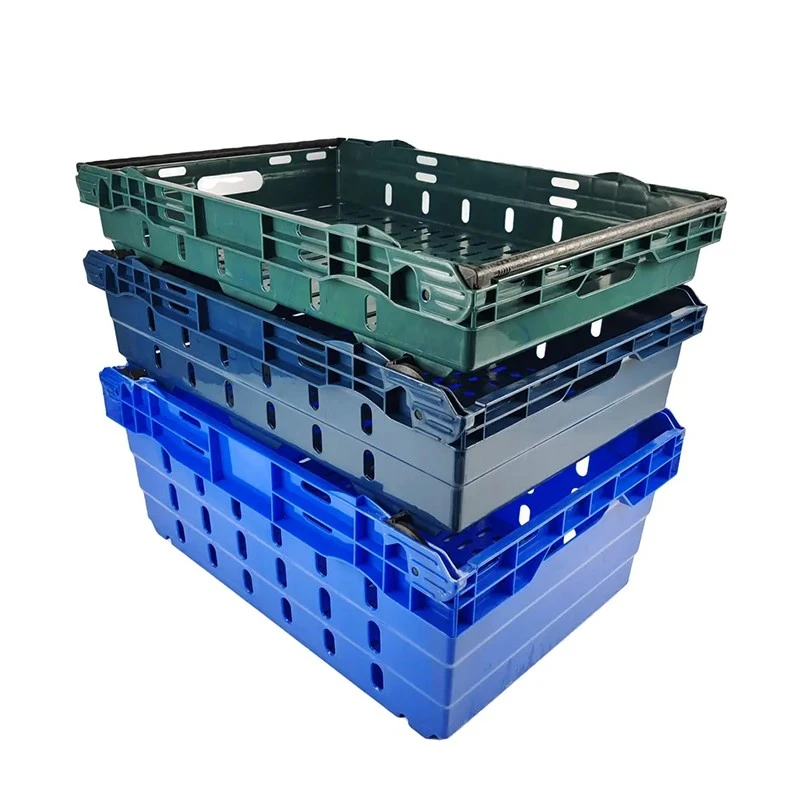
Loaded containers can be stacked when the base and upper rim are designed for stable alignment. Empty containers need a different approach. Nestable models reduce their footprint by fitting inside each other, while collapsible models reduce vertical height. A warehouse with limited empty-container space can gain several usable storage positions simply by changing the container structure.
Lower Return Transport Costs
Return logistics often decides whether a reusable packaging program makes financial sense. A container that carries goods one way but takes up the same volume on the return trip can reduce the value of reuse. Nesting and collapsible designs solve part of this problem. More empty units can fit into each vehicle, so the return movement carries a larger number of assets per trip. Enlightening Plast's collapsible and returnable container range can suit routes where empty-space reduction matters.
Lower Cleaning and Waste Costs
Reusable plastic containers can be washed and returned to service when the application requires regular cleaning. Smooth internal surfaces also make routine washing easier. At the same time, repeated container use reduces the flow of damaged cardboard, paper scraps, and other disposable packaging waste.
Fewer Inventory Interruptions
A planned returnable-container pool gives you a fixed number of handling assets for regular routes. This can reduce emergency packaging purchases when shipment volume rises. Container tracking can also help identify slow returns and missing units before the shortage reaches the picking area.
Are Reusable Plastic Containers More Cost-Effective Than Cardboard Boxes?
The answer depends on how often you use the packaging and how the goods move. Cardboard can remain practical for one-way shipments and short distribution routes. Reusable plastic containers tend to gain value when the same route repeats, containers return to the same network, or product protection and handling speed have a clear financial value.
Initial Purchase Cost
Cardboard usually has a lower starting price. A reusable plastic container requires a higher first purchase, especially for heavy-duty or customized designs. The gap becomes smaller when the container completes many trips. You should compare the initial price with expected service life and actual annual usage.
Expected Reuse Cycles
Reuse cycles are one of the main numbers in the calculation. A container used 20 times has a very different economics from one used 200 times.
Cost Per Trip
For a fair comparison, add the main operating costs to the purchase cost. These may include cleaning, return freight, repairs, and container loss. Then compare that figure with the annual cost of buying new cardboard boxes.
Load Protection and Moisture Resistance
Plastic containers keep a rigid form during repeated handling and can resist moisture better than paper packaging. This is useful for goods moving through cold rooms, damp warehouses, outdoor loading areas, or cleaning processes. The right wall and base design still depends on the product and load.
Handling Efficiency and Empty Storage
Cardboard boxes are easy to dispose of after use, but they take up space before use and require fresh packaging for every trip. Reusable containers can be stacked when loaded and nested or collapsed when empty. The better choice depends on whether your main cost pressure comes from handling, storage, return freight, or packaging purchases.

How Can You Calculate the Potential Savings?
A simple cost model can give you a useful first result before you invest in a large container pool. Start with actual shipment volume, then add the operating costs that change after the packaging system changes.
Calculate the Disposable Packaging Cost
Multiply the unit price of your current packaging by annual usage. If you use 120,000 cartons a year at $1.20 each, the direct packaging purchase cost is $144,000. Add disposal, repacking, damage, and related labor if you have reliable figures.
Calculate the Reusable Container Cost
Divide the container purchase cost by expected trips to get the purchase cost per trip. Then add cleaning, return freight, repair, and estimated loss. For example, a $30 container completing 150 trips has a purchase cost of $0.20 per trip before operating costs.
Add the Secondary Savings
Packaging may affect several other warehouse costs. If stronger containers reduce product damage, record the annual value of avoided damage. If standard handles reduce handling time, record the labor saving. Disposal fees and waste-handling labor can also be added to the calculation.
Estimate the Payback Period
A simple payback formula is initial investment divided by monthly net savings. If a $30,000 container program saves $5,000 each month after operating costs, the basic payback period is six months. Actual results depend on return rates, loss, cleaning frequency, and the number of trips completed.
Where Do Reusable Containers Deliver the Best ROI?
Reusable packaging usually performs best where containers move in a repeated loop. The shorter and more predictable the loop, the easier it is to keep containers in circulation and reach a high number of trips.
Closed-Loop Warehouse Networks
Distribution centers that regularly exchange goods with the same facilities can keep containers within a controlled return cycle. This makes asset recovery easier and reduces the risk of containers disappearing into unrelated channels.
High-Frequency Internal Material Handling
Factories and warehouses can gain value when containers move several times a day between picking, processing, storage, and assembly areas. The same container may complete many cycles without leaving the site.
Retail Distribution Centers
Retail networks often handle large volumes of standardized goods. Stackable and nestable containers can support store replenishment, return movements, and backroom storage while keeping container dimensions consistent.
Automotive Parts Logistics
Automotive components often move between suppliers, plants, warehouses, and assembly lines on planned routes. Reusable containers can support repeated part movement, especially when the container footprint matches pallets, racks, and handling equipment. Enlightening Plast's automotive application range includes reusable plastic handling solutions for this type of industrial environment.
Food and Beverage Operations
Food and beverage operations need packaging that fits regular washing, handling, cold storage, and production movement. The right container can move goods between processing, storage, and distribution while reducing disposable packaging waste. Enlightening Plast's food and beverage solutions cover applications where repeated container use forms part of the daily material flow.
Manufacturing Plants With Regular Supplier Returns
If parts arrive from suppliers and empty containers return on the next scheduled route, the packaging loop becomes easier to manage. This is one reason returnable packaging works well in manufacturing supply chains with fixed delivery schedules.
Which Container Design Fits Your Warehouse?
Container structure should follow the movement pattern, load, equipment, and return route. A container that works well for loaded storage may be a poor choice for empty transport, so the two stages need to be considered together.
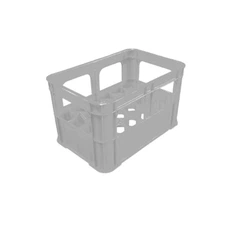
Stackable Containers for Loaded Storage
Stackable containers use their base and upper rim to keep loaded units aligned. They are suitable when warehouse space is limited and goods stay in containers during storage. Stable stacking also helps during pallet movement.
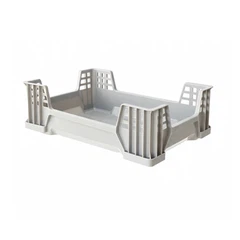
Nestable Containers for Empty Return Transport
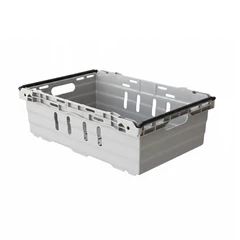
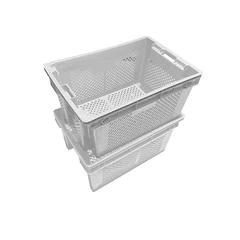
Nestable containers fit inside each other when empty. This reduces the volume of return loads and can help lower transport cost. They work well when containers return frequently between two locations.
Collapsible Containers for Maximum Return-Space Savings
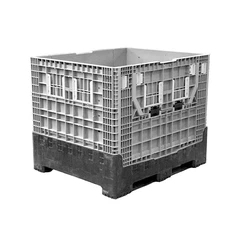
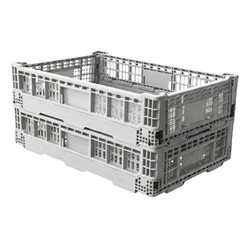
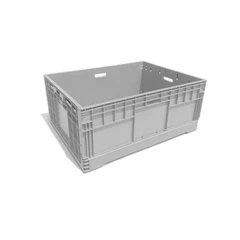
Collapsible containers reduce height when empty. This is useful for large containers that would otherwise occupy significant trailer or container space on the return journey. Enlightening Plast's custom container service can support changes such as dimensions, colors, logos, and application-specific designs.
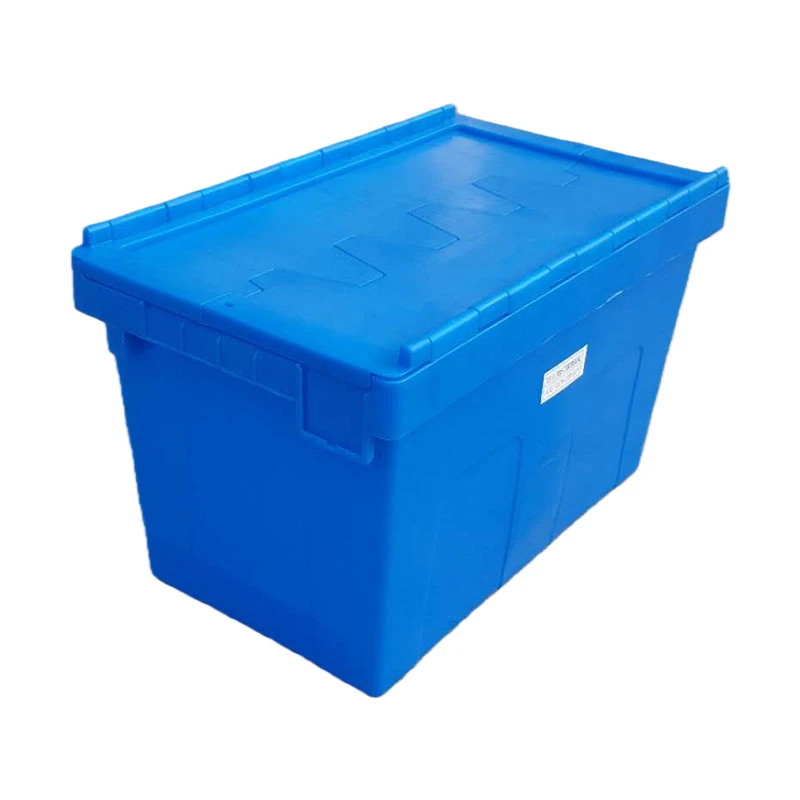
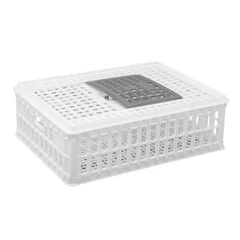
Attached-Lid Containers for Product Security
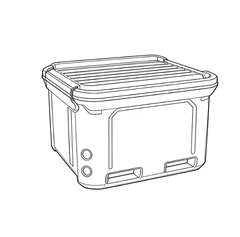
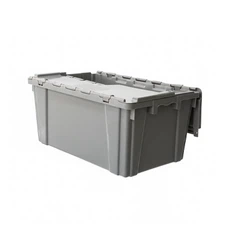
Attached-lid containers keep the lid connected to the box and reduce the chance of separate lids becoming lost. They suit picking, distribution, and closed storage where goods need protection during repeated movement.
Vented or Solid-Wall Containers Based on the Goods
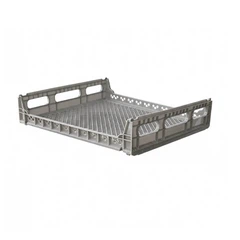
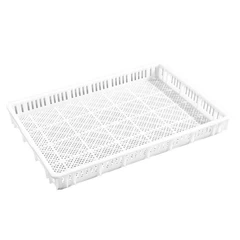
Vented walls can support airflow and drainage for products such as agricultural goods, while solid walls provide a more enclosed space for parts and general warehouse goods. The choice should follow the product, washing method, temperature, and handling process.
Conclusion
Reusable plastic containers can cut warehouse costs in several places at once. The biggest gains often come from repeated use, lower product damage, faster handling, better use of storage space, and lower return transport volume. The result becomes stronger when containers stay in a controlled loop and complete many trips.
Before you replace your current packaging, calculate the full cost of one trip. Then test the route with a suitable container design and track the real numbers. If you are reviewing container sizes, return logistics, or a custom handling system, you can contact Enlightening Plast Industry Co., Limited with your load, dimensions, annual volume, and handling process.
FAQ
Q: How many times can a reusable plastic container be used?
A: The actual number depends on the container design, load, handling method, cleaning process, stacking conditions, and return route. Tracking completed trips during a pilot gives a better service-life estimate for your operation.
Q: Are reusable plastic containers suitable for automated warehouses?
A: They can be suitable when the container dimensions, base design, load, and tolerances match the conveyor, rack, pallet, or automated handling system. Equipment compatibility should be checked before bulk production.
Q: What should you measure during a reusable container trial?
A: Track trips per container, handling time, product damage, cleaning cost, return freight, repair, loss rate, and storage space. These figures give you a practical cost-per-trip calculation.