
Introduction
Choosing reusable plastic containers or crates is not simply a matter of comparing purchase prices, because storage space, return transportation, load requirements, and handling efficiency all affect the overall value of a packaging system. Folding crates and rigid pallet containers address these requirements differently, with folding designs emphasizing space efficiency and rigid designs prioritizing structural stability for demanding loads. This guide compares folding crates vs rigid pallet containers across key performance areas, applications, purchasing considerations, and customization options to help buyers select the right configuration for their supply chain.
What Is the Main Difference Between Folding and Rigid Pallet Containers
The fundamental difference lies in how each crate manages space and structural stability, with folding designs prioritizing collapsibility for empty storage and return logistics while rigid designs maintain a fixed structure for demanding load and handling requirements.

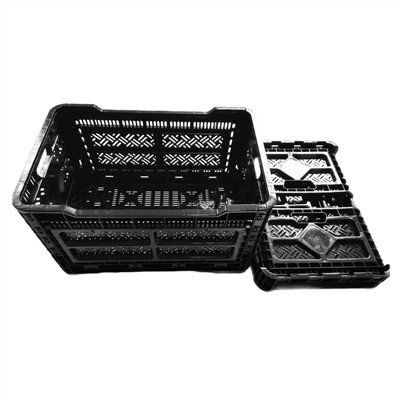
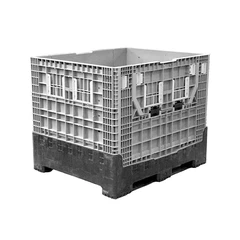
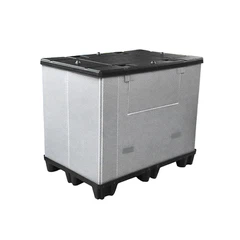
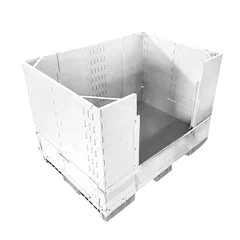
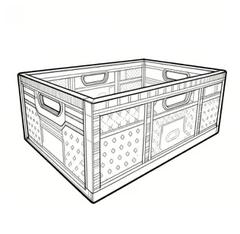
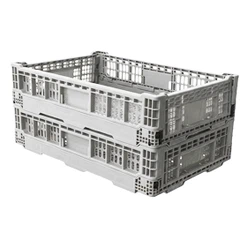
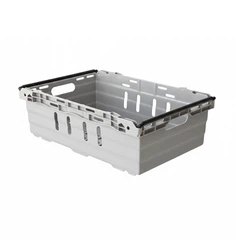
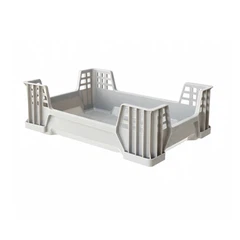
Folding crates use collapsible side walls that allow empty containers to fold down for more efficient storage and return transportation, while options such as PP or HDPE materials, solid or ventilated walls, ergonomic handles, and different folding mechanisms support different logistics requirements.

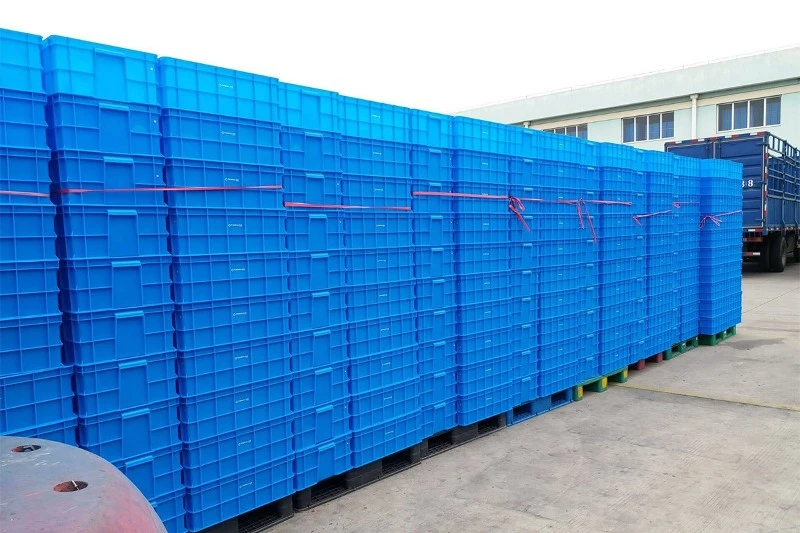
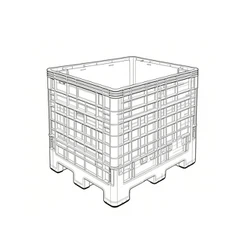
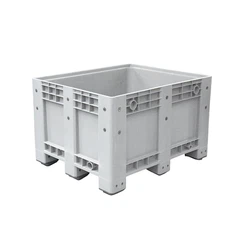
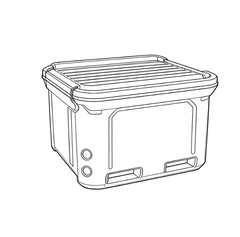
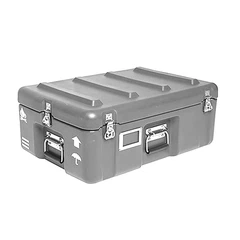
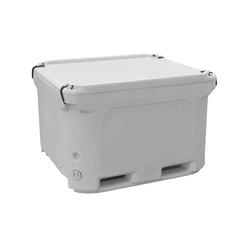
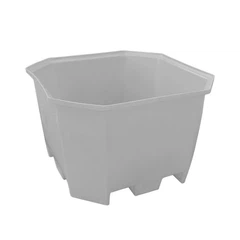
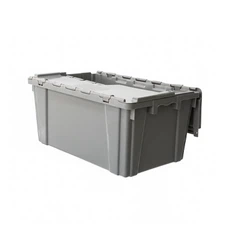
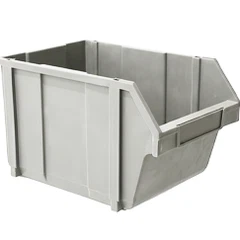
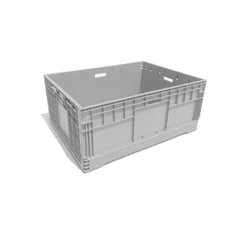
Rigid pallet containers use fixed walls and, in heavy-duty pallet-container designs, one-piece construction to maintain structural stability under demanding loads, making them suitable for palletized transportation, forklift handling, repeated stacking, and industrial storage.
How Do Folding and Rigid Pallet Containers Compare in Key Performance Areas
The most useful comparison focuses on how each structure affects empty-space utilization, load handling, warehouse operations, and product protection rather than treating one design as universally better.
Space Efficiency & Return Logistics
Folding crates can collapse when empty and reduce return-storage volume by up to around 70% for applicable designs, making them particularly valuable when empty containers frequently travel back through long-distance distribution networks.
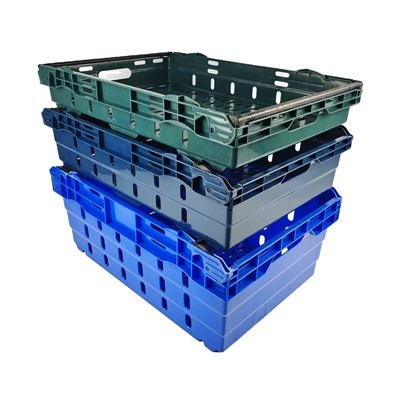
Rigid pallet containers retain their full dimensions when empty, so they require more vehicle and warehouse space during returns but provide a consistent container footprint for storage and handling.
Load Capacity & Structural Strength
Rigid pallet containers generally provide stronger structural stability for heavy or bulky products because their fixed-wall construction does not rely on folding joints, with some rigid pallet-container models supporting up to 1 tonne of dynamic load and 4 tonnes of static load.
Folding crates can incorporate reinforced joints and strengthened bases to support demanding logistics applications, but buyers should always verify the rated capacity of the specific model against the actual product load and stacking conditions.
Handling & Warehouse Operations
Folding crates are well suited to manual picking and distribution because their relatively lightweight construction, ergonomic handles, and rapid folding mechanisms can simplify repeated handling.
Rigid pallet containers are better suited to palletized warehouse operations where four-way forklift access, pallet-truck handling, and stable container geometry are important.
Cleaning & Product Protection
Both crate types can be configured for specific hygiene and protection requirements, while solid walls, smooth interior surfaces, rounded corners, and appropriate food-grade materials can support applications where cleaning and product protection are priorities.
Which Supply Chain Applications Fit Each Crate Type
The best application depends on how products move through the supply chain, particularly whether the operation prioritizes efficient empty returns or stable handling of heavy and bulky goods.

Choose Folding Crates When Empty Returns Are Frequent
Folding crates are most suitable when a supply chain frequently handles empty containers and needs to control return transportation or storage volume.
- Retail Distribution: Folding crates help retailers and distributors reduce the space required for empty containers between delivery cycles.
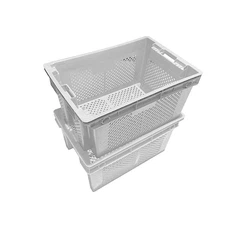
- Fresh Produce Logistics: Ventilated folding crates can support airflow around fruits and vegetables while allowing empty crates to collapse for return transport.
- Food Distribution: Reusable folding crates can support repeated distribution cycles where efficient empty-container storage is important.
- Warehouse Picking: Lightweight folding designs with ergonomic handling features can support frequent manual picking and replenishment operations.
- Cross-City Distribution: Folding crates can reduce the volume of empty containers transported back through longer distribution routes.
For these applications, the main value of folding crates comes from combining reusable transport performance with more efficient empty-container logistics.
Choose Rigid Pallet Containers for Heavy-Duty Industrial Handling
Rigid pallet containers and pallet containers are better suited to supply chains where structural stability and heavy-duty handling take priority over empty-container volume.
- Automotive Components: Rigid pallet containers can provide stable support for heavy or bulky automotive parts during repeated industrial handling.
- Industrial Machinery: Fixed-wall construction is suitable for transporting machinery components that require consistent container geometry and load support.
- Seafood Processing: Rigid pallet containers can support wet handling and repeated washing requirements in seafood processing environments.
- Meat & Poultry Processing: Solid-wall rigid pallet containers can provide durable containment for demanding processing and material-handling operations.
- Recycling & Waste Handling: Heavy-duty rigid pallet containers can accommodate bulky materials and repeated loading, stacking, and mechanical handling.
For these applications, rigid pallet containers provide greater value when load stability, stacking performance, and demanding handling conditions outweigh the need to minimize empty-return volume.
How Should Buyers Choose Between Folding Crates and Rigid Pallet Containers
Buyers should make the final decision by evaluating their actual circulation model rather
than choosing a crate solely from its advertised features.
Return Logistics Requirements
If empty crates frequently travel long distances or occupy expensive warehouse and vehicle space, buyers should place greater value on collapsibility and the resulting return-logistics efficiency.
Load & Handling Requirements
If products are heavy, bulky, frequently stacked, or primarily moved by forklifts and pallet trucks, buyers should prioritize structural stability and the rated load capacity of the selected crate.
Warehouse & Labor Workflow
If operations involve frequent manual picking and limited storage space, buyers should evaluate crate weight, handle design, folding speed, and compatibility with the existing warehouse workflow.
Total Logistics Cost
The more accurate purchasing calculation should include the initial crate price together with return transportation, storage, handling, replacement, and expected service-life costs throughout the circulation cycle.
What Should Buyers Customize Before Ordering
Before placing an order, buyers should align material, wall design, dimensions, accessories, and identification
features with the actual products and logistics equipment used in their operation.
Material Selection
Buyers should select PP, HDPE, or suitable food-grade materials according to product weight, operating conditions, temperature requirements, and applicable food-contact requirements.
Wall Design
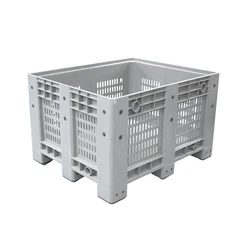
Solid walls can provide more enclosed product protection, while ventilated walls can improve airflow for applications such as fresh produce distribution.
Dimensions & Accessories
Custom dimensions, lids, wheels, drain holes, and inner dividers should be selected according to pallet dimensions, product geometry, handling equipment, drainage requirements, and internal organization needs.
Identification & Asset Tracking
Logo marking, barcode or label areas, and RFID integration can help companies identify reusable containers and improve asset tracking across larger distribution networks.
Enlightening Plast can support customized plastic container configurations by coordinating structural design, material selection, wall options, and accessory requirements for different logistics applications. Its manufacturing capabilities can also support OEM-oriented customization and production requirements from specification confirmation through finished container delivery.


Conclusion
There is no universally superior option when comparing folding crates vs rigid pallet containers, because the better choice depends on whether a supply chain places greater value on empty-return efficiency or heavy-duty structural performance. Folding crates are generally advantageous when space utilization and return logistics are major concerns, while rigid pallet containers are better suited to heavy loads, stable stacking, forklift handling, and demanding industrial circulation. If you need help matching crate structure, dimensions, materials, and accessories to your logistics workflow, contact a packaging specialist for a suitable configuration and sample evaluation.