How to Choose Durable Plastic Containers for Cold Chain Logistics
Cold chain logistics depends on more than refrigeration equipment. The containers used during transportation also play a key role in protecting temperature-sensitive products. Frozen food, seafood, pharmaceuticals, and other sensitive goods may travel through different environments, including warehouses, trucks, ports, and distribution centers. During this process, ordinary storage containers often struggle with temperature changes, repeated handling, moisture, and heavy workloads.A suitable cold chain container needs to provide stable protection, strong physical performance, and long service life. The right choice can reduce product loss, simplify warehouse operations, and support repeated transportation cycles.
For companies searching for reliable cold chain packaging solutions, choosing an experienced manufacturer is also a key step. Enlightening Plast Industry Co., Limited provides durable plastic containers, roto molded solutions, and customized logistics products designed for different industries, including food, fishery, manufacturing, and supply chain applications. With professional production facilities and quality control systems, the company supports customers who need reusable plastic containers for demanding logistics environments.

What Challenges Do Cold Chain Logistics Containers Need to Handle?
Cold chain transportation creates higher requirements for packaging compared with normal logistics. A container may need to maintain product quality during long-distance delivery while facing low temperatures, impact from handling equipment, frequent cleaning, and repeated use.
Maintaining Stable Temperature During Long Distance Transportation
Temperature control is the first factor you should consider when selecting cold chain plastic containers. For temperature-sensitive goods, insulation performance helps slow down temperature changes. This is especially important for seafood, frozen food, medical products, and biological materials that require stable conditions during delivery.
Insulated containers usually use special structural designs to reduce heat exchange between the inside and outside environment. Compared with standard plastic boxes, insulated models provide better protection when transportation time becomes longer or external temperatures change frequently.
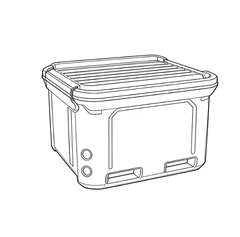
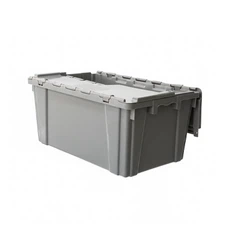
For example, the Plastics Polar Insulated Box is designed for applications that require temperature protection and durable transportation performance. Its insulated structure helps maintain internal conditions during logistics operations, making it suitable for food distribution, medical transportation, and other temperature-sensitive applications.

Protecting Goods From Impact and Handling Damage
Cold chain products often experience multiple handling processes before reaching the final destination. A seafood container may be moved from a processing facility to a cold storage warehouse, then loaded onto trucks and transferred again at distribution points.
During these steps, containers face impacts from stacking, lifting equipment, and frequent movement. Low temperatures can also influence plastic flexibility, making material selection more important.
Durable plastic containers usually require:
- Strong wall construction
- Impact-resistant materials
- Stable load-bearing performance
- Reliable sealing or structural protection
Roto molding technology is often used for heavy-duty plastic containers because it creates a seamless structure without weak joints. This design helps improve durability in harsh environments where containers are exposed to repeated transportation cycles.
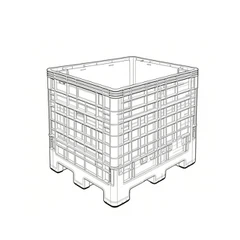
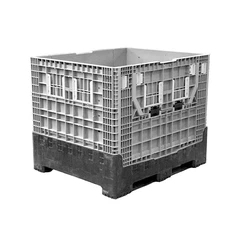
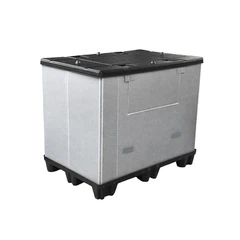
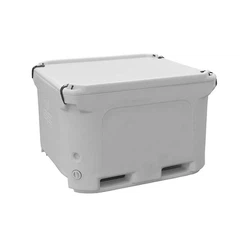
For larger logistics operations, Insulated Bulk Containers provide a practical option for bulk transportation. These containers are suitable for industries that need larger storage capacity while maintaining product protection during distribution.

Meeting Hygiene and Reusable Packaging Requirements
Cold chain industries, especially food and seafood sectors, pay close attention to hygiene management. Containers are often washed, sanitized, and reused many times. Poor material quality or complicated structures can increase cleaning difficulty and affect operational efficiency.
A good reusable plastic container should have:
- Smooth surfaces for easier cleaning
- Resistance to moisture and corrosion
- Long service life
- Stable performance after repeated use
This is one reason plastic containers have become common in modern cold chain supply chains. They reduce dependence on disposable packaging and support more consistent transportation processes.
Which Features Define Durable Plastic Containers for Cold Chain Applications?
Choosing the right container requires a closer look at technical details. Many buyers focus only on dimensions or price, but cold chain transportation places more attention on insulation ability, structural strength, cleaning requirements, and compatibility with existing logistics systems.
A durable container should match your actual working environment. A seafood processor, pharmaceutical distributor, and frozen food warehouse may all use cold chain packaging, but their requirements are different.
Insulation Performance for Temperature Sensitive Products
Insulation performance directly affects how well a container protects temperature-sensitive goods. During transportation, external heat can gradually enter the container. A well-designed insulated container slows this process and helps maintain a more stable internal environment.
When evaluating insulated plastic containers, you should check:
- Insulation material quality
- Container wall structure
- Lid design
- Expected transportation duration
The Plastics Polar Insulated Box combines insulation requirements with a durable plastic shell design. It is suitable for customers who need reusable temperature-controlled shipping containers.
For example, a seafood supplier shipping products across regions may require containers that maintain cold conditions while handling loading, unloading, and warehouse storage. In this situation, insulation performance and physical durability work together.
Structural Strength for Repeated Cold Chain Handling
Cold chain containers are often part of a continuous circulation system. They move between suppliers, warehouses, retailers, and processing facilities. A container used only once has different requirements from one expected to operate for years.
LLDPE is widely used in industrial plastic containers because it provides good impact resistance, chemical resistance, and durability. Combined with proper molding technology, LLDPE containers can handle demanding logistics environments.
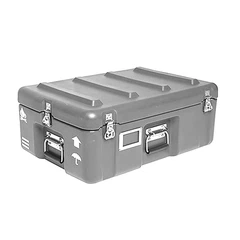
The Roto Molded Plastic Containers category includes solutions designed for industries requiring strong and reliable transportation equipment. These containers are suitable for applications where repeated use and long-term performance matter.
Stackability and Space Efficiency in Cold Storage
Space utilization is another factor that affects cold chain efficiency. Cold storage facilities usually operate with limited space, and transportation costs are closely related to how products are arranged during shipment.
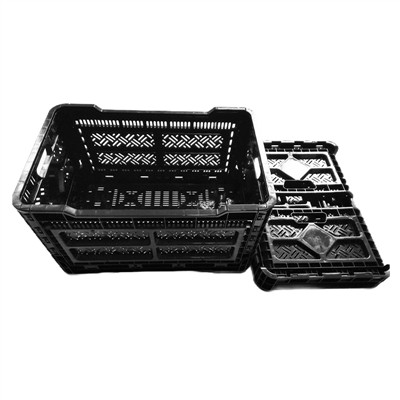
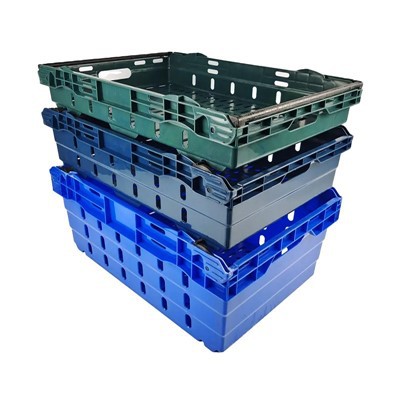
A well-designed cold chain container should fit existing warehouse systems and transportation methods. Stackable structures help reduce unused space, while standardized dimensions make handling easier with pallets, racks, and material handling equipment.
For distribution companies, this small design detail can make a difference. Containers that stack safely reduce the risk of falling during storage and help operators manage inventory more efficiently.
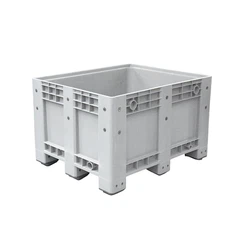
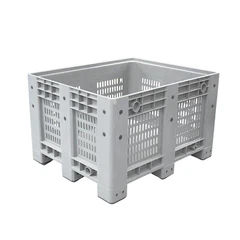
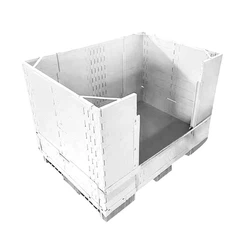
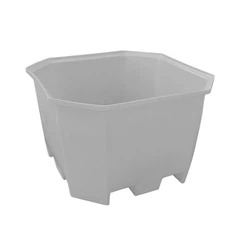
Plastic pallet boxes and reusable bulk containers are often selected for large-scale logistics because they provide higher capacity and better space management. Plastic Pallet Boxes are commonly used in supply chain operations where durability, loading efficiency, and repeated transportation are required.
How to Choose Cold Chain Containers for Different Industries?
Different industries have different expectations for cold chain packaging. A container used for seafood transportation may focus more on drainage, hygiene, and insulation, while a pharmaceutical application may require stricter temperature stability and protection.
Before purchasing cold chain plastic containers, you should consider the product type, transportation distance, storage environment, and handling process. The right container should match the complete logistics process, not only the transportation stage.
Food and Seafood Cold Chain Transportation
Food and seafood supply chains often involve frequent loading and unloading. Fish, meat, fruits, and other fresh products need packaging that can handle moisture, low temperatures, and repeated cleaning.
Seafood transportation is a typical example. Containers used in this industry must maintain freshness while resisting water exposure and daily handling pressure.
The Polar Insulated Fish Boxes are designed for fishery and seafood applications where insulation and durability are both required. The insulated structure helps protect seafood during transportation, while the strong plastic body supports repeated use in demanding working conditions.
Pharmaceutical and Temperature Sensitive Logistics
Pharmaceutical logistics requires a higher level of reliability because temperature changes may affect product quality. Transportation containers need to provide consistent protection during storage transfer, delivery, and temporary holding.
In these situations, insulated plastic containers with strong structural protection can support safer transportation. The container design should reduce external temperature influence while protecting the contents from physical damage.
The Plastics Polar Insulated Box is suitable for temperature-sensitive applications where reliable protection is required. It can be used for medical supplies, laboratory materials, and other products that require controlled transportation conditions.
When selecting containers for pharmaceutical cold chain operations, buyers should also consider cleaning requirements, transportation frequency, and compatibility with existing logistics procedures.
Large Volume Cold Chain Distribution
Large food suppliers and logistics providers often need containers that can handle higher loading capacity. Small boxes may work for individual shipments, but bulk distribution requires stronger solutions.
Insulated Bulk Containers are designed for these situations. They provide larger storage capacity while maintaining the advantages of reusable plastic packaging.
For example, food processing facilities may use bulk containers to move products between production areas, cold storage rooms, and distribution centers. The container needs to support efficient handling while maintaining product protection throughout the process.
Why Choose Enlightening Plast Industry for Cold Chain Plastic Containers?
Selecting the right product is only one part of building a reliable cold chain system. The manufacturer behind the product also affects quality consistency, customization ability, and long-term cooperation.
A professional plastic container supplier should understand different industries and provide products that fit actual working conditions. This includes material selection, production control, product inspection, and customized design support.
Manufacturing Capability for Reliable Plastic Container Production
Enlightening Plast Industry Co., Limited focuses on the development and manufacturing of plastic containers for logistics, industrial, agricultural, and commercial applications. The company provides solutions including roto molded plastic containers, plastic pallet boxes, and reusable transportation products.
With dedicated production facilities, the company supports large-volume orders while maintaining consistent manufacturing standards. This capability is especially useful for customers who need stable supply for regional distribution networks or long-term logistics projects.
Through its manufacturing experience, Enlightening Plast Industry Factory Information demonstrates its ability to handle professional plastic production requirements, from raw material processing to finished product inspection.
Quality Control for Long-Term Cold Chain Applications
Cold chain containers often operate in challenging environments. A small quality issue can lead to product damage, transportation delays, or additional operating costs.
Quality control should cover material selection, molding processes, structural inspection, and final product checks. Consistent production standards help containers maintain stable performance during repeated use.
Enlightening Plast Industry follows quality management practices to support customers who require durable plastic containers for logistics applications. More details about production standards and inspection procedures can be found through its Quality Control System.
Custom Solutions for Different Logistics Requirements
Cold chain operations are not always the same. Some customers need specific dimensions, special structures, or container designs that fit existing equipment.
Customization can include size adjustments, structural improvements, and application-based modifications. This is useful for companies operating specialized supply chains where standard containers may not fully match their workflow.
Through Custom Plastic Container Solutions, Enlightening Plast Industry supports customers looking for packaging solutions designed around their transportation and storage requirements.

How Can Durable Plastic Containers Improve Cold Chain Efficiency?
Durable plastic containers influence more than product protection. They also affect transportation costs, warehouse management, and overall supply chain stability.
Compared with disposable packaging, reusable containers can support repeated circulation. This helps companies reduce packaging replacement frequency and build more predictable logistics operations.
Reducing Packaging Waste Through Reusable Containers
Reusable plastic containers are becoming more common in modern logistics because they provide long-term value. A container that can be cleaned, reused, and transported multiple times can reduce the need for frequent packaging purchases.
For industries such as food processing, agriculture, and distribution, reusable solutions also support more organized inventory management.
Improving Supply Chain Reliability With Durable Designs
A reliable container helps reduce unexpected problems during transportation. Strong structures, suitable insulation, and practical designs allow products to move through different logistics stages with fewer risks.
Whether used in seafood distribution, frozen food transportation, or industrial supply chains, durable plastic containers help create a more stable operation.
What Should Buyers Consider Before Selecting Cold Chain Plastic Containers?
Before making a purchase decision, you should evaluate how the container will be used in daily operations. The best choice depends on several factors, including temperature requirements, loading conditions, cleaning processes, and transportation methods.
Evaluating Temperature Requirements and Application Conditions
Start by identifying the required temperature range and transportation time. Short-distance delivery and international cold chain shipping may require different insulation performance.
Checking Load Capacity and Operational Compatibility
Container size and load capacity should match your warehouse and transportation systems. Consider how containers are stacked, moved, and stored during daily operations.
Compatibility with forklifts, pallets, and handling equipment can improve efficiency and reduce unnecessary adjustments.
Working With an Experienced Plastic Container Manufacturer
A reliable manufacturer provides more than products. Technical support, customization ability, and production experience all influence the success of a long-term supply relationship.
Enlightening Plast Industry Co., Limited provides professional plastic container solutions for customers across different industries. With experience in cold chain packaging, logistics containers, and customized plastic products, the company helps businesses select suitable solutions for their transportation needs.
FAQ
Q1: What Type of Plastic Containers Are Suitable for Cold Chain Logistics?
A: Durable insulated plastic containers made from strong materials such as LLDPE are commonly used for cold chain logistics. They provide temperature protection, impact resistance, and reusable performance for food, seafood, medical, and industrial applications.
Q2: Why Are Insulated Plastic Containers Important for Temperature Sensitive Products?
A: Insulated plastic containers help slow temperature changes during transportation. They provide better protection for products that require stable conditions, especially during long-distance shipping and frequent handling.
Q3: How Do I Choose Between Insulated Boxes and Bulk Containers?
A: Insulated boxes are suitable for smaller shipments or temperature-sensitive products, while insulated bulk containers are better for larger volume transportation and distribution operations. The right option depends on product type, capacity needs, and logistics processes.
Q4: Can Cold Chain Plastic Containers Be Customized?
A: Yes. Enlightening Plast manufacturers can provide customized solutions based on size, structure, application requirements, and transportation conditions.