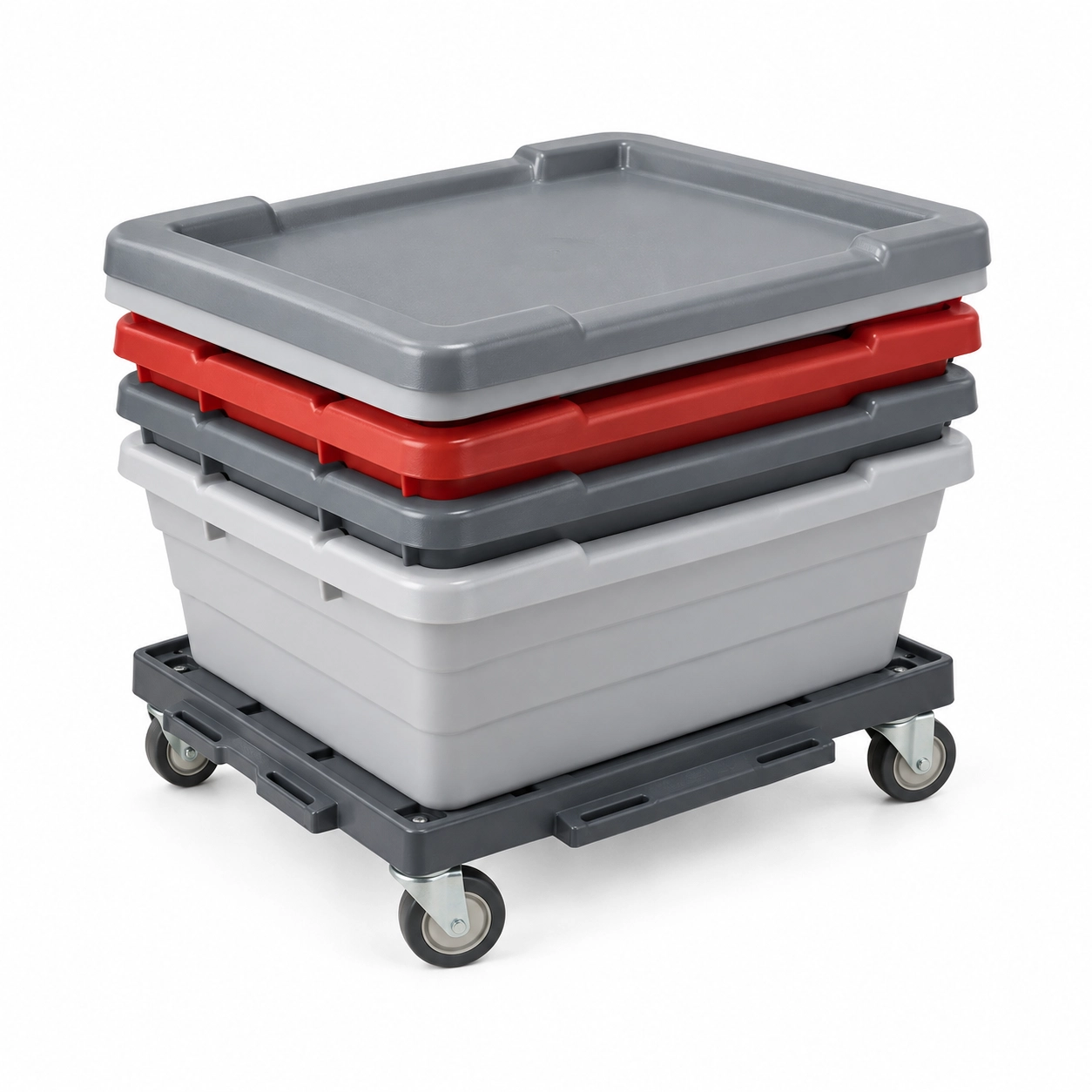
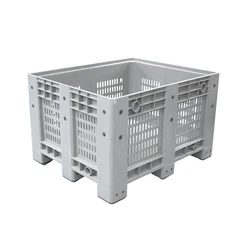
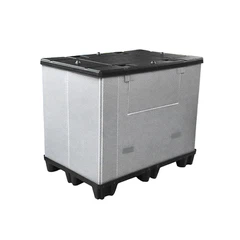
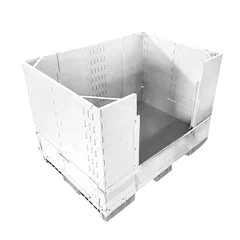
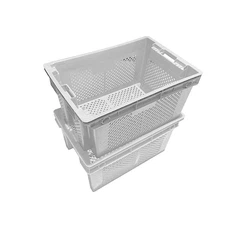
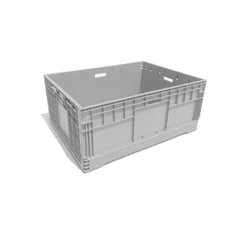
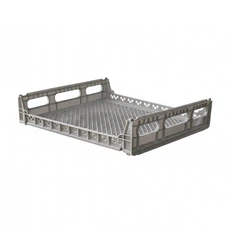
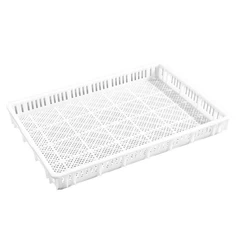
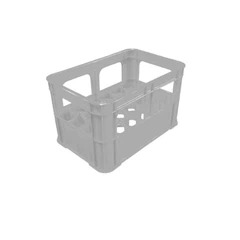
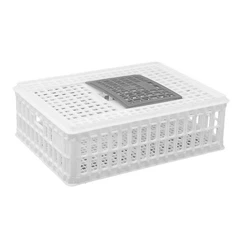
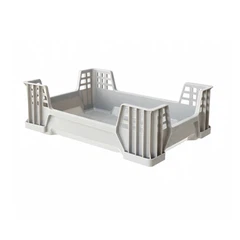
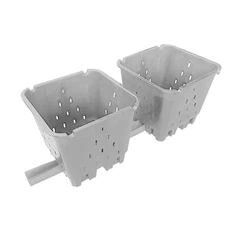

Manufacturing teams can lose time and money when parts are damaged, mixed up, or stored in unsuitable containers. Choosing the right plastic turnover crates helps keep materials organized and supports smooth production. I choose plastic turnover crates based on the parts being handled, load requirements, and factory workflow. The right design helps workers move components, store work-in-progress, and return empty crates with less wasted space. I treat turnover crates as part of the factory's internal logistics system. Before choosing a model, I look at its structure, material, dimensions, and compatibility with existing equipment.
What Are Plastic Turnover Crates for Manufacturing?
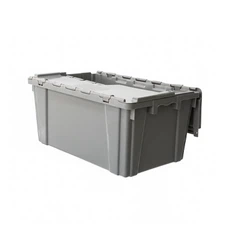
Plastic turnover crates are reusable containers that factories use to store and move parts between production stages. They keep components together during handling and help workers organize materials at assembly stations, inspection areas, and warehouses.
I recommend reusable crates for operations that move the same parts regularly. Compared with disposable packaging, they can reduce repeated packaging purchases when the crates are returned and reused effectively.
What Types of Plastic Turnover Crates Do I Use in Manufacturing?
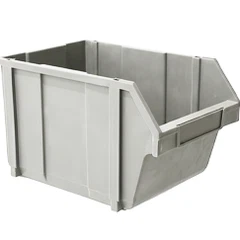
I choose crate types based on the products, handling methods, and storage conditions. The main options include stackable, nestable, heavy-duty, compartment, and ESD crates.

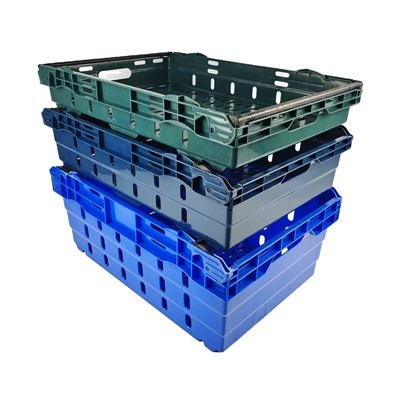
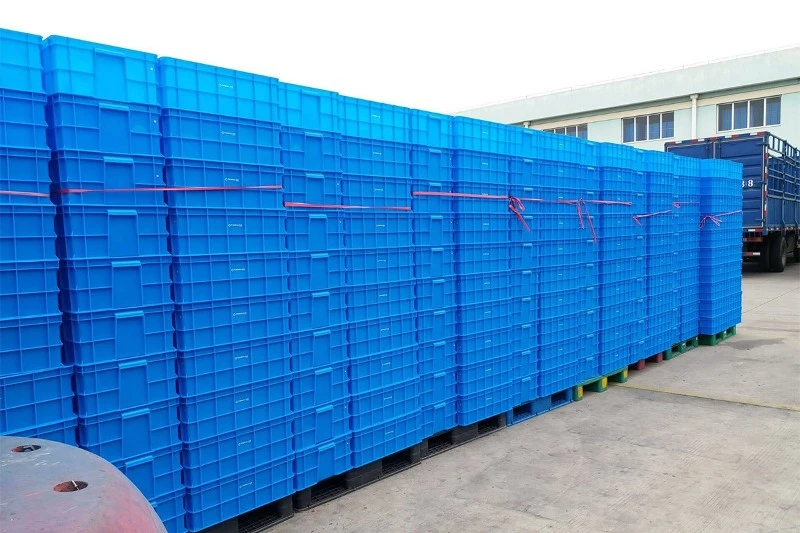
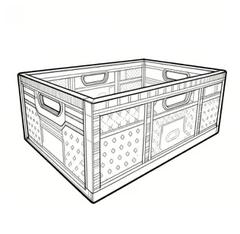
I use stackable crates for parts storage, line-side supply, and warehouse handling. Their design helps organize loaded containers vertically and makes better use of available space.
I check the stacking structure, base strength, and load rating before selecting a model. For example, stackable warehouse and logistics plastic crates are worth considering when factories need organized storage and regular material movement.
Industrial Plastic Turnover Crates
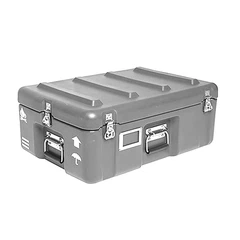
I recommend industrial plastic turnover crates for factories handling machine parts, metal components, and other industrial products. Their design supports routine storage, internal transport, and repeated handling in manufacturing environments. When choosing a crate, I check the dimensions, loaded weight, and handling method to find a suitable option for the application.
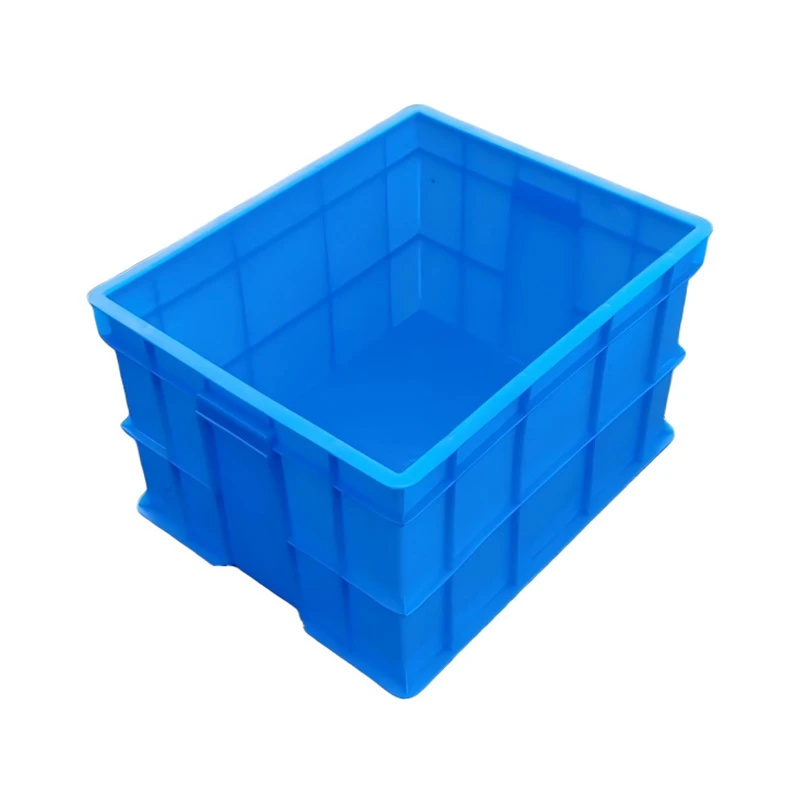

Plastic Transportation and Storage Crates
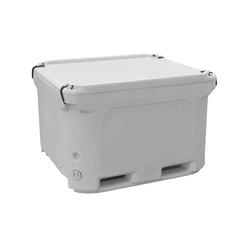
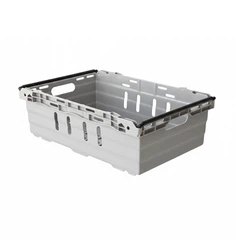
I choose plastic transportation and storage crates when products need to move between workstations, warehouses, or distribution points. The right crate helps keep items organized during handling and storage. Before selecting a model, I check the available space, product dimensions, stacking requirements, and transport conditions.
Where Do I Use Plastic Turnover Crates in Manufacturing?
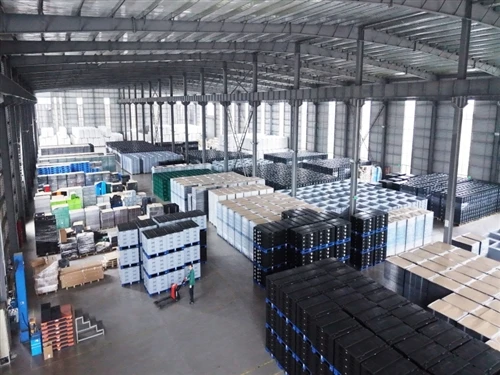
I use turnover crates to move materials through different production stages. The crate design should match the parts and the handling process in each area.
Automotive manufacturing: I use crates for fasteners, fittings, machined components, and assembly parts.
Electronics assembly: I use compartment or ESD crates when components need separation or electrostatic protection.
Machinery production: I check load capacity and base strength when storing metal parts and machine components.
Work-in-progress transfer: I use crates to move parts between machining, inspection, and assembly stations.
Finished goods handling: I use consistent crate sizes to organize products before storage or packing.
For these applications, I consider plastic transportation and storage boxes when comparing containers for repeated handling and internal logistics.
How Do I Choose the Right Plastic Turnover Crates?
I start with the parts and the factory workflow rather than the unit price alone. I check material, dimensions, load capacity, crate structure, and compatibility with handling equipment.
Material, Dimensions, and Load Capacity
I compare PP and HDPE based on the working conditions. PP often offers good stiffness, while HDPE is commonly selected for its impact resistance. Actual performance depends on the material grade and crate design.
|
Selection Factor |
What I Check |
|
Material |
PP, HDPE, or suitable ESD material |
|
Dimensions |
Internal size, external size, and part fit |
|
Load capacity |
Rated load under actual working conditions |
|
Stacking |
Stability and permitted stack height |
|
Environment |
Temperature, moisture, cleaning, and impact |
|
Equipment |
Compatibility with racks, conveyors, trolleys, and pallets |
I measure the parts and compare them with the crate's internal dimensions. I also check the external dimensions against the factory's equipment. For load capacity, I distinguish between dynamic load during movement, static load under stationary conditions, and stacking load. These ratings are not interchangeable. I request the relevant specifications when the crates will carry heavy parts or remain stacked for long periods.
Stackable or Nestable Designs?
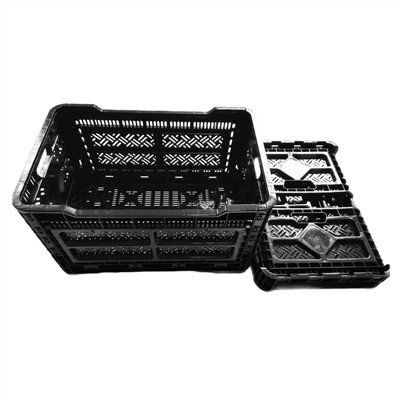
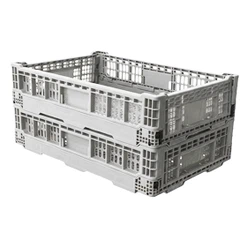
I choose stackable crates when loaded containers need to be stored vertically. I choose nestable crates when empty containers need to take up less space.
I also consider lids, dividers, handles, and label holders. I add these features only when they support a clear handling or storage need.
Before ordering, I confirm that the crate fits the factory's racks, conveyors, pallets, or automated handling equipment. A sample test can help identify problems that are not obvious from dimensions alone.
Are Plastic Turnover Crates Better Than Cardboard or Metal Containers?
I compare these options based on reuse frequency, product weight, handling conditions, and total operating cost.
Plastic crates are suitable for many repeated handling tasks because they can be reused and are generally easy to clean. Cardboard boxes may be suitable for lightweight products or one-way shipments. Metal containers may fit certain demanding industrial applications but can be heavier. I compare purchase cost, service life, cleaning, damage, and return transport before making a decision. I do not assume plastic crates always cost less; the result depends on how the factory uses them.
What Should I Check Before Ordering Plastic Turnover Crates?
I check product specifications, sample performance, production consistency, and delivery terms before placing a bulk order.
Sample Testing and Quality
I test samples with the actual parts and normal loading quantities. I check stacking, lifting, unloading, and compatibility with the equipment used in production. I also ask about material specifications, load ratings, dimensional tolerances, and relevant performance tests. For sensitive applications, I request supporting data for requirements such as ESD protection or low-temperature use.
MOQ, Customization, and Lead Time
I confirm the minimum order quantity (MOQ), sample availability, production lead time, packaging, and shipping terms. I also check whether the supplier can customize colors, logos, dimensions, lids, and dividers.
Plastic Turnover Crates from Enlightening Plast
Enlightening Plast supplies plastic turnover crates and reusable industrial packaging for manufacturing, warehousing, and material handling. Enlightening Plast's injection molding and roto-molding capabilities support different product requirements, with OEM and ODM options for customized sizes, colors, and designs.
Conclusion
I select plastic turnover crates by matching the material, dimensions, load capacity, and structure to the factory's workflow.
Frequently Asked Questions
Q: Can Enlightening Plast customize plastic turnover crates?
A: Yes. Enlightening Plast offers OEM and ODM customization options.
Q: What information should I provide when requesting a quotation?
A: Please provide the required crate dimensions, load weight, order quantity, and handling method.
Q: Which industries use plastic turnover crates?
A: Plastic turnover crates are commonly used in manufacturing, automotive parts handling, electronics, warehousing, and distribution.
Q: Can plastic turnover crates be reused for repeated material handling?
A: Yes. Plastic turnover crates are designed for repeated use in suitable handling conditions. Their service life depends on the plastic material, crate structure, load weight, handling frequency, and operating environment.
Q: How do choose the right plastic turnover crate for my business?
A: Start by checking the product dimensions, loaded weight, storage space, stacking requirements, and transport method. Enlightening Plast can review these requirements to help identify suitable options.