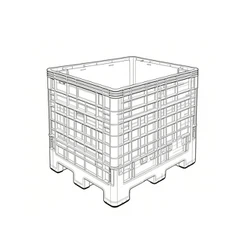
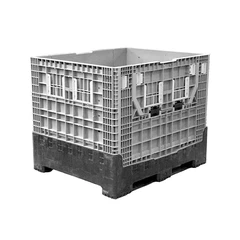
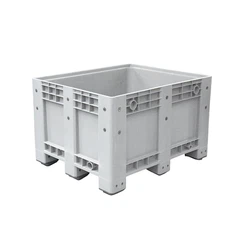
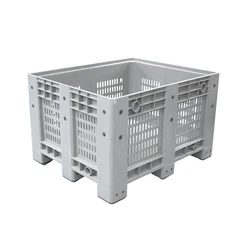
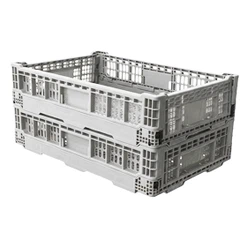
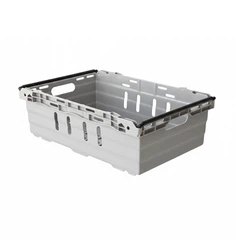
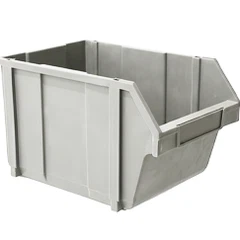
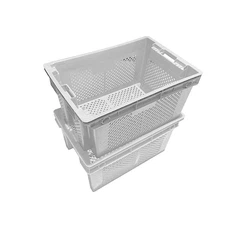
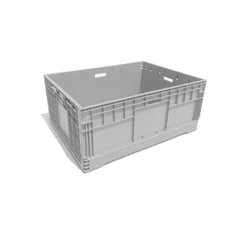
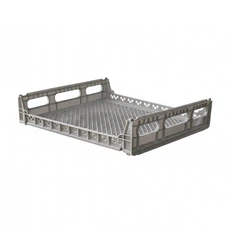
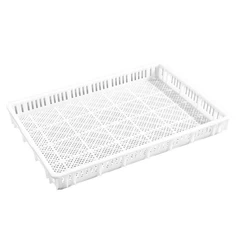
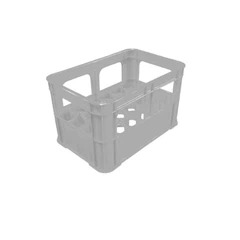
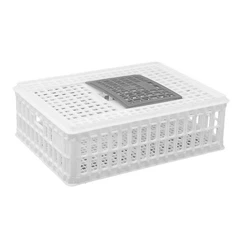
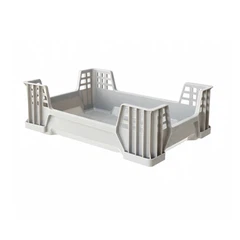

Plastic crates used in food processing must meet hygiene, temperature, and handling requirements. Choosing the wrong design can increase cleaning time, damage products, and raise replacement costs. I recommend comparing food contact compliance, material, crate design, load capacity, and total cost before placing a bulk order. The right choice depends on the food being handled and the conditions of your processing line.
What Should You Consider When Choosing Plastic Crates for Food Processing?
I focus on four factors when selecting crates for food production: material safety, cleaning requirements, temperature resistance, and load capacity.
Food Contact Safety and Material Suitability
Choose crates made from materials suitable for their intended food contact conditions. Ask for relevant compliance documents and confirm whether the product meets the requirements of your target market.
Cleaning, Drainage and Hygiene Requirements
Crates should have surfaces that are easy to inspect and clean. Drainage holes help remove water after washing, while smooth internal surfaces reduce areas where food residue can collect.
Temperature Resistance and Impact Performance
Check the actual operating temperature, including cold storage, washing, and transport. The crate must also withstand regular handling without cracking or losing its shape.
Load Capacity, Stacking and Handling
Confirm the weight of the food in each crate and the number of loaded crates stacked together. Check stability during forklift handling, manual movement, and conveyor transfer.
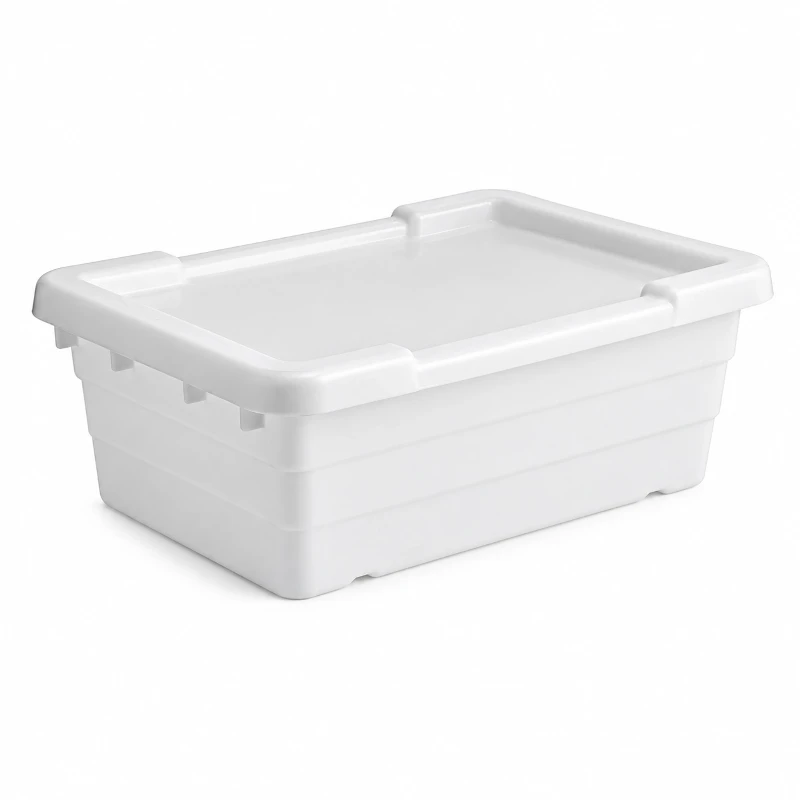
How to Choose Plastic Crates for Different Food Processing Applications?
Different foods require different crate designs. I recommend matching ventilation, drainage, capacity, and strength to the product and each processing stage.
Plastic Crates for Meat Processing
Meat processing crates need to support frequent washing and repeated handling. Choose a design that allows effective cleaning and provides enough strength for the expected load. Confirm whether drainage holes are required for your process.
Plastic Crates for Fish and Seafood Processing
Fish and seafood crates often need good drainage to remove meltwater and washing water. For chilled handling, check low-temperature performance and resistance to impact during loading and unloading.
Plastic Crates for Fruit and Vegetable Processing
Ventilated crates help air circulate around fresh produce and allow water to drain. Select suitable dimensions and ventilation openings to support the produce without causing unnecessary bruising or loss.
Plastic Crates for General Food Manufacturing
For packaged ingredients, food components, and production materials, consider solid-wall or ventilated designs based on the contents. Crate dimensions should fit your workstations, storage racks, and handling equipment.

Which Plastic Material Is Best for Food Processing Crates?
HDPE and PP are common options for reusable plastic crates. I recommend selecting the material according to temperature, impact, cleaning, and load requirements rather than price alone.
HDPE Crates for Cold Storage and Repeated Handling
HDPE is often considered for crates used in cold environments and repeated handling. Actual performance depends on the grade, crate structure, and operating temperature, so request test information for your intended conditions.
PP Crates for Specific Processing and Handling Conditions
PP can suit applications that require a rigid crate structure and repeated use. Its performance varies by formulation and design, so check temperature limits and impact resistance before ordering.
HDPE vs. PP: Key Differences for Buyers
Compare both materials under the same operating conditions. Consider low-temperature impact, stiffness, loaded stacking, cleaning cycles, and expected service life. A sample test can help verify whether the crate meets your requirements.
How to Verify Food Contact Compliance
Do not assume that every HDPE or PP crate is food grade. Ask the manufacturer for applicable declarations, test reports, or certificates, and confirm that they cover the specific material and intended use.

Which Crate Design Is Right for Your Processing Line?
Crate design affects hygiene, storage, and handling efficiency. I suggest choosing the wall and base structure according to the food product and the way crates move through your facility.
Ventilated Crates for Airflow and Drainage
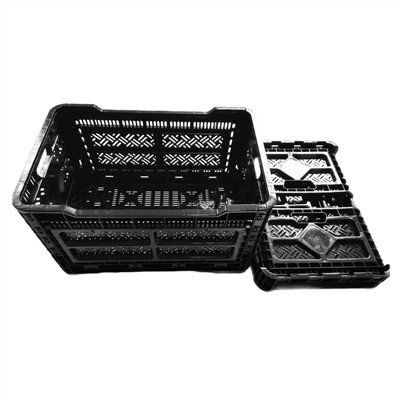
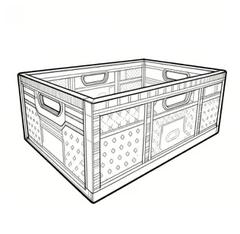
Ventilated sides and bases support airflow and water drainage. They are often useful for fresh produce, fish, and applications where washing water must escape.
Solid-Wall Crates for Containing Small Items and Liquids
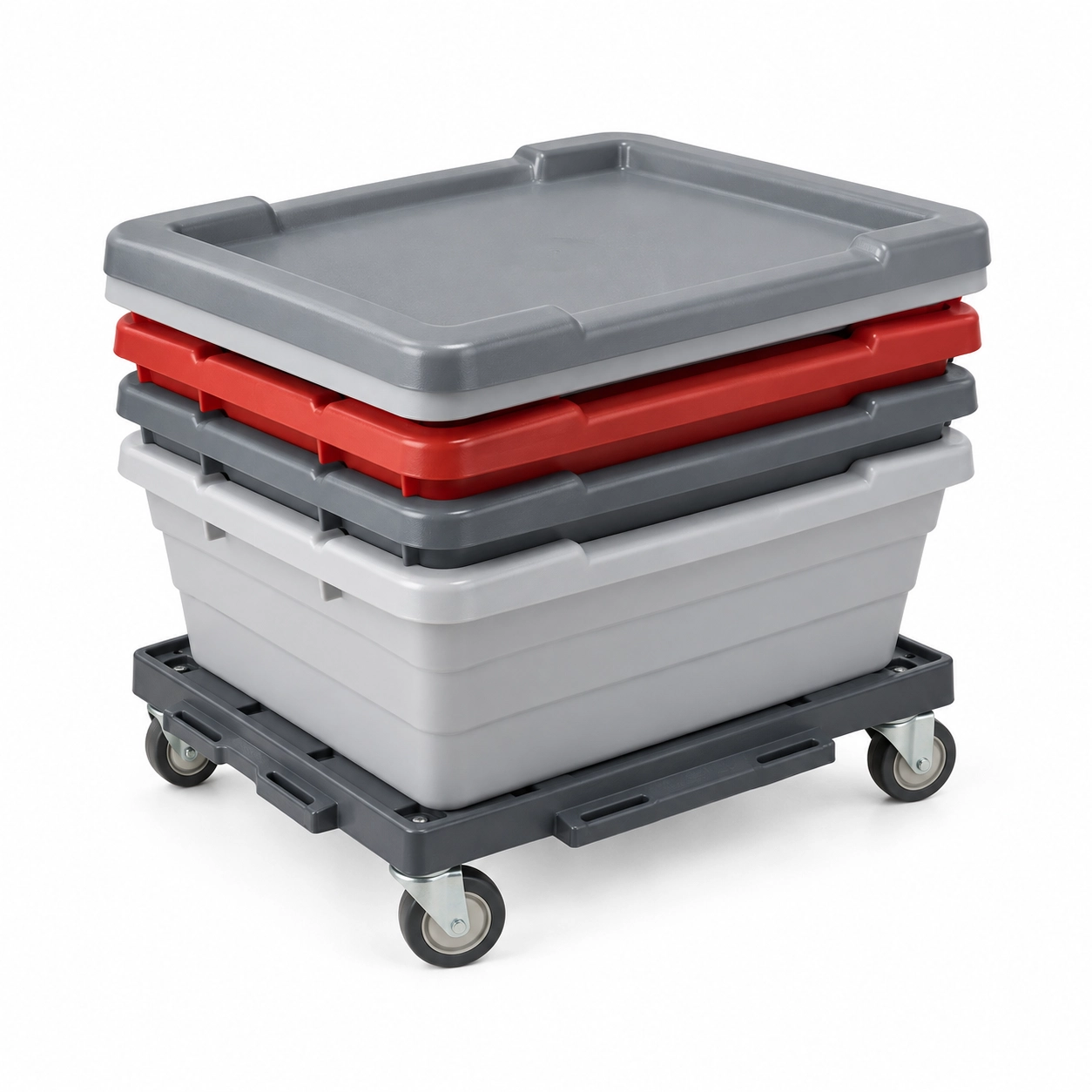
Solid walls help contain small components and loose products. They may also reduce leakage through the sides, but they are not automatically watertight. Confirm the design before using them for liquids.
Perforated Bases vs. Solid Bases
A perforated base supports drainage, while a solid base helps retain small items and food residue for controlled collection. Choose according to cleaning procedures and product requirements.
Stackable Crates for Loaded Storage
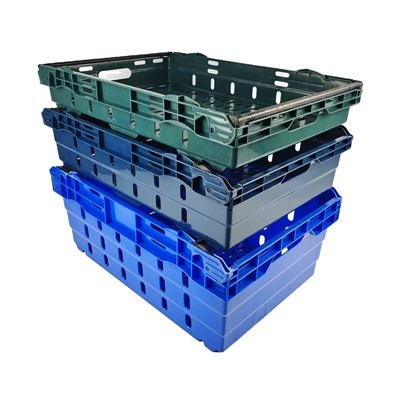
Stackable crates help organize loaded products in storage and production areas. Check whether the stacking features align correctly and support the expected load.
Nestable Crates for Empty Return Transport
Nestable crates reduce the space required for empty storage and return transport. Actual savings depend on the crate design and nesting height.
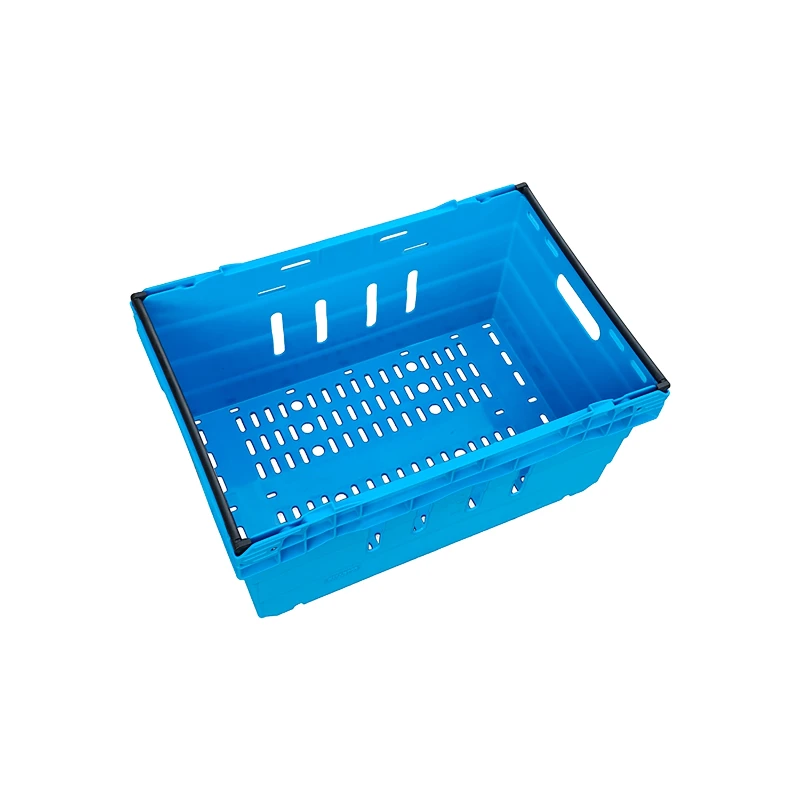
How to Select the Right Crate Size and Load Capacity?
The right dimensions help prevent product damage and improve handling. I recommend checking the product size, usable internal space, loaded weight, and equipment compatibility together.
Match Crate Dimensions to Products and Processing Equipment
Measure the products and confirm the available space on conveyors, racks, and workstations. External dimensions alone are not enough; internal dimensions determine how much usable space is available.
Check Internal Capacity and Usable Space
Compare internal dimensions and capacity with the volume and weight of your products. Avoid overfilling crates, as this can affect stacking stability and product condition.
Confirm Loaded Stacking Stability
Ask for static and dynamic load ratings where applicable. Test the crates under realistic stacking conditions, especially when they are used in high-volume storage.
Consider Manual Handling and Automated Conveyors
Check the loaded weight for workers who lift crates manually. For automated lines, confirm dimensional consistency, base design, and compatibility with conveyor or sorting equipment.
What Hygiene and Temperature Requirements Should You Check?
A suitable crate must fit your cleaning process and operating environment. I recommend confirming these conditions before choosing a material or placing a large order.
Surface Design and Cleaning Access
Look for surfaces and corners that can be reached during washing and inspection. Avoid designs that make food residue difficult to remove.
Compatibility With Cold Rooms and Freezer Conditions
Confirm the minimum operating temperature and test the crate under actual loading conditions. Low-temperature performance can vary by material grade and wall thickness.
Resistance to Cleaning Agents and Wash Cycles
Check whether the crate can withstand your cleaning agents, water temperature, and washing frequency. Ask the manufacturer for relevant test data when crates will pass through repeated wash cycles.
Inspection, Damage and Crate Replacement
Inspect crates for cracks, sharp edges, deformation, and damaged stacking features. Remove damaged crates from circulation to reduce contamination risks and handling problems.
How Much Do Food Processing Plastic Crates Cost?
The unit price is only one part of the purchase cost. I recommend comparing specifications, expected service life, cleaning needs, and return transport before choosing a supplier.
Material, Weight and Structural Design
Material grade, crate weight, wall thickness, and reinforcement affect pricing. Compare products with similar specifications rather than choosing by price alone.
Order Quantity, Customization and Tooling
Bulk quantities may affect unit pricing. Custom colors, logos, dimensions, or structures may also change costs and lead times. Confirm minimum order quantities before requesting a quotation.
Cleaning, Storage and Return Logistics
Crates that are difficult to clean or take up too much space when empty can increase operating costs. Nestable designs may reduce empty return volume where the application allows them.
Total Cost of Ownership, Not Just Unit Price
Consider purchase price, expected reuse, cleaning, damage, replacement, and transport. A crate with a higher initial price may be more economical if it performs better under your actual operating conditions.
How to Choose a Reliable Plastic Crate Manufacturer?
I recommend evaluating a manufacturer's production capacity, quality checks, documentation, and ability to supply consistent products for repeat orders.
Check Manufacturing Capabilities and Quality Control
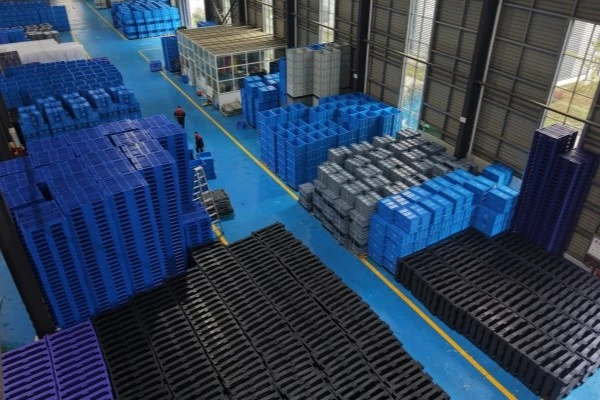
Ask about production equipment, material control, dimensional checks, and finished-product inspection. Consistent manufacturing matters when you need large quantities of crates with matching specifications.
Request Samples and Product Specifications
Test samples with your actual products and handling equipment. Confirm dimensions, weight, material, load ratings, and cleaning requirements before approving a bulk order.
Verify Food Contact Documents and Test Reports
Request documents relevant to your target market and application. Check that the reports match the supplied product and material rather than relying on general company claims.
Confirm MOQ, Lead Time and Customization Options
Discuss order quantity, production schedule, available colors, logo printing, and structural changes. Confirm all agreed specifications in writing before production.
Compare Quotations Based on the Same Requirements
Send each supplier the same dimensions, material, load requirements, quantity, and compliance needs. This makes price and product comparisons more meaningful.
Find the Right Plastic Crates for Your Food Processing Operation
I recommend confirming your food type, operating temperature, cleaning method, load, and equipment dimensions before selecting a crate.
Match Crate Specifications to Your Processing Needs
Prepare your required dimensions, material, quantity, and operating conditions so the proposed crate matches your process.
Request Samples and Bulk Order Pricing
Test samples before placing a large order, then compare quotations based on the same specifications and order quantity.
Request a Quote for Food Processing Crates
Contact Enlightening PLAST to discuss your food processing crate requirements, customization options, and bulk order pricing.
FAQ
Q: Are All Plastic Crates Suitable for Food Processing?
A: No. Confirm the material's suitability for the intended food contact conditions and request relevant documentation.
Q: Are HDPE or PP Crates Better for Meat and Fish?
A: Either may be suitable. Compare low-temperature performance, impact resistance, cleaning needs, and the requirements of your processing line.
Q: Should Food Processing Crates Have Drainage Holes?
A: Drainage holes are useful when water needs to escape. Solid bases may be better for small items or applications that require contents to be retained.
Q: Can Plastic Crates Be Used in Cold Rooms?
A: Yes, if the material and crate design are rated for the actual operating temperature. Confirm performance with the manufacturer.
Q: How Often Should Food Processing Crates Be Replaced?
A: Replace crates when cracks, deformation, damaged edges, or other defects affect hygiene or safe handling. Inspection frequency should match usage and cleaning conditions.
Q: Can Meat, Fish and Other Food Crates Be Customized?
A: Many manufacturers offer options for dimensions, colors, logos, handles, and drainage patterns. Confirm feasibility, MOQ, and lead time before ordering.