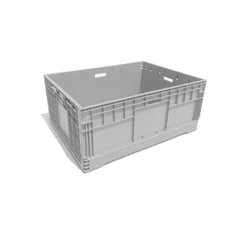
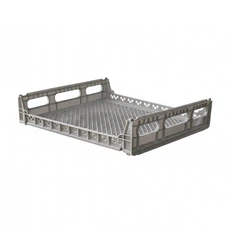
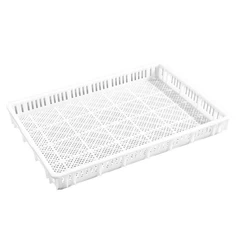
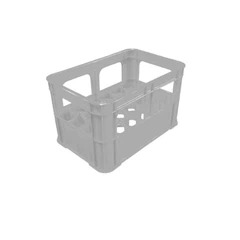

Introduction
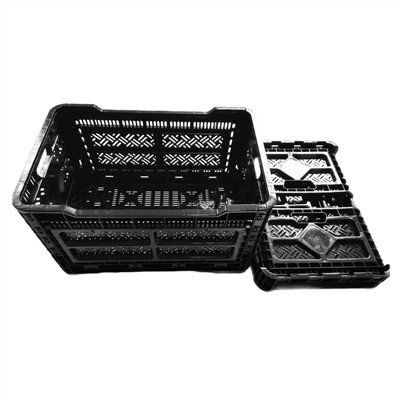
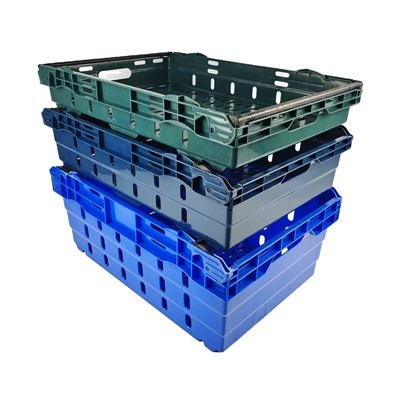
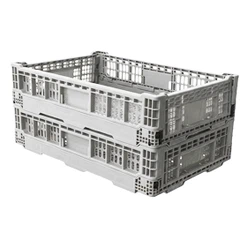
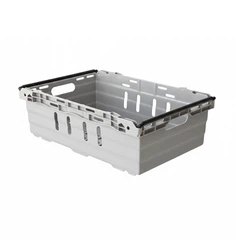
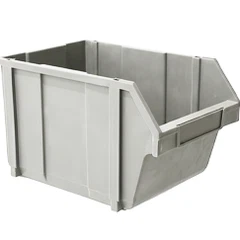
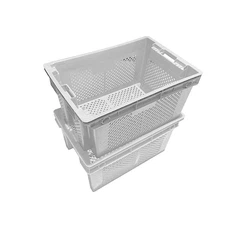
Poultry transport creates hidden costs through dead-on-arrival (DOA) losses, heat stress, physical injuries, and frequent crate replacement. For poultry farms, processing plants, and transport operators, choosing the right poultry transport crates can help protect bird welfare, preserve product value, and improve logistics efficiency. The right combination of crate dimensions, ventilation, hygiene, and structural durability can make a measurable difference to long-term operating costs.

How to Choose Poultry Transport Crate Sizes
Selecting the correct crate dimensions helps balance bird comfort, loading efficiency, vehicle capacity, and transport safety.
Large Birds: Broilers, Ducks, and Turkeys: Larger formats, such as 900 × 600 × 405 mm or suitable models within the 1160 × 760 mm series, may provide more room for larger birds to adjust their posture, but buyers must verify internal clearance, load capacity, and species-specific space requirements before ordering.
Standard Broilers & Smaller Poultry: Crates measuring 750 × 550 × 250 mm or 750 × 550 × 270 mm can offer a practical balance between loading density, manual handling, and truck space utilization, provided the dimensions suit the birds and the intended transport conditions.
Stacking Height & Load Distribution: Crate heights ranging from 220 mm to 405 mm affect the number of stackable layers, total vehicle payload, and available airflow, so buyers should evaluate rated stacking strength, loaded crate weight, and bird density together rather than maximizing capacity alone.

Ventilation Design & Heat Stress Control
Effective ventilation helps remove metabolic heat and moisture while supporting more stable conditions throughout a loaded vehicle.
Continuous Airflow Through Stacked Crates
Strategically distributed ventilation openings on multiple sides help air move through stacked poultry transport crates, reducing stagnant zones and supporting heat dissipation when the crate layout does not obstruct airflow.
Matching Crate Design to Transport Conditions
Buyers should assess ventilation performance alongside vehicle airflow, stocking density, ambient temperature, humidity, journey duration, and stationary loading periods because even well-ventilated crates cannot independently prevent heat stress under poor transport conditions.
Door Design & Bird-Friendly Handling
The right access design can simplify loading and unloading while reducing unnecessary handling time and the risk of bird injuries.
Sliding Doors for Processing Lines
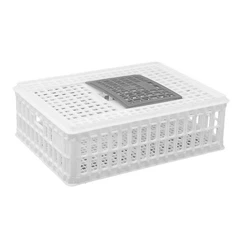
Sliding-door crates can support automated or semi-automated processing operations by providing controlled access for bird removal without requiring workers to open an entire lid, helping streamline repetitive handling tasks.
Large Openings for Farm Loading
Fixed or hinged-lid designs with sufficiently large openings can give catching teams more room to place birds securely into crates, provided the opening dimensions and loading procedure suit the birds and handling equipment.
Smooth Corners & Secure Latches
Smooth internal surfaces, rounded edges, and reliable closures help reduce snagging, scratches, bruising, and escape risks, protecting bird welfare and reducing avoidable losses in saleable product value.
Hygiene, Cleaning & Biosecurity
Crate hygiene is essential for controlling contamination risks and maintaining an efficient return cycle between farms, processing facilities, and transport vehicles.
Smooth HDPE Surfaces & Cleanability
Virgin high-density polyethylene (HDPE) offers low water absorption and a practical surface for repeated cleaning, while smooth interiors and accessible corners help operators remove organic residues that could otherwise compromise sanitation.
A Practical Cleaning & Disinfection Sequence
An effective cleaning and disinfection process typically involves removing coarse debris and pressure-washing, applying a suitable detergent, rinsing thoroughly, and then using an approved disinfectant according to its label and the facility's biosecurity protocol.
Reducing Turnaround Delays
Crates with smooth surfaces, effective drainage, and durable construction can simplify washing and drying, helping transport operators return equipment to service sooner without compromising required cleaning, disinfection, or drying procedures.
Typical Applications of Poultry Transport Crates


Durability, Customization & Bulk Procurement
Long-term crate performance depends on material quality, consistent manufacturing, traceable identification, and a reliable supply plan.
- UV Resistance & Repeated Outdoor Use: UV-stabilized HDPE can help resist sunlight-induced degradation and brittleness during repeated outdoor use, while buyers should also verify impact resistance, low-temperature performance, and dimensional stability under their operating conditions.
- OEM & ODM Branding & Color Coding: Custom colors, molded or applied logos, and identification markings can help distinguish contract farms, processing facilities, and transport fleets, supporting asset tracking and reducing the risk of crate loss across multi-site operations.
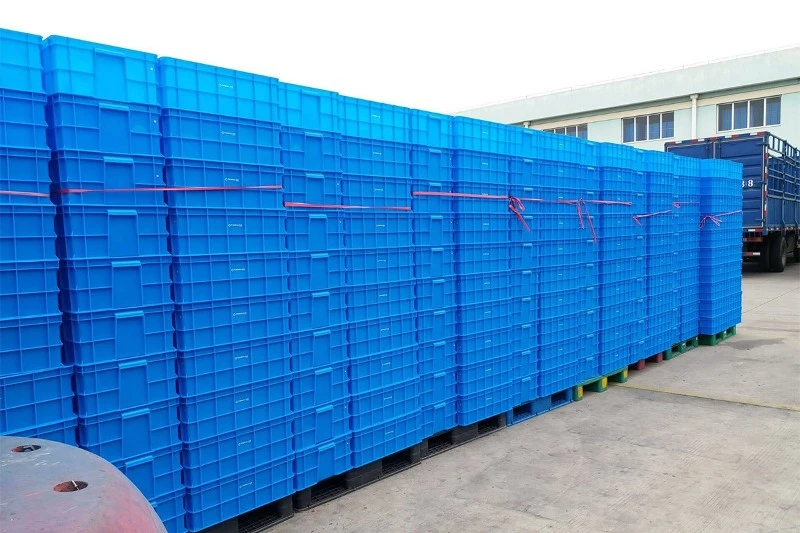
- Evaluating a Reliable Bulk Supplier: When comparing a poultry transport crates manufacturer, procurement teams should assess production capacity, dimensional consistency, material specifications, stacking performance, customization options, replacement availability, and export delivery arrangements to support seasonal demand and long-term fleet planning.


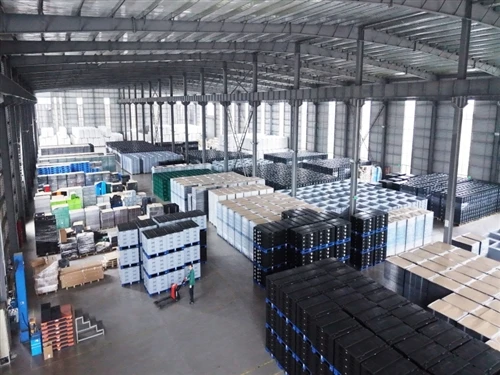
As a supplier of poultry transport crates, Enlightening Plast should demonstrate capabilities relevant to this application through consistent plastic product manufacturing, suitable material and structural quality controls, and repeatable production across bulk orders. Buyers should confirm available crate dimensions, door configurations, UV-stabilized material options, branding methods, and order lead times before approving samples and committing to large-volume procurement.

Base


Learn More About Enlightening Plast
Conclusion
Choosing suitable poultry transport crates requires more than comparing purchase prices because dimensions, airflow, handling design, sanitation, and durability all influence operational performance. By evaluating these factors against actual bird characteristics, transport conditions, and cleaning procedures, poultry businesses can make better-informed procurement decisions and manage avoidable losses. Contact our team with your target dimensions, poultry species, transport conditions, estimated order quantity, and customization requirements to discuss a suitable crate configuration and request a bulk quotation.
Explore Your Suitable Crate Solution