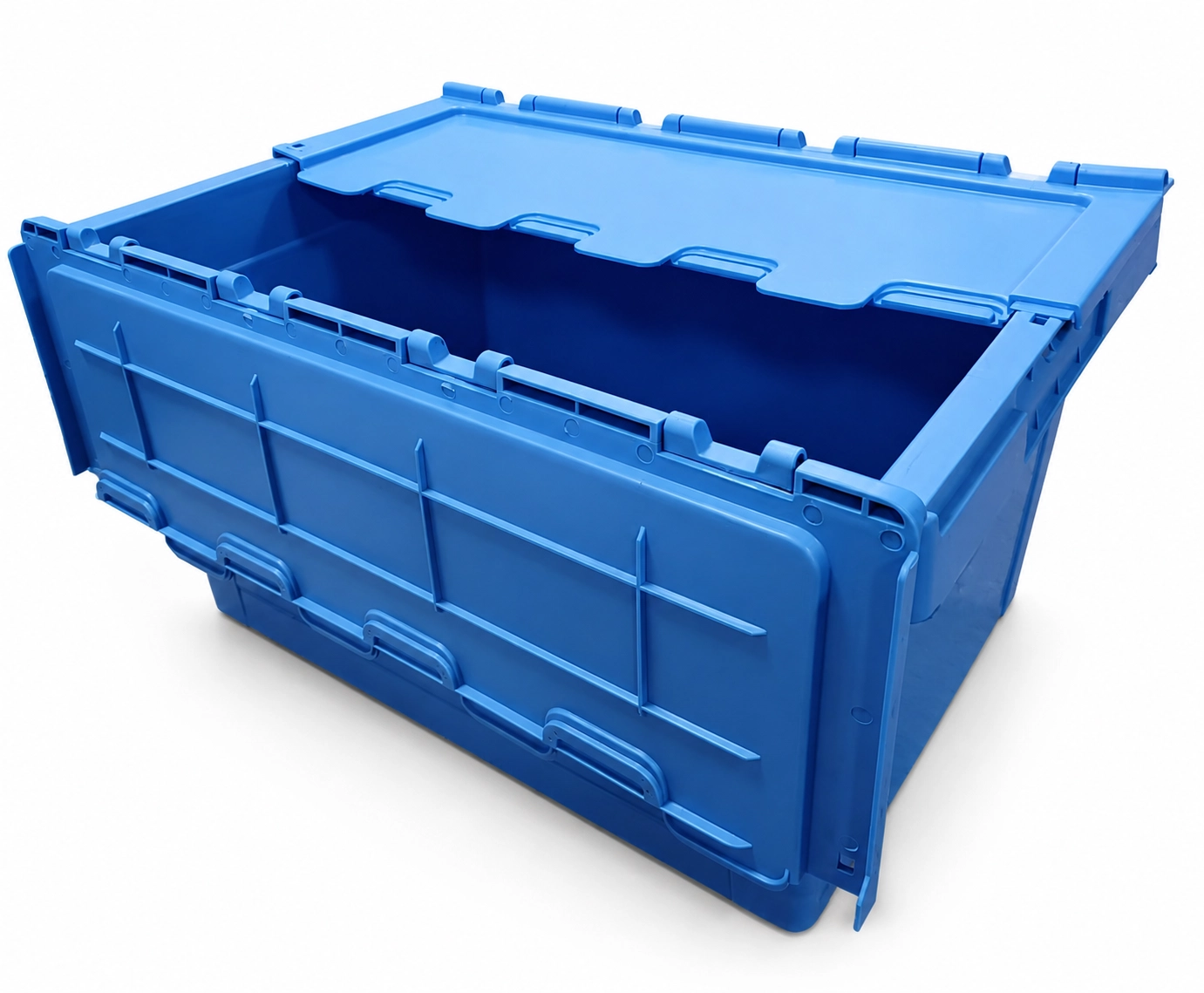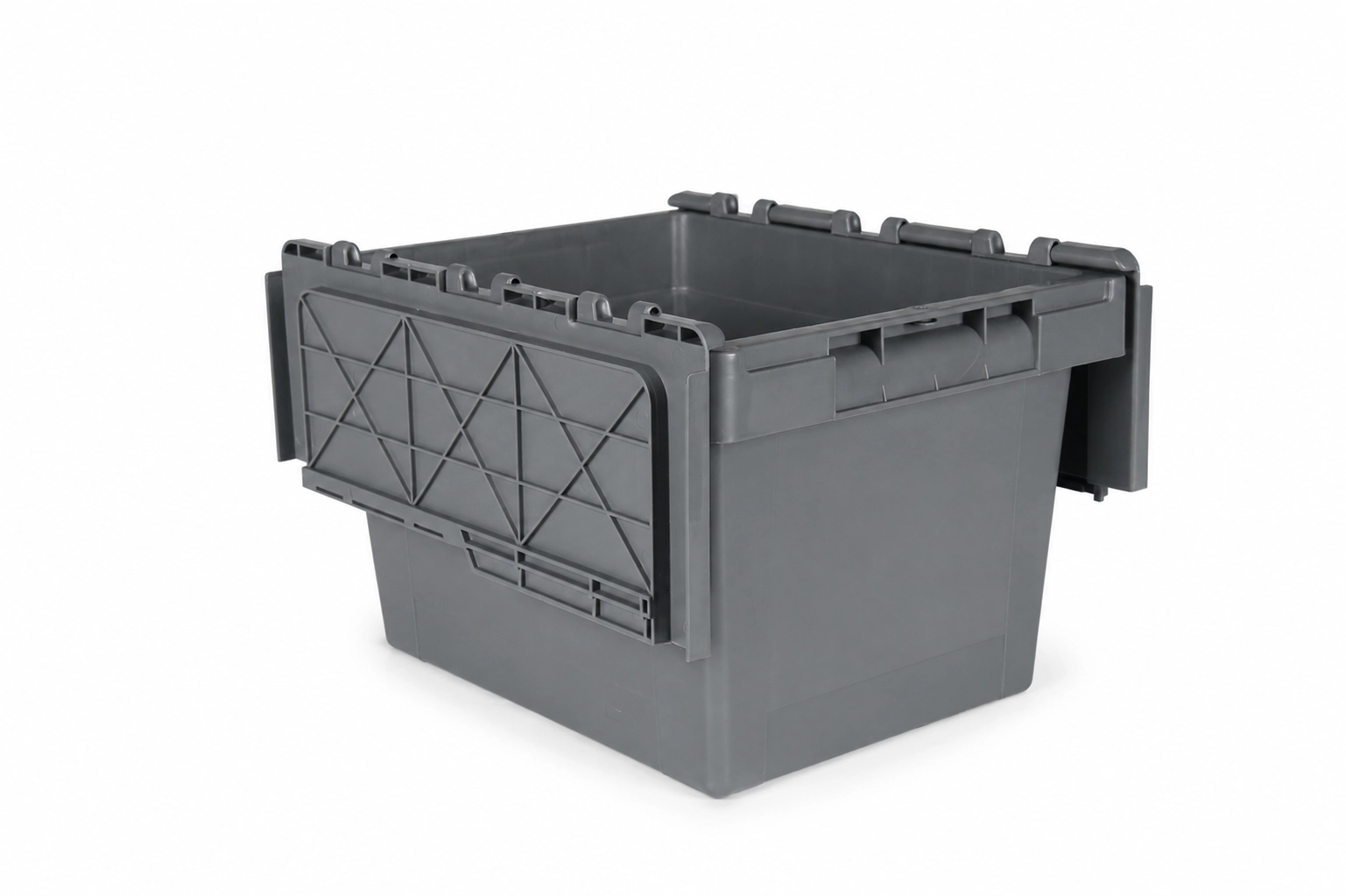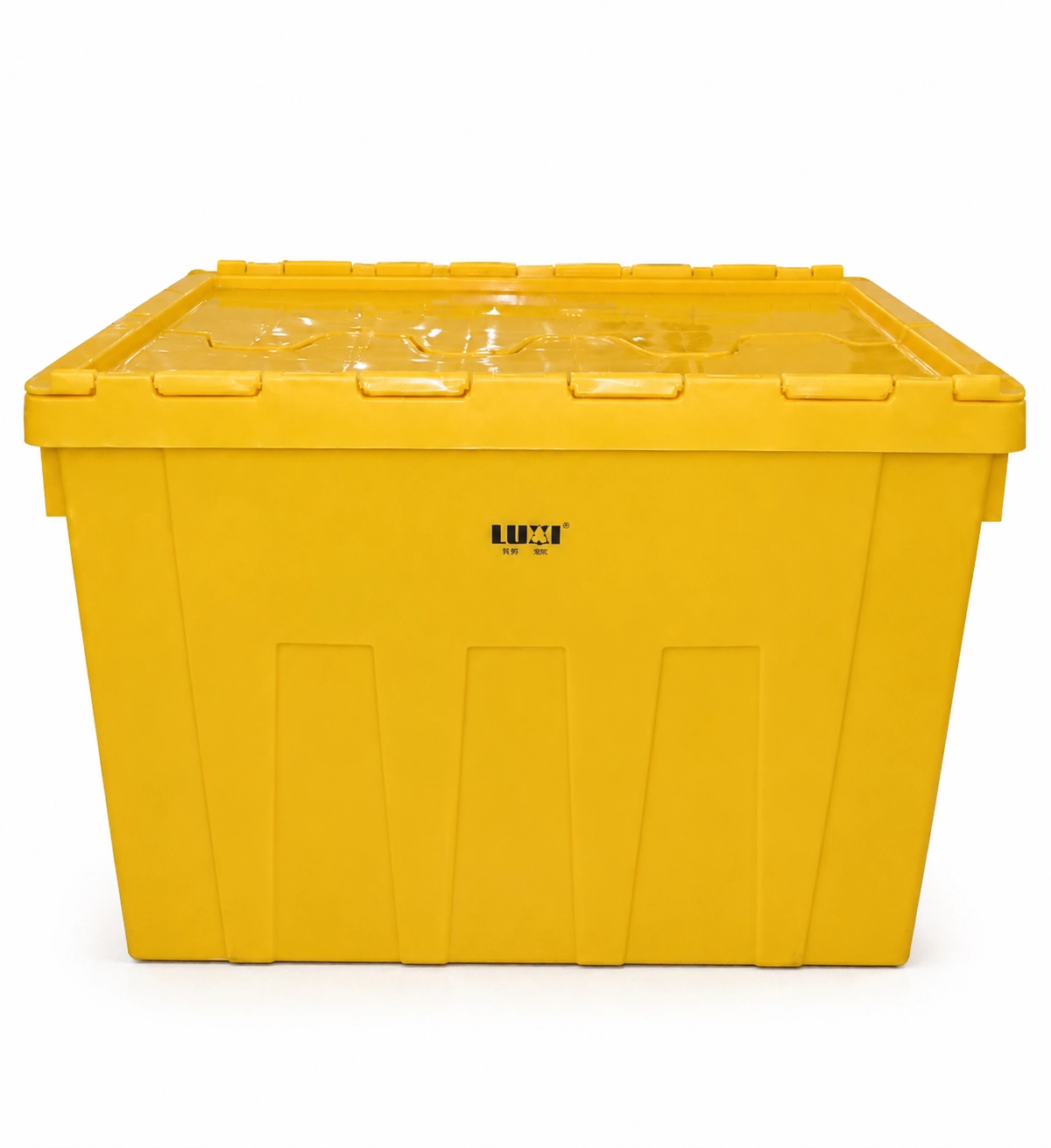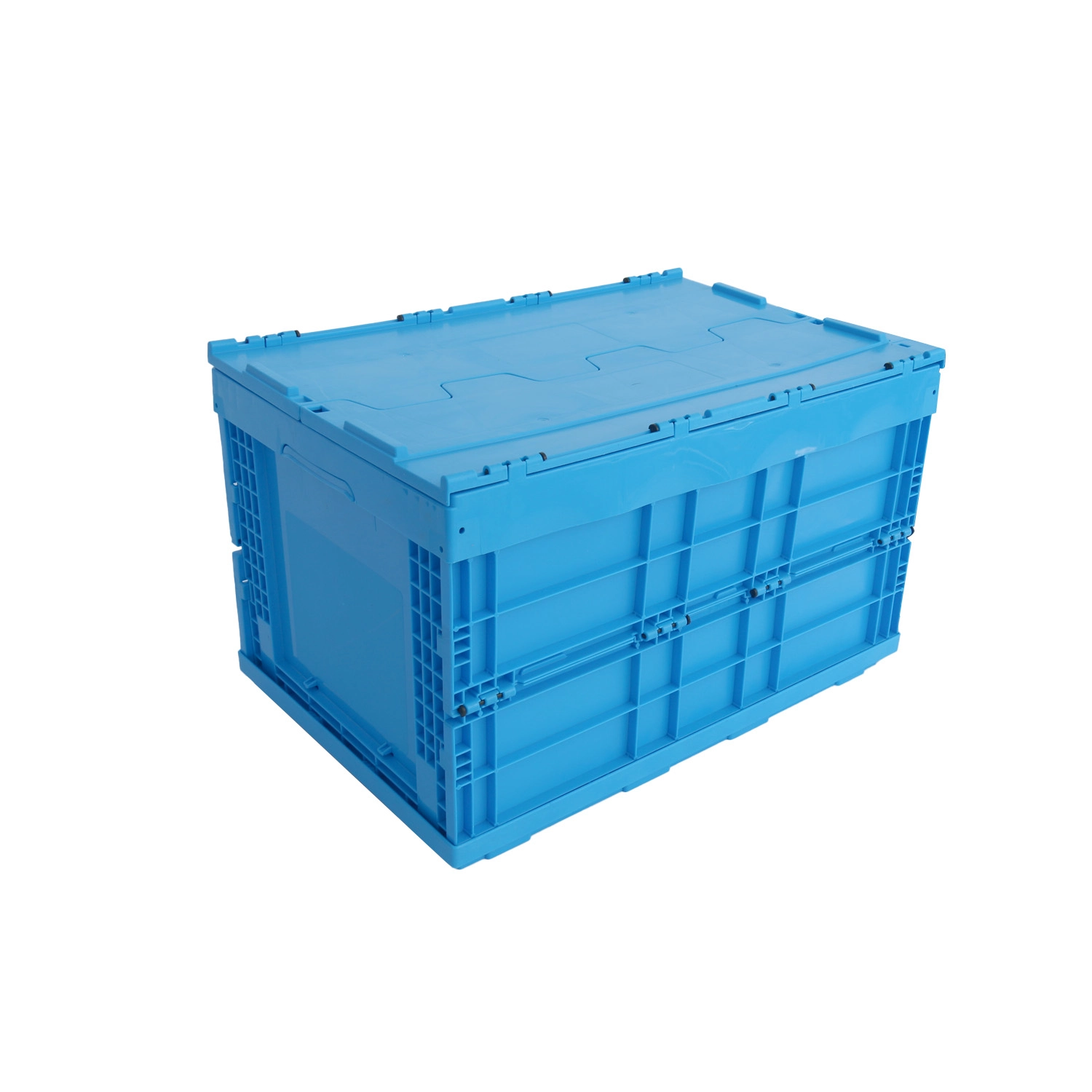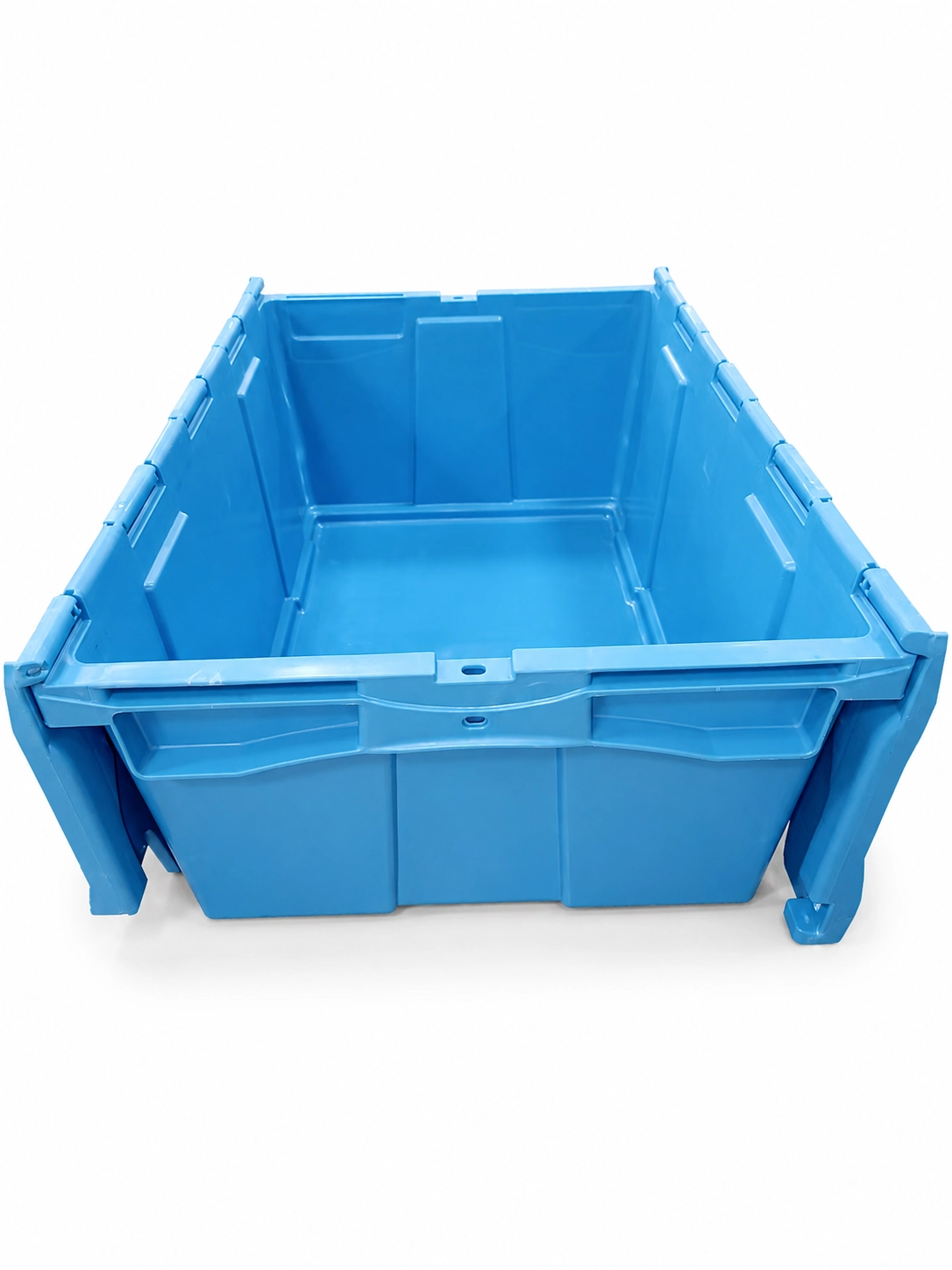
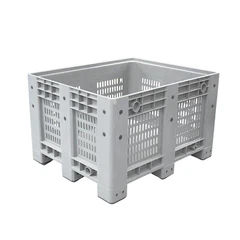
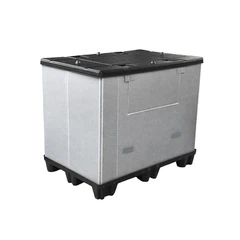
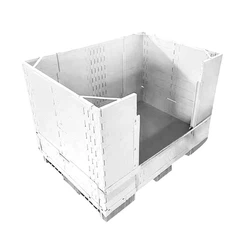
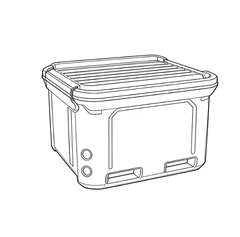
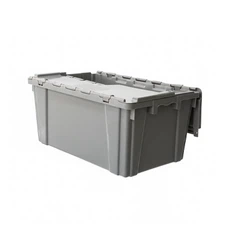
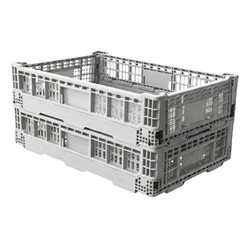
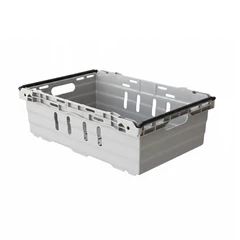
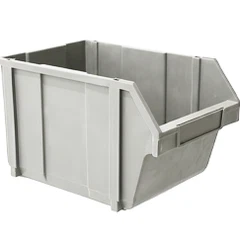
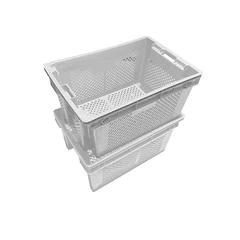
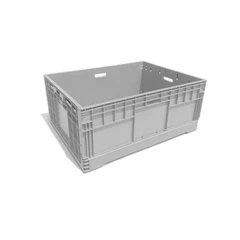
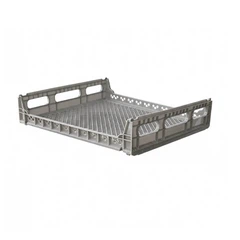
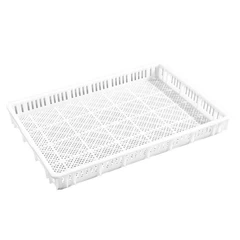
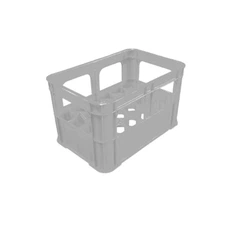
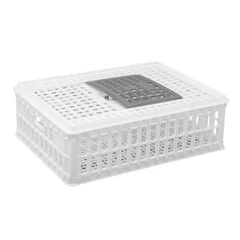
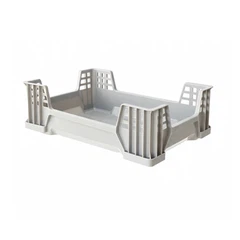
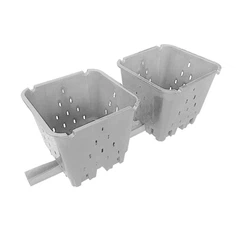
Seafood logistics requires more than simple storage boxes. Fresh fish, shrimp, shellfish, and other seafood products often move through fishing ports, processing plants, cold chain transportation, and export distribution networks. During these steps, containers need to handle low temperatures, moisture, heavy loading, frequent cleaning, and repeated transportation.
A suitable Bulk Container for Seafood Logistics helps maintain product quality while reducing handling problems during circulation. Enlightening Plast Industry Co., Limited provides plastic container solutions for industries including fishery, food and beverage, manufacturing, and supply chain logistics. With professional production facilities, quality control systems, and customization services, the company develops durable plastic solutions for different transportation environments.
What Makes a Bulk Container Suitable for Seafood Logistics?
Seafood transportation usually involves wet environments, temperature changes, and frequent loading operations. The right container needs to support the whole supply chain, from catching seafood at the port to moving products into refrigerated warehouses. A reliable seafood transport container should combine insulation performance, structural strength, hygiene, and easy handling.
Key Features of Reliable Seafood Transport Containers
For seafood applications, container design directly affects transportation efficiency. A strong container structure helps reduce damage during forklift handling, while smooth internal surfaces make cleaning faster after each use.
Plastic containers made from durable materials such as LLDPE are widely used in demanding logistics environments because they provide good impact resistance and corrosion resistance. This is especially useful in fishery operations where salt water and humidity are common conditions.
Enlightening Plast Industry Co., Limited develops products for different industrial scenarios, including Fishery Applications and Food and Beverage Applications. These solutions focus on repeated use, easy maintenance, and stable performance during transportation.
Why Do Seafood Companies Need Insulated Bulk Containers for Long-Distance Transport?
Long-distance seafood transportation depends heavily on cold chain stability. Fresh seafood can lose quality quickly when the temperature changes during loading, storage, or delivery. Standard containers often cannot provide enough insulation for longer transportation routes.
For exporters and seafood distributors, insulated bulk containers create a more stable environment by reducing heat transfer and protecting products from outside conditions.
Rotomolded Cooler Transport Box Maintains Stable Cold Chain Performance
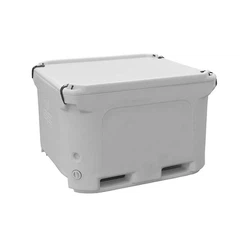
The Rotomolded Cooler Transport Box is designed for temperature-sensitive transportation. It uses a rotomolding process to create a strong and seamless structure, which helps improve durability during repeated handling.
Compared with ordinary seafood boxes, this type of insulated transport container provides better protection for frozen and fresh products. It is suitable for seafood processing facilities, fishing ports, refrigerated transport, and distribution centers.
For example, when seafood needs to travel from a coastal processing plant to an inland warehouse, the container needs to handle ice storage, vibration, and multiple loading steps. A strong insulated structure helps keep the seafood in a more stable condition throughout the journey.

How Can Seafood Logistics Reduce Handling Costs During Transportation?
Large-volume seafood operations often face handling pressure. Moving hundreds of kilograms of seafood through different supply chain stages requires containers that match warehouse equipment and transportation methods.
A container that works well with forklifts and warehouse systems can reduce manual movement and make daily operations smoother.
Large Capacity Forkliftable LLDPE Container Improves Bulk Seafood Handling
The Large Capacity Forkliftable LLDPE Container is suitable for large-scale seafood handling. Its forkliftable design allows easier movement in processing facilities, warehouses, and logistics centers.
The container uses LLDPE material, which provides strong impact resistance and works well in environments where containers are moved frequently. For seafood companies handling large batches, this type of bulk container helps simplify internal transportation.
Which Bulk Container Materials Work Best for Seafood Transportation?
Material selection plays a key role in determining the service life, cleaning efficiency, and transportation performance of seafood containers. Seafood logistics faces stricter requirements than general storage because containers are frequently exposed to water, ice, salt, and organic materials during daily operations. According to the World Economic Forum, poor cold chain management contributed to the global loss or waste of around 23.8 million tonnes of edible aquatic food in 2021, showing the need for more reliable transportation solutions.
For this reason, rotomolded LLDPE containers are widely used in seafood logistics. Their strong structure, corrosion resistance, and impact resistance make them suitable for repeated handling in ports, processing facilities, and distribution centers. Compared with ordinary plastic containers, they provide better durability while supporting long-term circulation.
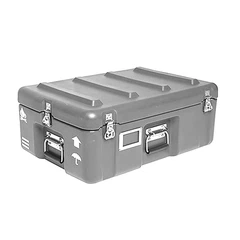
Enlightening Plast Industry Co., Limited provides a range of Rotomolded Plastic Containers designed for demanding industrial applications. With durable materials and professional manufacturing capabilities, these containers are suitable for industries that require reliable transportation, repeated use, and stable performance in challenging environments.

Where Are Bulk Containers Used in the Seafood Supply Chain?
Seafood logistics includes several stages, and each stage has different container requirements. From fishing operations to export transportation, containers need to support fast movement while protecting seafood quality.
Applications Across Fishing, Processing and Cold Chain Distribution
In fishing operations, containers are used to move fresh catches from boats to shore facilities. At seafood processing plants, they support temporary storage and internal transportation before packaging.
During export logistics, seafood often passes through refrigerated trucks, warehouses, and distribution centers. Bulk containers with strong structures help reduce product handling risks during these transitions.
Enlightening Plast Industry Co., Limited also provides solutions for Supply Chain Logistics Applications and supports customized product requirements through Custom Plastic Solutions services.
How to Choose the Best Bulk Containers for Seafood Logistics?
Choosing the right seafood container depends on transportation distance, product type, storage conditions, and handling methods. A small seafood supplier may focus on insulation and mobility, while a large processing company may need higher capacity and forklift compatibility.
|
Requirement |
Recommended Container Choice |
|
Fresh seafood delivery |
Insulated cooler transport container |
|
Long-distance cold chain shipping |
Rotomolded insulated container |
|
Large-scale warehouse movement |
Forkliftable LLDPE container |
|
Repeated industrial circulation |
Durable rotomolded plastic container |
Before purchasing, check the container size, loading method, cleaning process, and expected service environment. Enlightening Plast Industry Co., Limited provides production support and quality management through Quality Control Services, helping customers select suitable solutions for different logistics conditions.
FAQ
Q: What Type of Bulk Container Is Best for Seafood Transportation?
A: Insulated rotomolded plastic containers are suitable for seafood transportation because they provide temperature protection, strong impact resistance, and easy cleaning performance.
Q: Why Are LLDPE Containers Used in Seafood Logistics?
A: LLDPE containers offer good durability, corrosion resistance, and impact resistance, making them suitable for wet and demanding seafood environments.
Q: Can Bulk Seafood Containers Be Used for Cold Chain Shipping?
A: Yes. Insulated bulk containers are commonly used for refrigerated transportation, seafood processing, and cold storage operations.
Q: What Industries Use Rotomolded Plastic Containers?
A: Rotomolded plastic containers are used in fishery, food processing, agriculture, manufacturing, and supply chain logistics applications.
Q: Can Seafood Transport Containers Be Customized?
A: Yes. Professional manufacturers can provide customized sizes, structures, and features based on transportation requirements and application environments.