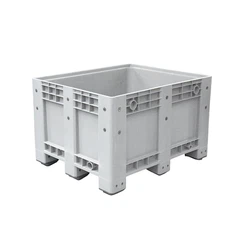
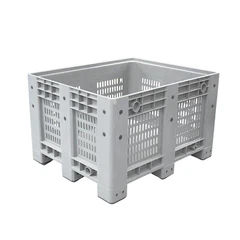
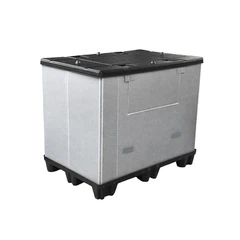
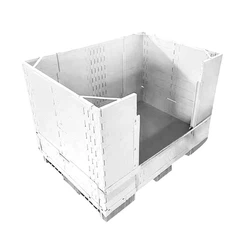
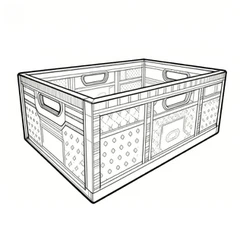
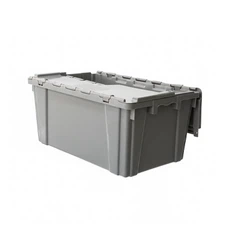
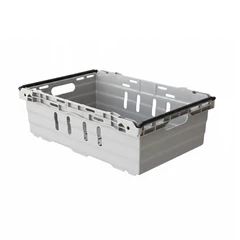
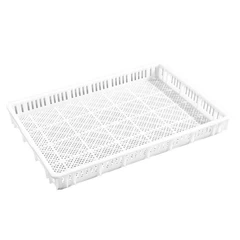
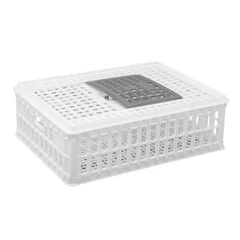
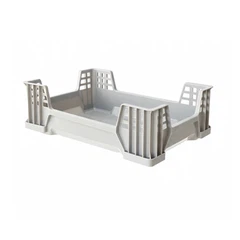
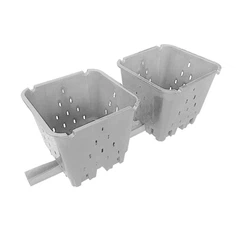

Choosing a reusable plastic crate manufacturer is about more than finding a suitable price. A crate may look strong in a product catalog but perform differently under repeated loading, washing, stacking, cold storage, or long-distance transport. Material, dimensions, production control, testing, and export support all affect the real purchasing result. Enlightening Plast Industry Co., Limited supplies reusable plastic handling products for food, agriculture, fishery, automotive, manufacturing, and supply chain logistics applications.
Raw Material Type and Food-Grade Requirements
PP and HDPE are common choices for reusable plastic crates because they provide good impact resistance, durability, and repeated-use performance. For food, beverage, fruit, vegetable, or other hygiene-sensitive applications, check the required food-contact standard for the destination market. It is also useful to confirm whether virgin or recycled resin is used and request the related material documents.
Plastic Crate Size and Load Capacity
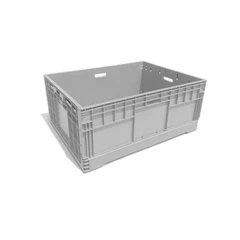
Dimensions should be based on the goods, storage space, pallet format, and handling equipment. Load capacity needs the same care. Static load, dynamic load, and stacking load describe different conditions, so one maximum-load figure cannot cover every application. A reliable plastic crate manufacturer should provide clear dimensions and load data before a bulk order.
Stacking, Nesting, or Folding Structure
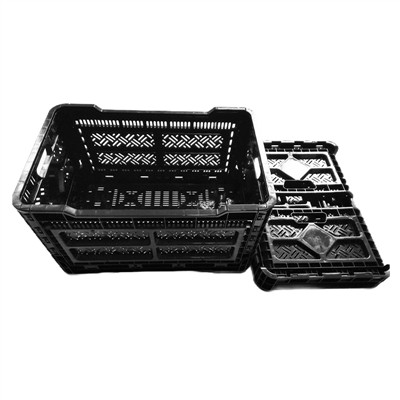
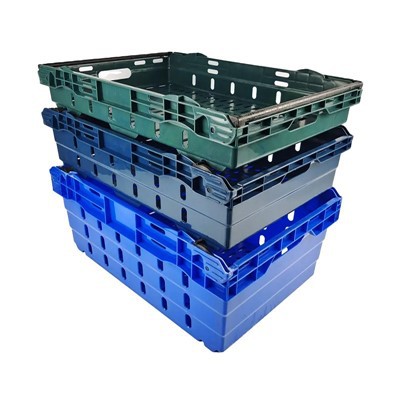
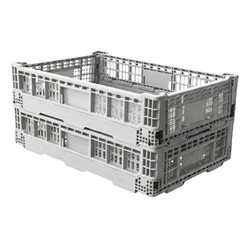
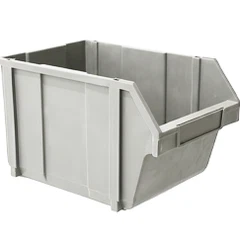
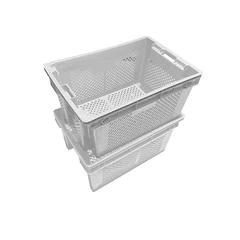
The right structure depends on how the crate moves through the supply chain. Stackable crates work well when filled units need stable vertical storage. Nestable crates reduce empty storage height, while folding crates can cut the space needed for return transport. This difference becomes significant when hundreds or thousands of empty crates move between distribution points.
Pallet, Racking, and Conveyor Compatibility
A crate needs to work with the existing handling system. Check whether its footprint matches the pallet size and whether the base remains stable on racks, pallet trucks, and conveyors. Automated systems may also require specific dimensions, bottom structures, or edge profiles. A technical drawing and physical sample can help identify compatibility issues before mass production. Enlightening Plast factory provides mold development and manufacturing support for plastic handling products with different structural requirements.
Factory Production Capacity and Quality Control
Production capacity matters when an initial order may become a long-term supply program. Review molding equipment, mold capability, raw material inspection, production checks, dimensional inspection, and finished-product testing. According to its published factory information, Enlightening Plast Industry Co., Limited operates a 90,000 m² manufacturing base, has more than 700 self-owned injection molds, and reports annual production of 40 million plastic crates. Its quality system includes ISO 9001 and ISO 14001 certification, with inspection carried out across production stages. Its quality information gives buyers useful points for supplier evaluation.
Sample Testing and Batch Consistency
A sample should be tested under conditions close to actual use. Check dimensions, weight, stacking stability, handle strength, wall structure, and load performance where needed. The approved sample should then become the production reference. This is particularly important for automated handling, where small dimensional changes can affect conveyor movement or stacking. For repeat purchasing, ask how inspection records are kept and how production batches are controlled against the approved specification.
Customization, MOQ, and Production Lead Time
Customization can involve dimensions, colors, materials, logos, labels, structural features, or new molds. Before ordering, confirm which changes require tooling, the MOQ for customized production, and the expected lead time. Tooling costs and production schedules should also be clear from the start. The customization service covers customized colors, materials, logos, and product structures for projects that need specifications beyond standard products.
Export Packing, Container Loading, and After-Sales Support
International purchasing involves more than manufacturing. Export packing, container loading, shipping documents, production updates, and after-sales support can all affect the final result. Container loading deserves attention because reusable plastic crates can take considerable space when shipped in large quantities. Ask for the packing method, loading quantity, production schedule, and process for handling quality claims before confirming the order. Enlightening Plast's support service provides international order communication and after-sales assistance.
How to Choose a Plastic Crate Supplier?
A reliable plastic crate supplier should be evaluated from both product and supply perspectives. Price is only one part of the decision. Before placing an order, check whether the supplier can provide the right specifications, suitable materials, clear documents, and stable product quality across repeat batches.
- Technical Specifications: Check dimensions, weight, static and dynamic load capacity, stacking load, temperature range, and other working parameters. The specifications should match the actual storage, transport, and handling conditions.
- Product Suitability: Review whether the crate fits the goods, industry, pallet system, washing process, and handling method. Food, agriculture, fishery, automotive, and logistics applications can require different crate structures.
- Material Certification: Confirm the PP or HDPE material grade and request food-contact certification when the crate is used for food or beverage distribution. Material records can also help verify the consistency of production.
- Traceability and Hygiene Documents: For applications with strict hygiene or quality requirements, ask for material records, inspection reports, batch information, and relevant hygiene documents. These records are especially useful for long-term supply programs.
- Testing and Third-Party Verification: Check sample test results, load testing, dimensional inspection, and pre-shipment inspection options. For large orders, independent third-party verification can add another quality check before the goods leave the factory.
This five-point check helps buyers compare suppliers on actual purchasing value. The best choice is a supplier that can keep the product specification, quality records, production capacity, and service support consistent from the first order to repeat deliveries.
Why Consider Enlightening Plast for Reusable Plastic Crates?
Enlightening Plast Industry Co., Limited combines reusable plastic crate manufacturing with mold development, quality control, customization, and export support. Its range covers plastic crates, folding crates, nestable crates, food-related containers, and other reusable handling products for commercial applications. The company also supports distributors and international buyers through its production and service network. For buyers comparing a reusable plastic crate manufacturer for recurring orders, this combination of factory resources, product variety, customization, and export support provides a practical option.
Once the required dimensions, load, material, application, quantity, and destination are clear, the next step is simple: contact the supplier with the specifications. This makes it easier to confirm the suitable crate structure, MOQ, production lead time, and customization requirements before placing an order.
FAQ
Q1: What material is commonly used for reusable plastic crates?
A: PP and HDPE are widely used. The right choice depends on load, temperature, impact, hygiene, and application requirements.
Q2: Why are crate dimensions important for bulk purchasing?
A: Dimensions affect pallet fit, warehouse storage, conveyor handling, container loading, and the usable space for the products inside.
Q3: What does MOQ mean when ordering customized crates?
A: MOQ means minimum order quantity. Customized colors, structures, or molds may require a higher MOQ than standard products.
Q4: Should a third-party inspection be used for large orders?
A: It can add an independent quality check before shipment, especially for high-volume or specification-sensitive orders.
Q5: What information should be included in a plastic crate inquiry?
A: Include the intended application, dimensions, material, load requirement, order quantity, customization needs, destination, and any pallet, racking, or conveyor requirements.