
I know a low crate price can hide costly problems. Cracked bases and unstable stacks can damage goods, so I start with the actual shipping requirements.
I choose heavy-duty plastic crates by checking payload, usable dimensions, stacking conditions, and handling methods first. I then compare material performance, product protection, and empty return costs. Before a bulk order, I verify the selected model through specifications, relevant test records, and a trial with the actual goods.
I use the same order when discussing a project at Enlightening Plast. A buyer may start with a size or price, but I first need to understand what happens between packing and unloading. That shipping route helps me narrow the choices before I compare individual models.

Match the Crate Type to Your Shipping Application
I can choose a strong crate and still get poor results. The wrong wall or return design can leave goods exposed and waste truck space.
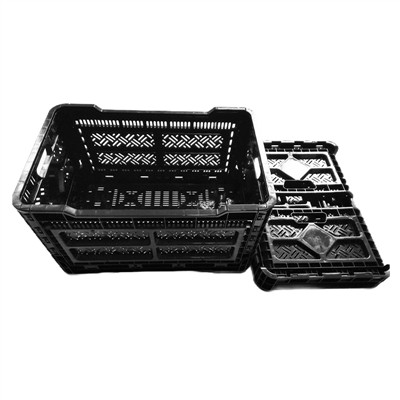
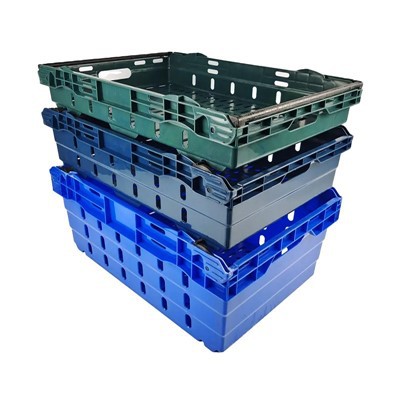
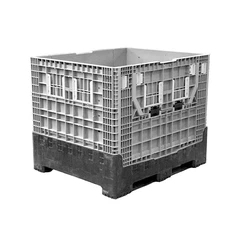
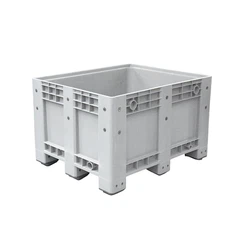
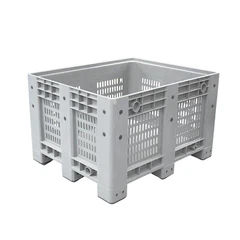
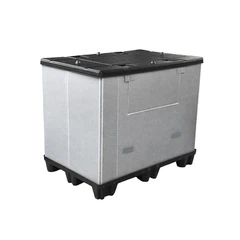
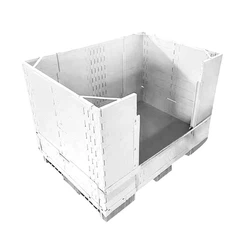
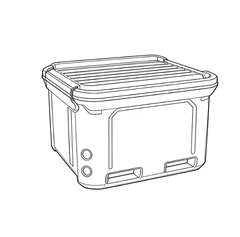
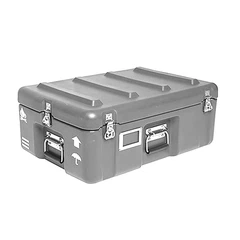
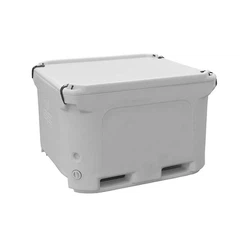
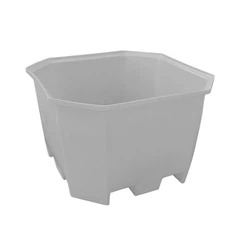
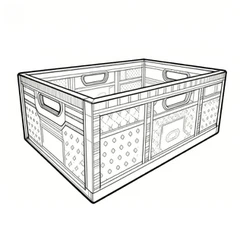
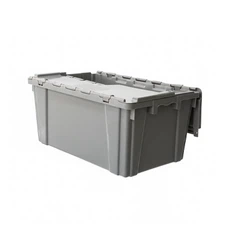
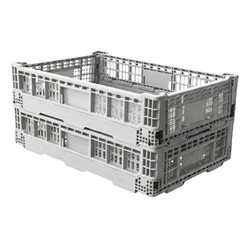
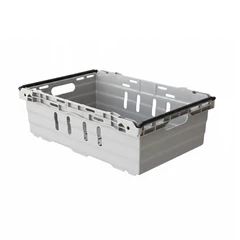
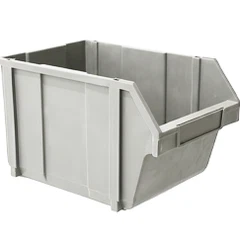
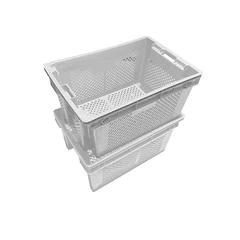
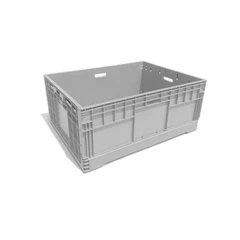
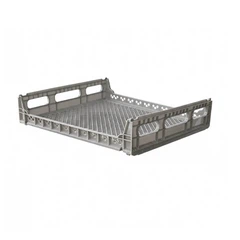
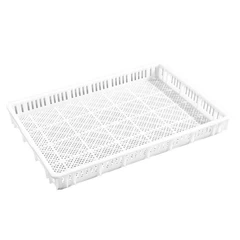
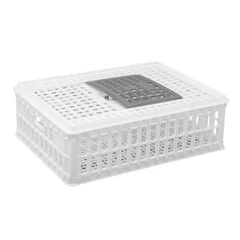
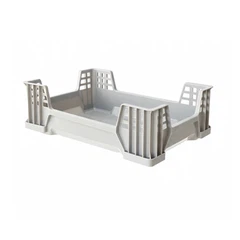
I match crate structure to the goods and delivery cycle. I consider solid walls for small parts, ventilation for airflow, lids for covered distribution, and folding or nesting designs for empty returns. I consider bulk containers when the load needs mechanical handling.
Solid-Wall or Ventilated Crates
I start with the smallest item in the load. Openings that suit large components may let small parts escape. I consider solid walls when containment matters, but I still check the lid and joints because solid walls alone do not make a crate sealed. When goods need airflow or drainage, I compare the opening size with the product dimensions and cleaning method.
Rigid, Nestable, or Collapsible Crates
I compare these designs against the return route. A rigid crate may suit repeated movement inside one factory. A nestable crate needs enough empty space inside to receive another box. A collapsible crate needs workers to fold and rebuild it. I include that work in the comparison and check whether loose inserts must travel separately on the return trip.
Handheld Crates or Bulk Containers
I choose the handling method before increasing box size. I check the full weight, grip position, and lifting frequency for handheld crates. For bulk loads, I look at containers designed for the required lifting equipment. I do not assume an ordinary crate has safe fork access.
|
My shipping need |
My starting option |
My next check |
|
Small loose components |
Solid-wall crate |
Gaps and closures |
|
Goods needing airflow |
Ventilated crate |
Opening size |
|
Frequent empty returns |
Nestable or collapsible crate |
Return dimensions |
|
Mechanically handled bulk loads |
Pallet-sized container |
Equipment compatibility |
Check Payload and Stacking Capacity
I cannot judge a crate from one load figure. If I confuse contents weight with stacking load, I may overload the lowest box.
I check single-crate payload and the load from boxes above it separately. I include crate weight, packaging, load distribution, and stacking duration. I ask the supplier to explain each rating and confirm whether the tested conditions match storage and transport.
Single-Crate Payload vs. Stacking Load
I use payload to mean the contents carried inside one crate, including internal packing. I then add the empty crate weight to calculate its gross weight. In a simple example, I put 20 kg of contents into a 2 kg crate. If I stack five identical loaded crates, the bottom crate receives 88 kg from the four crates above it. I treat this as a weight calculation, not proof that five layers are safe.
Load Distribution and Concentrated Weight
I check where the contents touch the base. A metal part standing on two small feet creates a different load pattern from evenly packed bags. I may consider a fitted insert or a support board, but I include its weight and verify the complete packing arrangement. I also check whether the contents can shift during braking or turns.
Stacking Limits During Storage and Transport
I ask for separate guidance on stationary stacks and transported loads. I record the support surface, temperature, stacking time, and permitted arrangement. I also check the pallet and restraint system because a crate rating alone does not confirm that the complete load will remain stable.
Choose Dimensions That Fit Your Goods and Pallets
I can lose shipping space through a small size mismatch. A crate may fit the product but overhang the pallet or block the lid.
I check usable internal space before external dimensions. I include inserts, lid clearance, and access for packing. I then confirm the pallet layout, total loaded height, and equipment clearances with the selected crate rather than relying on its nominal size.
Internal Dimensions and Usable Space
I measure the packed product at its widest points. I allow space for dividers, padding, and the hands or tools needed to remove it. I also check internal corners and tapered walls. A stated internal length may not describe every height inside the box. For a close fit, I request a drawing and test a sample with the finished packing arrangement.
External Dimensions and Pallet Layout
I use the outside dimensions to plan each pallet layer. I check handles, hinges, and lid edges because these features can affect the actual footprint. I also check whether the crate bases receive proper support from the pallet deck. A layout that fits on paper still needs a physical trial before I approve it for repeated shipping.
Loaded Height and Handling Clearance
I calculate the complete height with the pallet, crates, lids, and any top protection. I compare that height with vehicle doors, storage locations, and handling equipment. I also check whether workers can reach the upper boxes during loading. If access is poor, I may reduce the layer count even when the load rating allows more.
Select Materials for Your Operating Conditions
I do not select material from a name alone. The wrong grade or untested environment can lead to cracking, bending, and early replacement.
I compare the actual PP or HDPE crate specification with the expected temperature, impact, cleaning, and outdoor conditions. I ask for evidence for the selected material grade and finished design. I confirm special material requirements before approving a sample or price.

PP vs. HDPE Plastic Crates
I compare PP and HDPE options at the finished product level. I review stiffness, impact results, and load performance for each model. I do not assign one temperature range to every crate made from the same polymer. The material grade, additives, and structure all belong in the specification. At Enlightening Plast, we can discuss virgin or recycled material options against the project's performance needs.
Temperature, Sunlight, and Chemical Exposure
I record the lowest and highest temperatures along the route, including temporary storage. I also ask about outdoor exposure and contact with oils or cleaning products. For chemical contact, I give the supplier the actual substance, concentration, and exposure time. A broad statement such as chemical-resistant does not answer those questions. I request a suitable trial when the expected conditions lack supporting data.
Cleaning and Special Material Requirements
I check the wash temperature, cleaner, drying process, and areas that can trap residue. If the project has food-contact or electrical protection requirements, I ask for documents that cover the selected product and intended use. I keep factory quality-system documents separate from evidence about a particular crate or material.
Check Handling Compatibility and Product Protection
I can protect the box and still damage its contents. Poor grips, unsuitable bases, and loose parts can cause trouble at every transfer point.
I check how workers and equipment lift, move, and stack the loaded crate. I inspect the base, handles, stacking rims, and closures. I then choose inserts and restraints to control product movement and verify the full packing system in a handling trial.
Handles, Base Design, and Conveyor Compatibility
I check whether workers can grip the loaded crate while wearing their usual gloves. I also review lifting frequency and working height with the site team. For conveyors, I compare the crate base with the equipment supplier's support and tracking requirements. I do not assume that every flat-looking base will run smoothly across rollers, transfers, or stops. I test the actual model under load.
Reinforced Corners and Stacking Rims
I inspect the contact between one crate's base and the rim below it. I check for rocking, poor engagement, and damage after repeated stacking. I review the corners and base ribs, but I do not judge strength from visible thickness alone. For folding designs, I also inspect the panel locks and hinges. I want workers to notice an incomplete lock before they load the box.
Lids, Dividers, and Transport Restraints
I choose dividers around the parts and their contact surfaces. I confirm that the lid closes without pressing on the goods. I also plan how the entire pallet load will be restrained. A lid protects the opening, but I still need a suitable method to control crate movement during transport.
Compare Return Shipping Costs and Cost per Trip
I can save money on purchase price and spend more on every return. Empty volume and handling work can change the real cost.
I compare crate cost across the expected trips. I include purchase, return freight, cleaning, handling, repairs, and replacement. I use actual folded or nested dimensions and realistic return rates. I compare one-way shipments separately because they may provide no opportunity to recover the crate investment.

Empty Return Space for Different Crate Designs
I ask for the dimensions of an actual empty stack. Nesting depth and folded height matter more than a general space-saving claim. I include lids, inserts, and the return pallet in the calculation. I also check how many empty units fit within the carrier's limits. If the return truck already has spare space, a smaller empty volume may not create an immediate freight saving.
Cleaning, Handling, and Replacement Costs
I add the time needed to open, fold, stack, wash, and rebuild each crate. I also estimate losses and damaged parts. For an initial comparison, I divide the expected total crate-related cost by completed loaded trips. I use a cautious trip estimate until operating records support it. I keep the compared options on the same route and shipment basis.
One-Way Shipping vs. Closed-Loop Logistics
I ask who owns the crates and who arranges collection. In a closed loop, I need a workable return schedule and storage space at both ends. For one-way exports, I ask whether the receiver will reuse the packaging. I avoid paying for return features that the route will never use.
|
Cost item |
Information I collect |
|
Purchase |
Crate price and required accessories |
|
Empty returns |
Packed volume and freight charges |
|
Routine use |
Cleaning and handling time |
|
Replacement |
Damage, loss, and spare-part costs |
Validate Samples Before Placing a Bulk Order
I do not want a full shipment to reveal a fitting problem. A sample trial can expose issues before I commit to production.
I test samples with the actual goods, packing, pallets, and equipment. I agree on acceptance conditions before ordering. I then confirm the model, material, dimensions, load limits, customization, delivery schedule, and inspection requirements in writing so the bulk order follows the approved sample.
Test with Actual Goods and Handling Equipment
I prepare a trial that follows the intended route through the facility. I check packing, lifting, stacking, moving, and unloading. I inspect the crate and goods afterward for cracks, movement, closure problems, and lasting deformation. I agree with the supplier on any further testing needed for the shipping conditions. I keep photos and records so both sides can discuss the same results.
Review Specifications and Load Test Reports
I check that each report identifies the model, material, test method, support conditions, and load arrangement. I also look for temperature and test duration where these affect the result. I ask for missing details before using a rating in my plan. I do not transfer a result from a larger container to a smaller crate just because both use HDPE.
Confirm MOQ, Customization, and Lead Time
I confirm whether the order uses an existing mold or needs tooling work. I separate sample timing from production and shipping time. At Enlightening Plast, we provide OEM and ODM support for industrial containers. I use the approved specification to define the required colors, logos, lids, label areas, and other agreed features before production begins.
Conclusion
I choose crates around the actual load and shipping route. I verify fit, strength, protection, and return costs, then approve a tested sample before committing to bulk production.
Frequently Asked Question
Q: Can Plastic Crates from Different Suppliers Be Stacked Together?
A: I would only mix crates after checking their base and rim fit and testing the proposed loaded stack under its intended conditions. I do not treat matching external dimensions as proof of compatibility, because the contact points and stacking features may differ.
Q: How Can I Match Existing Crates for a Repeat Order?
A: I ask for the original model number, approved drawing, material specification, and a physical sample where possible. I then compare dimensions, lid fit, stacking contact, and handling performance before approving a repeat order, especially when the original tooling or supplier has changed.
Q: Are Replacement Lids and Folding Panels Available?
A: I confirm spare-part availability for the specific model before ordering, including lids, hinges, locks, and panels where the design allows replacement. I also ask about minimum quantities and lead times so the buyer can plan repairs without assuming every damaged part is replaceable.
Q: Which Customizations Require a New Mold?
A: I review color and logo changes separately from changes to dimensions, wall structure, handles, or the base, because they involve different production work. I confirm whether existing tooling, a mold insert, or a new mold can deliver the requested design before quoting development costs.