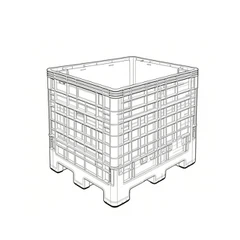
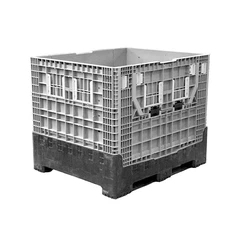
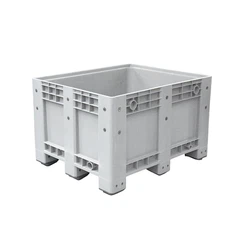
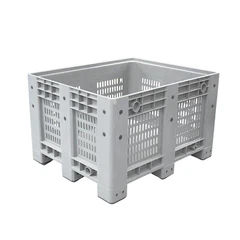
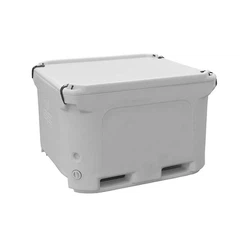
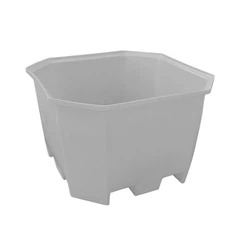
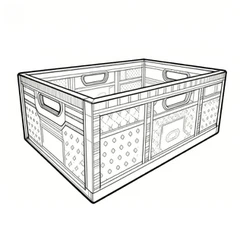
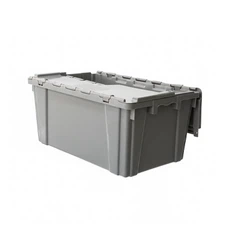
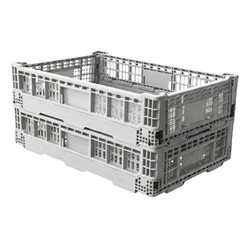
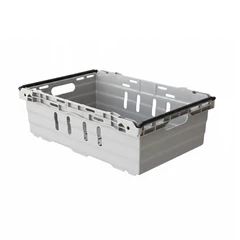
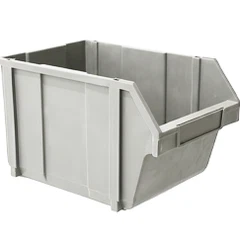
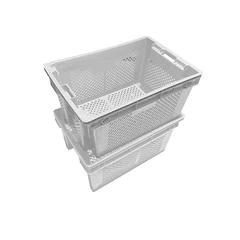
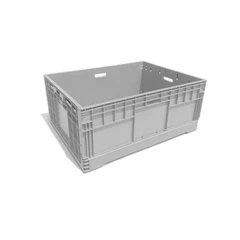
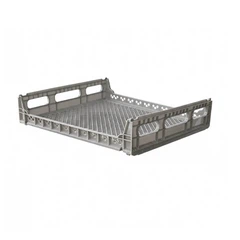
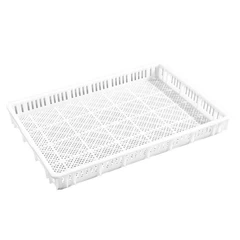
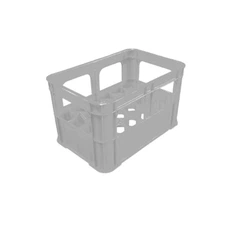
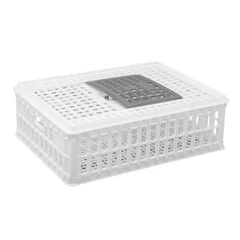
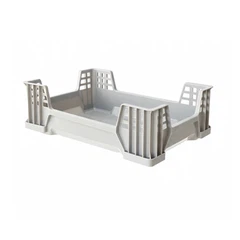

Food businesses face a real risk when they use plastic crates that are not suitable for food contact. The wrong material or poor crate design can affect hygiene, damage products, and increase cleaning costs.
I choose food-grade plastic crates based on three main factors: material safety, hygienic design, and compliance with the rules of the target market. I also check the food type, cleaning process, temperature, and frequency of reuse before selecting a crate.
I have seen buyers focus on price and load capacity when they compare plastic crates. These points matter, but they do not tell the whole story. I also look at how the crate will contact food, how workers will clean it, and what documents the supplier can provide. These checks help me make a better choice.
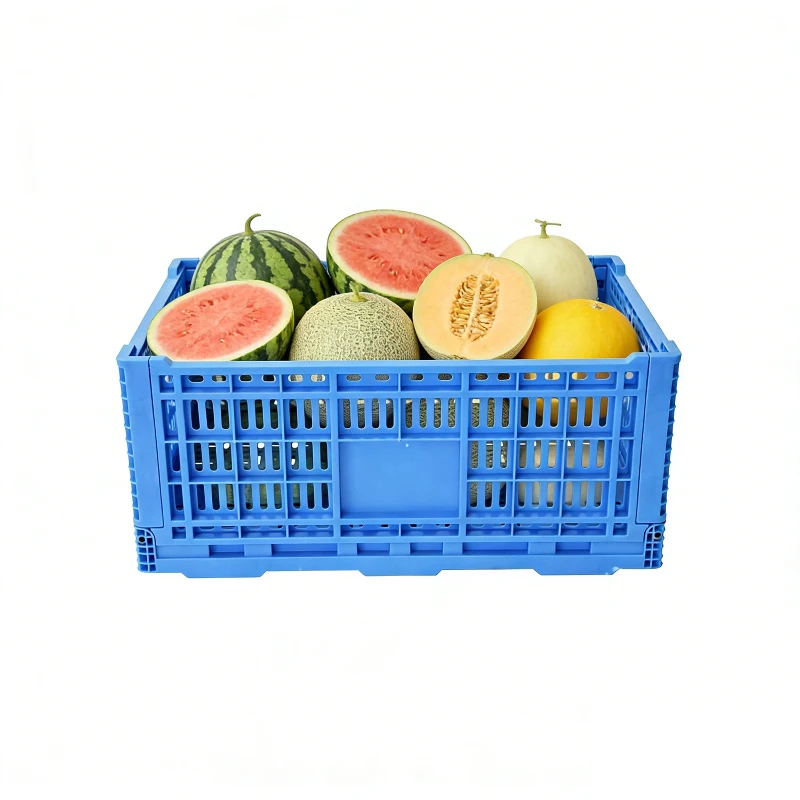
What Makes a Plastic Crate Suitable for Food Contact?
A plastic crate is suitable for food contact only when its material, additives, finished design, and intended use meet the relevant food contact requirements. I do not judge food safety by the plastic type or appearance alone.
Food-Grade Materials vs. Food-Safe Applications
I first check whether the manufacturer can identify the material and confirm its suitability for the intended food contact conditions. A crate made from PP or HDPE is not automatically suitable for every food application. Additives, colorants, recycled content, and manufacturing conditions can affect its suitability.
I also separate direct food contact from secondary handling. A crate that carries sealed food packages may have different requirements from one that holds unpackaged meat, fruit, or dairy products.
I ask buyers to confirm three points before ordering:
- Which food will the crate hold?
- Will the food contact the plastic directly?
- What temperatures, cleaning agents, and contact times will the crate face?
These details help me identify the right material and design before production begins.
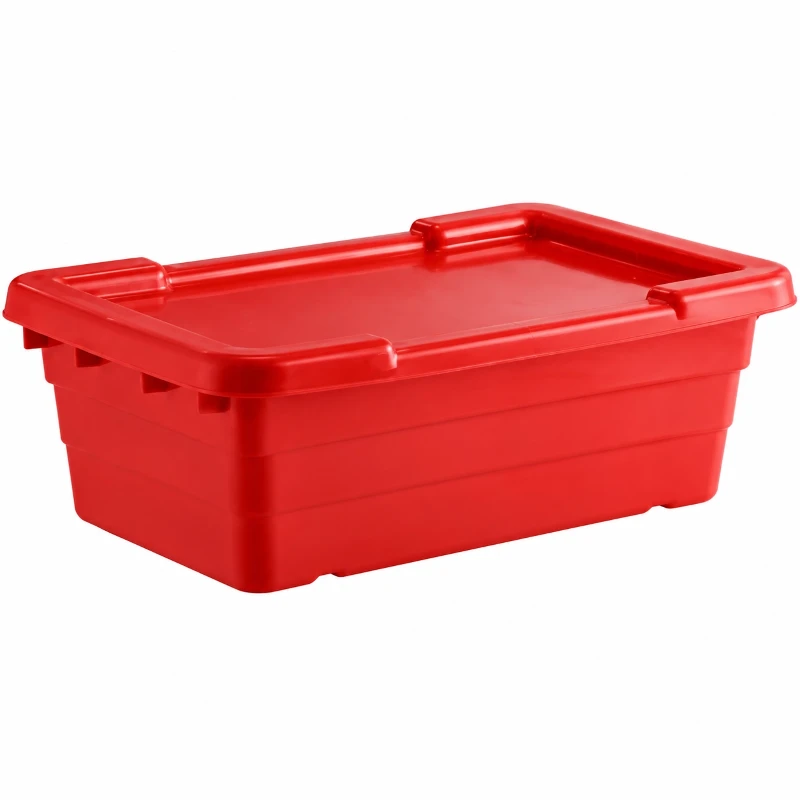
Which Plastic Materials Are Used for Food-Grade Crates?
I mainly consider PP and HDPE when selecting plastic materials for reusable food crates. Both materials have useful properties, but the better choice depends on the operating conditions and the required food contact compliance.
Comparing PP and HDPE
I compare the materials based on more than strength. I also consider temperature, impact resistance, chemical exposure, and the crate's expected service conditions.
|
Material |
Main properties |
Points to check |
|
PP (Polypropylene) |
Good chemical resistance and potential for higher heat resistance, depending on grade |
Confirm washing temperature and impact performance |
|
HDPE (High-Density Polyethylene) |
Good impact resistance, moisture resistance, and chemical resistance |
Confirm heat limits and compatibility with cleaning agents |
I do not choose PP simply because a crate will be washed with hot water. The exact resin grade and crate design affect performance. I apply the same rule to HDPE.
I also check whether the material is virgin or recycled. Recycled plastic is not automatically suitable for direct food contact. I only recommend it for such applications when the material and finished product meet the applicable requirements. When buyers need reusable crates for food processing, I confirm the operating conditions before I recommend a material.
What Hygiene Features Should Food-Grade Plastic Crates Have?
I look for crate designs that allow workers to remove food residue and clean the main contact surfaces. A strong crate can still create hygiene problems if its corners, handles, or base collect dirt that is hard to remove.
Surface Design, Drainage, and Ventilation
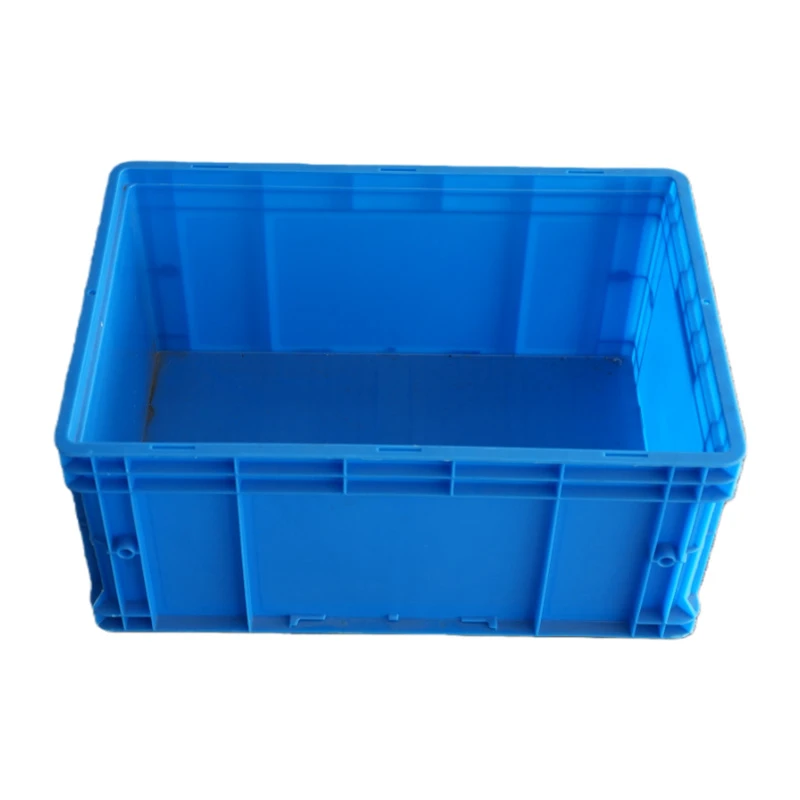
I check the inside corners, handle openings, base ribs, and drainage holes because these areas can affect cleaning. Smooth surfaces and rounded corners can reduce places where residue collects. Drainage holes can help water escape after washing, while ventilation holes can support airflow for suitable products.
However, I do not assume that every ventilated crate is more hygienic. Openings may allow contamination to enter, and some products need solid walls to protect them during handling. I match the design to the food and the cleaning process.
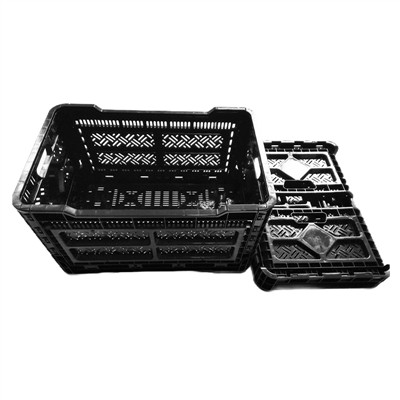
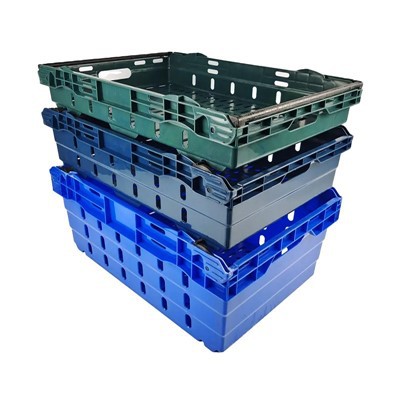
I also consider how crates are stacked. The base should sit securely on the crate below it without trapping excessive residue between surfaces. Workers should be able to inspect the crate and identify cracks, damaged areas, or remaining food particles.
When I work with a plastic crates manufacturer, I discuss these details before confirming the design. Custom features such as drainage holes, handle positions, and wall structures should support the actual operation rather than add unnecessary complexity.
What Compliance Requirements Apply to Food-Grade Plastic Crates?
I check food contact requirements according to the destination market and the intended use of the finished crate. A general statement such as "food-grade plastic" is not enough to prove compliance.
US and EU Requirements
For the US market, I check the applicable FDA food contact requirements for the materials and conditions of use. For the EU market, I review the relevant food contact material rules, including Regulation (EC) No 1935/2004 and, where applicable, Regulation (EU) No 10/2011 for plastic materials and articles.
I do not assume that every rule applies in the same way to every reusable crate. The product's composition, intended use, and market requirements determine which documents and tests are relevant.
I ask the manufacturer for the following information:
- Material specifications and relevant declarations
- Applicable migration test reports or other supporting test records
- Conditions of use, including food type and temperature limits
- Batch identification and traceability information
I also distinguish food contact compliance from general quality or environmental certifications. ISO 9001, REACH, and RoHS may support other parts of supplier evaluation, but they do not automatically prove that a finished crate complies with food contact requirements.
How Should I Clean and Maintain Reusable Food-Grade Crates?
I follow a cleaning process that matches the food residue, crate material, and operating environment. Poor cleaning can leave residue behind, while unsuitable chemicals or excessive heat can damage the crate.
Washing, Sanitizing, and Inspection
I first remove visible food residue and wash the crate with a suitable cleaning agent. I then apply the required sanitizing process when the operation calls for it. The correct concentration, temperature, and contact time depend on the cleaning product and the site's food safety procedures.
I do not use the same cleaning conditions for every plastic crate. I check the resin's temperature limits and chemical resistance before setting the washing process. I also inspect corners, handles, drainage holes, and the base after cleaning.
If I find cracks, deep scratches, or areas that cannot be cleaned properly, I remove the crate from service until the problem is assessed. Damaged surfaces can make residue harder to remove.
I also recommend separating clean crates from dirty returns. This simple step helps reduce cross-contamination during storage and transport. A reusable crate needs both a suitable design and a clear cleaning routine to support safe operation.
How Do I Choose a Food-Grade Plastic Crate Manufacturer?
I evaluate a manufacturer based on material control, production quality, product design, and its ability to provide relevant documents. A low purchase price means little if the crates do not suit the washing process or fail during repeated handling.
Material Control and Production Quality
When I assess a supplier, I ask how it controls raw materials and maintains consistency between production batches. I also review whether its quality checks cover dimensions, appearance, assembly, and the performance requirements agreed for the order.
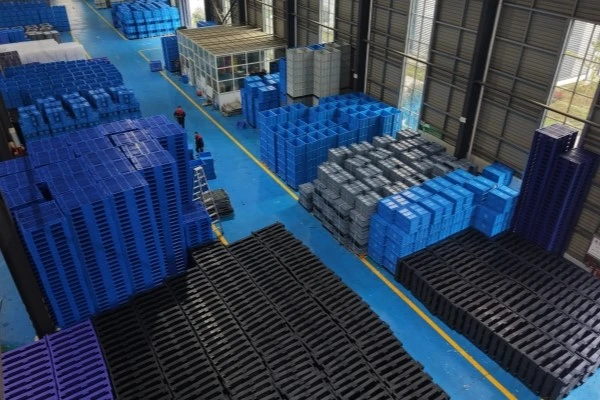
At Enlightening Plast, we have more than 20 years of experience in plastic logistics packaging and operate over 60 injection molding and rotational molding machines. We support custom crate sizes, colors, logos, ventilation, drainage, and structural features based on customer requirements.
For food-related projects, I recommend confirming the exact material grade and intended use before selecting a product. I also ask buyers to specify the required load, stacking height, cleaning temperature, and expected handling frequency. These details help us assess the suitable design and the tests needed for the application.
I do not treat a supplier's general certification list as proof that every product is suitable for direct food contact. I check the documents available for the specific material and product, along with any applicable test results. This process helps buyers compare manufacturers on practical requirements rather than price alone.
Conclusion
I select food-grade plastic crates by checking material suitability, hygienic design, market compliance, cleaning needs, and manufacturer quality control. These steps help me make a safer and more practical purchasing decision. When I source food-grade plastic crates, I start by matching the crate design to the food, cleaning process, and daily handling conditions. The right choice depends on how the crates will be used, stored, washed, and reused. If you are planning a new project or replacing existing crates, you can share your application, required dimensions, and expected order quantity with Enlightening Plast team. Enlightening Plast can then discuss suitable materials, crate structures, and customization options based on your actual needs.
FAQ
Q: Can Food-Grade Plastic Crates Be Used for Different Types of Food?
A: I recommend checking whether the crate can be safely used for each food type before changing its purpose. Strong-smelling foods, raw meat, seafood, and ready-to-eat products may need separate handling procedures. I also consider the risk of flavor transfer, allergen cross-contact, and residue from previous loads. A crate should only be reassigned when the cleaning process and food safety procedures support that change.
Q: How Can I Prevent Food-Grade Plastic Crates From Causing Cross-Contamination During Transport?
A: I separate incompatible products and keep clean crates away from dirty returns during transport. I also check the condition of the vehicle, storage area, and crate covers when protection from dust or splashes is needed. For products with specific temperature requirements, I use a suitable temperature-controlled transport system.
Q: Should I Choose Nestable or Stackable Food-Grade Plastic Crates?
A: I choose stackable crates when loaded containers need stable vertical storage. I consider nestable designs when empty crates need to take up less space during return transport or storage.