
Introduction
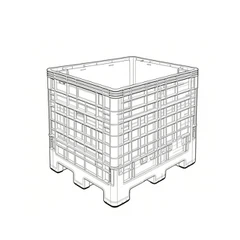
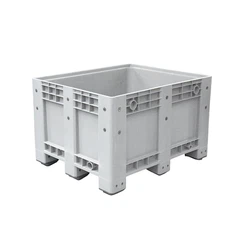
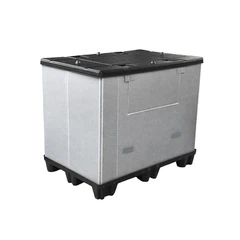
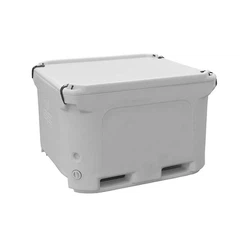
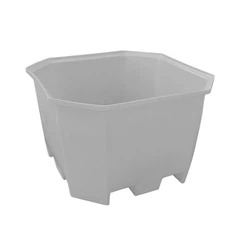
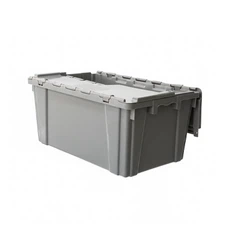
Export packaging affects more than cargo protection because it influences customs clearance, shipping efficiency, and long-term logistics costs. Traditional wooden crates may require treatment and documentation to meet applicable import regulations, while moisture exposure and single-use designs can increase cargo damage risks and packaging expenses. Plastic pallet boxes for export logistics offer a reusable transport packaging solution that helps businesses improve load handling, protect goods, and manage packaging costs across international supply chains.

Dimensions & Container Utilization
Choosing the right plastic pallet box dimensions helps buyers maximize container space while ensuring compatibility with warehouses, forklifts, and downstream handling systems.
European & Industrial Footprints
The 1200 × 800 mm footprint is common in European pallet systems, while 1200 × 1000 mm is widely used in industrial logistics, so buyers should compare both options against destination handling requirements and actual container-loading plans.
Internal vs. External Dimensions
Buyers should verify usable internal length, width, and height after accounting for wall thickness, hinges, corner supports, and lid structures to ensure automotive parts, bulk materials, and other cargo fit securely.
Container Fit
Buyers should calculate loading quantities using the container`s internal dimensions, door opening, box orientation, cargo weight, and securing requirements rather than assuming one pallet footprint always delivers the highest utilization.
Structural Design & Reverse Logistics
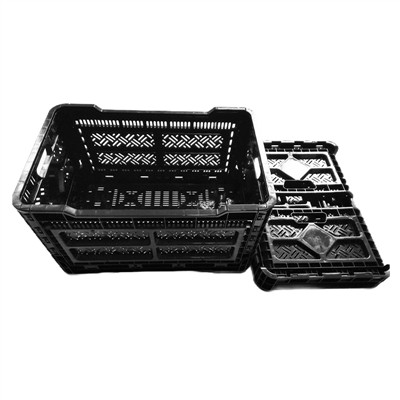
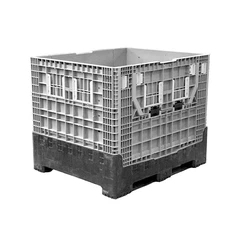
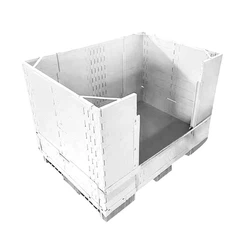
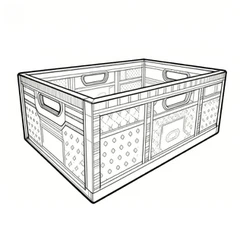
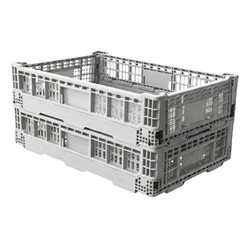
The box structure determines how efficiently cargo moves outbound and how much space empty packaging occupies during return transportation.
|
Structure Type |
Key Benefits |
Best Applications |
Reverse Logistics |

|
Fold-down walls reduce empty storage volume |
Automotive parts and closed-loop supply chains |
Efficient when empty boxes return regularly |

|
Adjustable height and removable panels |
Industrial components and mixed cargo sizes |
Collars can be stacked or stored within the pallet footprint |

|
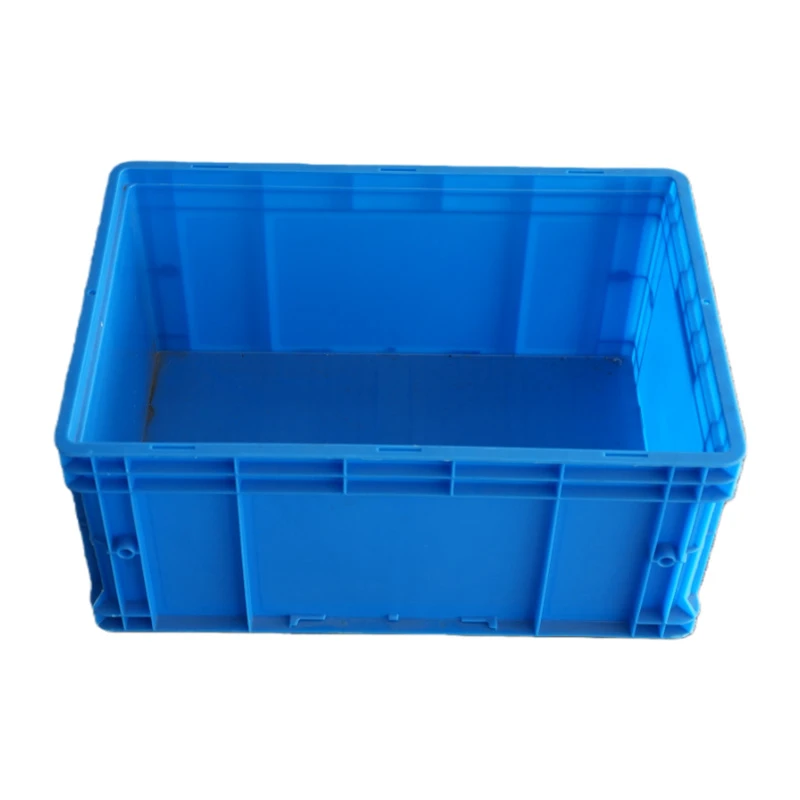
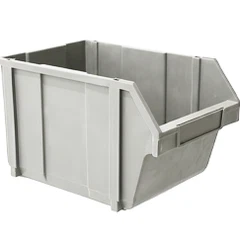
Fixed walls provide structural stability |
Heavy industrial goods and frequent handling |
Less space-efficient when returned empty |

|
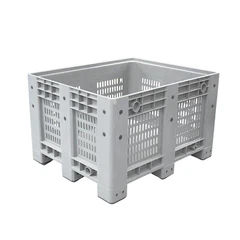
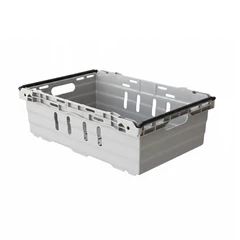
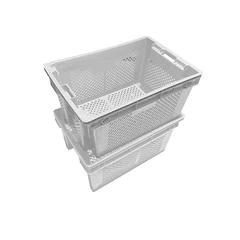
Ventilated walls support airflow and drainage |
Agricultural produce and suitable cold-chain cargo |
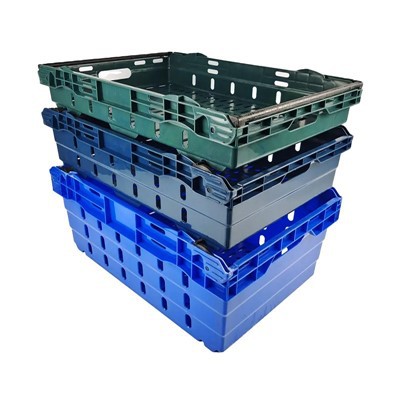
Reusable, but return efficiency depends on stackability |
Buyers should compare folded height, empty-box stacking arrangements, cleaning requirements, and return shipment frequency to determine which structure delivers the best operational fit.
Load Capacity & Stacking Safety
Load ratings must match actual handling conditions because a box that performs well on the warehouse floor may not be suitable for elevated racking or repeated forklift movement.
Dynamic Load
Buyers should verify the rated load during forklift handling, using 1,000 kg as a potential target only when the selected model and operating conditions support it.
Static Load
Buyers should confirm the maximum stationary load under specified stacking conditions, as a 4,000 kg rating cannot be assumed across different box designs.
Racking Load
Buyers using high-bay storage should check the approved racking capacity, bottom support structure, load distribution, and whether steel reinforcement is required.
Handling Compatibility
Buyers should confirm four-way forklift access, pallet jack clearance, stack alignment, and cargo restraint requirements to support safe handling at overseas warehouses and distribution centers.
Material Selection & Environmental Resistance
Material selection should reflect the destination climate, cargo characteristics, and operating conditions throughout the export journey.
HDPE
High-density polyethylene is worth considering for applications requiring impact resistance and low-temperature performance, but buyers should verify the finished product`s rated operating range rather than assume every model performs at −40°C.
pP
Polypropylene can offer a stiffer structure for suitable industrial applications, although its impact performance depends on the formulation, design, temperature, and loading conditions.
ESD Options
Electronics exporters can consider anti-static or electrostatic-dissipative plastic pallet boxes, with surface resistance test results and handling requirements verified against the relevant ESD specification.
Food Contact Requirements
Buyers transporting food should request applicable material declarations and food-contact compliance documentation instead of assuming that every ventilated box carries FDA-related approval.
Long-Term Cost & Return on Investment
Reusable plastic pallet boxes can justify a higher initial purchase price when repeated use reduces packaging replacement, handling losses, and return transportation costs.
- Cost Per Trip: Calculate packaging cost per completed trip by including purchase price, cleaning, maintenance, return freight, damage, and loss, then dividing the total by the number of successful trips.
- Reuse Potential: A service life of five to ten years may be a planning scenario for suitable applications, but actual lifespan depends on handling intensity, exposure, maintenance, and replacement rates.
- Reverse Logistics Savings: Collapsible designs can reduce empty-return volume, while the actual freight savings depend on folded dimensions, stacking arrangements, transport rates, and vehicle capacity.
- Sustainability Considerations: Reusable and recyclable packaging can support waste-reduction objectives, but buyers should assess the applicable packaging regulations and lifecycle impacts instead of assuming automatic carbon-tax deductions.
For buyers evaluating a long-term supply partner, Enlightening Plast can be assessed for its ability to support consistent plastic packaging supply and the technical requirements of repeated logistics operations. Buyers should request relevant product specifications, load-test documentation, material compliance records, and production information to verify suitability for their export routes and planned purchasing volumes.


Conclusion
Selecting plastic pallet boxes for export logistics requires more than comparing unit prices because dimensions, load ratings, folding efficiency, and material performance all influence shipment reliability and operating costs. Buyers should validate the proposed box against actual cargo measurements, container layouts, handling equipment, return logistics, and applicable destination-market requirements before committing to bulk orders. Contact a qualified supplier with your cargo dimensions, unit weight, destination market, annual demand, and return-shipping requirements to obtain a suitable configuration and a quotation tailored to your export operations.
Start Your Export Logistics Project with Us