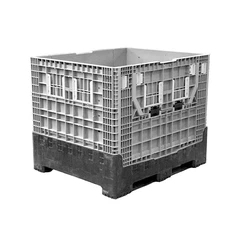
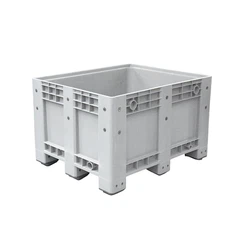
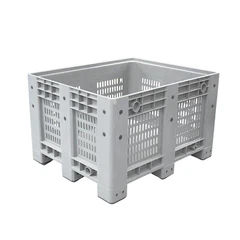
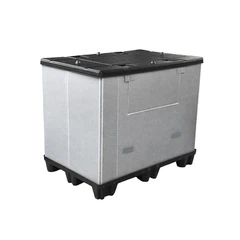
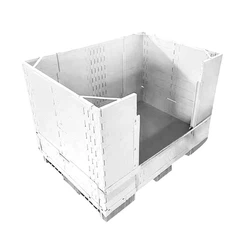
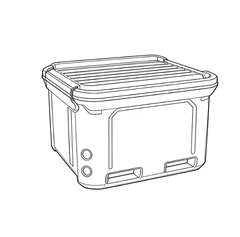
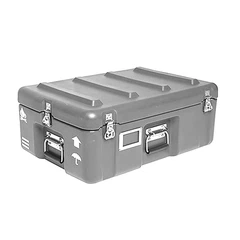
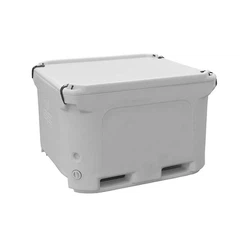
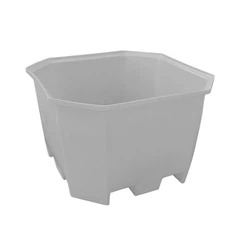
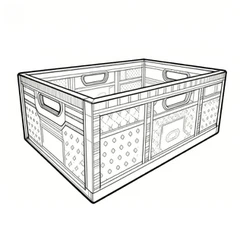
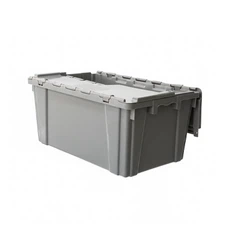
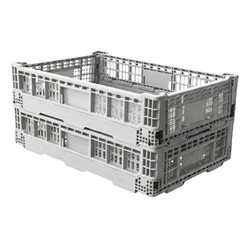
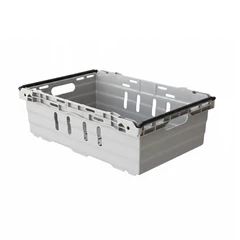
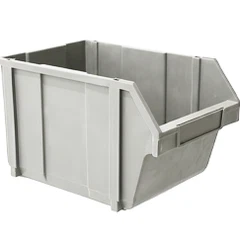
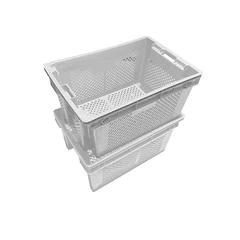
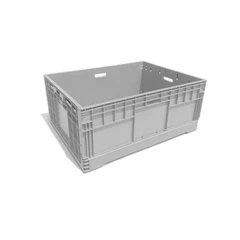
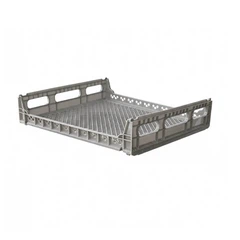
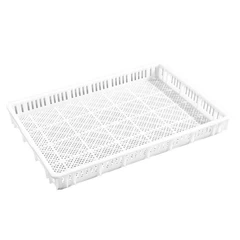
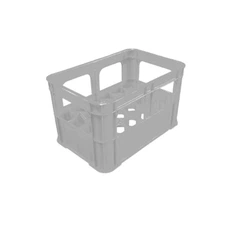
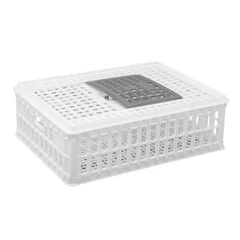
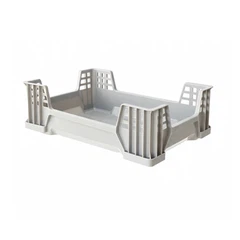
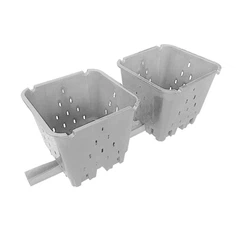
Procurement managers and supply chain leaders continue to navigate tighter margins and stricter expectations heading into 2026. New regulations, volatile fuel prices, and demands for documented emissions progress shape daily decisions. Plastic pallet boxes reduce carbon footprint in 2026 by providing a field-tested shift away from single-use wood crates and cardboard. These sturdy, reusable containers lower emissions throughout the supply chain and reduce total ownership costs over repeated cycles. They replace frequent replacements with containers engineered for hundreds of trips in demanding conditions. This guide lays out how plastic pallet boxes deliver those reductions, grounded in the lifecycle patterns that procurement teams track in real operations.

Why 2026 Is the Turning Point for Reusable Transport Packaging
Regulatory frameworks now place heavier emphasis on reuse across transport packaging. The EU Packaging and Packaging Waste Regulation establishes firm targets that supply chains must address by 2030, particularly for closed-loop movements within companies or regions. Parallel expectations emerge in North America and Asia through ESG disclosures and corporate net-zero commitments. Delaying action increases exposure to compliance costs or disruptions with key retail and manufacturing partners.
The economics support the change as well. Single-use options accumulate disposal fees and repurchase expenses quarter after quarter. Reusable transport packaging alters that dynamic. Plastic pallet boxes remain active in circulation for extended periods, cutting the volume of new material required and the emissions linked to ongoing production and disposal. Teams in agriculture, food distribution, automotive parts movement, and industrial logistics observe this pattern consistently. Early implementations show reduced damage rates, smoother forklift operations, and lower fuel consumption on return legs. In 2026 these benefits transition from advantages to baseline expectations for competitive supply chains.
Plastic Pallet Boxes vs Traditional Wooden Pallets: Carbon Footprint Comparison
Direct comparison highlights where advantages accumulate. Wooden pallets register relatively low emissions during initial production due to renewable timber. Performance diverges once service life begins in earnest. Wooden units frequently require repair or replacement after a limited number of trips. Plastic pallet boxes, molded from high-density polyethylene or polypropylene, routinely complete 100 or more cycles while holding structural integrity.
Weight differences contribute meaningfully. Plastic designs typically weigh 30 to 50 percent less than comparable wood containers. The gap compounds across long-haul trucks and container shipments. Reduced overall vehicle weight lowers diesel consumption per kilometer and curtails associated carbon dioxide output. Reviews of reusable transport systems indicate fuel-related emission savings commonly fall in the 10 to 30 percent range under standard conditions.
End-of-life outcomes widen the difference. Wood often moves to landfills or undergoes energy-intensive treatments to meet phytosanitary standards. Plastic pallet boxes enter recycling streams as high-value material. Across a full lifecycle covering thousands of trips, the average per-trip carbon footprint of a well-made plastic pallet box remains substantially lower than that of single-use or short-lived wood alternatives. Independent assessments of reusable plastic containers regularly document greenhouse gas reductions of 60 percent or more compared with disposable options in closed-loop applications.
Procurement specialists apply these figures when modeling total cost of ownership. Higher initial outlay for plastic typically recovers through fewer replacements, decreased transport expenses, and simplified ESG reporting. Ongoing warehouse audits and fleet data reinforce the pattern month by month.
4 Proven Ways Plastic Pallet Boxes Reduce Your Carbon Footprint
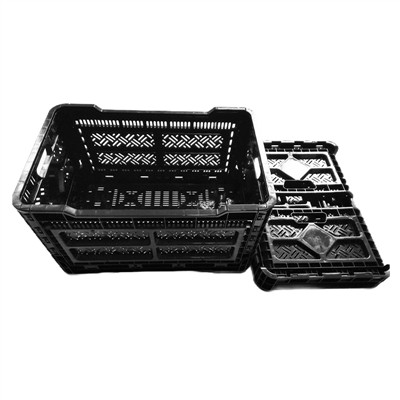
Reusability underpins the primary mechanism. A single collapsible bulk container or rigid pallet box substitutes for dozens of wood crates across its operational span. Each additional cycle eliminates the emissions associated with manufacturing, treating, and shipping a new disposable unit. In practice, operators fold empty containers for return transport, which can reduce empty backhaul volume by up to 80 percent and lower fuel burned on those segments.
Lightweight construction provides the second consistent gain. Forklifts and trucks carry greater payload with reduced effort. Across hundreds of daily movements in a typical fleet, cumulative fuel savings become noticeable. Distribution centers handling fresh produce or automotive components register the impact quickly through decreased energy costs and more efficient loading.
Material selection strengthens results further. High-grade HDPE and PP withstand abrasion, moisture, and temperature variations from minus 40 to plus 70 degrees Celsius. These traits remove reliance on chemical treatments that increase the carbon profile of wood pallets. When containers reach the conclusion of extended service, they integrate into established recycling channels without degradation in material quality.
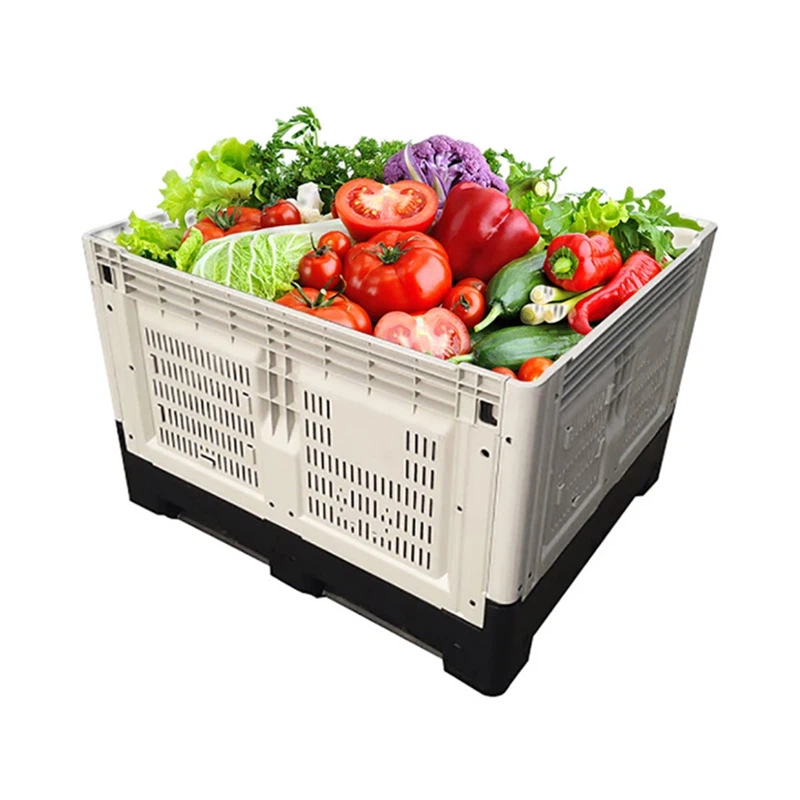
The broader reduction in waste completes the cycle. Fewer discarded units translate to lower landfill methane generation and decreased pressure on virgin timber. In agricultural operations, vented harvest bins preserve produce quality during transit, which trims downstream food waste emissions. The four elements reinforce one another. Together they generate a verifiable decline in Scope 3 emissions that sustainability and procurement groups can record and report reliably.
Real-World Case Studies: Companies Saving Big in 2026
A mid-sized food distributor transporting fresh vegetables from farms to regional warehouses illustrates one outcome. Adoption of vented plastic harvest bins eliminated repeated crate replacements and cut spoilage during movement. Fuel records indicated approximately 15 percent lower diesel consumption on return routes once empty containers folded flat. Teams also observed quicker turnaround during cleaning and improved results in sustainability audits.
An automotive parts supplier managing heavy components between multiple facilities encountered comparable requirements. Rigid pallet containers handled those loads with consistency. Packaging-related waste fees dropped by about 25 percent in the first complete year. Returnable loops reduced one-way shipments, simultaneously lowering costs and emissions. Forklift personnel noted uniform dimensions and reliable stackability, which accelerated dock processes and minimized idle time.
In bulk powder manufacturing, splicing plastic pallet boxes with adjustable heights enabled volume to align more closely with varying order sizes. The modular approach avoided excess packing and unused truck space. Carbon tracking indicated steady quarterly reductions in transport emissions. These situations share a common thread: decisions rested on measurable impacts to expenses, efficiency, and preparedness for stricter requirements rather than abstract environmental claims.
How to Implement Sustainable Plastic Pallet Boxes in Your Supply Chain – Step-by-Step Action Plan
Initiate with a baseline assessment. Document current packaging flows and quantify carbon and cost elements tied to existing wood or single-use systems. Many operations employ straightforward spreadsheet models or widely available industry calculators to determine average trips per container and associated fuel effects.
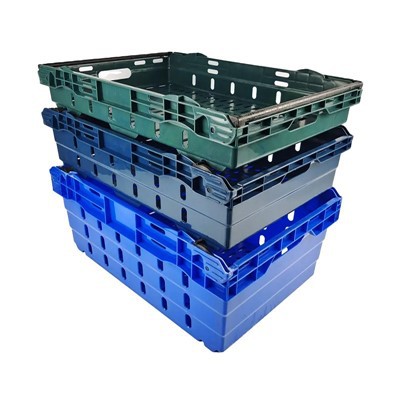
Proceed to container selection based on application. Collapsible bulk containers fit high-volume returnable circuits effectively. Rigid designs accommodate heavier stationary loads. Vented harvest bins address agriculture and food-grade specifications. Splicing models introduce flexibility where order volumes fluctuate. Suppliers experienced with pallet racking clearances, forklift specifications, and temperature parameters streamline selection.
Conduct a pilot on one route or product category. Monitor damage incidence, fuel usage, cleaning duration, and return rates across three to six months. Most configurations achieve payback within 12 to 18 months.
Expand implementation around standardized practices. Match container dimensions to current warehouse infrastructure and deliver targeted training on folding, stacking, and routine maintenance. Incorporate tracking where volume warrants the step. Schedule quarterly reviews and adjust in response to regulatory updates or changes in throughput.
Maintain thorough documentation throughout. The resulting records bolster ESG submissions and support informed supplier discussions. Methodical execution keeps the transition manageable.
Common Myths About Plastic Pallet Boxes Debunked
Some decision makers retain the view that plastic options inherently generate higher environmental impact. Comprehensive lifecycle evaluations demonstrate that soundly engineered reusable systems deliver net benefits. Manufacturing emissions register higher initially, yet distribution across hundreds of trips produces an overall reduction.
Recyclability prompts occasional questions. Contemporary HDPE and PP pallet boxes integrate readily into functioning recycling streams and return as usable feedstock. Proper end-of-life procedures prevent extended landfill presence.
Durability assumptions also surface. Quality plastic containers tolerate years of intensive handling, broad temperature exposure, and regular cleaning without the splintering or moisture uptake typical of wood. Although purchase price appears elevated at first, total ownership calculations in most industrial settings favor the reusable plastic approach.
Enlightening Plast: Delivering Reliable Sustainable Solutions
Enlightening Plast has built more than 25 years of specialized expertise in reusable packaging since its founding in 2000. The company operates a self-owned production base spanning approximately 90,000 square meters, equipped with advanced injection and roto-molding lines, over 700 injection molds, and dedicated in-house mold design and R&D capabilities. Certifications encompass ISO 9001 for quality management, ISO 14001 for environmental systems, along with CE, SGS, and GRS standards that affirm consistent material and process controls.
Materials come from established high-grade sources, with emphasis on HDPE and PP selected for mechanical strength and complete recyclability. The product range includes collapsible bulk containers, rigid pallet containers, vented harvest bins, pallet pack systems, and splicing plastic pallet boxes tailored to practical logistics demands. Customization options allow alignment of dimensions, colors, and accessories with existing operations. Exports extend to more than 230 countries and regions, supported by a stable global network that ensures reliable delivery and technical assistance as supply chains expand.
The orientation centers on measurable performance: containers that extend service intervals, lower lifecycle expenses, and satisfy the precise standards of food, agriculture, automotive, and industrial customers.
Conclusion
Plastic pallet boxes present supply chain professionals with a direct route to reduced carbon emissions while preserving operational reliability. The interplay of extended reusability, lighter weight, recyclable construction, and minimized waste corresponds closely with the regulatory landscape and business priorities of 2026. Organizations adopting these systems gain positioning relative to evolving standards and stakeholder expectations. Supporting data, mechanical characteristics, and documented outcomes converge on a single assessment. Sustainable reusable transport packaging has advanced beyond an emerging consideration. It represents the more practical choice available for implementation at present.
FAQs
How do plastic pallet boxes reduce carbon footprint compared to wooden pallets in 2026?
Across their extended service life, plastic pallet boxes generate lower emissions per trip because they complete substantially more cycles than wood. Lighter weight reduces fuel consumption in transport, and full recyclability at end of life avoids the landfill contributions commonly linked to wood.
What makes collapsible plastic pallet boxes better for sustainable supply chains?
Collapsible designs fold nearly flat when empty, which reduces return shipping volume and associated fuel requirements. Combined with durable HDPE or PP construction, they facilitate closed-loop systems that align with 2026 reuse objectives and decrease total packaging waste.
Are plastic pallet boxes recyclable and compliant with new 2026 packaging regulations?
High-quality plastic pallet boxes utilize materials that are 100 percent recyclable and frequently include ISO 14001 certification for environmental management. Their prolonged working life assists companies in meeting increasing reuse percentages specified in regulations such as the EU PPWR.
How long do plastic pallet boxes typically last in industrial use?
Well-constructed units commonly deliver 100 or more trips under demanding temperature ranges and repeated mechanical loads. This durability distributes initial production emissions across many uses and slows the rate of replacement procurement.
Which industries benefit most from switching to reusable plastic pallet boxes?
Food distribution, agriculture, automotive parts handling, and general manufacturing operations realize the most pronounced gains. These sectors manage bulk movements, uphold hygiene requirements, and monitor emissions closely-contexts in which the reusability and ease of cleaning offered by plastic pallet boxes provide tangible operational value.