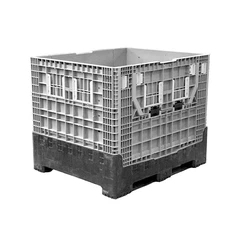
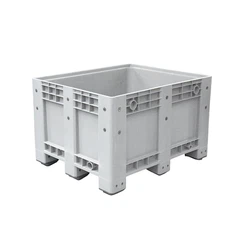
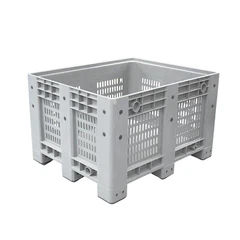
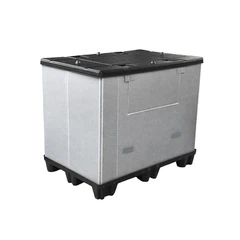
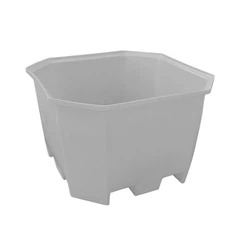
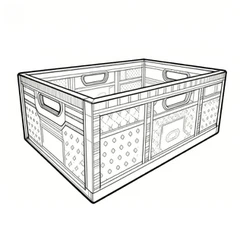
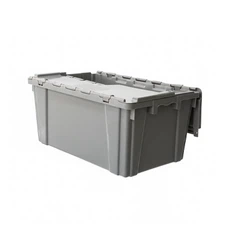
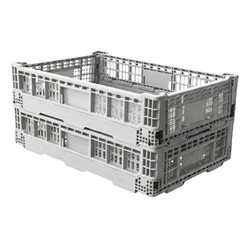
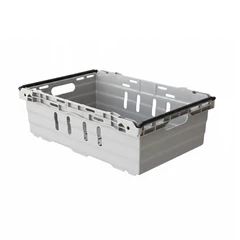
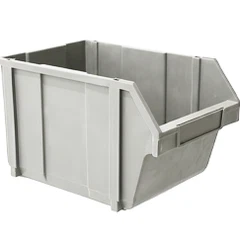
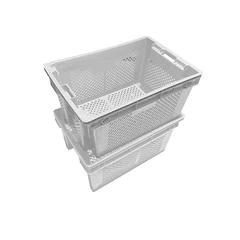
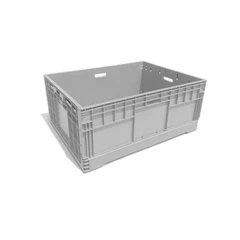
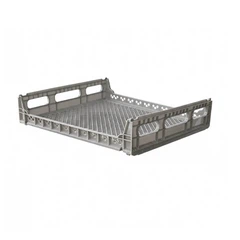
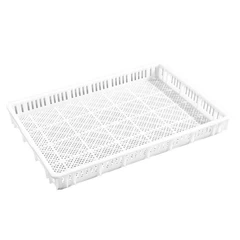
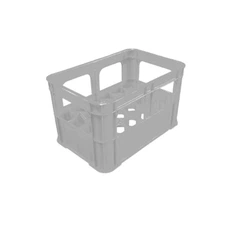
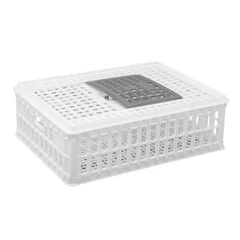
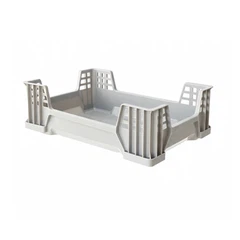
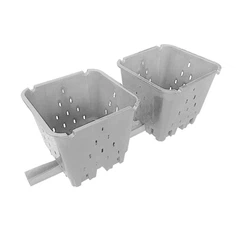
Procurement managers and operations leaders in agriculture and food processing continue to deal with post-harvest losses and the demands of live animal transport. Vented harvest bins and poultry transport crates address these challenges in practical ways. These reusable plastic containers deliver strong ventilation, support hygiene standards, and streamline handling from field to processing facility. They help cut spoilage in fresh produce while reducing stress and contamination risks during poultry movement. This guide covers field-tested practices that matter in 2026, when food safety expectations and sustainability goals keep rising.
Why Vented Harvest Bins Matter for Produce in Agriculture
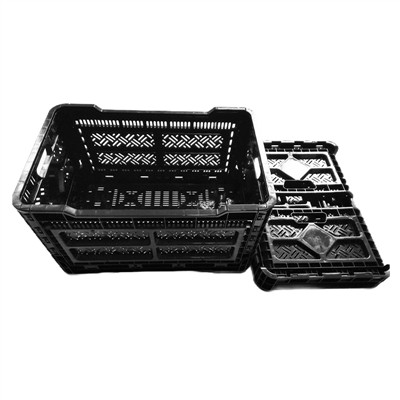
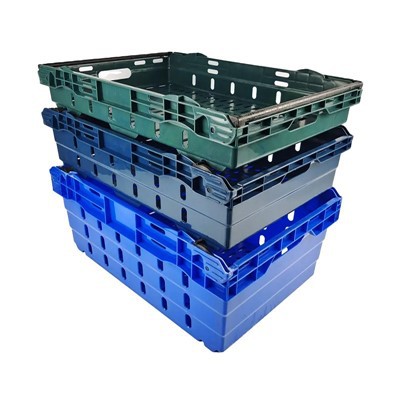
Fresh fruits and vegetables start losing quality the moment they leave the plant. Field heat builds quickly and poor airflow speeds up respiration, which shortens shelf life and pushes spoilage rates higher in many crops. Vented harvest bins tackle this with hundreds of perforations along the sides and ventilated mesh panels. The open design lets air move freely, pulls away excess heat, and manages humidity while allowing moisture to drain.
Crews in orchards and vegetable fields fill these bins right after picking apples, citrus, berries, or leafy greens. The ventilation keeps temperatures more even during short holding periods or the ride to the packing house. Solid containers trap heat and moisture. Perforated plastic versions reduce the chance of mold spots or softening. Operations that track arrival quality often notice clearer improvements once they move away from heavier traditional setups.
Temperature swings test equipment hard. Bins molded from high-density polyethylene or polypropylene handle swings from minus 40 to plus 70 degrees Celsius without cracking or losing shape. That range covers cool morning harvests and hot warehouse environments. The material stays smooth, resists odor pickup, and does not absorb liquids that could transfer flavors between loads.

Poultry Transport Crates: Key Requirements for Food Safety and Animal Welfare
Moving live birds requires steady airflow and careful design. Poultry generate body heat and moisture inside the crate. Restricted ventilation raises stress, which can increase mortality and affect meat quality downstream. Poultry transport crates include well-placed ventilation openings that allow air exchange while keeping birds secure.
Smooth interior walls make a real difference. They prevent scrapes that rough surfaces cause and allow thorough cleaning after every trip. Growers and processors need crates that stand up to repeated hot-water washes and approved disinfectants without breaking down. Food-grade HDPE or PP meets those needs and releases no harmful substances during use.
Standard models carry up to 50 kilograms. Chicken transport crates often measure 750 by 550 by 250 millimeters and weigh around 2 kilograms. Duck versions run slightly taller at 280 millimeters with a 4-kilogram tare weight. These dimensions support reasonable stocking density while still giving birds room to stand and shift enough to avoid piling. Teams that follow density guidelines report lower losses and better welfare scores in audits.

Plastic Vented Harvest Bins vs Wooden Crates: Detailed Comparison
Wooden crates have long been part of agriculture, but their drawbacks become obvious over repeated seasons. Wood soaks up moisture, holds bacteria in crevices, and splinters under rough handling. Repairs and replacements add up. Plastic vented harvest bins present a different picture. They weigh considerably less than wood equivalents, which lowers fuel consumption on trucks and makes positioning easier in the field.
Service life stands out in side-by-side use. Quality plastic bins commonly last five to ten years and complete hundreds of cycles with proper care. Wooden units often need attention after far fewer trips. Cleaning shows another gap. Smooth plastic surfaces with rounded corners rinse clean without residue. Wood takes more effort and still carries contamination risks from absorbed liquids.
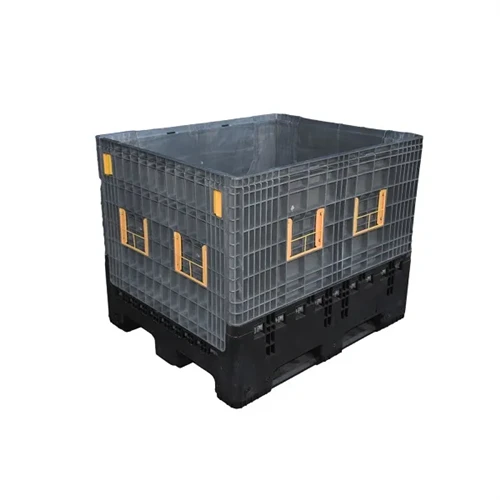
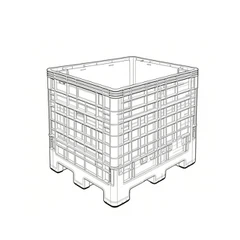
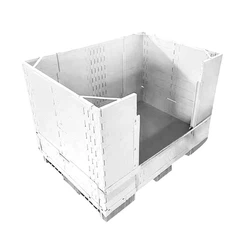
Larger vented harvest bins handle dynamic loads around one ton and static loads up to four tons when stacked. Four-way pallet entry simplifies forklift and pallet jack work in warehouses. Over a full lifecycle, total ownership costs usually tilt toward plastic because replacement frequency drops and waste handling expenses fall. Many buyers also find compliance with current food safety audits easier thanks to consistent material behavior.
Best Practices for Using and Maintaining Vented Harvest Bins
Good results start at harvest. Load bins evenly so delicate items like berries or peaches avoid pressure damage. Stack four to six high at most, depending on the specific model and contents, to keep stability and airflow intact. In the field, crews position bins to catch natural breezes when timing allows.
Cleaning routines separate reliable performance from recurring issues. After emptying, high-pressure water removes soil and plant debris. An approved sanitizer follows, then full drying before storage or the next load. The perforated structure speeds drying because water drains fast and air circulates through the openings.
Storage deserves attention too. Empty bins stay best in covered areas away from direct sun when idle. Regular checks for cracks or worn edges catch small problems before peak season. Larger operations often run dedicated wash lines with conveyors that process dozens of bins per hour.
In distribution centers, first-in-first-out rotation keeps inventory fresh. Spot temperature checks inside stacked loads can flag any ventilation shortfalls early. When followed season after season, these steps help maintain produce quality from farm gate through retail.
Best Practices for Poultry Transport Crates in the Food Industry
Preparation before loading sets the tone. Inspect every crate for damage or leftover debris. Remove feathers and organic matter from previous use. Pre-cooling crates helps when outside temperatures run high and reduces initial stress on the birds.
Loading calls for proper density so birds can regulate body temperature without crowding. Secure crates on the truck to stop shifting that might block airflow. Vehicle ventilation systems need monitoring to reach all levels of the load, not just the edges.
Unloading at the plant should happen without delay. Move crates into a well-ventilated receiving area. Empty them carefully to limit injury. The critical step comes afterward. Thorough cleaning breaks potential disease cycles.
A typical wash sequence starts with a rinse to clear organic material, followed by detergent, hot water or sanitizer application, and a final rinse. Complete drying comes next before stacking or reuse. Some facilities add a light disinfectant fog during higher-risk periods. Smooth interior surfaces make the entire process quicker and more consistent than with porous alternatives.
Step-by-Step Guide to Implementing Reusable Plastic Containers in Your Operation
Begin with a solid baseline review. Track spoilage percentages for produce and mortality or condemnation rates for poultry over several weeks. Note current replacement frequency and cleaning labor hours. These numbers give a clear starting point for comparison.
Match container specifications to the actual workflow. Vented harvest bins come in footprints such as 1200 by 1000 millimeters with heights from 760 to 810 millimeters and capacities around 400 to 640 liters. Poultry transport crates range from compact chicken models to taller duck versions. Check forklift compatibility, truck patterns, and any existing automation. Customization options cover colors, markings, or added features when volumes justify them.
Create clear standard operating procedures for cleaning and daily use. Train field and plant teams on loading techniques and inspection steps. Run a pilot on one harvest line or transport route through a full cycle. Compare results against the baseline. Most setups recover the investment through lower waste and reduced labor within one to two years.
Roll out more broadly once the pilot confirms the gains. Fold the new containers into inventory tracking and schedule regular performance checks. Adjust densities or cleaning steps as seasons or product mixes change. Keep detailed records for food safety audits and sustainability reports.
Common Challenges and How to Overcome Them
Upfront cost can raise questions at first. The extended service life and lower ongoing expenses usually balance the equation when viewed over several seasons.
Cleaning during busy periods sometimes feels heavy. Dedicated equipment and repeatable procedures cut the time noticeably. Automated wash lines help larger facilities move volume efficiently.
Stacking fit with current racking or trucks needs verification. Measure clearances and test sample units before committing to full orders.
Enlightening Plast: Delivering Reliable Sustainable Solutions
Enlightening Plast has produced reusable transport containers since 2000. The company runs a 90,000-square-meter self-owned factory in Ningbo equipped with advanced injection and roto-molding lines. More than 700 self-owned injection molds support production, with 20 to 30 new molds added each year. Raw materials come from established suppliers such as Sinopec, PetroChina, and SABIC. High-grade HDPE and PP go into every container for strength and complete recyclability.
Certifications include ISO 9001 for quality management, ISO 14001 for environmental systems, along with CE, SGS, and GRS standards. The lineup covers vented harvest bins for fresh produce and poultry transport crates for live birds, plus other solutions tailored to agriculture and food supply chains. Customization options allow dimensions, colors, and functional details to match specific operations.
Exports reach more than 230 countries and regions. The company has served major food and retail accounts for years. Its approach centers on practical performance: containers that simplify daily handling, maintain hygiene, and help control long-term costs in tough working conditions.
Conclusion
Vented harvest bins and poultry transport crates bring measurable gains in produce quality and poultry handling when paired with consistent practices. Strong ventilation, thorough cleaning routines, and careful loading details reduce losses and support compliance in a tightening regulatory environment. Operations that adopt these reusable plastic solutions frequently record lower overall costs and steadier performance across seasons. As 2026 raises the bar on food safety and sustainability, containers that combine durability with hygiene stand out as a solid choice. The practices described here draw from years of real-world experience in agriculture and food processing. They offer a straightforward route for teams focused on protecting product value while managing expenses.
FAQs
How do vented harvest bins improve produce shelf life compared to solid containers?
Vented harvest bins promote steady airflow that removes field heat and excess moisture more effectively than solid walls. This slows respiration rates in fruits and vegetables, helping maintain texture and appearance during storage and transport.
What are the best cleaning practices for poultry transport crates after use?
Start with a complete rinse to clear feathers and organic matter. Apply an approved detergent, follow with hot water or sanitizer, and finish with a final rinse. Allow full drying before reuse to limit bacterial buildup.
Are plastic vented harvest bins better than wooden crates for food safety in agriculture?
Plastic vented harvest bins provide smooth, non-porous surfaces that resist moisture absorption and clean more thoroughly than wood. They lower splinter risks and reduce places where microbes can hide, which supports stricter food safety requirements.
How long do plastic poultry transport crates typically last in commercial operations?
Well-constructed HDPE or PP crates often deliver several years of service and hundreds of trips when cleaned and handled correctly. Their resistance to impact and chemicals extends useful life beyond many traditional materials.
What size poultry transport crates work best for chicken versus duck transport?
Chicken transport crates measuring around 750 by 550 by 250 millimeters suit standard loads while maintaining good airflow. Slightly taller 280-millimeter versions in the same footprint generally perform better for ducks due to their size and movement patterns.