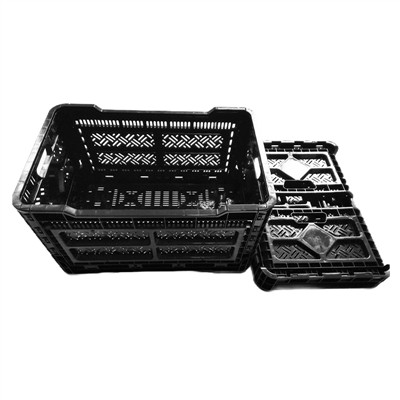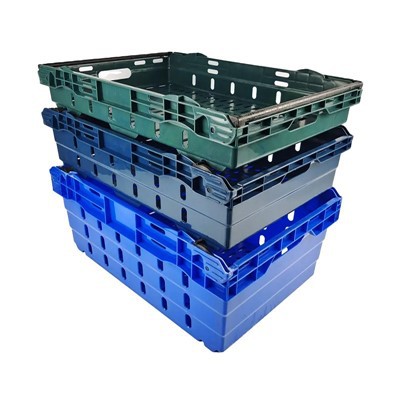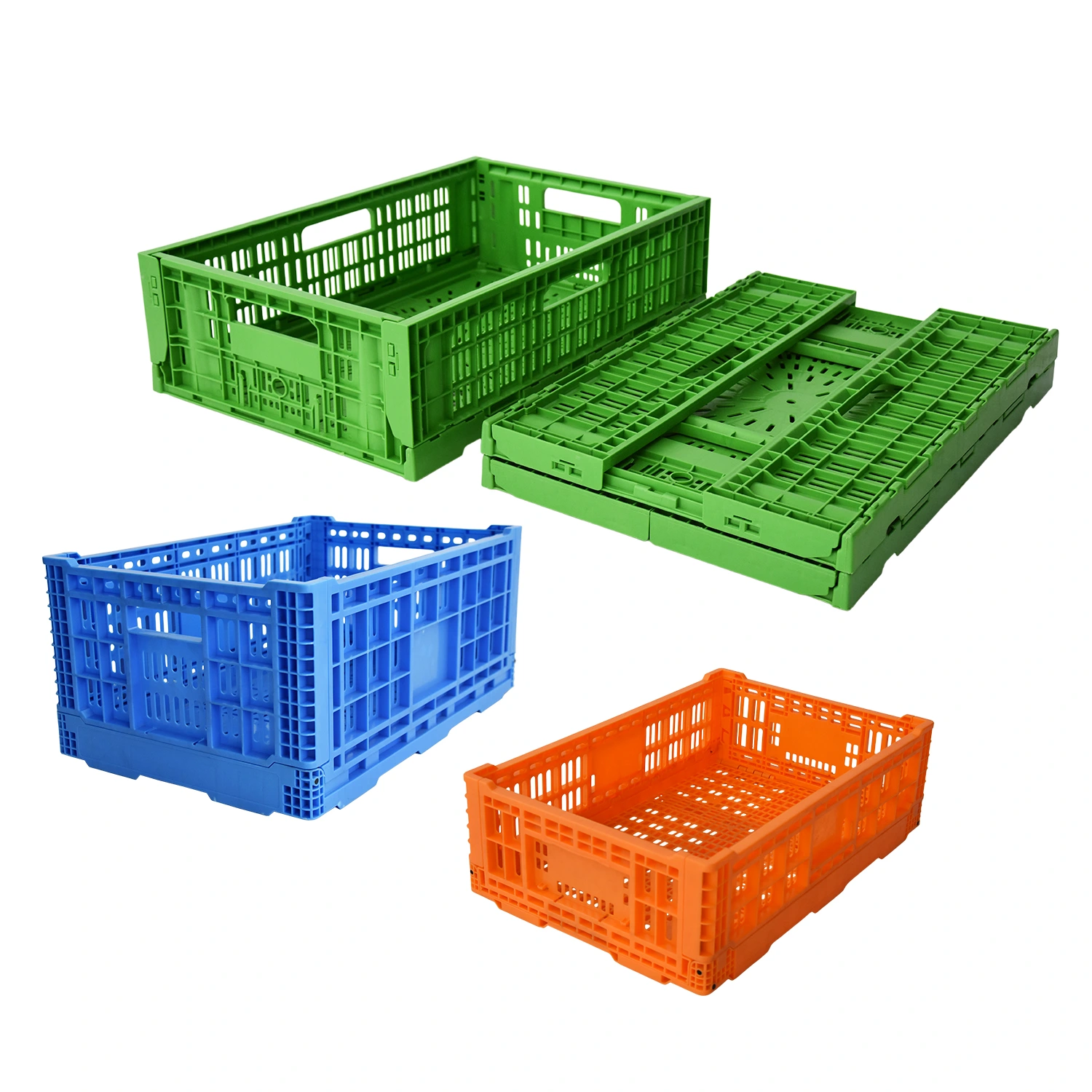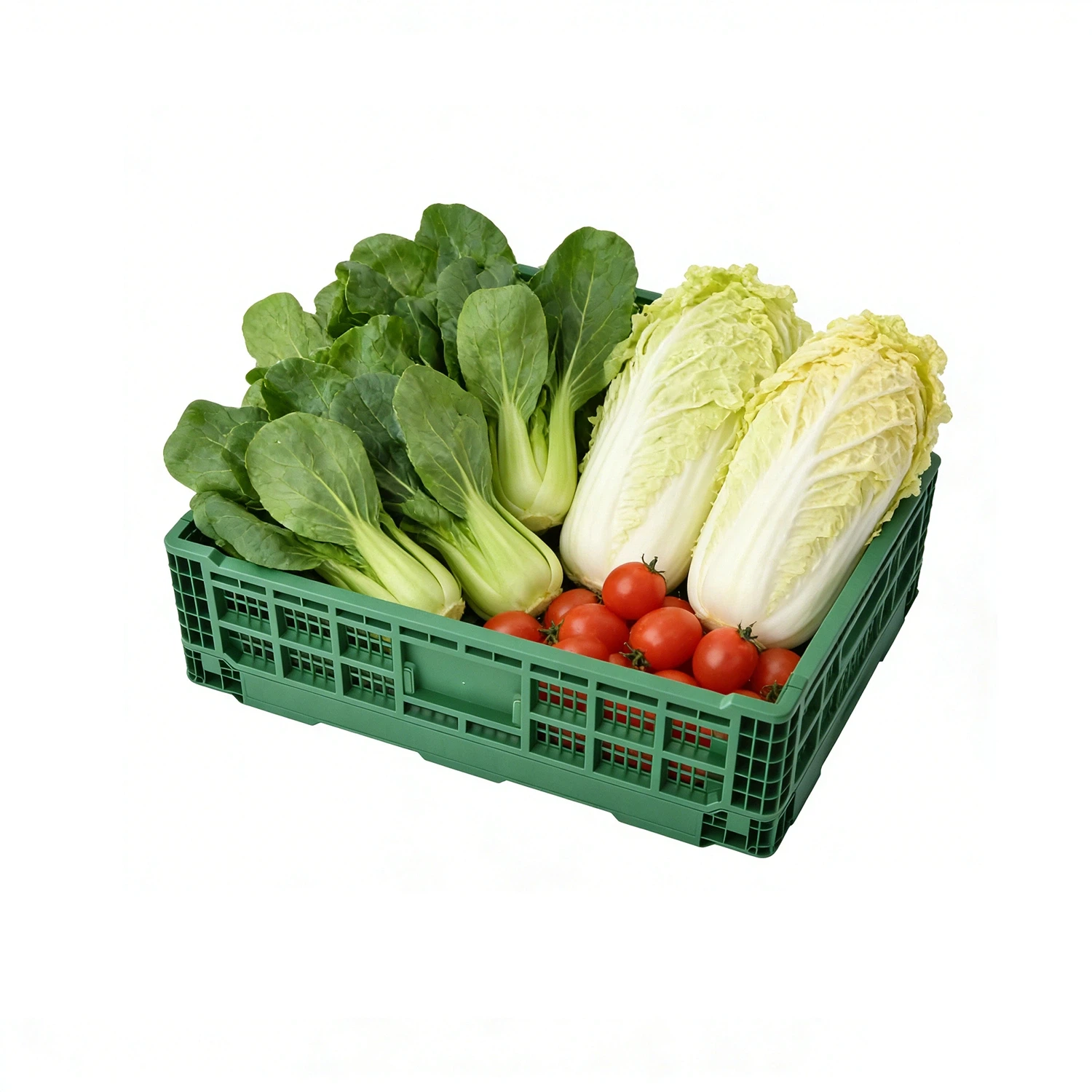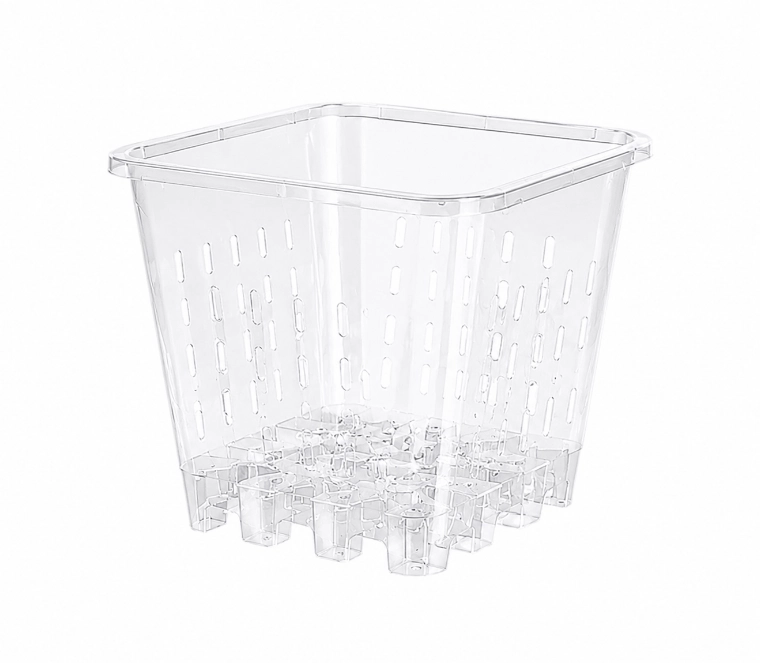
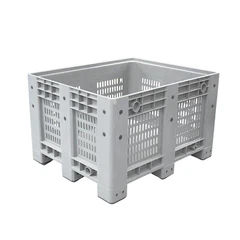
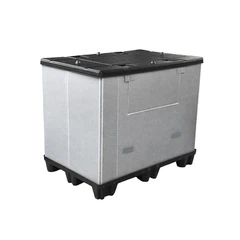
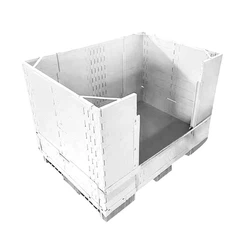
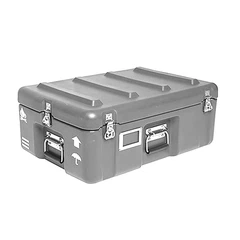
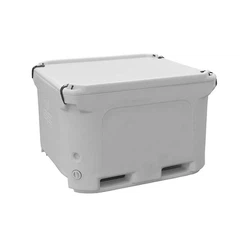
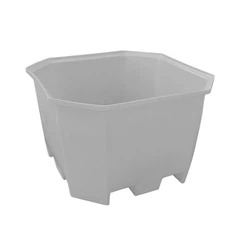
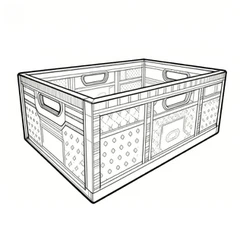
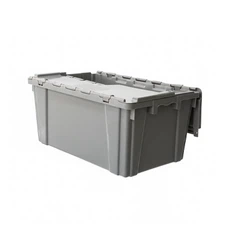
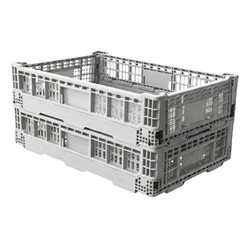
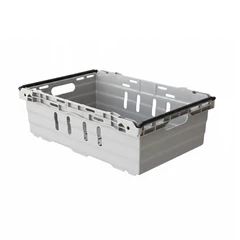
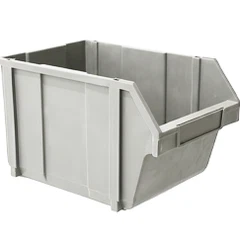
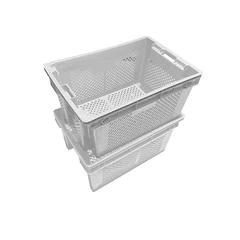
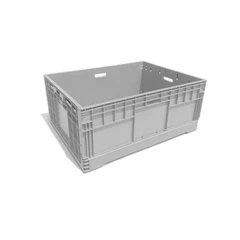
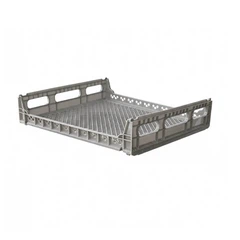
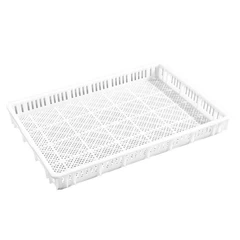
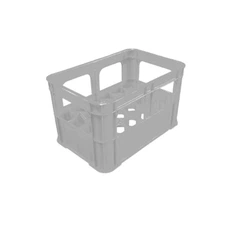
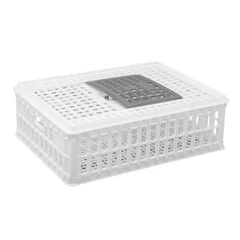
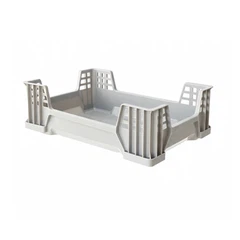
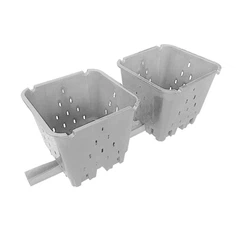
Reusable plastic crates handle constant cycles in food distribution, agriculture harvesting, poultry transport, and warehouse logistics. How to clean and maintain reusable plastic crates for maximum hygiene and longevity draws steady attention from operations teams that need to balance strict food safety requirements with practical control over replacement expenses in 2026. HDPE and PP containers move through moisture, field residues, protein soils, and mechanical handling that test both surface cleanliness and long-term structural strength.
Supply chain professionals see the consequences clearly. Residues collect in vents, handles, and ribbed sections on vented harvest bins or poultry transport crates. That buildup raises pathogen risks during audits and speeds fatigue on load-bearing areas. Crates given regular, careful attention routinely reach 200 to 500 cycles or beyond in typical closed-loop systems. The difference appears in steadier dock flow, lower annual spend on new units, and fewer claims for damaged goods.
Why Proper Cleaning and Maintenance Matter for Plastic Crates
Food safety rules and crate service life connect directly on the floor. Containers used for food contact must meet HACCP and FDA-level expectations to limit bacterial growth. Leftover soil from produce sugars or meat juices accelerates surface wear and creates hidden spots that complicate future sanitation. Teams that treat cleaning as a core daily process often extend average crate life noticeably-sometimes by more than 40 percent in high-turnover fresh produce or poultry operations.
The economic impact shows in total ownership numbers. Early cracking or warping forces more frequent purchases and adds labor time sorting damaged units. Units kept in good condition stack evenly, collapse or nest as designed when empty, and run smoothly through conveyors and automated systems. During harvest peaks or daily chicken transport cage runs, that reliability prevents bottlenecks in the return loop. Standardized routines also make audit documentation simpler and more consistent.
Essential Tools and Materials for Cleaning Reusable Plastic Crates
The right equipment delivers results without shortening crate life. High-pressure washers clear heavy soil from vented designs and reinforced corners when operators hold proper distance and choose suitable nozzles. Soft-bristle brushes or non-abrasive pads reach bale arms, handles, and compartment areas on bread trays or beverage crates without scratching smooth food-grade surfaces. Mild, approved food-safe detergents lift organic matter while staying compatible with HDPE and PP.
Sanitizers finish the job. Chlorine solutions maintained at 100-200 ppm with adequate contact time, peracetic acid blends, or labeled quaternary ammonium compounds control pathogens effectively once rinsing is complete. These choices avoid films that pull in new dirt when label instructions receive close follow-through. Strong acids, caustics, or abrasive pads stay out of the process because they etch plastic and create microscopic collection points for future soil.
Facility scale guides equipment selection. Smaller teams commonly work with portable pressure sprayers and manual stations. Larger distribution centers operate tunnel washers that combine pre-wash, detergent, rinse, and sanitize in one pass. Forced-air drying or air-knife systems speed moisture removal and cut recontamination risk. Basic protective gear-gloves, eyewear, and aprons-keeps crew members safe during chemical handling.
Step-by-Step Guide: How to Clean Reusable Plastic Crates Effectively
A solid cleaning sequence starts with pre-wash to remove loose debris and gross soil. High-pressure water works especially well on vented harvest bins or poultry transport crates, clearing holes before soil spreads into later stages.
Main wash applies warm detergent solution, often near 60°C, to all interior and exterior surfaces. Extra focus goes to handles, reinforced ribs, and internal dividers in bread trays or beverage crates. Stubborn residues from plant sap or protein respond to gentle brushing on the smooth HDPE and PP surfaces typical of quality models.
Rinsing follows right away. Potable water flushes every section until runoff runs clear. Detergent left behind can weaken sanitizers or leave films that attract dirt faster.
Sanitization needs full, even coverage at the correct concentration and dwell time. Chlorine or approved alternatives reach inside vents and under attached lids. Automated lines bring repeatability at volume, while trained crews achieve consistent outcomes manually when procedures stay tight.
Drying ends the cycle. Air drying remains the most dependable route because trapped moisture sets up conditions for mold or bacterial regrowth. Forced air helps in busy facilities. Wet crates should never move into storage stacks.
A final visual check spots cracks, deformed ribs, or missed areas. Teams that fold this inspection into every wash catch small problems before they affect the wider fleet. Adjustments differ by load type-field-fresh harvest crates may need heavier pre-wash effort, while lighter beverage or bread trays emphasize internal compartments.

Best Practices to Maintain Plastic Crates for Maximum Longevity
Cleaning frequency follows actual use intensity. Daily or after-trip washing fits most food-contact work in produce distribution or poultry transport. Drier industrial moves may allow weekly deeper cleans, but visual reviews should happen more often.
Storage conditions influence lifespan more than many expect. Clean crates stay in dry, covered spaces raised off the floor to limit dust and pest contact. Nestable and folding models save substantial floor space when empty. Extended direct sunlight stays limited, although premium HDPE and PP handle UV exposure better than many lower-grade plastics.
Simple daily habits add up. Staff flag damaged units immediately instead of forcing them back into service. Stock rotation brings older crates into regular inspection. In cold-chain settings, gradual warming before washing reduces thermal stress that can produce micro-fractures over years.
Basic logs tracking wash dates, condition notes, and repairs reveal patterns across large fleets. Many operations notice clear drops in replacement rates once these routines settle into daily workflow.
Common Mistakes to Avoid When Cleaning and Maintaining Plastic Crates
Certain repeated practices reduce performance or open hygiene gaps. Overly aggressive chemicals rank near the top. Concentrated bleach or industrial solvents may clean quickly at first but etch surfaces, turning smooth areas into collection points for soil and bacteria.
Rushing or skipping the rinse leaves detergent films that interfere with sanitizers or pull dirt faster. Another common shortfall is incomplete drying. Stacking damp crates creates ideal conditions for mold that becomes hard to remove later.
Abrasive tools cause avoidable damage. Stiff brushes or metal scrapers scratch interiors built for easy release and cleaning. Labels or adhesive left in place before washing form sticky zones that harbor microbes. Inconsistent schedules weaken the whole system-crates running daily in agriculture cannot tolerate long gaps without visible buildup and faster wear.
Why Enlightening Plast Delivers Reliable Reusable Plastic Crates
Enlightening Plast has manufactured reusable plastic transport containers since 2000 from its 90,000-square-meter self-owned facility. The plant brings together raw material preparation, advanced injection and roto-molding lines, and final assembly in one location. With more than 700 proprietary molds and consistent development of new designs each year, the company produces both standard catalog items and custom solutions matched to specific load or dimensional requirements.
Production uses high-quality virgin HDPE and PP resins chosen for impact resistance, temperature tolerance across wide ranges, and full recyclability at end of life. Certifications including ISO 9001 for quality management, ISO 14001 for environmental performance, CE, SGS, and GRS reflect controlled processes from material intake through finished product testing. Many models feature smooth, hygiene-friendly surfaces that make thorough cleaning easier-attached lid containers, folding crates, turnover crates, nestable crates, bale arm crates, vented harvest bins, poultry transport crates, beverage crates, and bread trays among them. These designs support food-grade applications while delivering consistent durability through hundreds of cycles in demanding supply chain conditions. Shipments reach more than 100 countries, and the focus remains on long-service solutions that help industrial users reduce replacement frequency and overall lifecycle costs.
Conclusion
Cleaning and maintaining reusable plastic crates effectively combines food safety protection with practical longevity in daily operations. Thorough soil removal, proper sanitization, complete drying, and careful storage work together to safeguard product quality and fleet investment. Teams that build these steps into standard procedure usually see fewer audit findings, lower damage rates, and more predictable performance through peak seasons. In 2026 supply chains, where reliability and regulatory demands continue to increase, consistent crate care offers one of the most direct ways to manage costs while meeting higher expectations.
FAQs
How often should I clean reusable plastic crates in food distribution?
Daily cleaning or after each trip suits most food-contact uses such as produce harvest bins or poultry transport crates. Regular visual checks remain valuable even in lighter applications to catch buildup before it affects hygiene or crate condition.
What is the best way to sanitize plastic crates without damaging the material?
Food-safe sanitizers like chlorine at 100-200 ppm or peracetic acid give reliable control when applied after complete washing and rinsing. Full air drying afterward helps prevent residue issues and supports the extended service life of quality HDPE and PP crates.
Can high pressure washing harm reusable plastic crates?
High-pressure washing removes soil effectively from vented areas and reinforced sections when distance and nozzle settings stay correct. Repeated excessive pressure or wrong technique can stress surfaces, so standard guidelines for each crate type help preserve maximum longevity.
How do I remove stubborn labels and adhesive from plastic crates before cleaning?
Warm soapy water or approved removers soften adhesive for gentle scraping with plastic tools. Metal blades stay avoided to prevent scratches on smooth interiors. Once residue clears, normal wash and sanitize steps restore hygiene performance.
Why does proper drying matter so much when cleaning reusable plastic crates?
Moisture left on or between crates promotes bacterial growth and mold that can compromise food safety. Thorough air drying lets sanitizers finish working and prevents recontamination in storage, directly supporting both maximum hygiene and long-term crate durability.