
Choosing plastic crates for cold storage requires more than checking size and load capacity. Low temperatures can make some plastics more brittle, especially when crates are dropped, stacked, or moved between cold rooms and loading areas. The right crate should match your operating temperature, handling method, load, and cleaning requirements.
This guide explains how to compare materials, crate structures, and product specifications so you can select a suitable option for your cold-chain operation.

Check the Required Operating Temperature
Cold storage covers different conditions, from chilled food storage to deep-freeze applications. Before choosing a crate, identify the lowest temperature it will face and whether it will move between areas with different temperatures.
Check the manufacturer's stated operating range for the exact model. A crate rated to -30°C, for example, should not be assumed suitable for a freezer operating at -35°C.
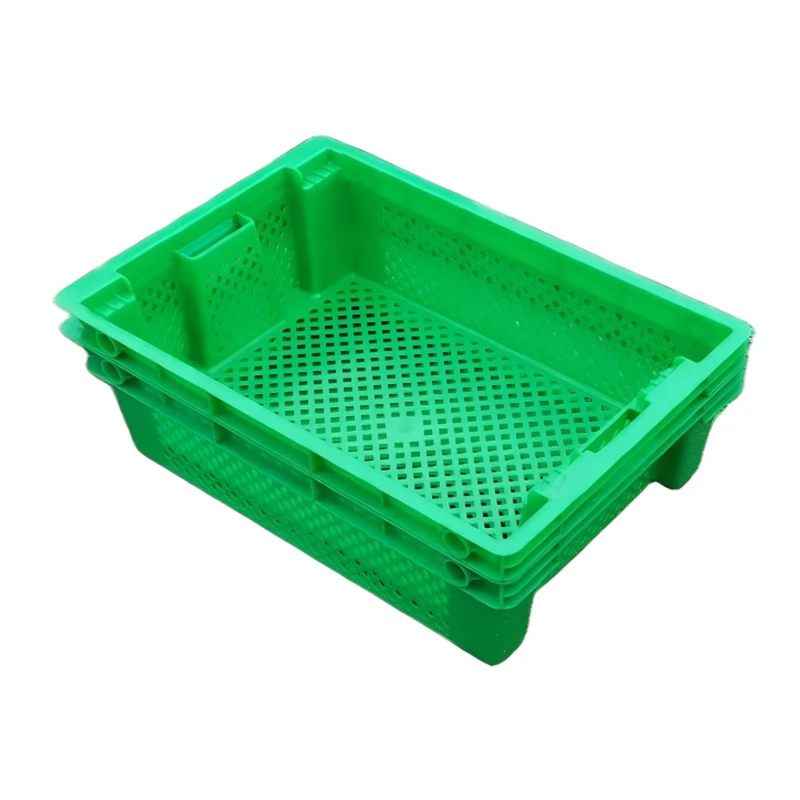
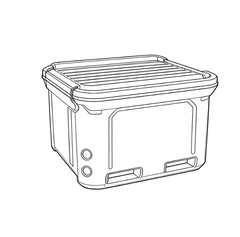
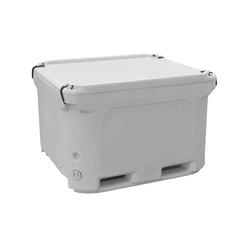
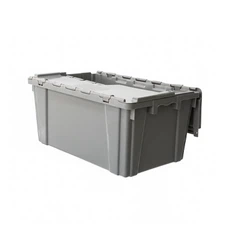
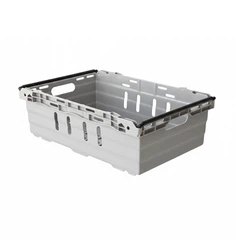
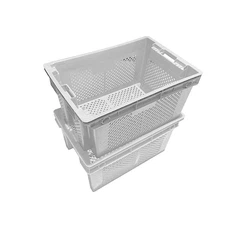
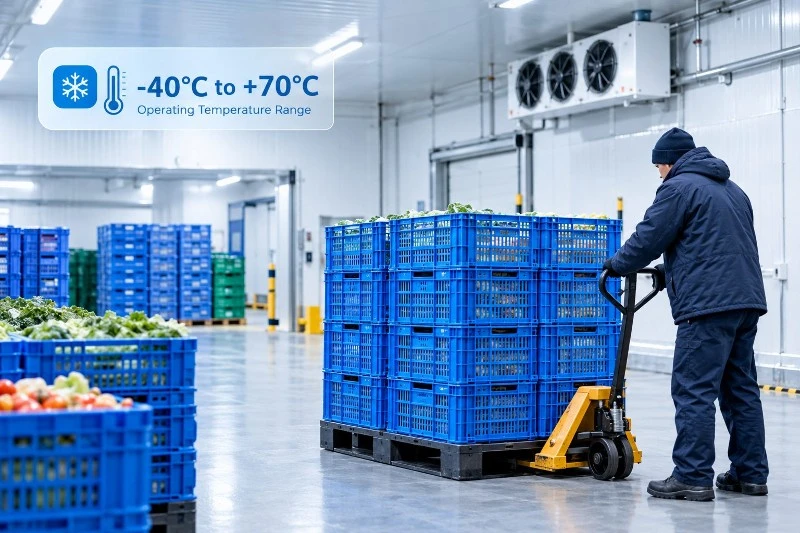
The HDPE Mesh Plastic Fruit and Vegetable Crate lists a working temperature range of -40°C to +70°C. The Cold Storage Meat Tote listed on the plastic crate has a stated minimum operating temperature of -30°C.
Choose the Right Plastic Material
HDPE and PP are common materials for reusable plastic crates, but their performance at low temperatures varies by grade and product design.
HDPE for Low-Temperature Handling
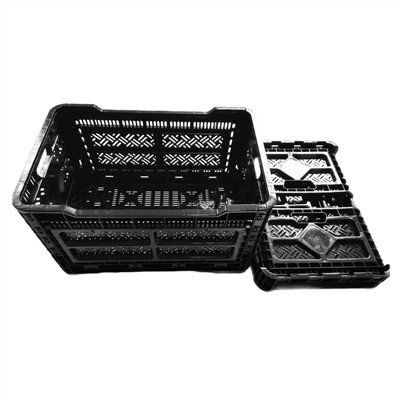
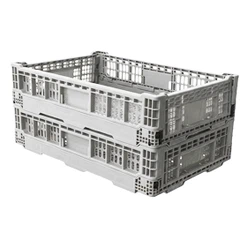
High-density polyethylene (HDPE) offers good toughness, moisture resistance, and impact resistance. It is often considered for cold-chain transport, produce handling, and food processing. The HDPE Folding Crate is one option for operations that need reusable containers and reduced empty-crate storage space. Its listed dimensions are 600 × 495 × 360 mm externally and 560 × 452 × 350 mm internally, with a weight of 2.25 kg.
When Should You Consider PP?
Polypropylene (PP) offers good rigidity and is widely used for storage and handling containers. However, its low-temperature impact performance depends on the resin grade and finished-crate design.
Select the Right Crate Structure
The crate structure affects airflow, drainage, product containment, and storage space.
Ventilated or Solid-Wall Crates
Ventilated crates allow air to move around the load and help water drain. They are often suitable for fruit and vegetables, where airflow can support cooling.
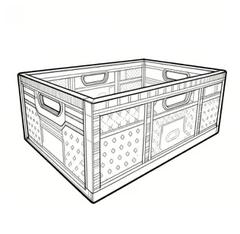
The HDPE Mesh Plastic Fruit and Vegetable Crate has a listed size of 623 × 426 × 165 mm, a weight of 1.28 kg, and a capacity of 33 liters. Its stated load capacity is 15 kg.
Solid-wall crates may suit packaged food, small components, or goods that need better containment. However, their structure can restrict airflow, so consider the cooling process and cleaning requirements before choosing one.
Folding Crates for Return Transport
Folding crates reduce the space needed to store empty containers. This can help distribution centers and food processors that regularly return empty crates.
Check the hinges, locking points, and handles, especially if workers will open and close the crates in cold conditions. For conveyor or automated warehouse use, confirm that the dimensions and base design fit the equipment.
Check Load Capacity and Stacking Performance
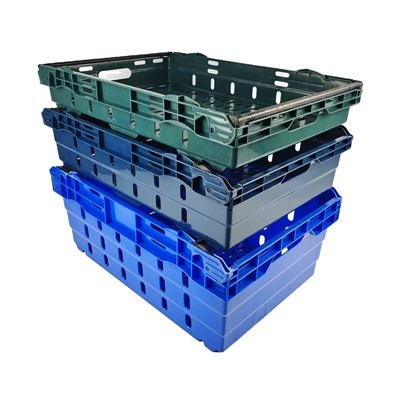
Cold storage facilities often stack crates to save floor space. Check the maximum payload, permitted stacking layers, and base strength before ordering.
Payload refers to the goods carried in one crate. Stacking limits describe how multiple loaded crates can be arranged. These figures are different, and their suitability at low temperatures should be confirmed.
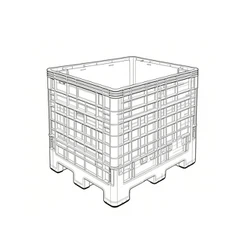
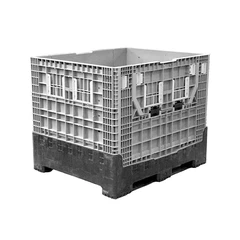
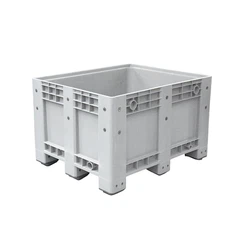
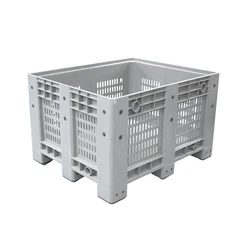
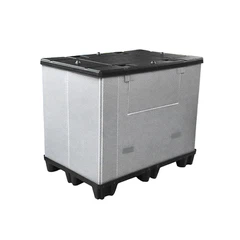
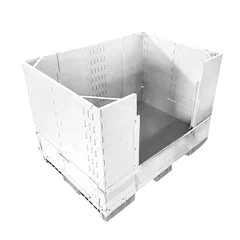
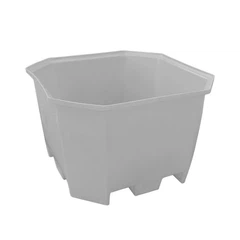
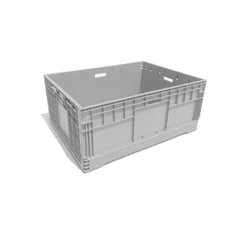
For larger loads, plastic pallet boxes may be worth considering. Confirm their load ratings and temperature suitability for the intended application.
Check Food Safety and Cleaning Requirements
If the crates will hold food directly, ask for the relevant food-contact documentation for the selected model and destination market.
The food and beverage application range provides a starting point for reviewing reusable containers for food handling. You should still confirm the material and supporting documents for the specific product.
Smooth surfaces and suitable drainage can make cleaning easier. Ask whether the crate can withstand your normal cleaning agents and wash temperatures. After washing, allow sufficient time for drying and inspect the crate for cracks, damaged edges, or deformation before reuse.
What Should You Ask Before Ordering?
Before placing a bulk order, request a specification sheet covering:
- Material type and minimum operating temperature.
- External and internal dimensions, weight, and payload.
- Stacking limits and low-temperature impact performance.
- Food-contact documents, where required.
- Sample availability, customization options, MOQ, and lead time.
A sample helps you check fit, handling, cleaning, and stacking before committing to a large order.
Enlightening Plast Industry Co., Limited manufactures reusable plastic packaging for food handling, agriculture, logistics, and industrial applications. Its factory information describes injection molding, roto-molding, and in-house mold support. If you need plastic crates for cold storage or freezer applications, contact the team with your required temperature range, crate dimensions, and load capacity to discuss suitable products and request a quote.
FAQ
Q: Which plastic is better for cold storage, HDPE or PP?
A: HDPE is often considered for its toughness and impact resistance.
Q: Are ventilated crates better for freezer applications?
A: They can support airflow and drainage, especially for produce.
Q: What should you check before stacking crates in a freezer?
A: Check payload, stacking limits, base strength, and stability at the intended temperature.
Q: What information is needed for a cold-storage crate quote?
A: Provide the operating temperature, product type, dimensions, payload, stacking method, order quantity, and any food-contact or customization requirements.