
Introduction
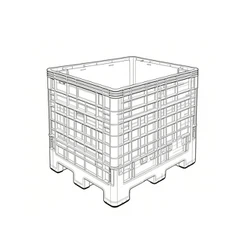
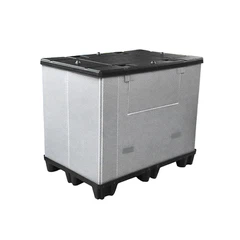
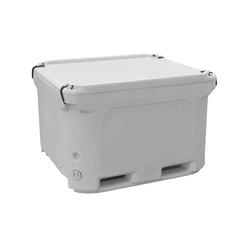
Agricultural operations often rely on multiple small containers to collect, transfer, and store bulk produce, increasing labor requirements and slowing down high-volume harvesting. Agricultural pallet boxes provide a more efficient alternative by combining large-capacity storage, forklift handling, and reusable construction in a single container for farm-to-processing logistics. By selecting the right design for each crop and handling process, agricultural businesses can reduce unnecessary transfers, improve storage utilization, and manage transportation costs more effectively.

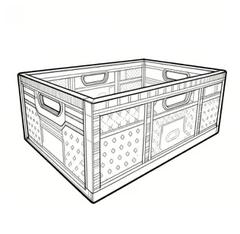
Vented vs Solid-Wall: Matching Bins to Your Produce
Choosing between vented and solid-wall agricultural pallet boxes depends on crop characteristics, airflow requirements, product protection, and the conditions encountered during storage and transport.
Vented Agricultural Pallet Boxes for Fresh Produce
Suitable Crops
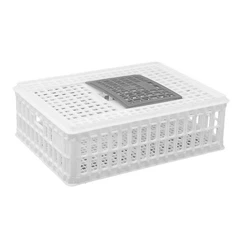
Vented pallet boxes are suitable for apples, citrus fruits, onions, potatoes, and other bulk produce that benefits from airflow during handling and storage.
Air Circulation
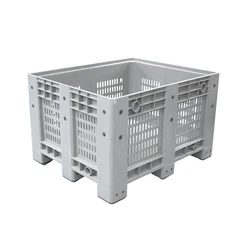
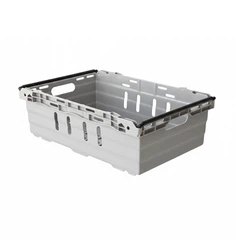
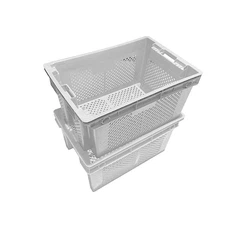
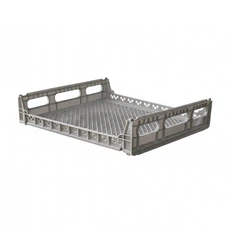
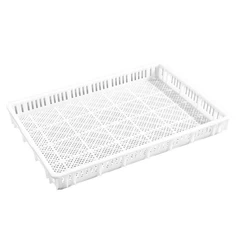
Perforated sidewalls and bases promote air movement around the produce, helping dissipate field heat and reduce moisture accumulation when combined with appropriate cooling and ventilation practices.
Cold Storage Applications
These containers support pre-cooling, refrigerated storage, and long-distance transportation by allowing cooling air to circulate through properly configured loads.
Reduced Spoilage Risk
Improved ventilation can help limit condensation-related problems, although actual freshness depends on crop condition, loading density, temperature management, and storage duration.
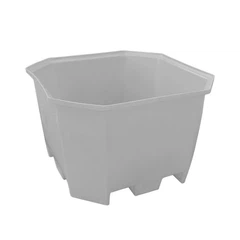
Solid-Wall Pallet Boxes for Delicate / Wet Products
Suitable Applications
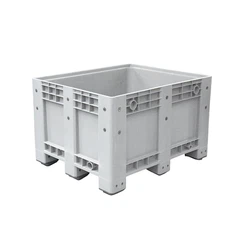
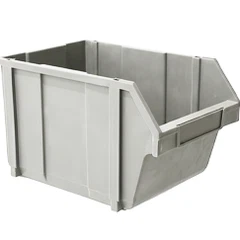
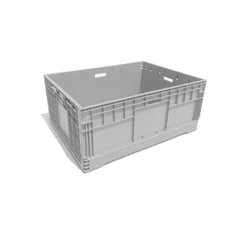
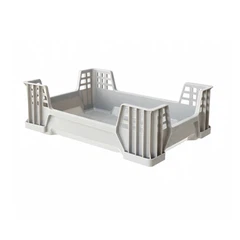
Solid-wall pallet boxes can accommodate small fruits that might escape through ventilation openings, as well as certain granular agricultural products and wet materials.
Product Containment
Continuous walls help retain small particles and provide lateral protection, while delicate fruits may still require suitable liners or internal packaging to prevent bruising under stacked loads.
Food Processing & Husbandry
Depending on their material and construction, solid-wall containers can also serve selected meat-processing, food-brining, and temporary feed-storage applications.
Leakage Control
Where liquids are involved, buyers should verify the base design, joints, drainage configuration, and sealing performance rather than assume that every solid-wall container is leak-proof.
Heavy-Duty Performance in Field & Cold Storage
Heavy-duty agricultural pallet boxes must withstand repeated mechanical handling, substantial produce loads, and temperature changes while maintaining stability throughout harvesting, storage, and transportation.
Four-Way Forklift Entry for Mechanized Handling
Four-Way Forklift Access
A pallet base with four-way forklift entry allows compatible forklifts and pallet trucks to approach from multiple directions, simplifying movement between fields, packing facilities, and cold storage areas.
Integrated Pallet Base
A one-piece molded structure can reduce the number of separate components and support efficient handling when its load rating matches the intended application.
Equipment Compatibility
Buyers should verify base dimensions, fork clearance, lifting points, and compatibility with pallet inverters or agricultural tipping equipment before integrating containers into existing workflows.
Load Capacity, Stacking Stability & Temperature Resistance
Verified Load Ratings
Some agricultural harvest bins are rated for approximately 1,000 kg of dynamic load and 4,000 kg of static load, but buyers must confirm the exact model specifications and applicable stacking conditions before loading.
Reinforced Stacking Structure
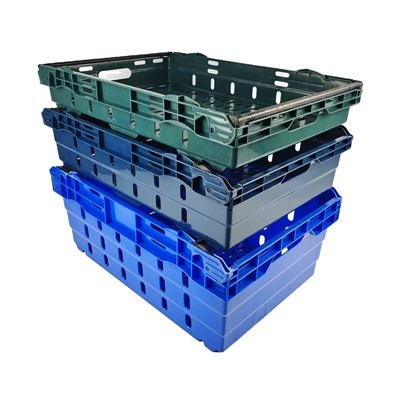
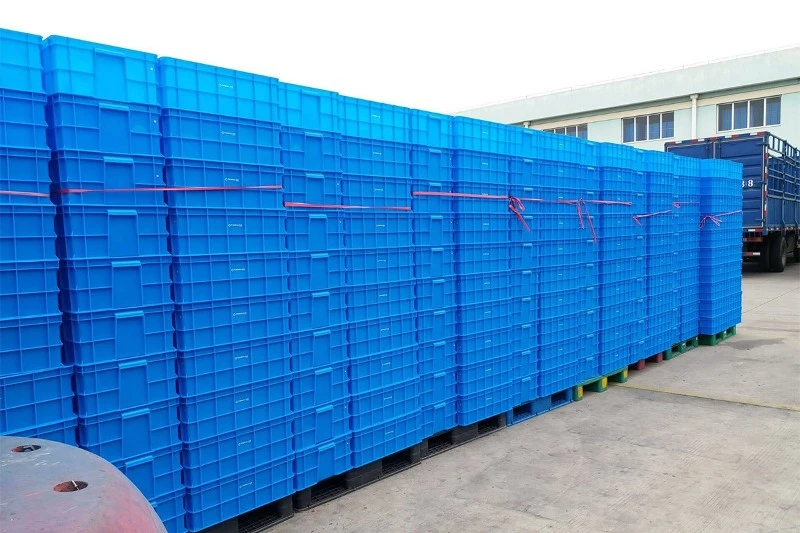
Reinforced corner posts, load-bearing ribs, and anti-slip features help distribute weight and improve stability when multiple containers are stacked within the manufacturer's specified limits.
Cold & Outdoor Performance
Selected HDPE and PP containers support operating temperatures around -40°C to 70°C, making them suitable for many cold-storage and outdoor handling applications, subject to the material formulation and model-specific specifications.
Long-Term Reuse
Durable construction and UV-resistant formulations can support repeated seasonal use, while an estimated five-to-fifteen-year service life should be treated as a target dependent on loading, sunlight exposure, cleaning practices, and maintenance.
Cutting Reverse Logistics Costs with Collapsible Options
When agricultural containers travel full to packing facilities but return empty to farms or distribution centers, collapsible bulk containers can reduce the space consumed by reverse logistics and improve overall transport efficiency.
Reduce Empty-Return Transport & Storage Space
Compact Return Loads
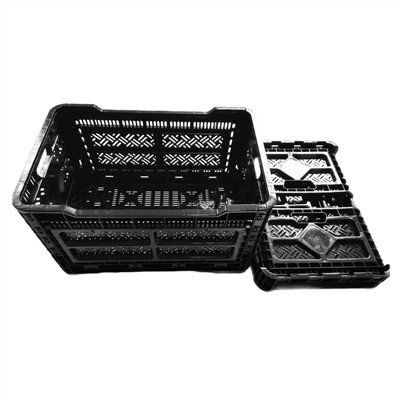
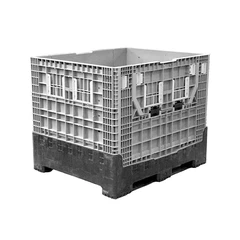
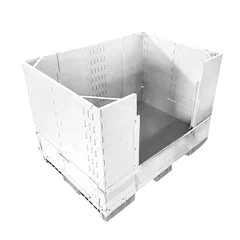
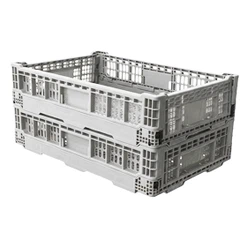
Foldable sidewalls reduce container height when empty, allowing more units to fit into available truck or warehouse space than comparable rigid containers.
Measurable Space Savings
Some collapsible designs can substantially reduce empty-container volume, but buyers should verify the folded dimensions and actual loading arrangement before treating a 60%–70% space-saving figure as a planning assumption.
Lower Logistics Costs
Procurement teams can compare truck capacity, return-trip frequency, warehouse occupancy, and folding labor to calculate potential savings across a full harvesting season.
Faster Seasonal Changeovers
Collapsible containers can be folded and stored when harvest volumes decline, helping farms and packing facilities free up floor space for other operations.
Replaceable Bases & Optional Lids
Replaceable Base Components
Containers with removable bases allow damaged sections to be replaced independently where the design supports component replacement, potentially reducing repair costs and extending usable service life.
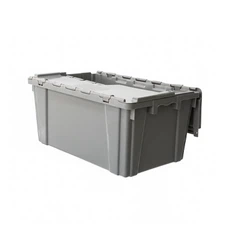
Protective Lid Options
Optional lids help limit exposure to dust, debris, and pests during storage and transportation, although the lid's fit and sealing performance must match the required level of protection.

Hygiene & Customization for Smart Agriculture
Agricultural pallet boxes must support efficient handling while meeting the cleaning, traceability, and material requirements of modern food supply chains.
Food-Contact Safety & Easy Cleaning
Food-Contact Compliance
Buyers should request documentation confirming that the specific container material and intended use meet applicable food-contact requirements, including relevant FDA regulations for the US market
Easy-Clean Surfaces
Smooth interior walls and accessible corners help remove soil and crop residues during washing, while cleaning procedures should account for the produce handled and the facility's sanitation requirements.
Reusable Material Selection
Virgin HDPE and PP are common choices for reusable agricultural containers because they resist moisture and support repeated handling, although material selection must reflect the required load, temperature, and chemical exposure.
Quality Documentation
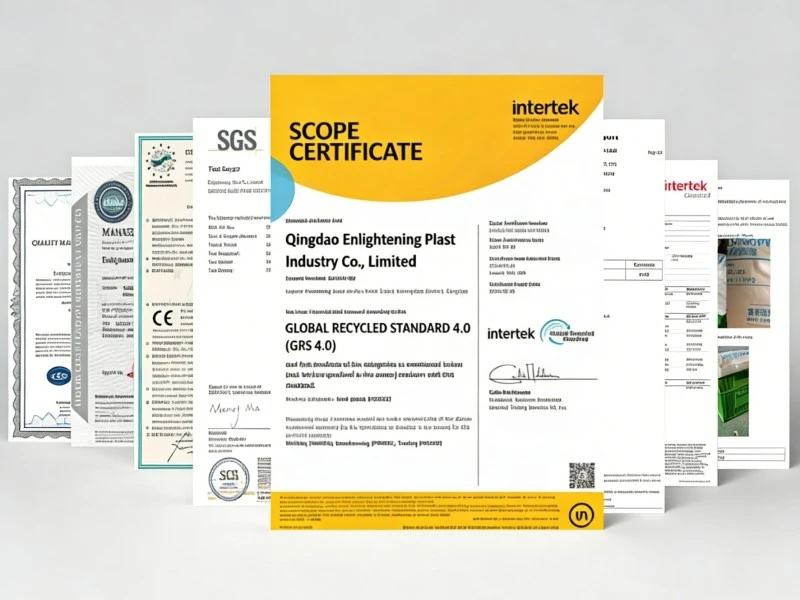
ISO quality management certification can support supplier evaluation, but it does not independently establish food-contact compliance or certify every individual container.
RFID, Logo Printing & Custom Configurations

RFID Asset Tracking
Embedded RFID tags can identify individual containers and improve visibility across farms, processing facilities, warehouses, and closed-loop return logistics systems.

Logo & Serial Number Printing
Hot stamping, laser marking where suitable, and serial numbering help identify container ownership, organize inventory, and reduce losses in shared distribution networks.

Application-Specific Configurations
Custom dimensions, colors, ventilation patterns, lids, and removable bases help buyers match container designs to crop characteristics, handling equipment, and storage requirements.
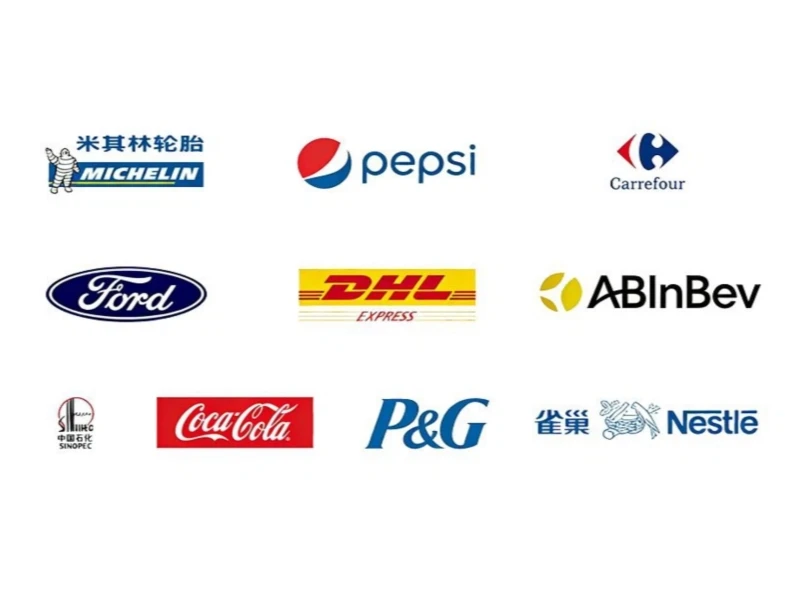
Who We Work With
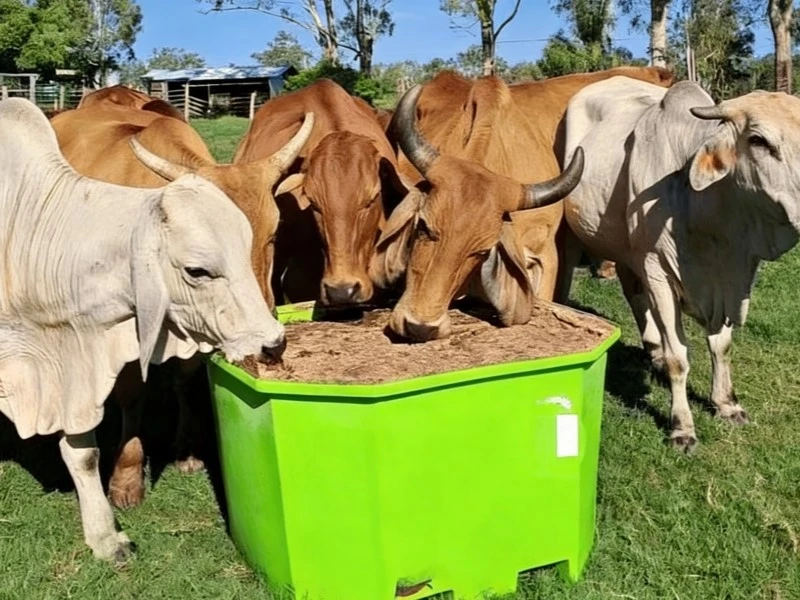
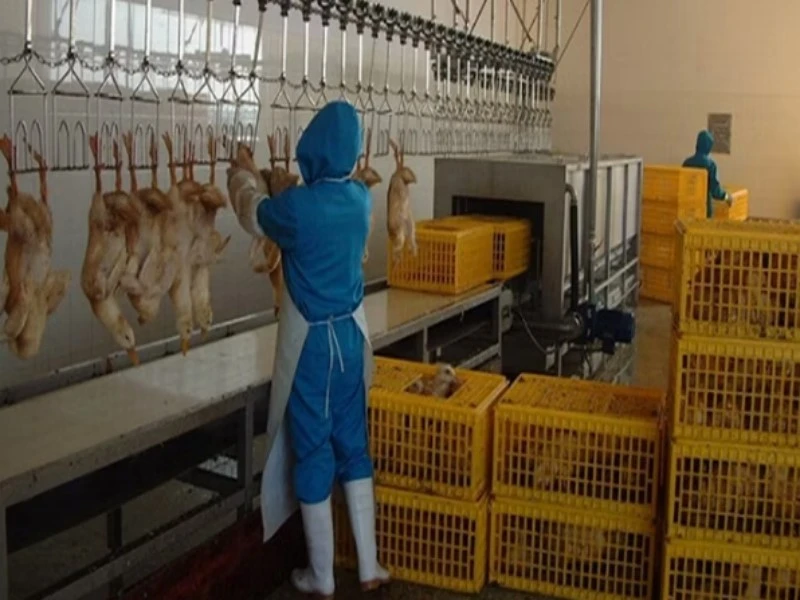
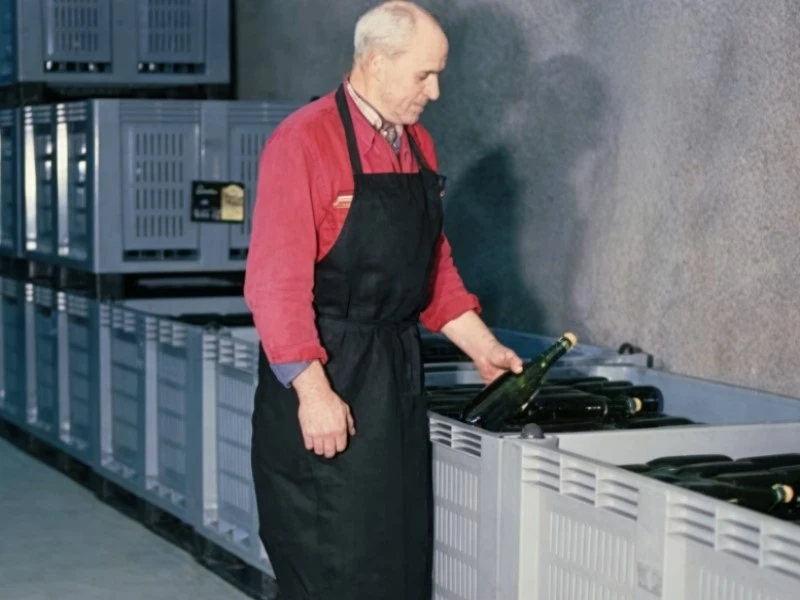
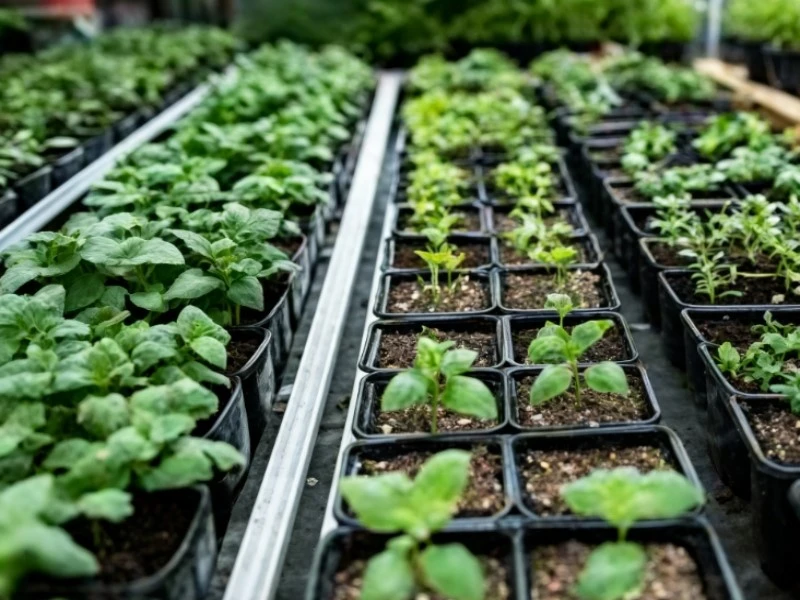
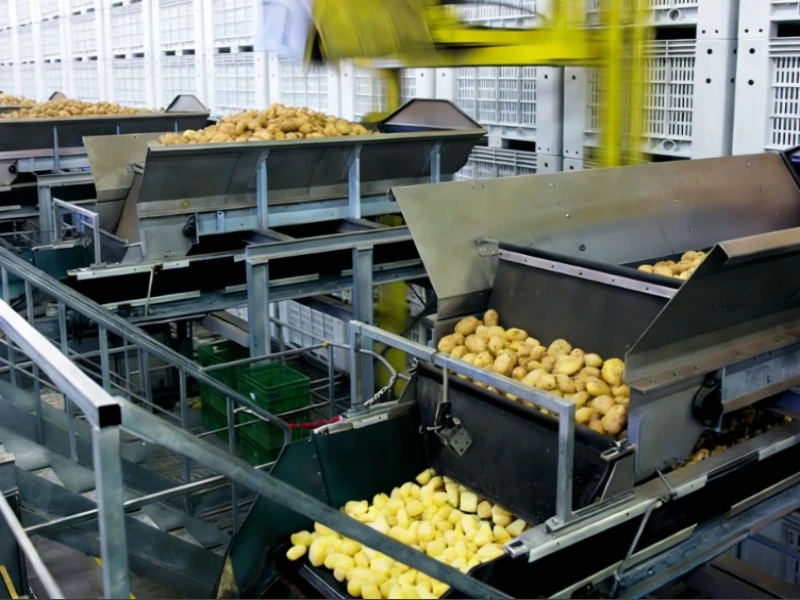
Reusable Container Solutions for Agriculture & Husbandry
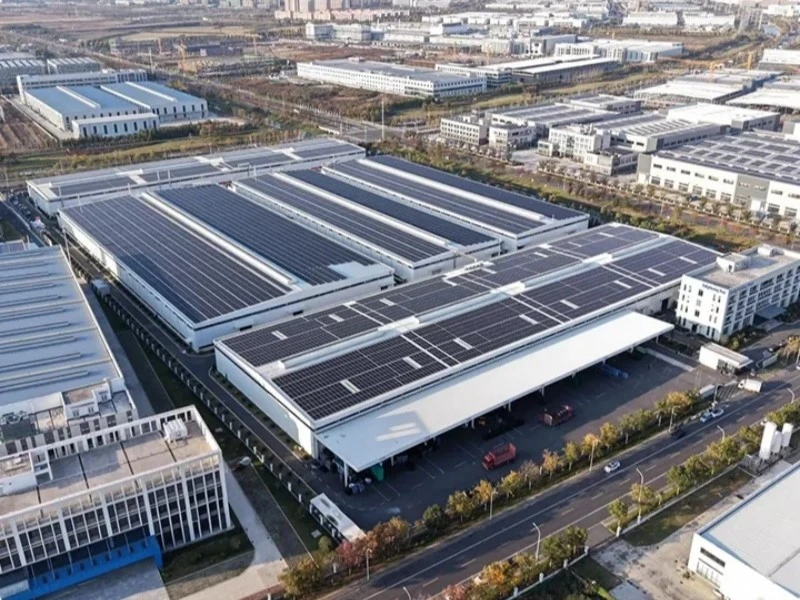
Enlightening Plast provides agricultural pallet boxes in vented and solid-wall designs, with options such as removable bases, lids, RFID integration, and customized identification to support different handling workflows. Its manufacturing and quality systems, together with product-specific technical documentation, can help agricultural buyers evaluate container suitability for their operational and food-contact requirements.

Learn More About Enlightening Plast
Conclusion
Agricultural pallet boxes help farms and food supply chains streamline bulk harvesting, improve storage utilization, and move produce more efficiently between fields, cold rooms, and processing facilities. Selecting the right combination of ventilation, load capacity, stacking design, material compliance, and collapsible functionality can improve long-term operational value while reducing avoidable handling and logistics costs. Contact our team with your crop type, required dimensions, load capacity, handling equipment, order quantity, and delivery destination to discuss suitable agricultural pallet boxes and request a customized quotation or sample.
Explore Your Tailored Agricultural Pallet Box Solution