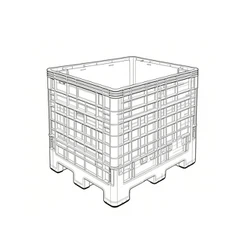
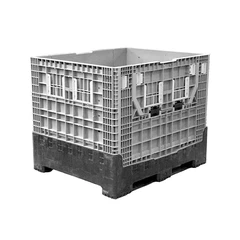
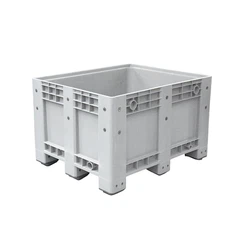
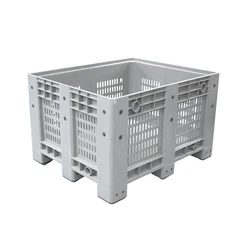
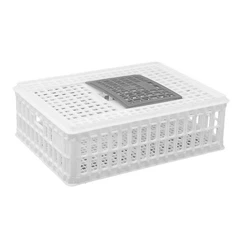
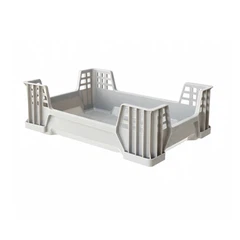
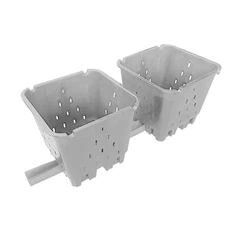

Fruit and vegetable harvesting involves frequent collection, handling, and transportation. During these steps, poor container design can lead to bruised produce, limited airflow, difficult handling, and wasted storage space. Wooden boxes and disposable packaging may also add extra work to daily farm operations. Plastic harvest crates provide a reusable option for collecting, sorting, storing, and moving fresh produce. They come in different designs, including collapsible crates, mesh crates, and large harvest bins. Each type serves a different purpose. For farms, produce distributors, and agricultural wholesalers, the right crate depends on the type of produce, loading method, storage conditions, and return transport needs. This guide explains the main features to check and introduces plastic harvest crate options from Enlightening Plast Industry Co., Limited.
Why Are Plastic Harvest Crates Used for Fruit and Vegetable Picking?
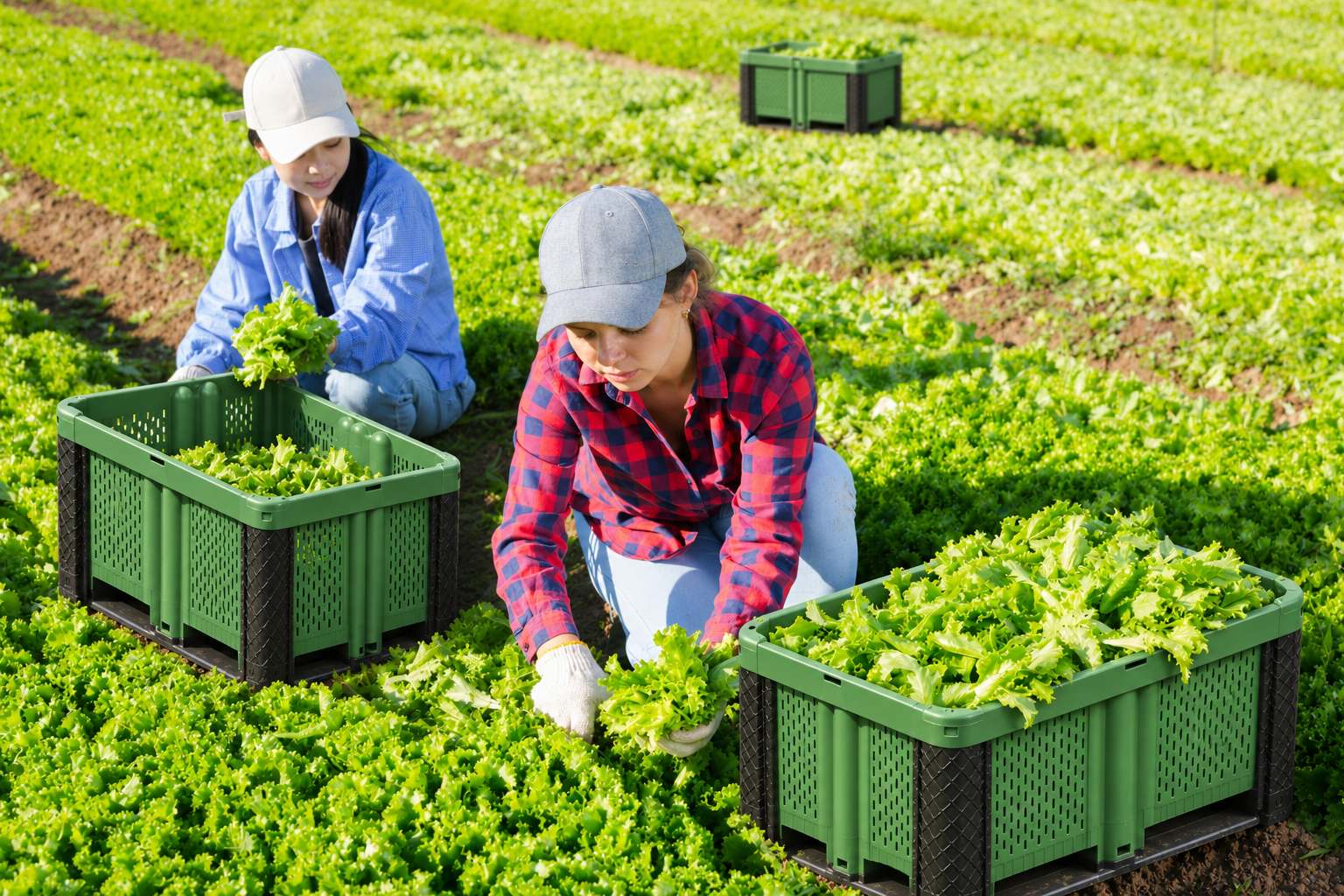
Plastic harvest crates are used throughout the produce supply chain, from field collection to packing and distribution. Their structure supports repeated handling, while different wall designs help meet the needs of different crops.


1. Protect Fresh Produce During Collection
Fresh fruit and vegetables can be damaged when they are dropped, pressed together, or moved in unsuitable containers. Plastic harvest crates provide a stable space for collected produce. Smooth inner walls and rounded corners can also reduce rough contact during handling. For delicate crops, the crate depth and loading level should be selected with care.
2. Allow Air Circulation Around Fresh Produce
Ventilation openings on the sides or bottom allow air to move through the crate. This is useful when harvested produce needs temporary storage or pre-cooling before packing. Airflow also helps moisture escape after washing. The required opening pattern depends on the crop and the way the crates are stacked.
3. Support Repeated Use on Farms
Harvesting often takes place throughout a season, so containers are used many times between fields, packing areas, and storage rooms. Reusable plastic crates can be washed and returned to service. Their non-porous surfaces are also easier to clean than many traditional wooden containers.
4. Simplify Handling and Transportation
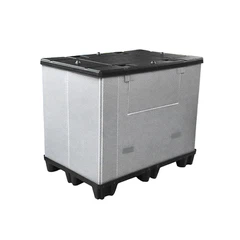
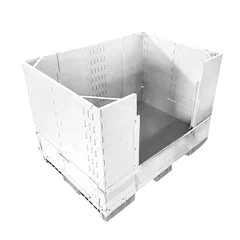
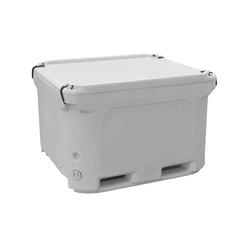
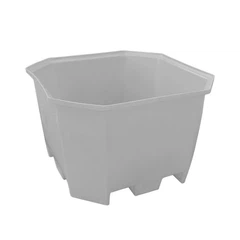
Stackable crates help organize filled produce during storage and transport. Larger harvest bins with pallet-style bases can be moved by forklifts between orchards, packing facilities, and warehouses. This reduces the need to transfer produce between different containers during each handling stage.
What Types of Plastic Harvest Crates Are Available?
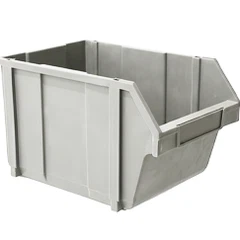
Plastic harvest crates come in several forms. Small and medium crates are often used for manual picking and sorting, while large harvest bins are designed for bulk collection and mechanical handling. Enlightening Plast Industry Co., Limited offers several options for different fruit and vegetable operations.

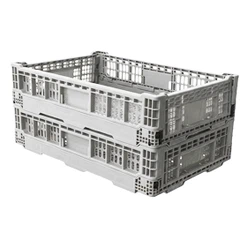
Collapsible Plastic Vegetable Fruit Crates
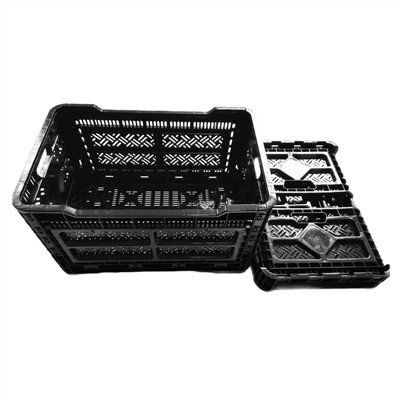
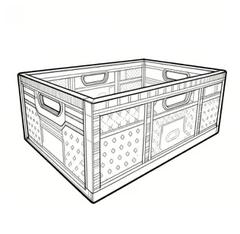
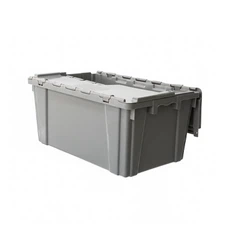
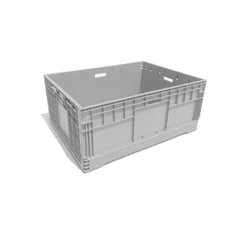
Collapsible Plastic Vegetable Fruit Crates are designed for farms and produce distributors that need to return empty crates after delivery. Their folding structure reduces empty storage and return transport space by up to 75%. Side ventilation openings allow air to circulate around the produce, while the reinforced base and corners support stable stacking. These crates are suitable for field harvesting, sorting, temporary storage, and produce distribution.

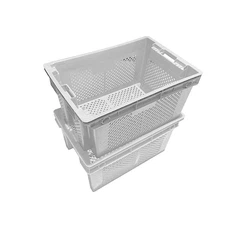
HDPE Mesh Plastic Fruit Vegetable Crates
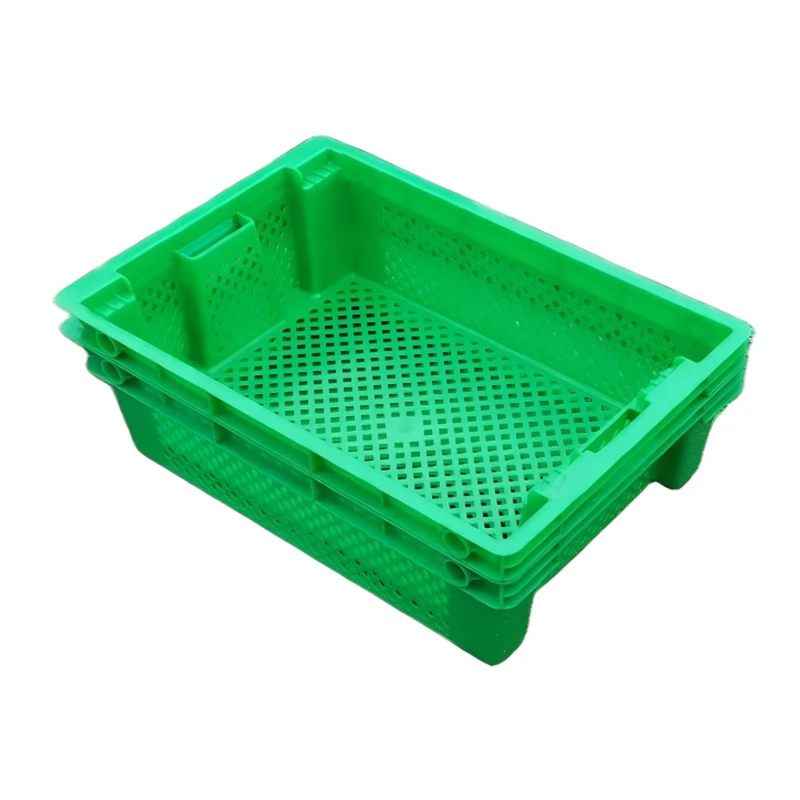
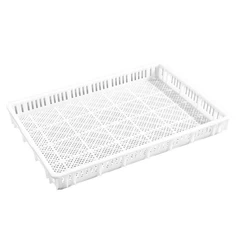
HDPE Mesh Plastic Fruit Vegetable Crates feature an open structure that allows air to circulate around fresh produce. Made from HDPE, they have a lightweight body for frequent manual handling. The smooth surface is easy to wash after contact with soil, fruit juice, and other residues. These crates are commonly used for collecting, sorting, and transporting apples, oranges, grapes, carrots, and other agricultural products.

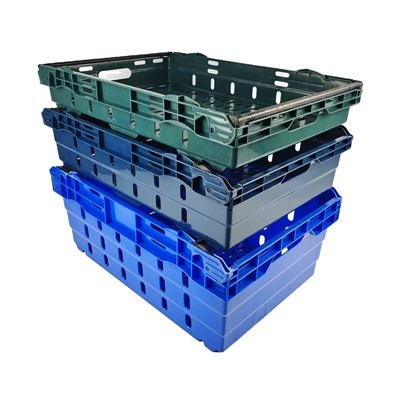
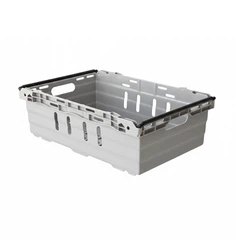
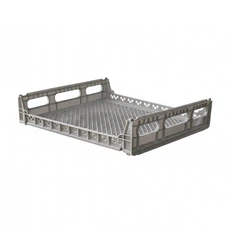
Produce Bale Arm Crates are made from food-grade HDPE and feature movable bale arms, ventilated sidewalls, and a mesh base. The open structure supports airflow and allows water to drain during washing. Bale arms and support rails help keep loaded crates stable when stacked, while the nestable design saves space when empty. These crates are suitable for collecting, sorting, packing, and transporting apples, tomatoes, peppers, cucumbers, and other fresh produce.
The choice between these products depends mainly on the daily handling process. Collapsible and mesh crates are useful for manual collection and sorting. Large harvest bins are more suitable for bulk handling, forklift movement, and storage between harvesting and packing.
How Does Ventilation Affect Fruit and Vegetable Storage?
Ventilation is a key feature in many agricultural crates. Fresh produce can release heat and moisture after harvesting. If air movement is limited, heat and moisture may build up inside a loaded container, especially when crates are stacked in storage areas.

1. Sidewall Ventilation
Openings on the sidewalls allow air to move between the crate and its surroundings. This design is common in fruit and vegetable crates used for field collection, sorting, and temporary storage. The size and layout of the openings should match the produce and the required level of support.
2. Bottom Ventilation and Drainage
Bottom openings allow air to reach the lower part of the load and help water drain after washing or rain exposure. This is useful for harvest bins used in wet agricultural environments. Drainage design also makes cleaning easier, as water is less likely to remain inside the container.
3. Choosing Ventilation for Different Produce
Apples, citrus fruits, root vegetables, and leafy vegetables have different handling needs. Firm produce may be transported in larger vented bins, while smaller or more delicate crops may need crates with a suitable opening pattern and a more controlled loading depth. Buyers should consider the crop, storage temperature, stacking method, and pre-cooling process together.
How Do Stackable and Nestable Harvest Crates Differ?
Stacking and nesting are two different ways to manage crate space. Both can help farms and distributors handle containers more efficiently, but they are used at different stages of operation.

1. Stackable Crates for Loaded Storage and Transport
Stackable crates are designed to sit securely on top of each other when filled. Reinforced corners, a stable base, and matching edges help support the load above. This arrangement is useful in packing areas, cold rooms, and delivery vehicles where filled crates need to be stored in vertical rows. The permitted stacking height should follow the product specifications and actual load conditions.
2. Nestable Crates for Empty Storage and Return Transport
Nestable crates fit partly inside one another when empty. This reduces the space needed to store unused containers and makes it easier to return them from distribution centers to farms. For businesses with frequent delivery and crate collection, the difference can be clear during busy harvest periods. Some models combine stacking and nesting functions, so the exact structure should be checked before ordering.
What Size Harvest Crate Should You Choose?
The right crate size depends on the crop and how it moves through the farm. A crate that works for apples may be too deep for soft fruit or too small for bulk root vegetables. Buyers should look at the full handling process before choosing a model.
Consider the Type and Size of Produce Small fruits, large vegetables, and irregularly shaped crops need different internal space. The crate should hold the produce with enough room for normal handling. For delicate fruit, a suitable loading depth can help reduce pressure from the upper layers;.
Check Loading Capacity The weight of the produce affects the crate structure and stacking requirements. Buyers should check the rated load capacity and consider how many filled crates will be stacked during storage or transport. Heavy crops such as potatoes and pumpkins may need a stronger crate or a large harvest bin;.
Match the Crate to Handling Equipment Manual picking, conveyor sorting, pallet handling, and forklift transport each have different requirements. Smaller crates are often easier for workers to carry between rows, while pallet-base harvest bins work better with forklifts. The external dimensions and base design should match the equipment used at the farm and packing facility;.
How Should Plastic Harvest Crates Be Cleaned and Maintained?
Plastic harvest crates are used in fields, packing rooms, and storage areas, so dirt and plant residues can build up after repeated use. Regular cleaning helps keep containers ready for the next harvest cycle and supports better handling conditions.
Leaves, soil, stems, and fruit residues should be removed after each use. Pay attention to corners, mesh openings, and drainage holes, where small pieces of debris can remain.
Wash crates with a suitable cleaning method based on the farm's hygiene requirements and the type of produce handled. After washing, allow water to drain fully before stacking or storing the crates. This is especially useful for ventilated models with bottom drainage openings.
Check the walls, base, corners, and stacking edges for cracks or deformation. Folding crates also need inspection around hinges and locking parts. Damaged containers should be separated from regular stock, especially when they are used for stacked loads.
What Should Buyers Check Before Ordering Plastic Harvest Crates?
For farms, distributors, and wholesale buyers, choosing a crate is a practical purchasing decision. The container needs to fit the produce and the daily handling process. It should also work with the existing storage and transport equipment.
Before placing a bulk order, buyers can prepare the following details:
- Produce Type: Apples, citrus fruits, grapes, vegetables, root crops, or mixed produce.
- Crate Structure: Collapsible, mesh, stackable, nestable, or large pallet-base design.
- Material: HDPE or PP, based on the required structure and working conditions.
- Ventilation: Side openings, bottom openings, or drainage holes.
- Loading Requirements: Expected weight per crate and stacking conditions.
- Handling Method: Manual carrying, conveyor systems, pallet jacks, or forklifts.
- Customization: Color, logo printing, and other available product options.
- Order Requirements: Estimated quantity, sample needs, and delivery schedule.
Enlightening Plast supports wholesale orders and product customization for agricultural buyers. Free samples are available for evaluation, with shipping costs paid by the buyer. The sales team can review the application details and recommend suitable crate options.
For more information, visit the Agriculture & Husbandry Solutions page or explore the full plastic crate and container range.
FAQ
Q: Are Plastic Harvest Crates Suitable for Both Fruits and Vegetables?
A: Yes. Plastic harvest crates are available in different sizes and designs for collecting, sorting, and transporting fruits and vegetables. The right model depends on the crop and handling conditions.
Q: Can Plastic Harvest Crates Be Reused for Multiple Harvest Seasons?
A: Yes. HDPE and PP crates can be used repeatedly when they are handled, cleaned, and maintained properly. Regular inspection helps identify damage before the next use.
Q: Are Ventilated Harvest Crates Suitable for Cold Storage?
A: Ventilated crates allow cold air to circulate around the produce, which supports pre-cooling and cold-room handling. The crate material and temperature range should be checked for the intended storage conditions.
Q: Can Plastic Harvest Crates Be Customized with a Company Logo?
A: Yes. Enlightening Plast offers color and logo customization for bulk orders. Available options depend on the selected crate model and order requirements.
Q: Can I Request a Sample Before Placing a Bulk Order?
A: Yes. Enlightening Plast provides free samples for product evaluation, while the buyer covers the shipping cost. Contact the sales team to discuss the model and sample arrangements.
Looking for Plastic Harvest Crates for Your Farm?
The right harvest crate can make daily collection, sorting, and transportation easier. Enlightening Plast Industry Co., Limited supplies reusable plastic crates and large harvest bins for farms, produce distributors, and agricultural wholesalers. With more than 25 years of manufacturing experience, a 75,000+ m² production base, and over 700 molds, Enlightening Plast supports wholesale supply and customized plastic packaging projects. Color and logo options are available, and the team can discuss product selection based on crop type, loading needs, and handling equipment. Contact Enlightening Plast to discuss your project, request a sample, or get a quotation.