
Introduction
In warehouses, factories, and distribution centers, packaging must withstand repeated handling without creating unnecessary replacement costs. A plastic turnover crate provides a reusable way to store, move, and organize goods throughout the supply chain, making it a practical alternative to disposable cardboard packaging. Understanding how a plastic turnover crate works in reusable logistics helps first-time buyers identify the right container type, evaluate its benefits, and plan a more efficient material handling system.
What Is a Plastic Turnover Crate
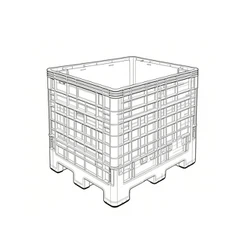
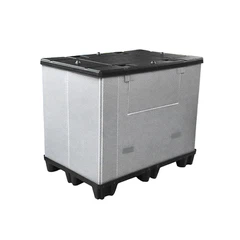
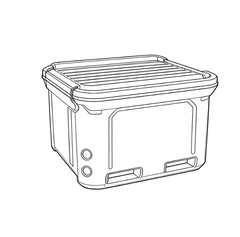
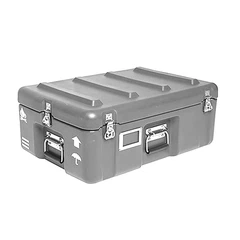
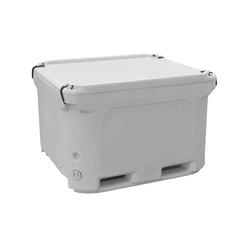
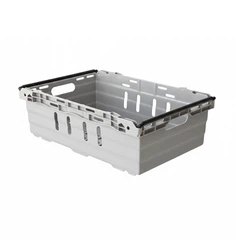
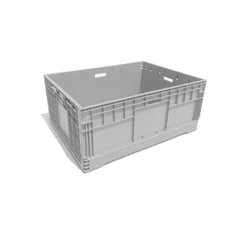
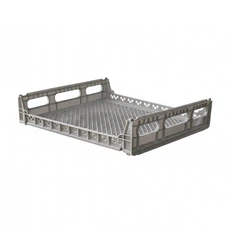
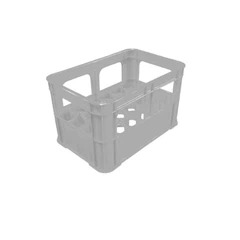
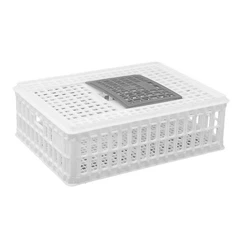
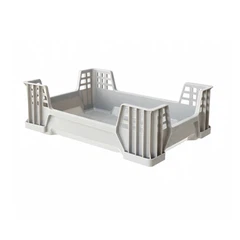
A plastic turnover crate is a reusable container designed for repeated storage, internal material handling, and goods transportation across different stages of a supply chain, and it is also commonly described as a plastic tote or reusable transport item (RTI).
Materials & Temperature Resistance
Most industrial crates are made from HDPE or PP, with virgin food-grade options available for handling fresh produce, seafood, food ingredients, and other products requiring suitable food-contact materials, while selected models operate between -40°C and +70°C.
Structural Features That Support Repeated Use
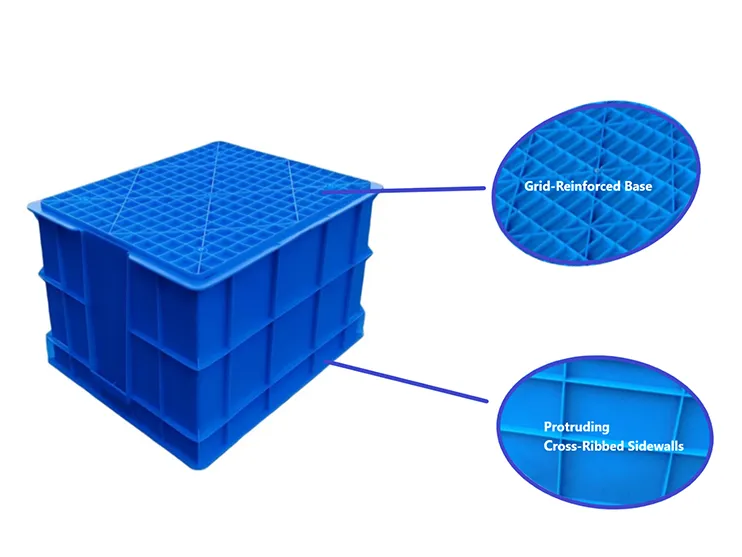
A grid-reinforced base distributes weight across multiple ribs to reduce bottom deformation, while cross-ribbed sidewalls improve impact resistance and maintain the crate's shape during stacking.
Wide, integrated handles provide a secure grip during manual handling, while raised or textured base features help improve stability when crates are stacked or moved through handling systems.
These features make plastic turnover crates suitable for frequent handling cycles in warehouses, manufacturing facilities, and distribution operations.
Common Types of Plastic Turnover Crates
Different crate structures serve different handling requirements, so buyers should consider the goods, operating environment, and empty-container return process before selecting a model.
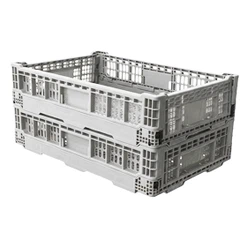
Collapsible Plastic Turnover Crates
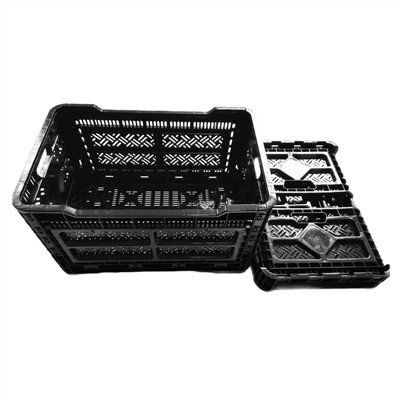
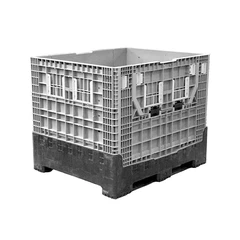
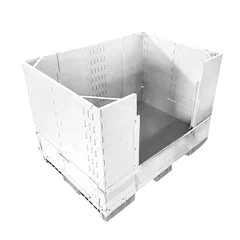
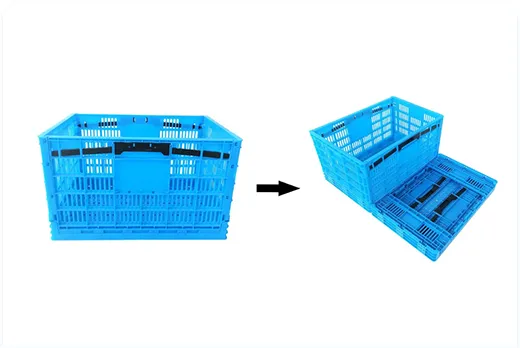
Collapsible crates have folding sidewalls that reduce empty-container volume by up to 70%, making them useful for produce distribution, harvesting operations, and delivery routes where containers must return to their starting locations.
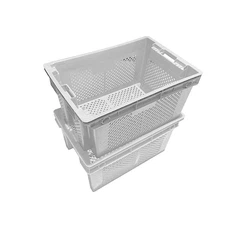
Ventilated Plastic Turnover Crates
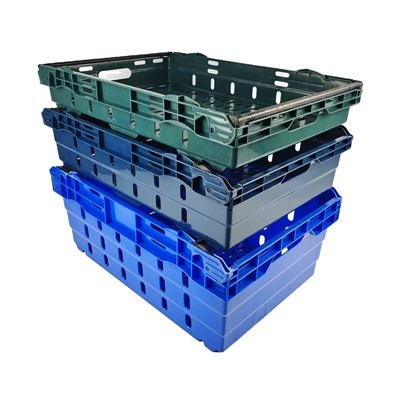
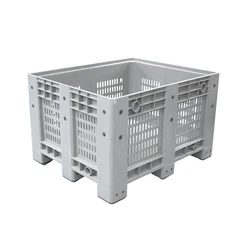
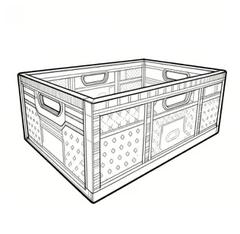
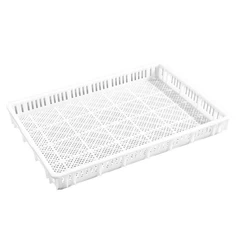
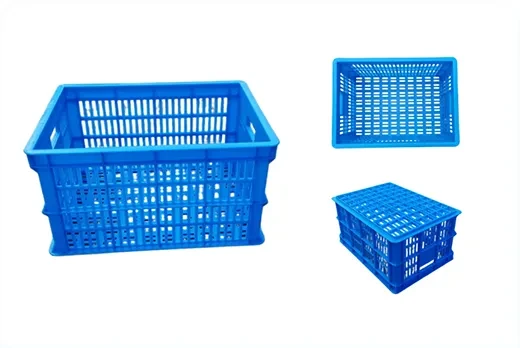
Perforated sidewalls and bases allow airflow, heat release, and water drainage, making ventilated crates suitable for fresh vegetables, fruit, seafood, and washing operations.
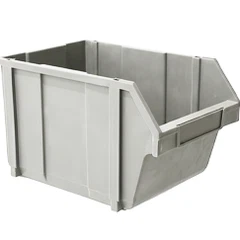
Solid Wall Plastic Turnover Crates
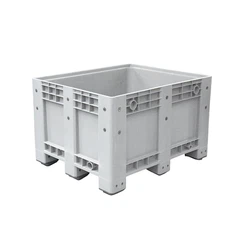
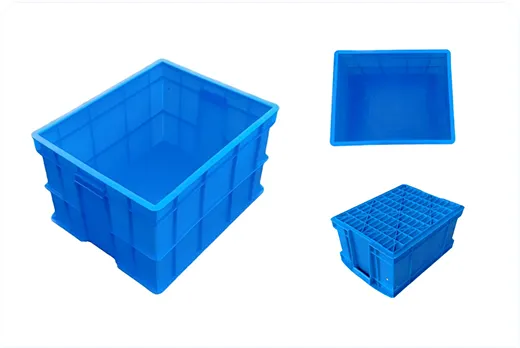
Enclosed walls and reinforced structures help prevent small components from falling out during handling, making these crates suitable for automotive parts, hardware, electronic components, and general warehouse storage.
How Is a Plastic Turnover Crate Used in Reusable Logistics
In a reusable logistics system, plastic turnover crates accompany goods through receiving, storage, production, distribution, and empty-container return rather than being discarded after a single delivery.
Inbound Receiving
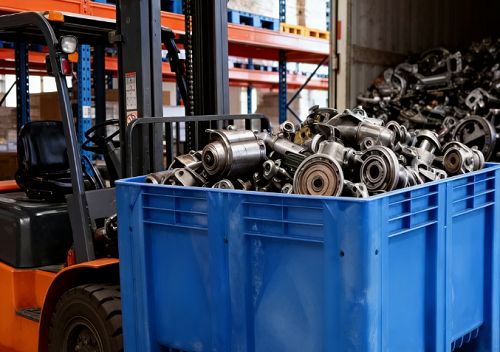
When raw materials or purchased components arrive, workers place them in reusable crates and sort them by SKU, supplier, batch, or production order to simplify inspection and subsequent warehouse operations.
Warehouse Storage & Sorting
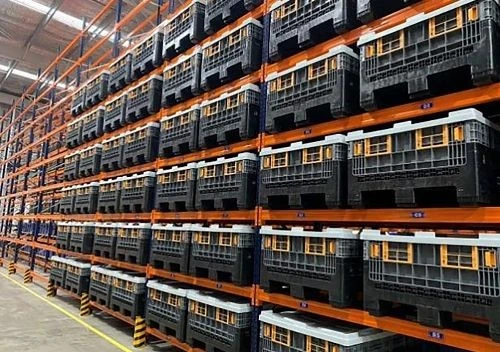
Standardized dimensions, color coding, label areas, barcodes, and RFID options help warehouse teams organize multiple SKUs, manage picking activities, and reduce product mix-ups.
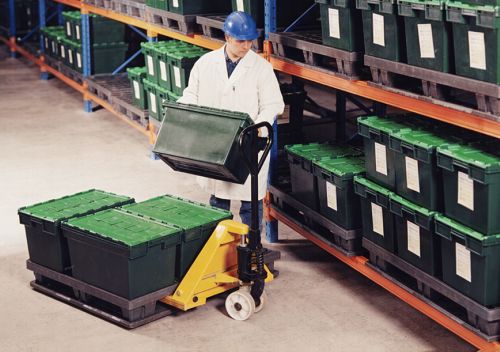
In-Plant & Line-Side Transfer
Stackable crates move components between storage areas, workstations, assembly lines, and packing zones, keeping materials organized and reducing the need for repeated repackaging.
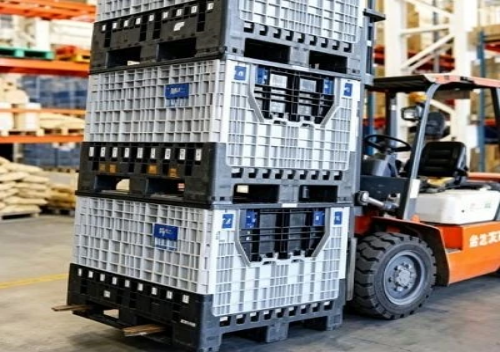
Automated Logistics
Crates with suitable dimensions, rounded corners, and stable bases can be integrated into conveyor systems, AGVs, AMRs, and AS/RS installations when their dimensions and load characteristics match the equipment requirements.
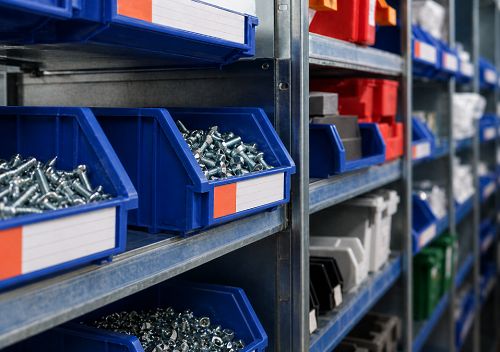
Distribution & Store Replenishment
After production, loaded crates travel through distribution centers to retailers or downstream customers, where their manageable size supports unloading, backroom sorting, and shelf replenishment.
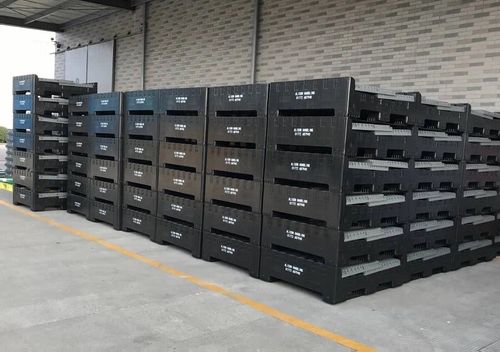
Reverse Logistics & Empty Crate Return
After delivery, empty crates return through the supply chain and are stacked, nested, or folded to reduce return volume by approximately 60%–85%, depending on their design, before inspection, cleaning, and reuse.
Sustainable Logistics Container Solutions
Why Use Plastic Turnover Crates Instead of Cardboard Boxes
Although reusable plastic crates require a higher initial investment than disposable packaging, repeated use can reduce replacement expenses and improve handling consistency over time.
Lower Replacement Costs
Selected reusable plastic containers can last up to 15 years under normal operating conditions, reducing the frequency of packaging purchases and spreading the initial investment across many handling cycles.
Better Protection During Handling
Unlike cardboard boxes that can soften when exposed to moisture or lose strength after repeated handling, plastic crates resist water absorption, tolerate demanding working environments, and can be washed for repeated use.
Less Packaging Waste
Reusable crates reduce the consumption of single-use packaging, and their recyclable plastic materials can enter suitable recycling streams at the end of their service life, supporting waste-reduction and sustainability targets.
Which Industries Use Plastic Turnover Crates
Plastic turnover crates serve different industries because their structures, materials, and configurations can be matched to specific goods and handling conditions.
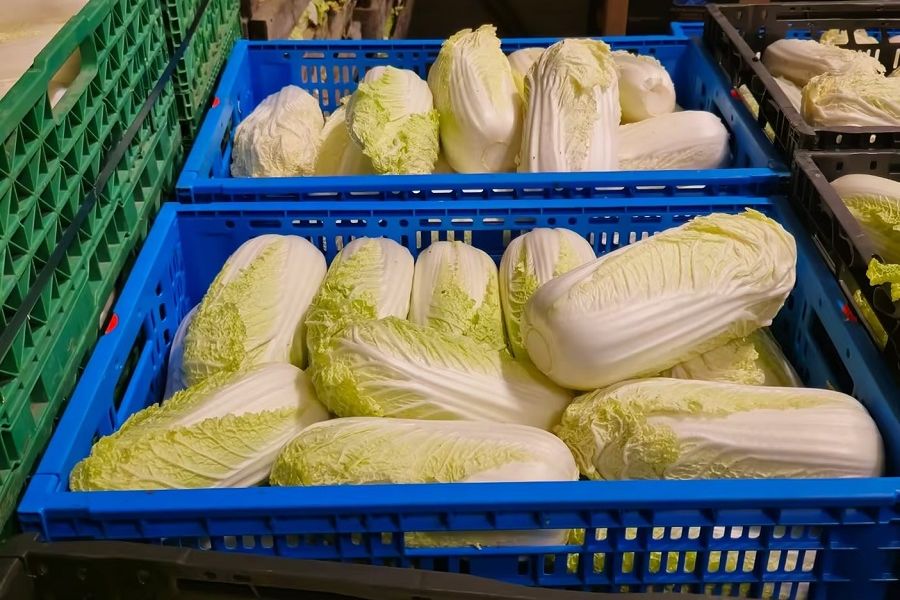
Agriculture & Seafood Processing
Ventilated crates support harvesting, produce sorting, seafood handling, and drainage during washing or transportation, helping reduce moisture accumulation around perishable goods.
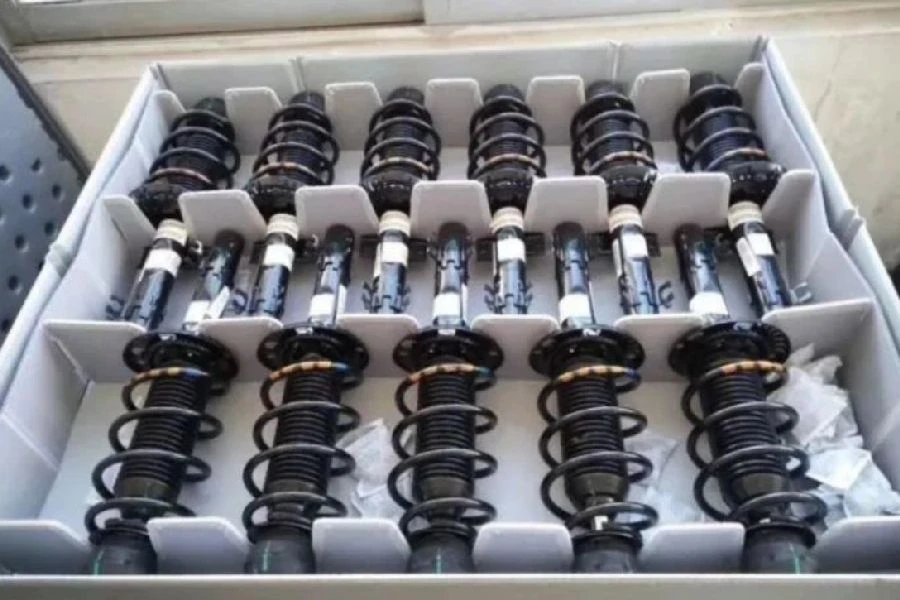
Automotive & Electronics Manufacturing
Solid wall crates with optional internal dividers organize automotive components, hardware, and electronic parts, while ESD-compatible configurations can be considered for sensitive electronic products.

Retail & Distribution Centers
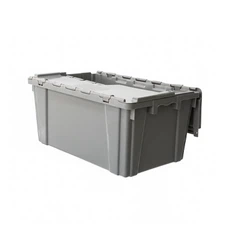
Standard turnover crates and attached lid containers support order picking, store replenishment, backroom organization, and repeated transfers between distribution centers and retail locations.
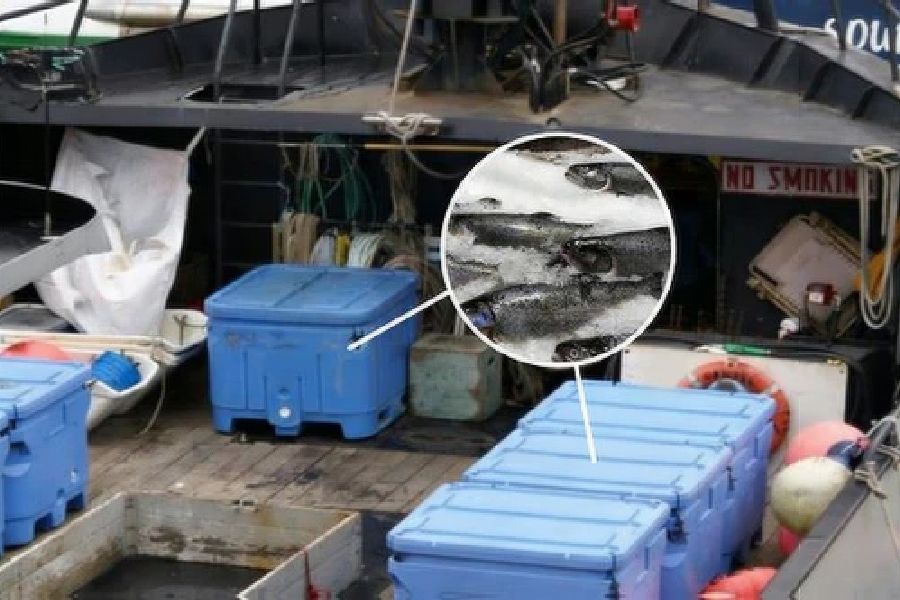
Food Processing & Cold Chain
Suitable food-grade HDPE or PP crates handle ingredients, fresh products, seafood, and frozen goods in processing facilities, cold storage areas, and temperature-controlled distribution networks.
How to Choose Plastic Turnover Crates for Your Business
Before purchasing, buyers should match crate specifications with product dimensions, load requirements, handling equipment, and the way empty containers will return through the logistics network.
1. Check Dimensions and Load Capacity
Compare available capacities, such as 34L, 47L, and 67L models, against your product dimensions and distinguish between individual load capacity, dynamic load, and static stacking load.
2. Select the Right Accessories
Consider dust covers, inner dividers, wheeled bases, and liners according to whether your operation requires additional protection, product separation, or easier movement between workstations.
3. Plan Identification and Tracking
For businesses managing multiple warehouses or delivery locations, color coding, logo printing, barcode labels, and RFID options help identify containers and control their circulation.
4. Confirm Samples and Ordering Requirements
Request samples before bulk purchasing to test actual loading, stacking, washing, and equipment compatibility, and confirm material documentation, food-contact compliance, MOQ, lead time, and customization requirements with the supplier.
For these purchasing requirements, Enlightening Plast offers plastic turnover crates in different dimensions, colors, and configurations, with options for logo printing and other product-specific customization. Its more than 25 years of experience in plastic container manufacturing and OEM/ODM services supports buyers looking to match reusable crates with their storage, handling, and distribution processes.
Learn About Enlightening Plast
Conclusion
Plastic turnover crates provide a reusable packaging option for businesses that move goods frequently between warehouses, production facilities, distribution centers, and retail locations. By choosing suitable materials, structures, load capacities, and identification features, buyers can build a more organized logistics system while reducing dependence on disposable packaging. Contact a plastic crate supplier with your product dimensions, load requirements, handling conditions, and estimated order quantity to find a suitable solution for your reusable logistics operations.
Find Your Reusable Logistics Plastic Turnover Crates
FAQ
Q: What Is the Difference Between a Plastic Turnover Crate and a Plastic Storage Box?
A: A plastic turnover crate is designed primarily for repeated goods handling, transportation, and circulation, while a plastic storage box is generally intended for keeping products or materials in a fixed storage location.
Q: How Much Weight Can a Plastic Turnover Crate Hold?
A: Load capacity varies by model, with some standard turnover crates supporting approximately 20–50 kg per crate, but buyers should also verify dynamic and static stacking limits before ordering.