
Introduction
Warehouse operators are under increasing pressure to reduce handling costs while maintaining efficient product flow. As labor expenses and logistics demands continue to rise, many businesses are adopting plastic pallet boxes to improve warehouse operations. By combining storage, transportation, and product protection into a reusable system, plastic pallet boxes help streamline material handling, reduce product damage, and support more efficient logistics processes.
Why Handling Costs Matter in Warehouse Operations
Handling costs account for a major share of warehouse operating expenses, driven by repeated product movements across receiving, storage, picking, and shipping stages, where inefficiencies increase labor input, equipment use, and damage risks. In large-scale distribution operations, even small reductions in handling frequency can significantly improve overall cost efficiency
Warehouse handling costs are commonly influenced by several factors:
- Labor productivity
- Equipment utilization
- Storage density
- Product damage rates
- Inventory accuracy
- Loading and unloading efficiency
Because material handling affects nearly every warehouse activity, selecting the right storage and transport containers can have a direct impact on operational costs and overall supply chain efficiency.
How Plastic Pallet Boxes Improve Warehouse Handling Efficiency
Plastic pallet boxes play a key role in improving warehouse handling efficiency by reducing unnecessary material transfers and streamlining product movement across different operational stages. Their standardized design supports smoother handling processes, helping warehouses improve productivity, accuracy, and overall workflow efficiency.
- Reduce Manual Handling Requirements: Plastic pallet boxes allow goods to be stored, transported, and moved without repeated repacking. Forklifts and pallet jacks can handle full loads directly, reducing manual lifting and product transfers throughout warehouse operations.
- Improve Space Utilization: Many plastic pallet box designs are stackable, helping warehouses maximize vertical storage capacity. Better space utilization can reduce storage costs while improving inventory organization and accessibility.
- Minimize Product Damage: The rigid structure of plastic pallet boxes provides superior protection compared with cardboard packaging or loose palletized loads. Reduced product damage means fewer returns, less waste, and lower replacement costs.
- Enhance Inventory Control: Standardized container dimensions create more predictable storage layouts and simplify inventory management. Warehouses can optimize rack configurations, improve location tracking, and increase picking efficiency.
- Support Automated Handling Systems: Modern logistics facilities increasingly rely on automation. Plastic pallet boxes are compatible with conveyors, robotic handling systems, automated storage systems, and warehouse management processes, making them suitable for both traditional and advanced warehouse environments.
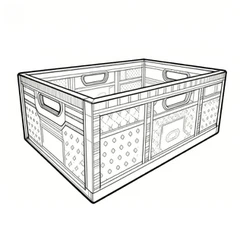
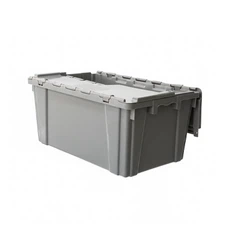
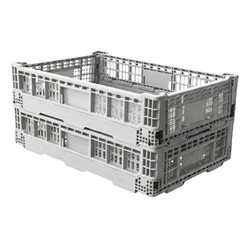
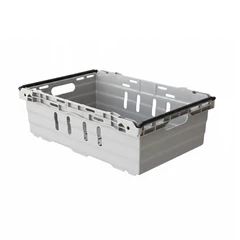
Which Plastic Pallet Box Types Support Different Warehouse Needs
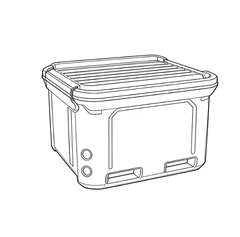
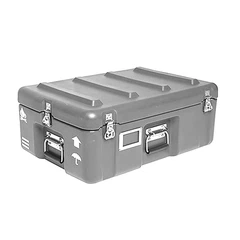
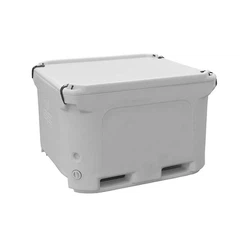
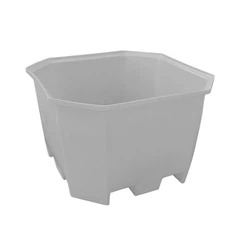
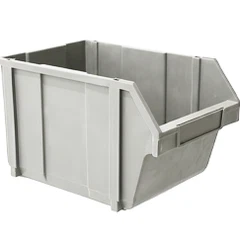
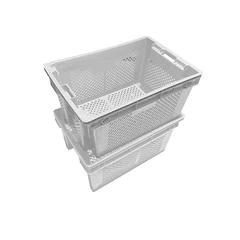
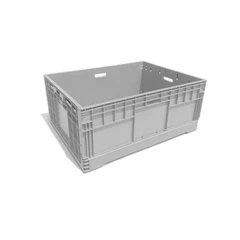
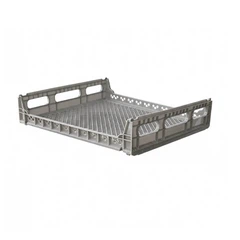
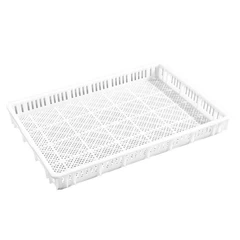
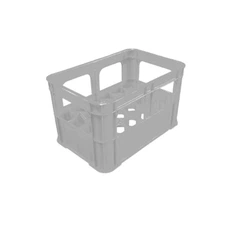
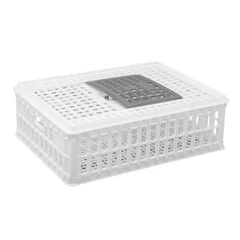
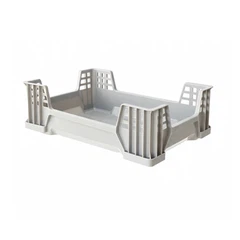
Different warehouse operations require different container designs. The following plastic pallet box types are commonly used across logistics, manufacturing, distribution, and industrial storage applications.
|
Container Type |
Key Features |
Typical Warehouse Applications |
|
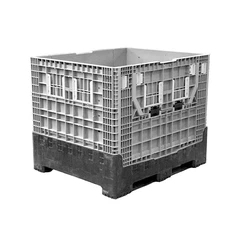
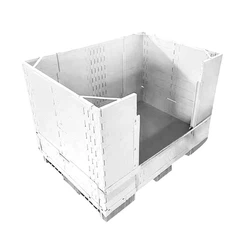
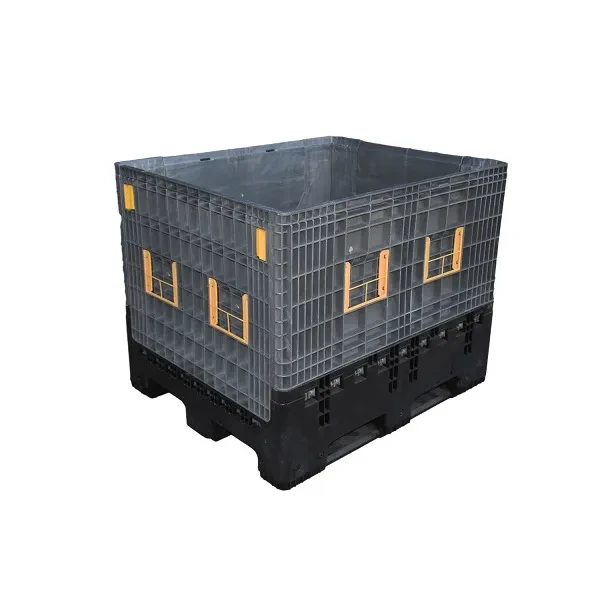
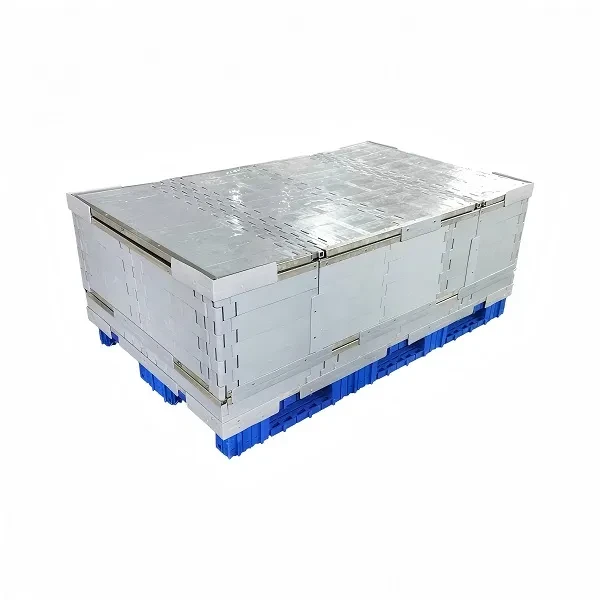
Foldable walls Return-trip space savings |
Distribution centers Retail logistics Export shipments |
|
|
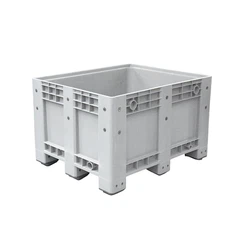
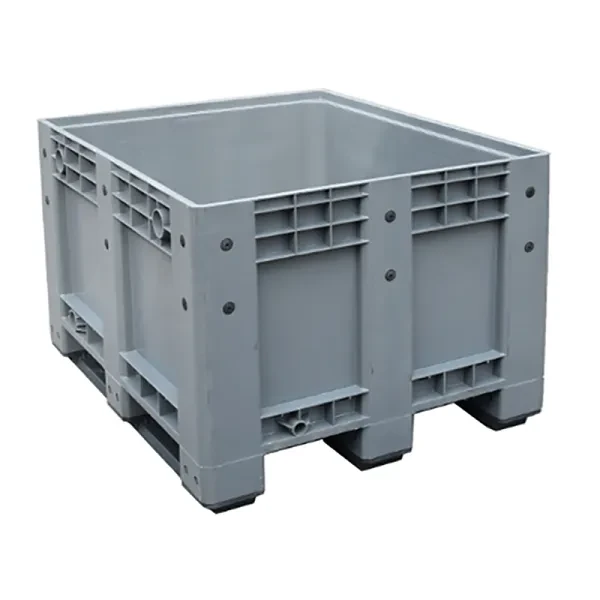
Fixed-wall construction High strength |
Manufacturing Warehouse storage Industrial parts handling |
|
|
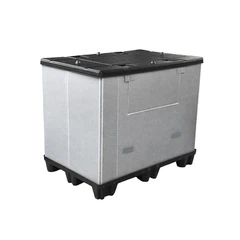
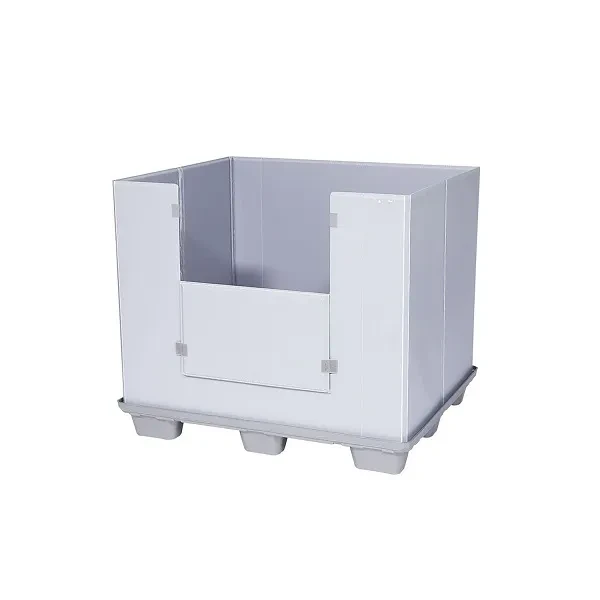
Pallet Pack Containers |
Sleeve-pack design Removable components |
Automotive supply chains Export logistics Reusable packaging systems |
|
Splicing Plastic Pallet Boxes |
Modular panel construction Customizable dimensions |
Large-volume storage Industrial materials Specialized logistics operations |
|
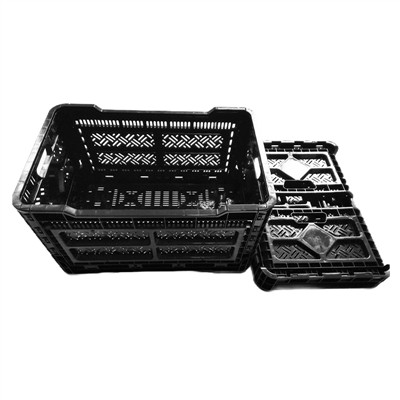
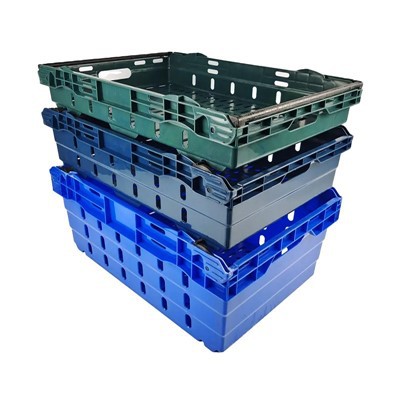
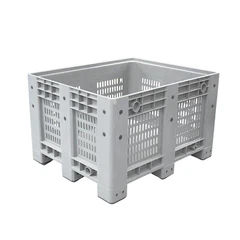
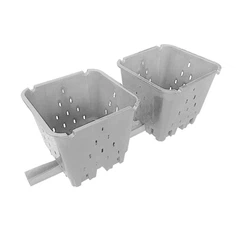
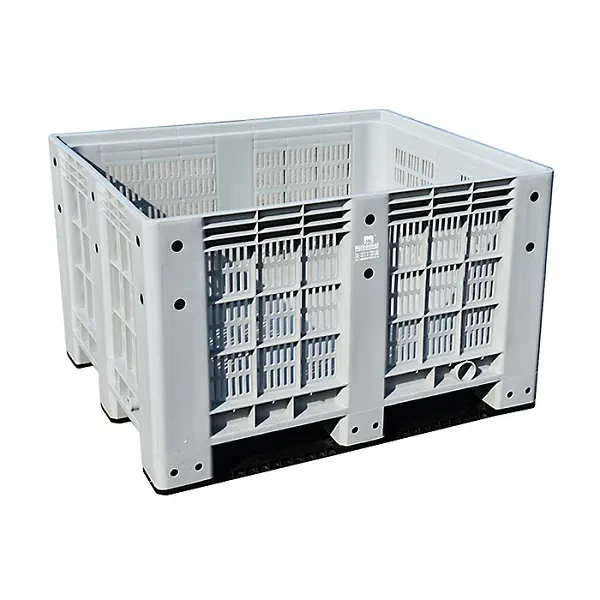
Vented Harvest Bins |
Ventilated sidewalls for airflow and drainage |
Agricultural warehouses Produce distribution Food processing logistics |
-
Collapsible Bulk Containers
-
Rigid Pallet Containers
-
Pallet Pack Containers
-
Splicing Plastic Pallet Boxes
-
Vented Harvest Bins
What Operational Areas Benefit Most from Plastic Pallet Boxes
Plastic pallet boxes improve warehouse performance by reducing unnecessary handling steps, optimizing material flow, and enabling more efficient use of labor, space, and equipment across daily logistics operations.
- Receiving Operations
- Warehouse Storage
- Order Picking & Internal Transport
- Shipping & Distribution
- Reverse Logistics
-
 Receiving Operations
Plastic pallet boxes simplify unloading procedures by allowing products to remain in the same container from arrival through storage. This reduces repacking activities and shortens receiving times.
-
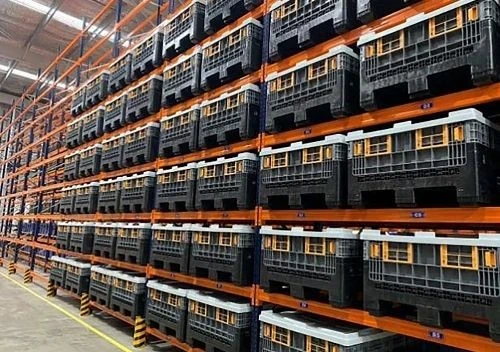 Warehouse Storage
Stackable designs improve storage density while maintaining safe and organized inventory management. Durable construction also supports long-term storage without container degradation.
-
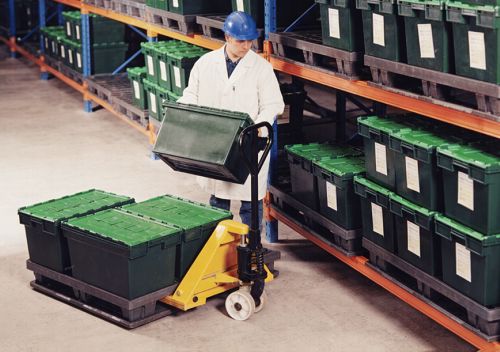 Order Picking & Internal Transport
Warehouse personnel can efficiently move entire pallet boxes using standard material-handling equipment. This reduces travel time and minimizes unnecessary product handling.
-
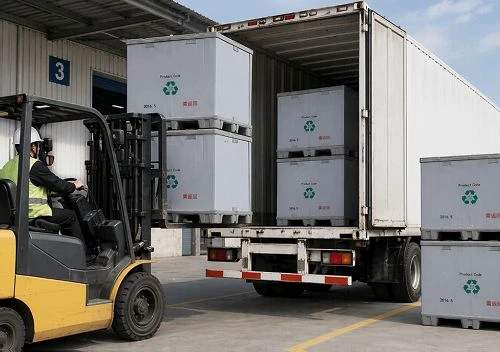 Shipping & Distribution
Plastic pallet boxes provide stable, secure loads that improve loading efficiency and reduce transportation-related product damage. Their consistent dimensions also support better trailer and container utilization.
-
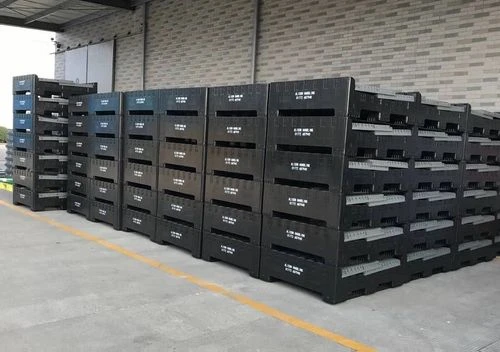 Reverse Logistics
Reusable pallet boxes are well-suited for closed-loop supply chains. Their long service life helps businesses reduce packaging waste and lower ongoing packaging procurement costs.
How Should Buyers Evaluate Plastic Pallet Boxes for Logistics
Selecting the right plastic pallet boxes requires a structured evaluation of operational requirements, including handling conditions, storage environments, equipment compatibility, and long-term logistics performance expectations. In addition, working with an experienced supplier, such as Enlightening Plast in China, can help buyers better match container specifications with operational requirements and long-term logistics strategies.
- Load Capacity Requirements: Buyers should evaluate both static and dynamic load capacities to ensure containers can safely support products during storage and transportation.
- Warehouse Equipment Compatibility: Container dimensions should be compatible with existing forklifts, pallet jacks, conveyors, racking systems, and automated handling equipment.
- Stackability and Storage Efficiency: Selecting stackable or collapsible designs can improve warehouse space utilization and reduce transportation costs during return logistics operations.
- Durability and Service Life: High-quality plastic pallet boxes offer long-term performance under repeated handling cycles. Buyers should assess material quality, structural strength, and expected service life when comparing options.
- Hygiene and Industry Compliance: Food processing, pharmaceutical, and hygienic manufacturing environments may require containers that support strict sanitation procedures and regulatory requirements.
- Total Cost of Ownership: Total cost of ownership should be evaluated beyond purchase price, including lifespan, maintenance, transport efficiency, and product protection, as reusable plastic pallet boxes often deliver lower long-term operating costs.
Conclusion
Plastic pallet boxes have become an important tool for improving warehouse efficiency and reducing handling costs across modern supply chains. By selecting the right container type based on operational requirements, businesses can improve logistics performance, reduce product damage, and optimize long-term costs. For tailored recommendations on plastic pallet boxes for your warehouse or logistics operations, please contact us to discuss the most suitable solution for your needs.
FAQs
Q: Are plastic pallet boxes suitable for automated warehouses?
A: Yes. Most plastic pallet boxes feature standardized dimensions and durable construction, making them compatible with conveyors, automated storage systems, and robotic handling equipment.
Q: How long do plastic pallet boxes typically last?
A: Depending on usage conditions and material quality, plastic pallet boxes can remain in service for many years and often outperform disposable packaging alternatives.
Q: Can collapsible pallet boxes reduce transportation costs?
A: Yes. Collapsible designs reduce empty return volume, allowing more containers to be transported or stored in the same space.
Q: Are plastic pallet boxes recyclable?
A: Most plastic pallet boxes are manufactured from recyclable materials such as HDPE or PP, supporting sustainability and circular economy initiatives.
Q: When should warehouses choose vented harvest bins?
A: Vented harvest bins are particularly suitable for operations handling fresh produce, agricultural products, or other goods that require airflow and moisture control during storage and transportation.