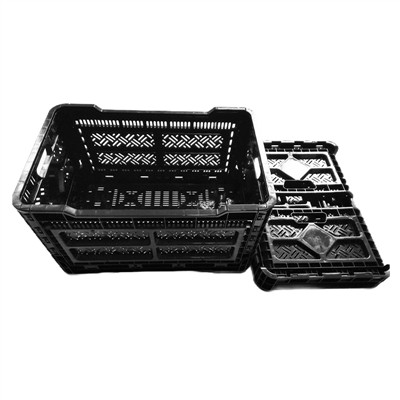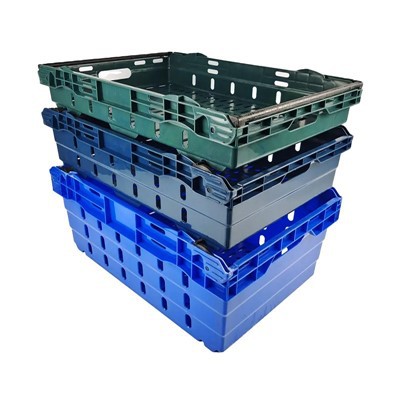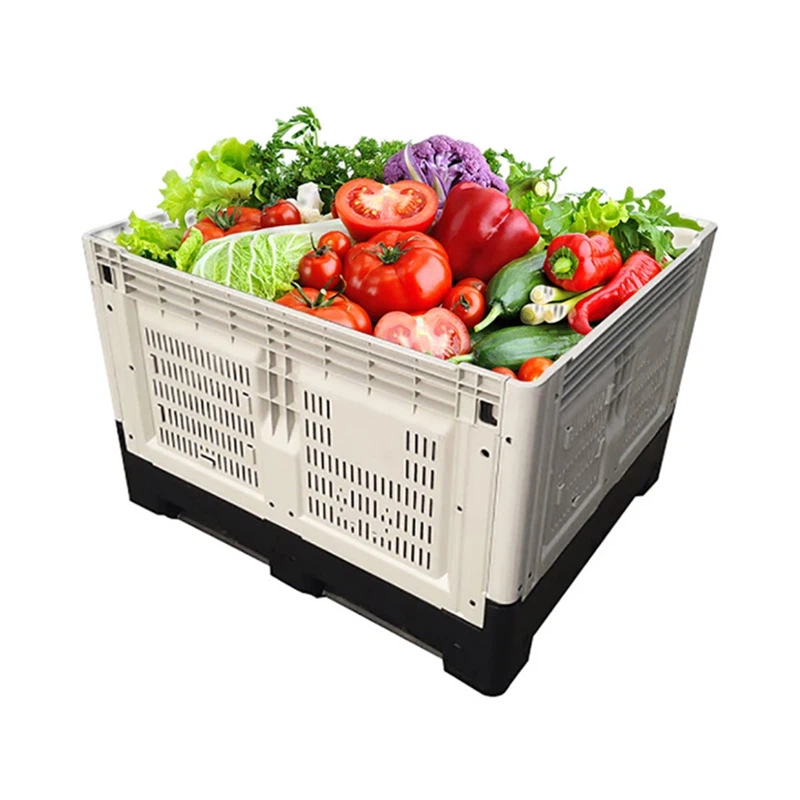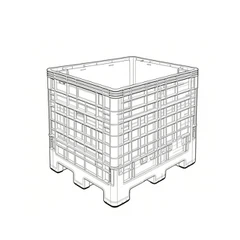
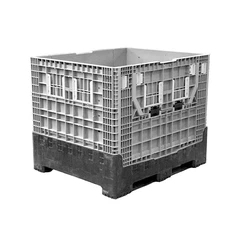
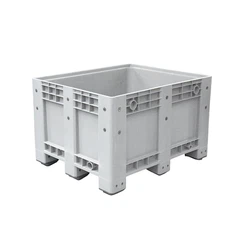
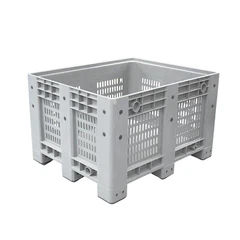
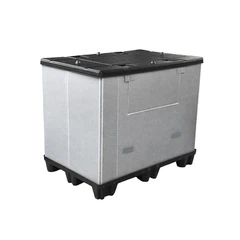
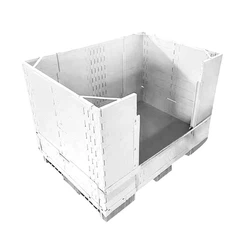
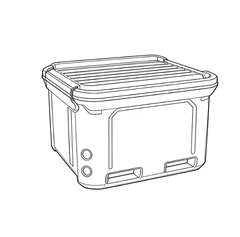
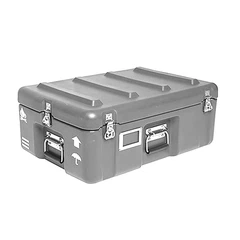
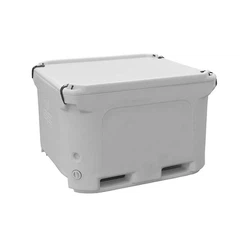
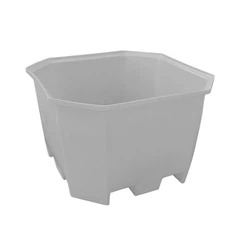
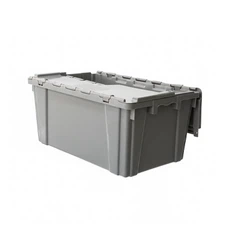
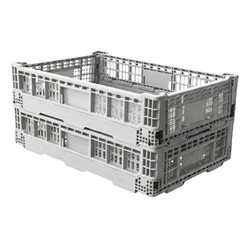
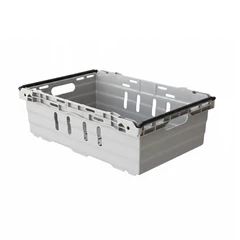
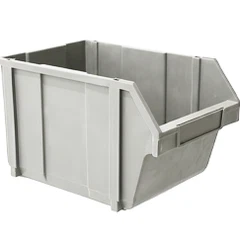
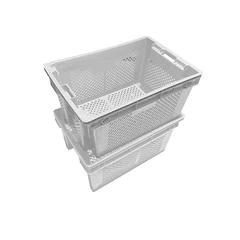
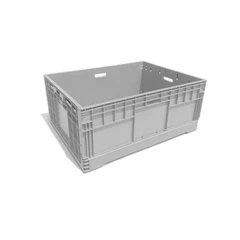
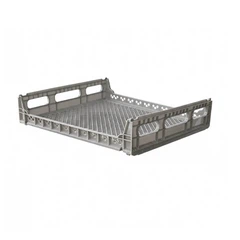
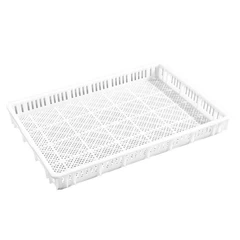
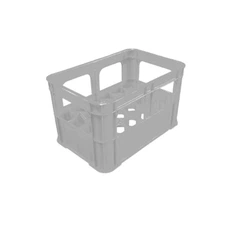
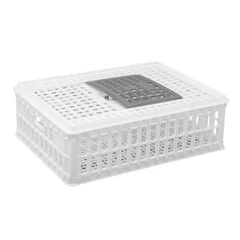
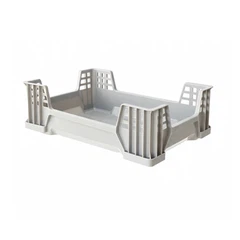
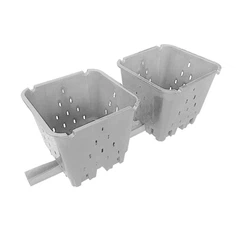
Pallet containers are essential tools in logistics, warehousing, and material handling. Companies must choose the right material for pallets and bulk containers. Common materials include HDPE (High-Density Polyethylene), PP (Polypropylene), wood, and metal. In this article, the focus is on HDPE and PP plastic pallet containers and whether they deliver real cost value compared with other material options.
Material Characteristics and Cost Overview
HDPE and PP plastics are thermoplastic polymers used to make pallet containers that are strong, moisture resistant, and chemically stable. HDPE is generally stronger and more durable, making it suitable for heavy loads. PP is lighter and more rigid, which works well in many warehousing environments. These materials are often selected because they extend the service life of containers and resist environmental damage better than wood or metal.
Upfront cost comparison:
Wood pallets usually cost $10–$25 per unit.
Plastic pallets tend to cost $40–$120 or more per unit depending on size and design.
Metal pallets are typically the most expensive and are used in niche heavy - duty applications.
The raw cost of plastic is higher, but this is only one part of the total value picture.

Total Cost of Ownership (TCO): Upfront vs Lifecycle
When companies evaluate value, they should consider Total Cost of Ownership (TCO) rather than just the initial purchase price.
Service life:
Plastic pallets often last 10 to 15 years with normal use.
Wooden pallets may only last 2 to 5 years before needing replacement.
A simple comparison shows why plastic can be more cost-effective.One study reported that a wooden pallet might cost $10 per year over its life, while a plastic pallet, though costing more upfront, may cost only $6 per year due to fewer replacements and repairs.
Another source highlights how, over a standard five-year period, plastic pallets' total cost can fall below wood pallets' cost due to longer life and lower ongoing expenses. In a typical break-even scenario, a plastic pallet can become cheaper after just 1–3 years of use in systems with moderate pallet turns.
These comparisons show that plastic pallet containers can save money when viewed over their full service life.

Operational Cost Differences
Plastic containers also reduce several operational costs:
Maintenance:
Plastic pallets require minimal maintenance. They do not absorb moisture and are resistant to rot and pests.
Wooden pallets often need sanding, sealing, or replacement of broken boards, raising labor costs.
Cleaning and hygiene:
Plastic's non-porous surface makes it easy to clean with water or detergents. This is important for food, pharma, and healthcare supply chains.
Wood can absorb moisture and bacteria, making hygiene control more difficult and costly.
Transportation:
Plastic is often lighter than wood, reducing freight costs and increasing payload efficiency.
In some cases, plastic pallets can nest or stack more efficiently, saving space in transport and storage.
These operational advantages contribute directly to lower ongoing expenses.

Durability and Reliability in Daily Use
HDPE and PP materials perform well in environments where containers face frequent handling, movement, and exposure to moisture. Plastic pallet containers do not crack or rot like wood, and they resist many chemicals and environmental conditions that damage other materials.
One report estimates that the breakage rate of wooden pallets can be around 25%, while high quality plastic pallets may see breakages as low as 1%. This difference lowers replacement expenses and operational disruptions.
While plastic cannot be repaired like wood, its lower breakage rate means fewer interruptions and less labor for fixing or replacing containers.
Special Requirements: Hygiene and Compliance
Certain industries demand high hygiene standards. Food, beverage, and pharmaceutical logistics require pallet containers that can be sanitized regularly and reliably. Plastic pallet containers are easier to wash and dry than wood, which can absorb liquids and harbor microbes.
Plastic materials also avoid the need for chemical treatments like those required for wood pallets under certain international shipping rules (e.g., heat treatment or fumigation for ISPM 15 compliance). This can simplify export logistics and reduce regulatory handling costs.
Environmental and Sustainability Considerations
Sustainability is now a key factor in procurement decisions. High-density polyethylene (HDPE) and polypropylene (PP) plastics are recyclable materials that can be repurposed into other types of plastic products after recycling, which helps to reduce the demand for new raw materials.
Wood pallets come from renewable resources and are biodegradable, but their shorter service life often leads to more frequent disposal or recycling events.
When viewed over a full lifecycle, plastic pallets' longer durability and recyclability can lower waste and lifecycle impact, especially in closed-loop systems where pallets are reused many times.
Conclusion: Value Beyond Initial Price
Plastic pallet containers made from HDPE and PP have a higher initial cost than wood or cardboard. However, when companies evaluate true cost over time, plastics often deliver lower total cost of ownership due to longer life, reduced maintenance, fewer replacements, and lower operational disruption.
In environments where hygiene, reliability, and lifecycle cost matter, HDPE and PP plastic containers are often worth the money. Their performance advantages and ongoing savings make them a strong choice for modern supply chains seeking cost efficiency and operational resilience.