Introduction
Automotive supply chains rely on efficient material flow among suppliers, manufacturers, warehouses, and assembly plants. Choosing the right bulk container helps improve handling efficiency, support returnable packaging programs, and maintain consistent protection of parts throughout logistics operations.
Why Bulk Container Selection Matters in Automotive Parts Logistics
Automotive parts logistics involves frequent movement among multiple facilities, often within highly coordinated production schedules. The bulk container selected for an automotive parts program influences component protection, handling efficiency, returnable packaging performance, and overall logistics consistency across the supply chain.
- Parts Protection During Logistics Operations: Automotive components range from small precision parts to large assemblies. Appropriate bulk containers help keep products organized and protected throughout transportation, storage, and handling processes.
- High-Frequency Material Movement: Many automotive facilities operate with continuous material flow. Bulk containers that support efficient loading, unloading, and internal transportation can contribute to smoother logistics operations and improved productivity.
- Returnable Packaging Efficiency: Returnable packaging systems are widely used throughout the automotive industry. Selecting containers that support efficient collection, storage, and circulation helps maintain consistent logistics performance across repeated shipment cycles.
- Warehouse & Transportation Optimization: The right container design can improve warehouse organization and transportation utilization. Matching container characteristics to logistics requirements helps support efficient use of available space and equipment.
What Types of Bulk Containers Are Commonly Used for Automotive Parts
Automotive parts vary significantly in size, weight, and handling requirements. As a result, several container designs are commonly used within automotive logistics systems.

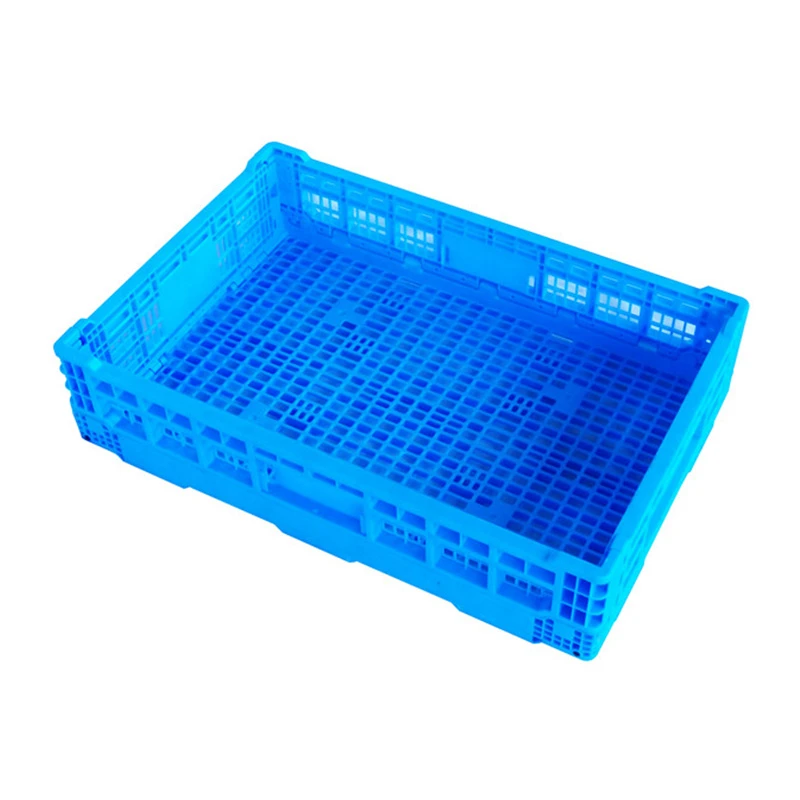
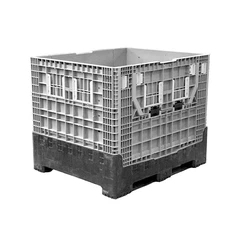
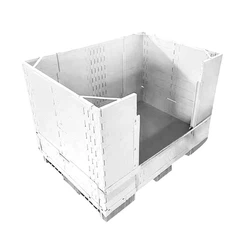
Collapsible Bulk Containers
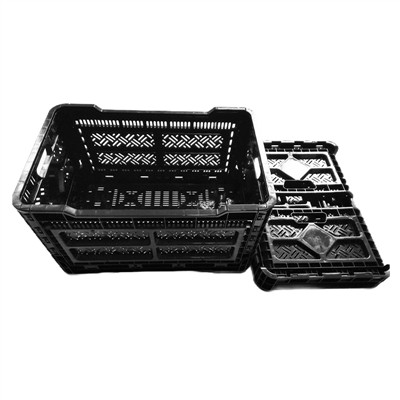
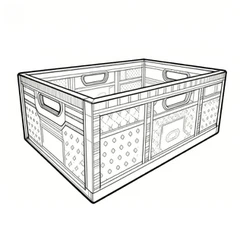
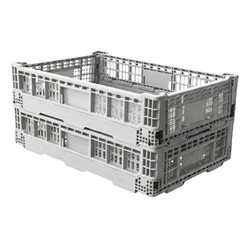
Collapsible bulk containers are commonly used in returnable packaging programs where empty containers regularly move back through the supply chain. Their foldable structure helps reduce storage requirements when not in use and supports flexible warehouse operations. These containers are often selected for supplier-to-plant deliveries and closed-loop logistics systems.

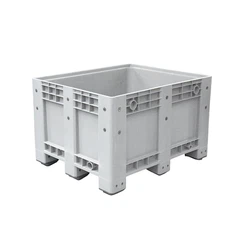
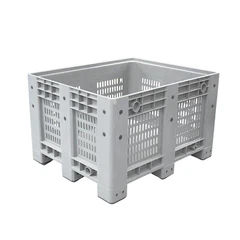
Rigid Pallet Boxes
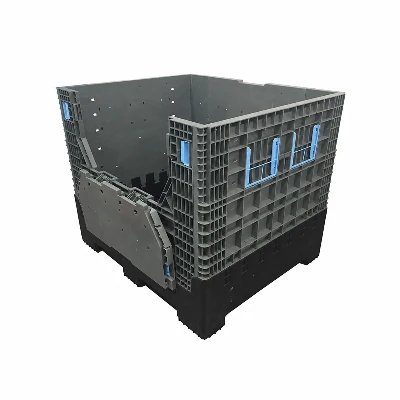
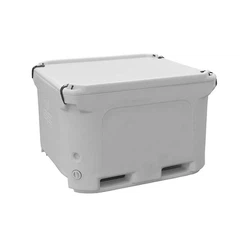
Rigid pallet boxes provide a stable structure for handling heavy automotive components and supporting high-frequency material movement. Because they remain ready for immediate use, they are well-suited for continuous production environments and warehouse operations where efficiency and durability are priorities.

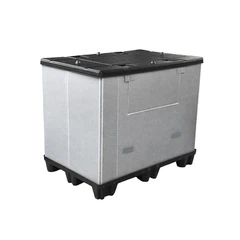
Pallet Pack Containers
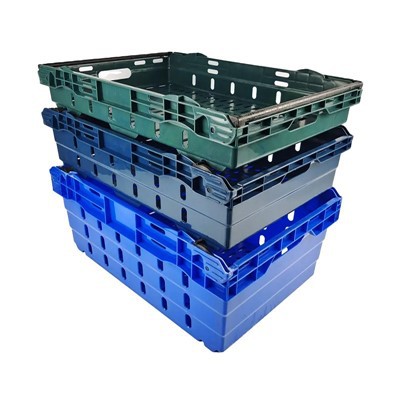
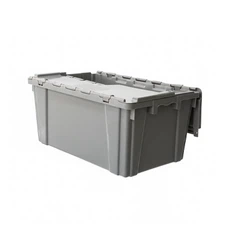
Pallet pack containers combine the benefits of reusable packaging with flexibility for transportation and storage. They are often used for lightweight components, export shipments, and logistics operations involving multiple transportation stages. Their design supports organized packaging while helping maintain efficient material flow.
Which Selection Factors Should Buyers Evaluate First
Rather than focusing solely on container dimensions, buyers should evaluate how the container supports overall logistics performance across the automotive supply chain.
- Part Size and Weight: Container selection should align with the dimensions and weight of the components being transported. Small precision parts, medium-sized assemblies, and large automotive components may require different container configurations to ensure efficient handling and storage.
- Transportation Distance: Logistics routes influence container requirements. Local distribution, regional transportation, and international shipments may each benefit from different container characteristics depending on handling frequency and transportation conditions.
- Returnable Packaging Requirements: Many automotive supply chains operate within closed-loop systems. Buyers should evaluate how containers support recovery, storage, and repeated circulation throughout return logistics programs.
- Warehouse Space Availability: Available warehouse space can influence container selection. Facilities with limited storage capacity may benefit from space-saving solutions, while larger operations may prioritize continuous accessibility and handling efficiency.
- Handling Frequency: The number of loading, unloading, and internal movement cycles should also be considered. Containers used in high-circulation environments should support efficient daily operations and consistent material flow.
Which Container Types Fit Different Automotive Parts Applications
Different automotive parts applications place different demands on packaging, handling, and transportation. Understanding which container type fits each application helps buyers select solutions that support efficient material flow throughout the supply chain.
Supplier-to-Plant Parts Delivery
Best Fit: Collapsible Bulk Containers
Supplier-to-plant logistics often involves frequent return cycles among facilities. Collapsible bulk containers help support efficient reverse logistics while simplifying empty-container management and storage.
In-Plant Material Movement
Best Fit: Rigid Pallet Boxes
Manufacturing facilities frequently move components among workstations, warehouses, and production lines. Rigid pallet boxes provide stable storage and support fast handling operations within continuous production environments.
Export Parts Logistics
Best Fit: Pallet Pack Containers
Export logistics commonly involves multiple transportation stages and longer shipping routes. Pallet pack containers support organized packaging and reusable transportation systems for international logistics operations.
Special Component Transportation
Best Fit: Customized Container Solutions
Certain automotive components require specialized packaging solutions. Oversized body panels, bumpers, EV battery components, and other irregular parts may benefit from customized pallet-container configurations, including modular splicing designs.

Modular Splicing Designs in Automotive Manufacturing

Factory Overview

Plastic Bulk Containers Production Workshop
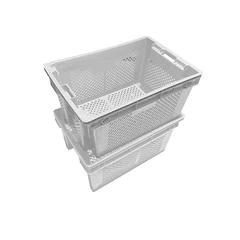
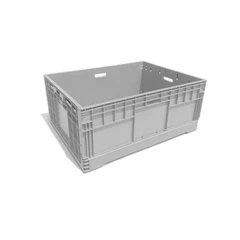
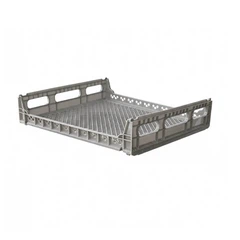
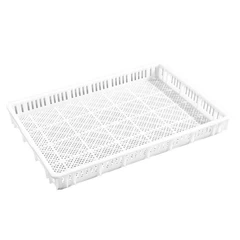
Manufacturers such as Enlightening Plast offer multiple container formats, enabling automotive suppliers to standardize packaging solutions across different logistics stages.
What Should Buyers Discuss with a Container Supplier Before Ordering
Selecting a bulk container involves more than choosing a standard size. Buyers should discuss several operational requirements with suppliers before placing an order.
- Load Capacity Requirements: Understanding the weight of the automotive parts being transported helps ensure the selected container can support operational requirements safely and efficiently.
- Internal Dimensions: Container dimensions should match both component size and packing methods. Proper internal dimensions help maximize usable space and support organized material handling.
- Stacking Requirements: Storage and transportation plans often determine stacking needs. Confirming stacking requirements in advance helps ensure compatibility with warehouse and logistics operations.
- Return Logistics Planning: For returnable packaging programs, buyers should discuss circulation frequency, recovery procedures, and logistics routes to ensure the container design supports long-term operational goals.
- Custom Branding or Identification: Color coding, logos, labels, and identification systems can help improve inventory visibility and supply-chain management. Discussing these requirements early helps streamline implementation.
Clearly defining these specifications before ordering helps improve container compatibility and supports more standardized logistics operations.
Conclusion
The right bulk container supports efficient transportation, warehouse operations, and returnable packaging throughout automotive logistics networks. Evaluating application requirements before selection helps buyers build a more consistent and scalable material-handling system. Contact us to discuss your automotive parts workflow and identify the most suitable bulk container solution for your logistics operation.
FAQs
Q: Are collapsible bulk containers suitable for automotive parts?
A: Yes. Collapsible bulk containers are widely used throughout automotive supply chains because they support returnable packaging systems and help improve reverse-logistics efficiency.
Q: What container type is best for heavy automotive components?
A: Rigid pallet boxes are often preferred for heavy automotive components because they provide stable support, high load capacity, and efficient handling in continuous operational environments.
Q: Can automotive bulk containers be customized?
A: Yes. Automotive bulk containers can typically be customized in terms of size, color, logo, and identification features. Many suppliers also offer OEM and ODM solutions for specific logistics requirements.
Q: Why are returnable packaging systems popular in automotive logistics?
A: Returnable packaging systems help support container reuse, improve logistics efficiency, and create more standardized material flow throughout automotive supply chains. Their widespread adoption contributes to consistent and scalable logistics operations.