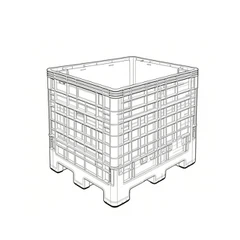
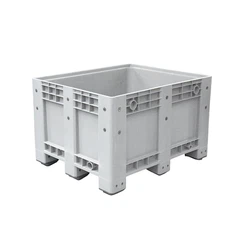
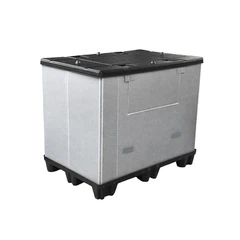
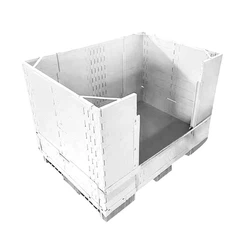
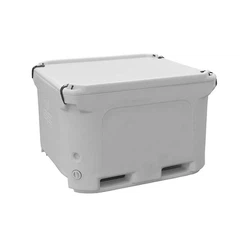
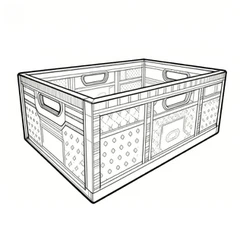
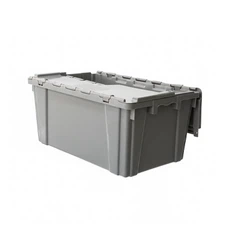
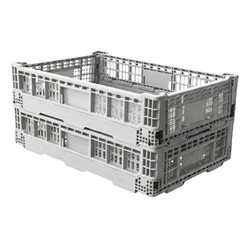
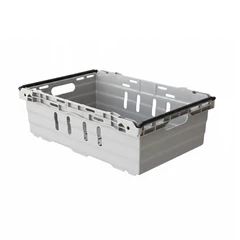
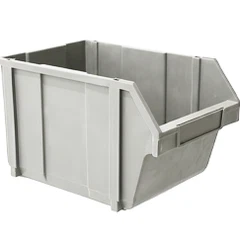
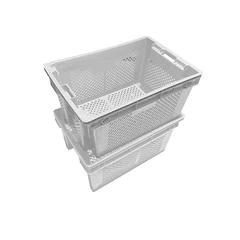
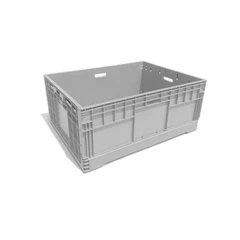
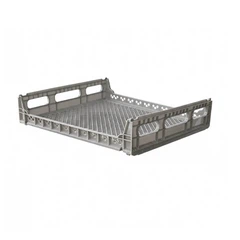
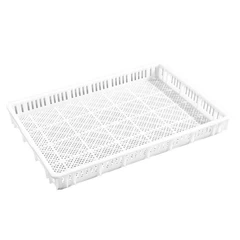
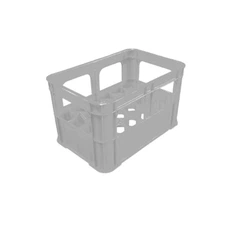
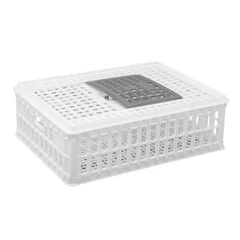
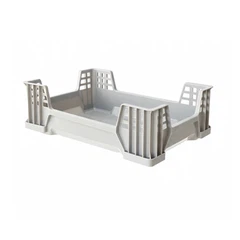
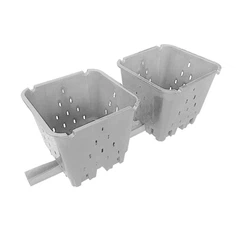

Many farms lose time and product quality because the wrong harvest container slows workers and damages fresh produce.
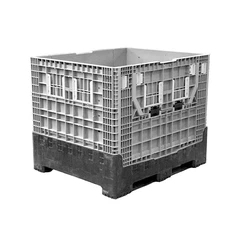
Collapsible harvest crates improve harvesting and produce handling efficiency by giving workers a reusable, ventilated, easy-to-clean container that protects crops, stacks safely, folds for return storage, and moves smoothly from field to cold room, packing house, truck, and market.
When the supplier helps agriculture buyers choose collapsible harvest crates, plastic harvest crates, or agricultural plastic crates, the team does not only ask what crop they handle. It also asks how the crop moves after picking. A crate may start in the field, move to a washing area, enter cold storage, go to a packing line, sit in a truck, and finally arrive at a market or retailer. If the crate is hard to lift, hard to clean, poorly ventilated, or bulky when empty, the whole route becomes slower and more expensive.

Why do harvest containers affect produce handling efficiency?
A harvest container is not just packaging. It controls how workers pick, carry, cool, stack, clean, and return fresh produce.
Harvest containers affect efficiency because they touch every step from field picking to cold storage and delivery. Good collapsible harvest crates reduce handling time, improve airflow, protect produce, support stacking, and reduce empty return volume after unloading.
Follow the crate through the full harvest route
The supplier usually evaluates collapsible harvest crates by following one full harvest route. The crate may begin in the field where workers need to pick quickly without crushing fruit or vegetables. Then it may move to a washing area where dirt, leaves, moisture, and field residue must be removed. After that, it may enter cold storage, where airflow and stack spacing affect cooling speed. Then it may move to a packing house, truck, supermarket, or wholesale market.
If the crate causes trouble in any step, the buyer feels it as labor waste, product damage, slower turnover, or higher return cost. This is why the supplier does not treat the crate as a simple box. The supplier treats it as a small logistics tool that connects field work, storage, and distribution.
A wooden crate may absorb moisture or hold dirt. A weak corrugated box may soften in wet conditions. A rigid plastic crate may protect produce, but it can take too much space after unloading. Collapsible harvest crates solve several of these problems when the design is strong enough for repeated use and easy enough for workers to fold, stack, wash, and return.
|
Harvest route point |
What the crate must support |
|
Field picking |
Fast loading, smooth edges, easy carrying |
|
Washing area |
Easy cleaning, drainage, non-porous material |
|
Cold storage |
Ventilation, stable stacking, airflow space |
|
Packing line |
Standard footprint and smooth handling |
|
Truck loading |
Stack stability and produce protection |
|
Empty return |
Folded height and compact storage |
How do collapsible harvest crates help workers pick and move produce faster?
Workers lose speed when containers are heavy, awkward, unstable, or hard to move through the field.
Harvest Bins help workers pick and move produce faster because they are reusable, hand-portable, stackable, and easier to organize. Good designs include ergonomic grips, smooth edges, stable bases, and sizes that match the crop and worker handling method.
Match crate size to real worker movement
When the supplier discusses collapsible harvest crates with farm owners or produce buyers, the team asks who will carry the crate and how far they will carry it. A crate that looks efficient in a warehouse may be too deep, too wide, or too heavy for field workers.
If workers overfill the crate, the bottom produce can bruise. If the crate is too small, workers need too many trips. If the handles are uncomfortable, workers slow down during long picking hours.
The best crate size depends on the crop, the picking method, and the distance between field rows, collection points, and vehicles. For strawberries, leafy vegetables, tomatoes, peppers, citrus, mushrooms, or small packed produce, the fruit harvest crates and vegetable harvest crates needs a different balance of depth, ventilation, and load weight.
The supplier also checks whether workers lift crates by hand, move them on dollies, stack them on pallets, or load them directly into trucks. Collapsible harvest crates can improve speed when workers can fill, carry, stack, and return them with fewer awkward movements.
The supplier also prefers smooth inner walls and rounded edges because they reduce snagging and help workers avoid cutting or bruising produce during fast handling. Efficiency is not only about faster picking. It is about fewer stops, fewer re-handling steps, and fewer damaged units after the crate leaves the field.
|
Worker handling factor |
Why it matters |
|
Crate depth |
Controls produce pressure and picking comfort |
|
Handle design |
Affects lifting speed and worker fatigue |
|
Empty weight |
Influences daily carrying effort |
|
Stack stability |
Helps workers stage full crates safely |
|
Smooth inner surface |
Reduces bruising and snagging |
|
Folding action |
Speeds empty return if it is simple |
Why is ventilation important for fresh produce in collapsible harvest crates?
Poor airflow can turn a strong crate into a weak produce handling system.
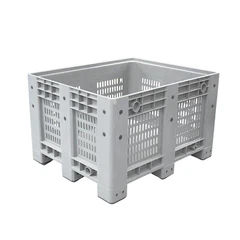
Ventilation is important because fresh produce often needs fast field heat removal, stable airflow, and moisture control. Collapsible harvest crates with vented sidewalls and bottoms, also known as ventilated plastic crates or vented harvest crates, can help cooling, reduce trapped humidity, and protect produce quality during storage and transport.
Use airflow to protect freshness after picking
Fresh produce keeps changing after it is picked. Field heat, moisture, pressure, and poor airflow can shorten shelf life. This is why the supplier pays close attention to ventilation when recommending collapsible harvest crates for fruits and vegetables.
Vented sidewalls and bottoms can help air move through the crate stack, especially during cold storage or pre-cooling. Better airflow can help reduce hot spots inside the stack and support more uniform cooling. This is especially important for fresh produce crates used in cold storage and food logistics applications.
However, ventilation must be designed carefully. Too many large openings can reduce wall strength or allow small products to fall through. Too few openings can trap heat and moisture.
The supplier also checks the pattern of the vents. The vents should support airflow while keeping the crate easy to clean and strong enough for stacking. For crops with delicate skin, the supplier also checks whether the vent edges are smooth. Rough edges can scratch fruit or vegetables during movement.
A good collapsible harvest crate should balance airflow, protection, strength, and cleaning. This balance is more useful than simply choosing the crate with the biggest holes.
|
Ventilation design point |
Procurement question |
|
Sidewall vents |
Does air move through stacked crates? |
|
Bottom vents |
Can heat and moisture escape after picking? |
|
Hole size |
Will small produce fall through or get marked? |
|
Edge finish |
Are vent edges smooth enough for delicate crops? |
|
Stack pattern |
Does stacking block airflow? |
|
Cleaning access |
Can dirt be washed out from vent areas? |
How do collapsible harvest crates improve hygiene and cleaning?
Harvest crates can carry soil, moisture, plant residue, and bacteria if the material and surface are hard to clean.
Collapsible harvest crates improve hygiene when they use non-porous PP or HDPE, smooth surfaces, drainage-friendly shapes, and washable structures. Compared with wood or weak cardboard, plastic crates can be easier to sanitize and reuse in produce handling.
Choose surfaces that support repeated washing
In agriculture, the crate may contact soil, leaves, water, fertilizer residue, and fresh produce in the same day. This is why hygiene is not a small detail.
The supplier usually compares plastic harvest crates with wood crates and corrugated boxes from a cleaning point of view. Wood can absorb moisture and may hold dirt in cracks. Corrugated boxes can soften when wet and are often not built for repeated washing. A reusable plastic crate made from suitable PP or HDPE has a non-porous surface, so it can be easier to wash, pressure clean, and dry.
For collapsible harvest crates, the supplier also inspects the hinges, locks, corners, and folded areas because dirt can collect around moving parts if the design is poor. A good crate should let workers reach the surfaces that need cleaning. It should also drain well so water does not sit in hidden corners.
For food-related applications, the supplier suggests that buyers confirm material suitability, cleaning method, and any required food-contact expectations before ordering.
Hygiene also affects brand reputation. If produce arrives clean and undamaged, the buyer has fewer complaints and better trust from retailers or distributors. In manufacturing discussions, Enlightening Plast connects hygiene with material choice, surface design, and quality control instead of treating it as an afterthought.
|
Hygiene factor |
What the supplier checks |
|
Material |
PP or HDPE suitability for produce handling |
|
Surface |
Smooth areas that are easy to wash |
|
Drainage |
No hidden water traps after cleaning |
|
Hinges and locks |
No dirt buildup around moving parts |
|
Vent openings |
Easy access for washing and drying |
|
Reuse cycle |
Can the crate stay clean across repeated harvests? |

How do collapsible harvest crates reduce storage and return logistics pressure?
Harvest seasons create peaks, and empty crates can quickly fill warehouses, farms, trucks, and packing areas.
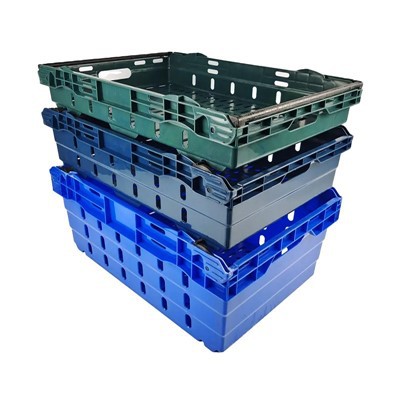
In closed-loop supply chains, these crates are often used as returnable transport crates, reusable transport crates, and collapsible logistics crates because empty storage volume directly affects transportation cost. Collapsible harvest crates reduce storage and return logistics pressure because they fold down when empty. This allows farms, distributors, and packing houses to store more empty crates in less space and return more crates per truck after produce is delivered.
Fold empty crates when the season or route changes
Many agriculture buyers only think about crate use during harvest, but the supplier also asks what happens after the crate is empty.
During peak season, empty crates may move quickly from field to truck to packing house and back again. After peak season, they may sit in storage for weeks or months. If the crates are rigid, they keep taking the same space even when they are empty. This can block farm sheds, cold room staging areas, retail backrooms, and warehouse aisles.
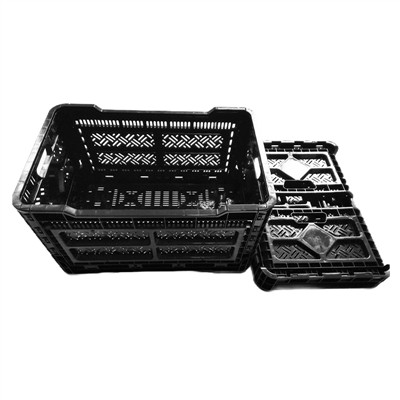
Collapsible harvest crates reduce this pressure because workers can fold them after unloading and stack them in a compact way. Some foldable crate systems can reduce empty volume by a large percentage, often in the 60% to 85% range depending on folded height and structure.
The supplier does not promise one number for every model. The team asks buyers to calculate how many empty crates return per week, how many fit per pallet stack, and how much storage space is available between cycles.
Return logistics is especially important for closed-loop produce routes, supermarket distribution, and exporters who reuse crates across repeated shipments. When empty crates take less space, the buyer can reduce return trips, keep work areas cleaner, and manage seasonal inventory more easily.
|
Return logistics point |
Why collapsible design helps |
|
Empty return volume |
Folded crates fit more units per truck |
|
Seasonal storage |
Compact stacks save off-season space |
|
Farm staging area |
Less clutter around harvest zones |
|
Packing house flow |
Empty crates are easier to organize |
|
Retail return |
Stores can hold more empties before pickup |
|
Asset management |
Folded stacks are easier to count and move |
What should buyers check before buying collapsible harvest crates in bulk?
A harvest crate must save space, but it also needs to protect crops and survive repeated field use.
Before buying bulk collapsible plastic crates or custom agricultural crates, buyers should check crop type, crate size, load weight, ventilation, handle comfort, hinge strength, lock reliability, stack stability, material, cleaning method, folded height, and whether custom color or logo helps sorting and asset control.
Test the crate against the crop and route
The supplier prefers sample testing before bulk orders because agriculture use can be rough and seasonal. A crate that works for leafy vegetables may not work for heavy citrus. A crate that works in a packing house may be awkward in a field row.
Therefore, the supplier asks buyers to test the crate with the real crop, real workers, and real route.
First, check the size. The crate should hold enough produce without creating too much pressure at the bottom.
Second, check the load. The bottom, sidewalls, handles, and corners should support the planned weight.
Third, check ventilation. Air should move through the crate stack without exposing the produce to rough edges or oversized openings.
Fourth, check folding. Workers should be able to fold and open the crate quickly without fighting the hinge or lock.
Fifth, check cleaning. The crate should be easy to wash after field use.
The supplier also asks about custom color and logo. Color coding can help separate crop grades, harvest zones, farms, or customer routes. Logos can help brand visibility and reduce crate loss.
As a professional plastic crate supplier and agricultural crate manufacturer, Enlightening Plast provides custom solutions for buyers requiring OEM plastic crates, custom colors, and large-volume orders. The company can also review material, structure, and quality requirements before production.
|
Bulk buying point |
What the supplier suggests checking |
|
Crop type |
Does the crate fit size, weight, and sensitivity? |
|
Ventilation |
Does airflow support freshness and cooling? |
|
Handle comfort |
Can workers carry it safely for long shifts? |
|
Hinge strength |
Can it survive repeated folding cycles? |
|
Lock reliability |
Does it stay stable when open and loaded? |
|
Folded height |
Does it reduce storage and return volume? |
|
Cleaning method |
Can workers wash and dry it quickly? |
|
Custom options |
Do color, logo, or mold changes improve control? |
Conclusion
Collapsible harvest crates improve efficiency when they protect produce, support workers, improve airflow, clean easily, and reduce empty return volume.
Need Help Choosing the Right Collapsible Harvest Crates?
Buyers who are not sure which collapsible harvest crates fit their projects can ask the Enlightening Plast team to check the size, load, structure, material, use environment, return route, and purchase quantity before placing an order.
Please contact the Global Business Development Manager:
Elaine
Email: sales29@cnpreface.com
Phone: +86 13173207232
Website: prefacepallets.com
Buyers can also send their crate size, crop type, load weight, purchase quantity, and application details. The team will help match a suitable plastic crate solution.