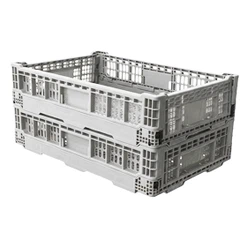
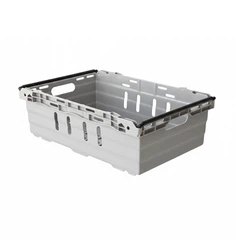
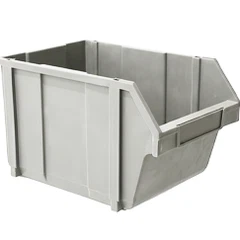
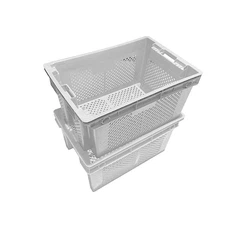
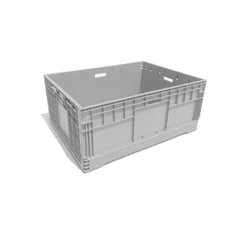
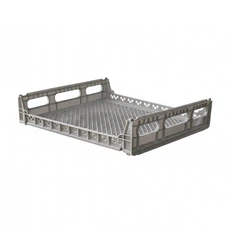
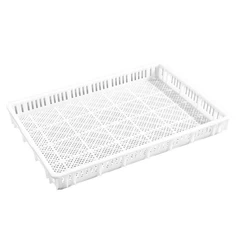
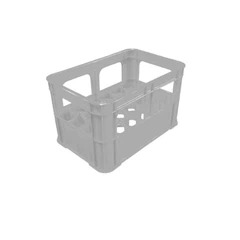
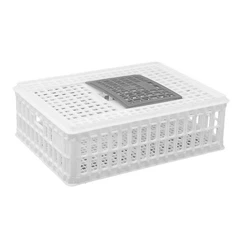
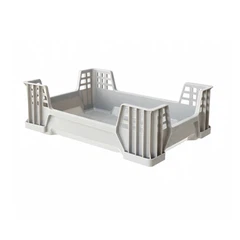

Long distance seafood shipping requires more than a simple storage box. During transportation, temperature changes, ice melting, water leakage, and rough handling can affect seafood quality before products reach their destination. For exporters, wholesalers, seafood processors, and distributors, choosing a suitable seafood transport container helps maintain stable conditions throughout the cold chain.
A reliable container should provide insulation, durability, easy cleaning, and repeated-use capability. From frozen shrimp and salmon to fresh fish and shellfish, different seafood products require different storage solutions. Enlightening Plast Industry Co., Limited provides plastic logistics solutions for industries including fishery, food processing, and supply chain logistics. Its product range includes durable plastic containers, pallet boxes, and insulated solutions designed for commercial transportation needs.

Why Does Seafood Lose Freshness During Long Distance Shipping?
Seafood quality can change quickly when transportation conditions are unstable. A suitable seafood shipping container should help control temperature, protect products from external impact, and support efficient handling during loading and unloading.
Temperature Changes Affect Seafood Quality During Transportation
Seafood requires a stable environment from processing facilities to final delivery locations. During long-distance shipping, outside temperatures, transportation time, and loading frequency can influence product conditions. A regular fish crate may work for short trips, but longer routes often require an insulated fish box or insulated seafood container.
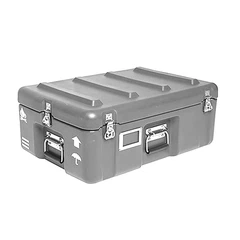
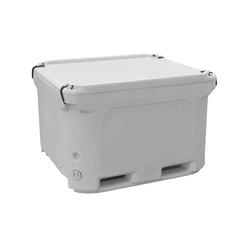
For frozen seafood, such as shrimp, tuna, lobster, and salmon, a temperature controlled fish box helps reduce heat transfer. Enlightening Plast's Dry Ice Containers are designed for applications that need extended cooling performance, making them suitable for frozen seafood transport and cold chain logistics.
Melted Ice and Leakage Increase Handling Difficulties
Traditional seafood transportation often uses ice to maintain freshness. However, melted ice can create water accumulation, increase cleaning work, and affect transportation areas. A leak proof fish box with strong insulation can make seafood handling easier.
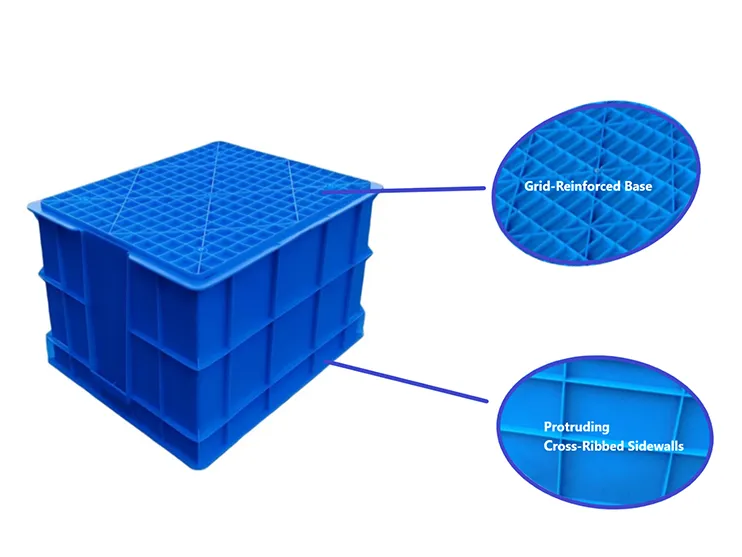
A well-designed plastic seafood box should support hygienic operations with smooth surfaces, easy washing, and reliable structure. Features such as a secure lid, drainage design, and impact-resistant plastic body are commonly required in commercial seafood transportation.
How Can Seafood Transport Containers Maintain Freshness During Long Distance Shipping?
The right seafood container should match transportation conditions, seafood type, and business requirements. Insulation performance, material strength, and container structure all influence the final shipping result.
Insulated Design Helps Control Internal Temperature
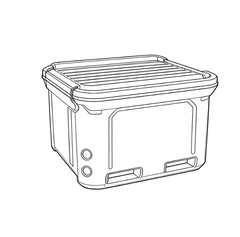
Insulated containers use special structures to slow temperature changes during transportation. Compared with ordinary fish storage boxes, an insulated fish transport box provides better protection for seafood moving through different climates and shipping routes.
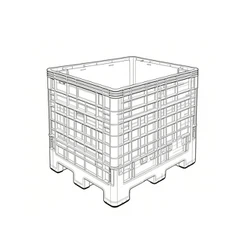
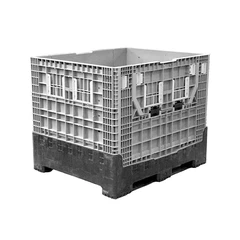
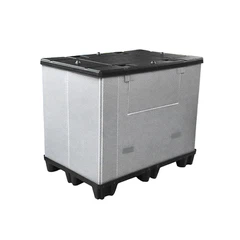
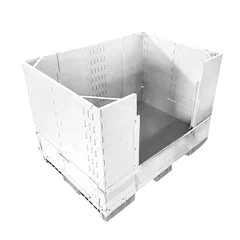
For large-volume seafood operations, Insulated Bulk Containers provide a practical option for bulk handling. They are suitable for seafood processors, distributors, and logistics companies that need a large capacity seafood container for repeated transportation.
A rotomolded insulated fish box can also provide advantages in demanding environments. The one-piece molded structure reduces weak points, while durable polyethylene materials offer good impact resistance for daily industrial use.
Durable Construction Supports Repeated Seafood Transportation
Seafood supply chains often involve frequent handling between fishing ports, processing plants, warehouses, and markets. A disposable package may increase replacement costs, while a reusable fish box can support repeated operations.
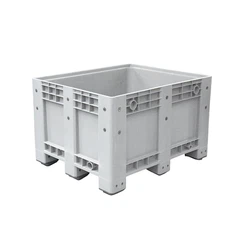
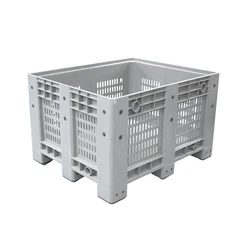
Food grade fish boxes made from durable plastic materials are easier to clean and maintain. Products such as a heavy duty fish tote, commercial fish tote, or forklift fish tote are commonly used in seafood processing and distribution because they support efficient movement and storage.
Enlightening Plast focuses on plastic manufacturing and quality control to provide reliable container solutions. Its quality system and factory facilities support stable production for different industrial applications.
Which Seafood Transport Container Is Suitable for Different Shipping Needs?
Dry Ice Containers for Frozen Seafood and Extended Shipping
Frozen seafood transportation often requires stronger temperature protection. A standard ice fish box may be suitable for short-distance delivery, but longer routes usually require better insulation.
Dry ice containers can be used for frozen fish transport containers, seafood export boxes, and other cold chain applications. They are suitable for products that need longer cooling periods, including frozen shrimp, lobster, tuna, and other seafood products.
Insulated Bulk Containers for Large Volume Seafood Distribution
Large seafood operations often need containers that can hold more products while remaining easy to handle. An insulated bulk container works well for seafood processing, warehouse storage, and distribution networks.
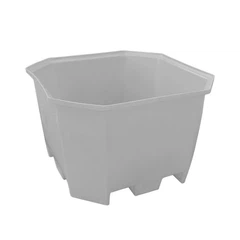
A large capacity fish container, such as a 500 liter seafood tote, 660 liter insulated fish container, or larger bulk fish container, can reduce the number of individual packages needed during transportation. This helps simplify loading procedures and improves space utilization.

How to Choose the Right Seafood Shipping Containers?
Selecting the right container depends on product volume, transportation conditions, and long-term usage requirements. A suitable choice helps maintain seafood quality and supports smoother logistics operations.
Select Suitable Capacity for Different Transportation Requirements
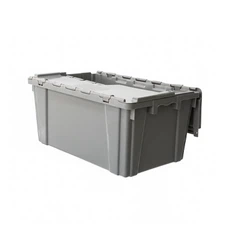
Container capacity should match seafood volume, shipping frequency, and transportation distance. A small plastic fish box with lid may work for local delivery, while a 1000 liter seafood storage tub may be better for large-scale distribution.
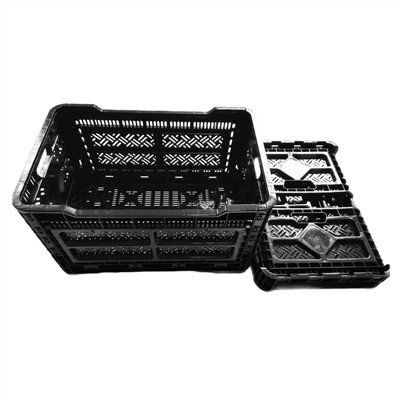
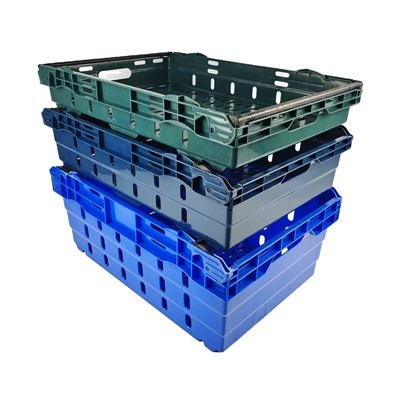
The container size also affects loading efficiency. Stackable fish boxes, pallet size seafood containers, and forkliftable fish totes are commonly selected for commercial operations.
Choose Durable Materials for Long-Term Use
Material quality directly affects container lifespan. Food grade seafood containers should provide strength, easy cleaning, and stable performance in demanding environments.
HDPE fish boxes, polyethylene fish boxes, and rotomolded fish boxes are widely used in seafood industries because they offer impact resistance and corrosion resistance. A smooth wall fish container is easier to wash, which supports cleaner seafood handling processes.
Enlightening Plast provides different plastic container solutions, supporting industries such as fishery and food beverage.
Use Reusable Containers to Improve Logistics Efficiency
Reusable containers help reduce frequent packaging replacement and support long-term transportation plans. Compared with disposable seafood packaging, reusable fish handling containers can be used multiple times with proper maintenance.
For seafood exporters and distributors, reusable fish totes, insulated seafood tubs, and heavy duty seafood containers provide stable performance during repeated loading cycles.
Why Choose a Professional Seafood Container Supplier?
A reliable supplier should provide stable manufacturing, product customization, and support for different application scenarios. Seafood transportation involves strict handling requirements, so container quality matters throughout the supply chain.
Manufacturing Capability Supports Different Seafood Applications
A professional fish box manufacturer should understand the needs of seafood logistics, including temperature control, handling methods, and storage conditions.
Enlightening Plast supplies plastic containers for multiple industries and provides customized solutions through its custom service. Need a reliable solution for seafood transportation? Contact Enlightening Plast for suitable seafood containers designed for your cold chain and logistics needs.
FAQ
Q1: What type of container is best for fresh seafood transport?
A: The best option depends on transportation distance and seafood type. For longer routes, insulated fish boxes, seafood transport containers, and cold chain fish boxes are commonly used to maintain stable conditions.
Q2: Are plastic fish boxes suitable for repeated seafood transportation?
A: Yes. Durable plastic fish containers with smooth surfaces are designed for repeated handling, cleaning, and storage in commercial seafood operations.
Q3: What is the difference between a regular fish box and an insulated fish box?
A: A regular fish box mainly provides physical protection, while an insulated fish box adds thermal protection to help maintain temperature during transportation.
Q4: Can insulated containers be used for frozen seafood?
A: Yes. Insulated seafood containers and dry ice containers are commonly used for frozen fish, shrimp, lobster, and other products requiring cold chain transportation.
Q5: Can seafood transport containers be customized for business needs?
A: Yes. Enlightening Plast can provide customized sizes, designs, and features according to storage volume, handling methods, and transportation requirements.