
By 2026 supply chain teams face higher freight rates, tighter hygiene standards, and ESG targets that procurement actually measures on the balance sheet. The plastic pallet box has stepped forward as the practical replacement for wood and cardboard in distribution networks. These sturdy reusable containers move bulk loads from fresh produce all the way to heavy industrial parts, and most operations see full payback inside two years once damage claims fall and empty-return freight shrinks.
This guide brings together the steps that actually work on the floor. It walks through construction types, how materials hold up under real loads, exact capacity numbers, industry matches, and the full cost picture that experienced buyers use every day. The point stays simple: match the container to daily moves, compliance needs, and long-term numbers so the gains hold up.

What Is a Plastic Pallet Box? Types and Key Differences
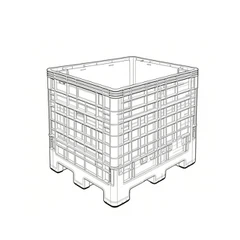
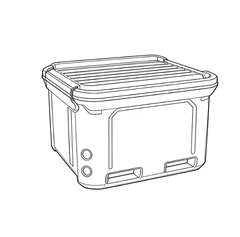
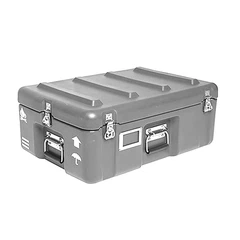
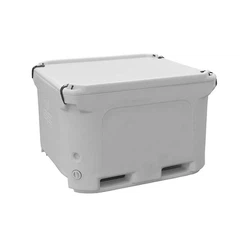
A plastic pallet box combines a pallet base with sidewalls and usually a lid to create a secure bulk container. Factories mold these from high-density polyethylene or polypropylene, resins built to handle moisture, chemicals, and repeated impacts far longer than wood.
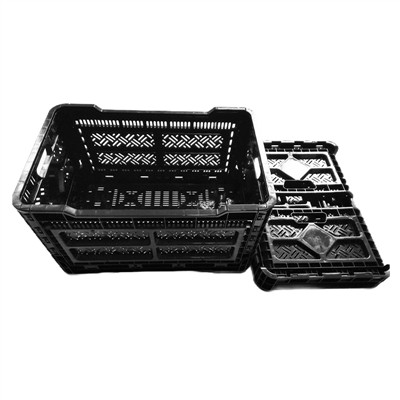
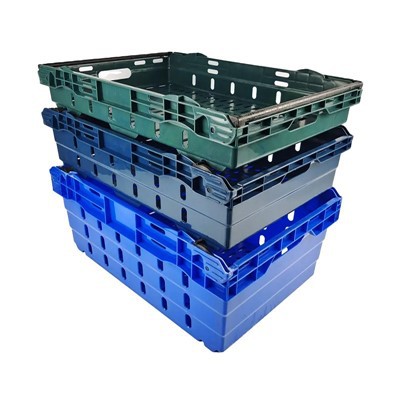
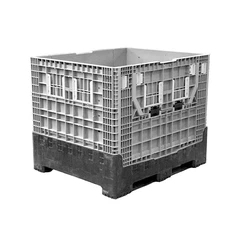
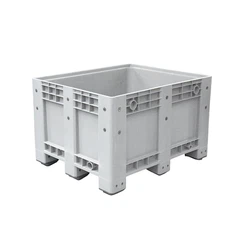
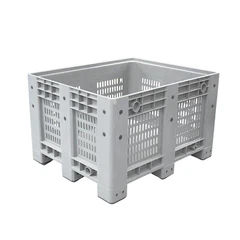
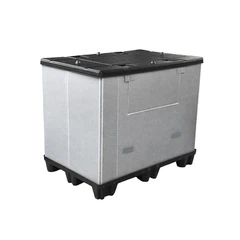
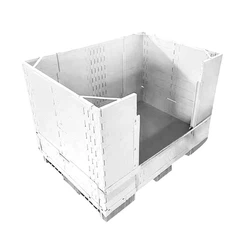
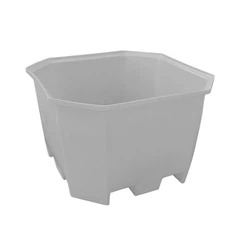
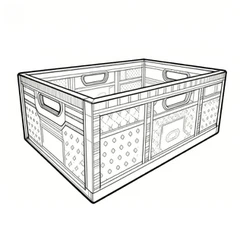
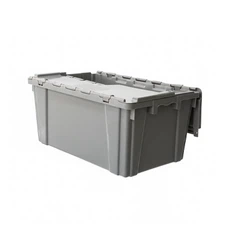
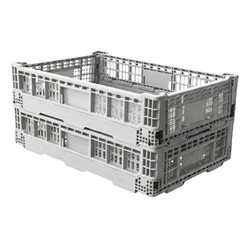
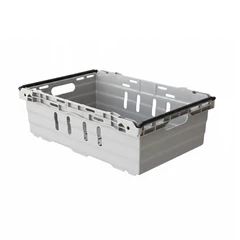
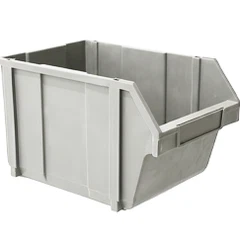
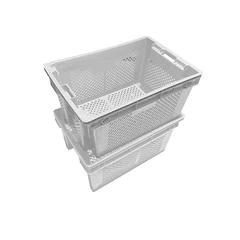
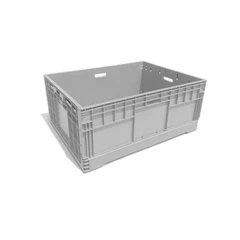
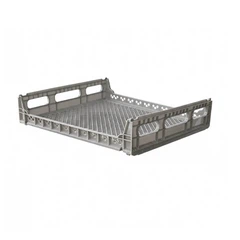
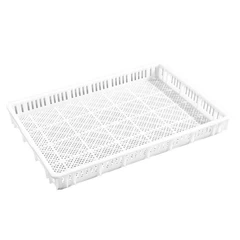
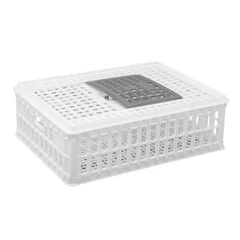
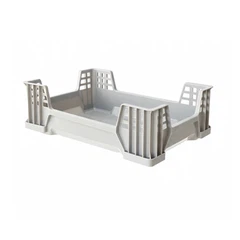
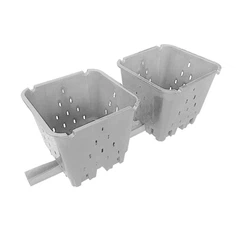
Different types solve different logistics realities. Collapsible bulk containers drop flat when empty, cutting return volume by up to 80 percent and freeing space in cross-dock yards. Rigid pallet containers keep fixed sidewalls for the strongest stacking in permanent racks. Vented harvest bins use perforated walls that keep air flowing, a must for temperature control in produce and poultry runs. Pallet pack containers work with interchangeable sleeves between base and lid so height adjusts to whatever the load needs. Splicing plastic pallet boxes click modular panels together right on site when standard sizes do not fit.
All of them give four-way forklift entry, solid stacking under load, and smooth walls that never leave splinters or nails. The decision comes down to whether return trips, static strength, or airflow drives the operation.
Key Factors to Consider When Choosing a Plastic Pallet Box
Real decisions start with how the box actually travels through the facility, not the sticker price. Each detail below shows up in daily warehouse results.
Load Capacity and Dimensions – Matching Weight and Size Requirements
Dynamic ratings for forklift travel usually hit 1,000 kg while static stacking on flat ground reaches 4,000 kg. Racking loads always need separate checks because beam flex cuts capacity fast. Common footprints like 1,200 by 1,000 mm line up with Euro and ISO racks, yet sizes run from compact 1,140 by 1,470 mm units to larger harvest formats. Teams measure racking gaps, conveyor widths, and truck doors first. Even a small mismatch turns into repeated handling delays or safety flags that pile up over months.
Material Performance – HDPE versus PP in Real Conditions
High-density polyethylene brings solid impact resistance and works cleanly from –40 °C to +70 °C, the range most outdoor yards and cold-chain routes need. Polypropylene adds extra stiffness and chemical tolerance, useful on automotive lines where oils sit around. Both resins come in food-grade versions when suppliers certify the feedstock. Virgin material from steady sources keeps wall thickness consistent cycle after cycle.
Collapsible versus Rigid Designs – Calculating Space and Freight Savings
Collapsible bulk containers shine in closed-loop routes. Folded units take roughly one-fifth the height of rigid models, so backhaul trucks carry more empties and cost less. Networks running 1,000 km round trips often see 35 percent lower annual transport bills after the first year. Rigid models hold up better in fixed storage or heavy static stacks where folding joints would take extra wear.
Ventilation Requirements – Solid versus Vented Walls for Specific Cargoes
Solid walls block dust and spills but trap heat. Vented harvest bins with 640-liter capacity and slotted sides let air circulate, keeping produce cooler during long hauls and trimming rejection rates at the dock. Solid versions work cleaner for dry goods or sealed chemicals that need no airflow.

Forklift and Racking Compatibility – Entry Points and Base Design
Four-way entry speeds turns in tight aisles. Reinforced bases resist sag, and runner shapes either slide onto conveyors or pair with automated vehicles. Checking compatibility upfront avoids downtime when containers shift between manual and robotic handling.
Hygiene Standards and Certifications – Meeting Food and Pharma Audits
Smooth, non-porous surfaces rinse clean under high pressure or steam. FDA-compliant grades use virgin resin without restricted additives. ISO 9001 and 14001 registrations prove steady manufacturing and environmental tracking. In regulated chains these papers shorten audit time and cut contamination risk.
Temperature Resistance and Insulation Features
Standard units run from –40 °C to +70 °C without issue. Thicker walls or added insulation layers hold internal conditions longer when dry ice or gel packs travel in extreme cold-chain legs.
Sustainability and Recyclability – Supporting 2026 ESG Targets
Fully recyclable HDPE and PP construction lines up with circular programs. Sites tracking ten-plus cycles report 50 to 70 percent lower carbon numbers than single-use wood. Longer service life simply means fewer replacements and less waste overall.
Plastic Pallet Box Comparison – Top Use Cases by Industry
Food and beverage lines lean on vented harvest bins and FDA-rated rigid containers to protect quality and pass hygiene checks. Collapsible versions make empty returns from stores back to plants quick and cheap.
Agriculture counts on large vented bins from field to packhouse. Airflow preserves freshness, and stacking fills trailers tighter.
Automotive and manufacturing pick rigid or pallet pack containers for heavy parts. Chemical resistance and impact strength keep components safe during just-in-time deliveries.
Logistics teams and third-party operators choose collapsible bulk containers to pack return trucks fuller. High stack ratings let warehouses store denser.
Waste and recycling yards go with tough rigid models that take corrosive loads and rough mechanical handling day after day.
Cost Analysis and ROI – Quantifying Total Ownership Savings
Sticker prices sit higher than wood, but numbers over years flip the equation. A standard collapsible plastic pallet box lasts eight to ten years and clears 1,000 cycles. Wood pallets often need swapping every one to three years from breakage and export treatment costs.
Take a mid-size shipper moving 5,000 loads a year. Wood repair and replacement can run $45,000 annually. The same volume in plastic settles near $12,000 after year three once purchase and upkeep factor in. Collapsibility often trims backhaul freight another 30 to 40 percent. Payback lands between 18 and 24 months.
Extra wins show up as fewer damaged goods from smooth interiors, lower injury reports without splinters or nails, and shorter cleaning time. Regulated sectors dodge fines that wood versions struggle to avoid.
Common Mistakes to Avoid When Buying Plastic Pallet Boxes
Some buyers chase the lowest unit cost and skip total ownership math. Load testing in actual conditions gets skipped, so failures hit under full stacks. Return logistics stay off the checklist, inflating empty freight. Non-food-grade resin lands in food applications and triggers audit trouble. Customization gets overlooked, missing exact fits for racking or conveyors.
How to Get Started – Step-by-Step Action Plan
Begin by listing real pain points-high damage counts, slow handling, or growing disposal fees. Compile the must-have list: dimensions, load ratings, ventilation type, certifications, and temperature range. Compare three to five suppliers on lead times, mold ownership for custom work, and performance sheets. Run samples through warehouse trials. Launch a small pilot, measure actual savings, then scale with documented proof for internal sign-off.
About Enlightening Plast
Enlightening Plast started in 2000 with headquarters in Shanghai and runs a 90,000 m² production base in Ningbo equipped with advanced injection and roto-molding lines. The plant holds over 700 self-owned molds and adds 20 to 30 new molds each year. Certifications include ISO 9001, ISO 14001, CE, SGS, and GRS. Products ship to more than 100 countries and regions, supporting major retailers and manufacturers in food, beverage, automotive, and logistics. The focus stays on durable HDPE and PP construction, full recyclability, and OEM or ODM solutions built for lasting supply chain performance.
Conclusion
Picking the right plastic pallet box comes down to fitting features to real movement, load demands, and long-range plans. The correct match cuts damage, speeds handling, lowers freight bills, and meets sustainability goals. With clear specs and supplier proof in hand, procurement teams can move ahead with solid confidence.
FAQs
What is the difference between collapsible and rigid plastic pallet boxes?
Collapsible versions fold flat when empty, saving up to 80 percent of return transport space. Rigid models deliver fixed sidewalls that support heavier static stacking and permanent storage applications.
How do I determine the right load capacity for a plastic pallet box?
Dynamic ratings for forklift movement typically reach 1,000 kg, while static stacking capacity extends to 4,000 kg on level surfaces. Racking capacity must be verified separately and actual conditions tested before full deployment.
Are plastic pallet boxes suitable for food industry applications?
Yes, when produced from FDA-compliant HDPE or PP with smooth, washable surfaces. Certifications confirm food-grade resin and hygienic construction that satisfies regulatory audits.
How long do plastic pallet boxes typically last in service?
Under standard handling they endure eight to ten years or more than 1,000 cycles. Service life significantly exceeds wood, lowering replacement frequency and total ownership costs.
Can plastic pallet boxes be customized for unique dimensions or features?
Manufacturers routinely offer OEM and ODM options including adjustable sleeve heights, modular splicing, custom colors, logos, and reinforced elements to match specific racking or conveyor systems.