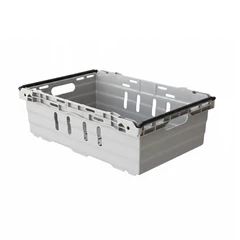
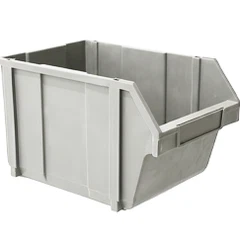
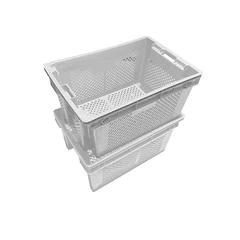
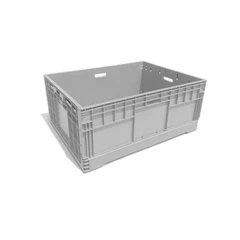
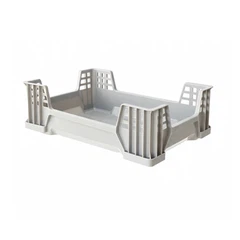
Supply chain professionals who regularly evaluate collapsible plastic pallet containers versus rigid plastic pallet containers soon realize that the structural differences translate directly into measurable shifts in procurement expenses, transportation fees, warehouse utilization rates, and total ownership costs across multi-year operations. Both types move bulk goods reliably in food processing lines, automotive parts distribution networks, agricultural harvest cycles, and general manufacturing flows, yet the choice between them influences daily efficiency and bottom-line results far more than initial price tags suggest.

What Are Collapsible and Rigid Plastic Pallet Containers?
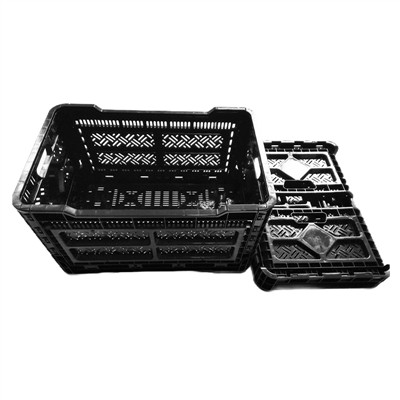
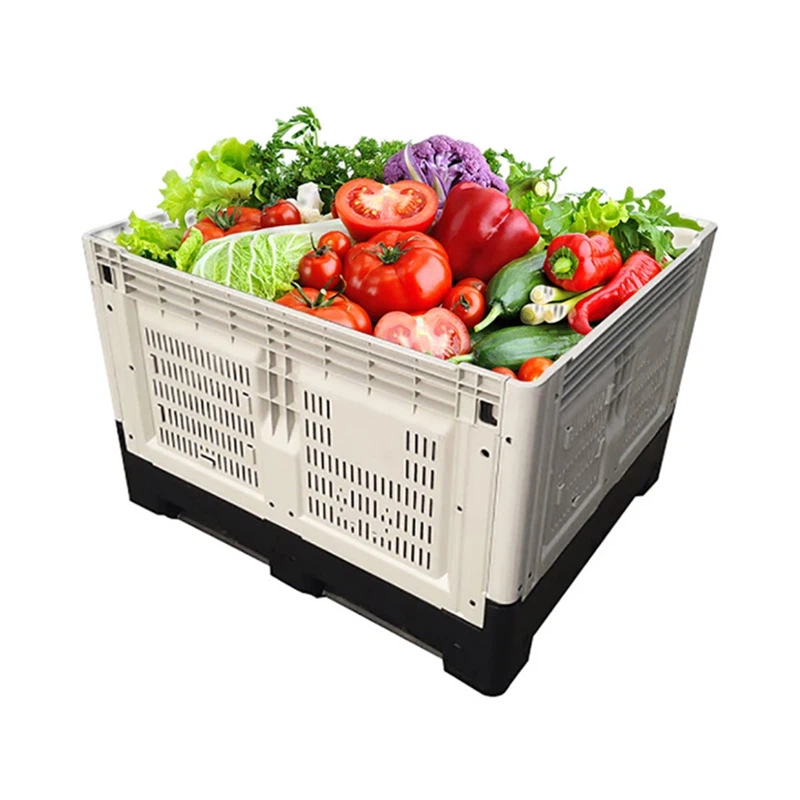
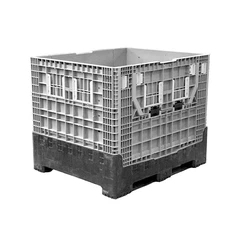
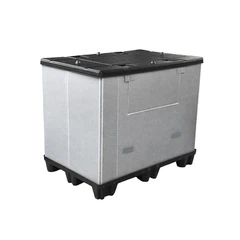
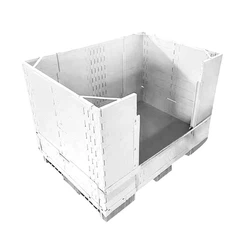
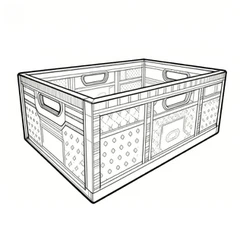
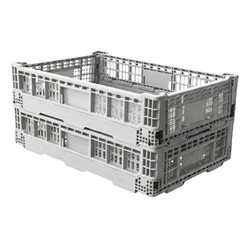
Collapsible plastic pallet containers drop their side walls inward along reinforced hinges once emptied, shrinking to roughly one-third of assembled height while keeping the same heavy-duty base and corner reinforcements intact. Injection-molded from virgin HDPE or PP resin, typical external dimensions run 1200 by 1000 by 975 millimeters, delivering internal capacities up to 972 liters. The hinge system uses interlocking grooves that lock solidly under load yet release smoothly for folding, so loaded units stack safely and empty ones nest tightly for return trips. Many versions include vented panels that maintain airflow for fresh produce or chilled items without sacrificing strength.
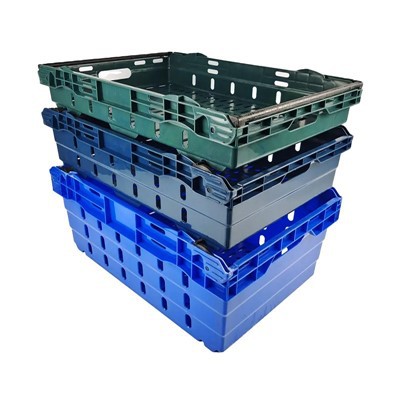
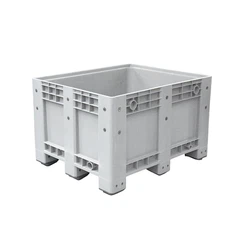
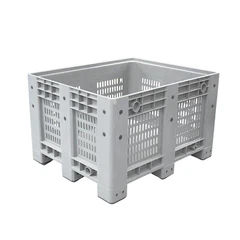
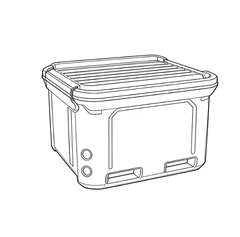
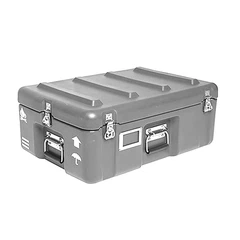
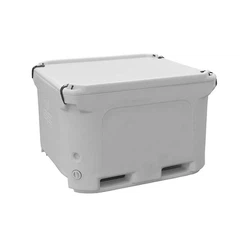
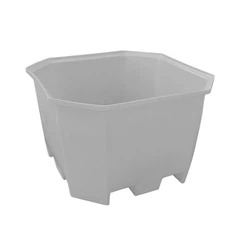
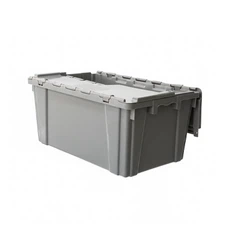
Rigid plastic pallet containers stay fixed in shape with continuous solid walls and a built-in pallet base that accepts four-way forklift access from any side. The same high-grade materials create a seamless body rated for one-tonne dynamic loads and four-tonne static loads. Standard sizes align closely with collapsible counterparts, though internal volumes usually sit between 445 and 606 liters depending on wall thickness. These units stack five high when fully loaded without any wall bowing and handle temperature swings from minus 40 to plus 70 degrees Celsius along with repeated high-pressure washing.
On the warehouse floor the operational contrast shows up immediately. Collapsible plastic pallet containers focus on space recovery during empty return legs, while rigid plastic pallet containers deliver steady load stability for heavy or one-direction movements. Both fit standard racking, conveyor systems, and automated guided vehicles, but the selection ripples through every stage of the freight cycle.
Collapsible vs Rigid Plastic Pallet Containers: Pros and Cons Breakdown
In actual closed-loop supply chains, collapsible plastic pallet containers shine whenever empty repositioning makes up a regular part of the schedule. The folded profile slashes trailer space needs and opens warehouse bays for revenue-generating stock. Teams moving seasonal produce notice smoother rotation cycles and reduced labor because the units pack densely without extra bracing. Vented versions keep perishable loads cooler and drier during extended hauls, and drop-side doors let workers unload partial quantities while containers stay stacked in picking zones. Interior surfaces clean quickly because smooth radii shed residue without trapping material.
Even so, the hinge zones call for attention over long service periods. Facilities handling sharp metal stampings or constant high-impact drops sometimes see abrasion appear first at those pivot points rather than on solid surfaces. Upfront acquisition prices sit modestly higher because of the extra molding steps required for the collapse feature.
Rigid plastic pallet containers perform with steady reliability under heavy or off-center loads. Pressure spreads evenly across the unbroken walls, so taller stacks hold firm and lateral forces during rail or ocean legs cause little distortion. Automotive suppliers and heavy machinery distributors lean toward them for parts that must stay perfectly aligned through repeated forklift moves. Fixed outer measurements make inventory counts straightforward because every unit keeps identical external dimensions whether loaded or vacant. Routine maintenance stays simple, and many fleets report service lives stretching past ten years with only standard wash cycles.
The limitation surfaces most clearly on return legs. Empty rigid plastic pallet containers take their full assembled space on trucks and in storage yards, pushing up carrier invoices and claiming permanent floor area. Operations running frequent backhauls or working with tight yard space watch those fixed dimensions add to ongoing overhead as fleet size grows. Extreme temperatures and aggressive cleaning chemicals affect both styles in similar ways, although rigid models hold a slight edge in waste-handling streams where uninterrupted surfaces resist gouging more evenly.
Supply Chain Cost Comparison: Which Really Saves More?
The cost review starts at the purchase order. Rigid plastic pallet containers usually list lower per-unit pricing because the molding cycle skips the hinge components entirely. At order quantities of 200 to 500 pieces the spread can reach 15 to 25 percent on the initial invoice. That gap narrows fast once the containers start cycling through daily routes and return freight charges accumulate.
Return transportation often becomes the dominant variable expense in reusable programs. Collapsible plastic pallet containers compress empty volume by 70 to 80 percent when folded flat. The same trailer that once carried only 50 empty rigid plastic pallet containers now loads 200 folded units without any wasted space. Logistics runs on repeated routes show backhaul freight bills dropping 40 to 60 percent, covering fuel, driver hours, and tariff charges. Warehouse footprint savings track the same curve. Folded collapsible units pack into off-peak bays, freeing square meters that rigid containers occupy year-round.
Service life and replacement timing round out the total ownership calculation. Rigid plastic pallet containers resist impact and crushing better in rough environments, stretching intervals between replacements for certain heavy-load duties. Updated collapsible designs now feature thicker corner sections and reinforced bases that routinely reach ten-year service in standard-duty settings. When cleaning labor, minor repairs, and residual scrap value enter the equation the long-term cost lines move closer together. Supply chains with matched inbound and outbound volumes-common in food distribution and component replenishment-typically log lower cumulative expenses with collapsible plastic pallet containers. Pure one-way heavy hauls or permanent high-stack storage often favor rigid models even with the added empty-return burden.
Field tracking in 2026 backs the pattern. Logistics coordinators monitoring mixed fleets record average transportation savings of 25 to 35 percent after matching container style to actual route profiles. Straightforward spreadsheet models fed with current freight tariffs, warehouse rental rates, and cycle counts pinpoint break-even points between 18 and 24 months for most hybrid operations.
Real-World Case Studies & ROI Examples
An agricultural shipper moving fresh vegetables from collection points to regional distribution hubs offers a practical benchmark. The fleet of 300 collapsible plastic pallet containers cut empty return volume to one-quarter of earlier rigid-container levels. Freight invoices dropped more than 45 percent while two full storage bays became available for active stock. The modest extra cost at purchase paid back inside 20 months, freeing budget for additional refrigerated capacity downstream.
An automotive parts distributor supplying gears and housings to three separate assembly lines tested another mix. Rigid plastic pallet containers handled the densest metal loads well at first, but empty trailers left the yard half empty on return runs. Shifting lighter restock lanes to collapsible plastic pallet containers trimmed transportation outlays by 38 percent and kept load integrity intact. The combined fleet approach reduced total supply chain expenses by 29 percent while holding just-in-time windows steady.
A municipal waste contractor sorting recyclables at urban transfer stations faced its own balance point. Rigid plastic pallet containers managed the rough initial pickup phase without issue, yet frequent short-haul repositioning inside the facility favored collapsible units for the sorting stage. Shuttle costs inside the plant fell 52 percent and the overtime previously spent shifting empty rigid containers vanished. In each instance the ratio of empty return legs to loaded one-way trips decided the lower-cost choice. Straight route audits quickly highlighted the switchover threshold for every segment.

How to Choose the Right One for Your Supply Chain
Route mapping comes first. Teams tally the share of trips that return empty or only partially filled. When that share tops 40 percent and warehouse space stays tight, collapsible plastic pallet containers usually produce the largest savings through lower carrier charges and tighter storage density.
Load specifics deserve equal weight. Sharp-edged or high-density items may point toward rigid plastic pallet containers to limit hinge abrasion over time. Stacks reaching five high or lateral forces from intermodal legs often last longer with the solid-wall construction. Temperature demands matter too; both styles cover cold-chain and ambient ranges reliably, yet vented collapsible models gain an edge for items needing steady airflow.
Fleet growth projections finish the picture. Organizations scaling past 500 units gain from the broad customization menus offered in both lines-color coding, RFID pockets, and access gates that match existing automation. The final gate involves building a five-year total cost model. Plug in actual freight tariffs, square-foot rental rates, and projected cycle volumes. The output nearly always isolates one clear winner for each distinct supply chain segment.
Enlightening Plast: A Trusted Manufacturer in Plastic Logistics Solutions
Enlightening Plast Industry Co., Limited has focused on reusable plastic containers since 2000. The company runs its own production campus of 90,000 square meters spread across Shanghai and Ningbo sites. Injection and rotational molding lines support more than 2,500 active molds, and the engineering team releases 30 fresh designs each year. Quality systems hold ISO 9001 and ISO 14001 certification, while every production lot carries SGS, FDA, and CE test stamps before leaving the gate.
The catalog covers both collapsible bulk containers and rigid pallet containers built to international logistics standards. Dimensions, vent patterns, and load ratings adjust to global pallet footprints and automated handling equipment. OEM and ODM programs let buyers add private branding, custom colors, and extras such as lids or drain ports. Shipments reach more than 230 countries and territories backed by dependable lead times and field support through a global distributor network. Procurement groups value the scale of output, steady use of virgin HDPE and PP resin, and engineering emphasis on extended service intervals that cut replacement frequency.
Conclusion
Selecting between collapsible and rigid plastic pallet containers comes down to the real balance of return frequency, storage pressure, and load intensity inside each operation. Supply chains that repeat backhauls or face space shortages generally achieve lower total costs with the collapsible design because of the sharp drop in volume and the extra room gained in warehouses. Rigid plastic pallet containers keep clear strengths in tall-stack or heavy-impact duties where solid walls outweigh empty-return penalties. When teams build models from their own freight numbers and run limited trials, the resulting savings build steadily across years. The 2026 logistics setting continues to reward choices anchored in actual cycle data instead of blanket assumptions.
FAQs
How much can collapsible plastic pallet containers save in return shipping costs?
In typical closed-loop routes repeated ten or more times annually, the 70 to 80 percent volume reduction when folded translates into 40 to 60 percent lower backhaul freight expenses. Actual savings vary with carrier rates and trailer configurations, but most fleets recover the modest upfront premium within the first 18 to 24 months.
Which plastic pallet container works better for food supply chains with perishable goods?
Vented collapsible models provide airflow that slows spoilage during distribution while still allowing dense empty storage on return legs. Rigid solid-wall versions suit operations requiring maximum stack height and impact resistance, such as frozen meat or seafood transport. The decision hinges on whether ventilation or absolute structural rigidity matters more for the specific temperature profile and handling method.
When does the investment in collapsible versus rigid pallet containers pay off?
Break-even occurs fastest in operations where empty repositioning exceeds 40 percent of total trips and warehouse space carries a measurable rental or opportunity cost. Teams that run a five-year total ownership calculation using their own freight volumes and storage rates consistently see payback periods under two years for collapsible units in mixed-use scenarios.
Are rigid plastic pallet containers more durable for heavy automotive parts?
Yes, the solid one-piece construction distributes pressure evenly and avoids hinge wear, supporting taller stacks and higher dynamic loads without deformation. Many manufacturers select rigid models for gears, housings, and tooling that experience repeated forklift transfers under maximum weight.
How do I calculate the right plastic pallet container type for my warehouse space limits?
Start by measuring current empty container footprint and multiply by annual return trips. Compare the folded height of collapsible units against full-height rigid units to determine space reclaimed. Add carrier backhaul rates and cleaning labor to produce a clear cost-per-cycle figure that reveals the lower-expense option for the specific facility layout.