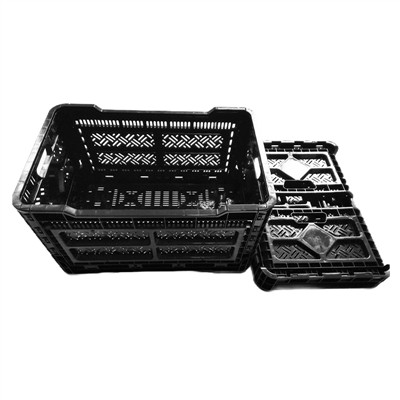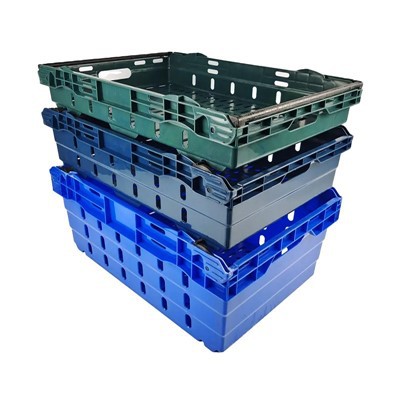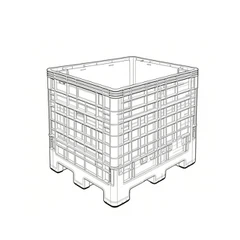
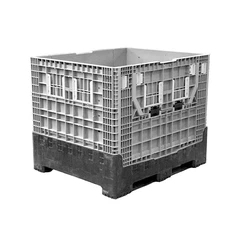
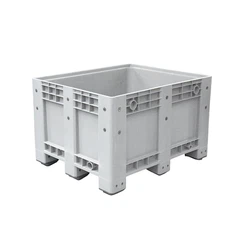
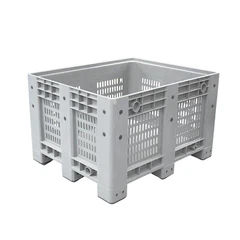
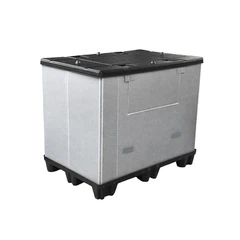
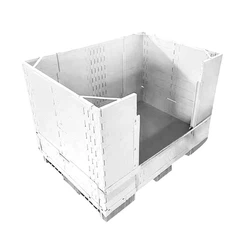
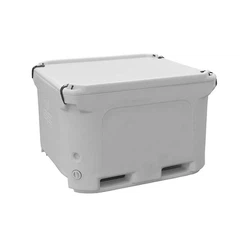
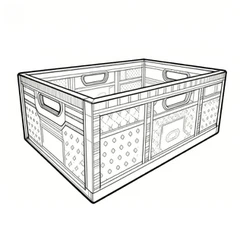
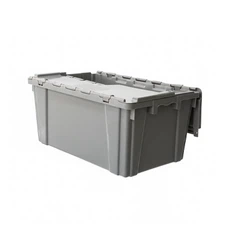
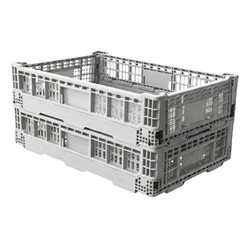
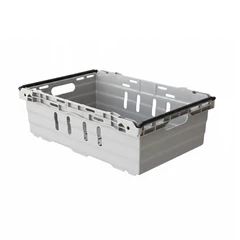
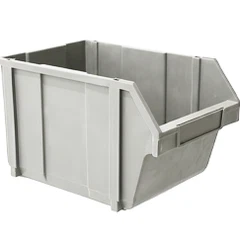
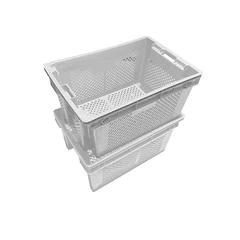
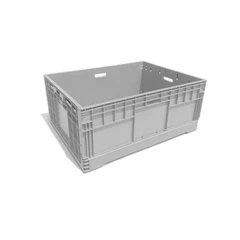
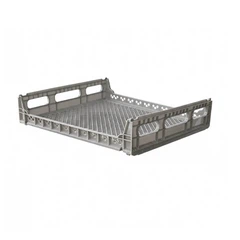
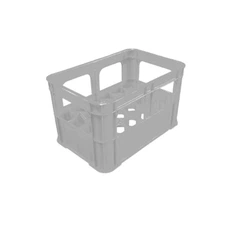
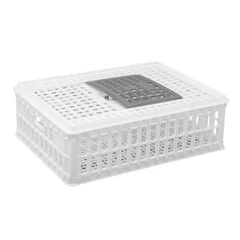
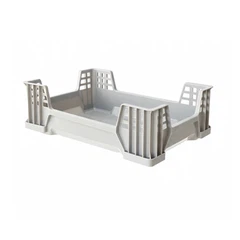

A collapsible plastic crate saves storage space when empty, but the folding mechanism can feel unclear when you first use it. Most designs follow a simple sequence: empty the crate, release the side-panel locks, fold the short sides inward, then lower the long sides. The exact latch design can vary, so a quick check of the crate structure should come first.
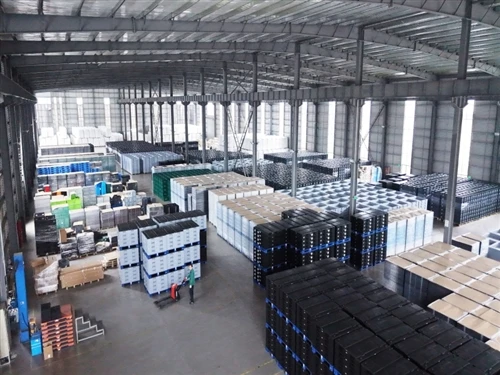
For businesses sourcing reusable handling equipment, Enlightening Plast Industry Co., Limited supplies plastic crates and other reusable plastic handling products for different industries. Its production setup includes injection, roto and blow molding, with more than 700 in-house molds and ISO 9001 and ISO 14001 systems.

Before Folding the Collapsible Plastic Crate
Before you fold a collapsible plastic crate, remove all goods and place the empty crate on a stable, flat surface. Check the hinges, corner joints and locking points for dust, labels or packaging scraps. A crate may also use a push-button, sliding latch or handle-based release, so identify the mechanism before applying force. If you are comparing different designs, Folding Plastic Crate products can also be considered for applications where empty storage space matters.
How to Fold a Collapsible Plastic Crate Step by Step
The folding order matters because the panels are connected. Trying to push every side inward at once can put pressure on the locks and hinges. Follow the panel sequence used by the crate design.
Step 1: Place the Empty Crate on a Flat Surface
Set the empty crate upright on a level surface. Keep the opening clear and give each side enough room to move. For a large warehouse crate, floor space makes the folding process easier to control.
Step 2: Release the Side-Panel Locks
Find the release points near the short panels, handles or upper corners. Press, slide or lift the locking parts according to the crate design. Check that the panel has actually released before folding it. A latch that still holds one corner can make the panel feel stuck.
Step 3: Fold the Short Side Panels Inward
Once the locks are released, push the short side panels toward the inside of the crate. Keep your fingers away from the hinge areas as the panel moves. The short sides usually need to move first because they create the space needed for the longer panels.
Step 4: Lower the Long Side Panels
With the short sides folded inward, lower the long panels toward the base. Guide them down evenly so the hinges carry the movement naturally. A Collapsible Plastic Crate uses this basic space-saving concept, making empty crates easier to store and move in bulk.
Step 5: Check That the Crate Is Fully Flat
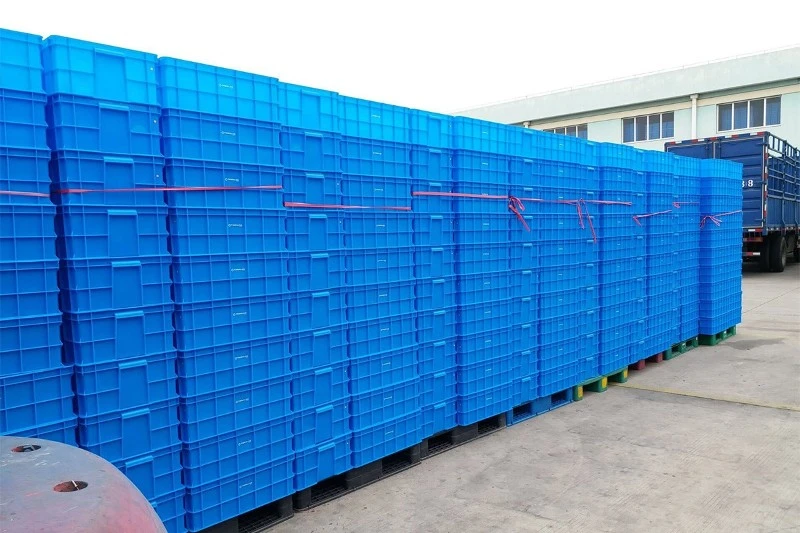
After folding, check each corner and panel. The side panels should sit in the intended folded position, with no corner raised because of a locked section or trapped material. If folded crates will be stacked for storage or transport, keep the stack stable and within the handling limits of the specific model.
How to Unfold the Crate
Unfolding reverses the process. Raise the long panels first, then lift the short panels into position. Press each corner until the locking points engage fully. Run a quick hand check around the upper edges before loading goods. For warehouse use, this small check takes little time and can prevent a panel from dropping during handling.
What to Do If the Crate Will Not Fold
A collapsible plastic crate that feels stuck usually needs a closer look at the release points. The latch may still be partly engaged, or dust and packaging scraps may sit around a hinge. The folding sequence may also be wrong. If the panel still resists after the release points are clear, inspect the panel, latch and hinge for bending or other visible damage. For regular operations, a Folding Storage Crate can be useful when storage space is a key part of the handling process.
Folding Safety and Storage Tips
Keep your fingers away from hinges and panel joints while folding. Apply steady hand pressure and let the folding mechanism guide the movement. Avoid standing on the crate, twisting the panels or forcing a locked section. Once fully folded, place crates on a stable surface before stacking them. In return logistics, folded crates can also take less storage space during empty transport, which matters when many units move between warehouses.
Different Crates May Use Different Folding Mechanisms
Collapsible plastic crates can use different release systems. A push-button release usually needs pressure on a button before the panel moves. A sliding latch releases when the locking piece moves along its track. An integrated handle release combines the carrying handle with the side-panel mechanism. The basic folding idea stays similar, but the release action can differ from one crate to another. This is why checking the actual crate design matters before folding a new model.
Factory Support for Folding Plastic Crate Projects
For bulk orders, details such as crate design, quantity, color, logo, samples and packing can be discussed before production. The supplier also lists custom support, a free product sample with freight paid by the buyer, a three-year warranty and a 24-hour response service. If a folding crate is being considered for warehouse, food and beverage, agriculture, automotive or supply-chain use, you can contact the team with the required size, quantity and application so the suitable crate structure can be discussed.
FAQ
Q: Which side of a collapsible crate should be folded first?
A: In the common folding sequence, release the locks, fold the short side panels inward, then lower the long side panels.
Q: Why will my collapsible plastic crate not fold flat?
A: Check for a partly engaged latch, debris around the hinges, an incorrect folding sequence or visible panel and hinge damage.
Q: Can folded plastic crates be stacked?
A: Yes, folded crates can be stacked when the crate design permits it. Keep the stack stable and follow the handling limits for that model.
Q: Does frequent folding damage the hinges?
A: Hinges can wear with repeated use, especially when panels are forced or twisted. Normal folding with clean hinges reduces unnecessary stress.
Q: How should a folding crate be checked before loading?
A: Raise every panel fully, check the corners and confirm each locking point has engaged before placing goods inside.