
Introduction
For modern warehouse and supply chain operations, a reusable container needs to do more than hold goods. It must support efficient storage, handling, stacking, transportation, and empty-container returns while protecting products through repeated circulation. A plastic pallet box provides a durable alternative to disposable packaging and can be matched to different warehouse layouts, load requirements, and return logistics strategies.
Where Do Plastic Pallet Boxes Fit in Warehouse and Supply Chain Operations
A plastic pallet box can support multiple warehouse and supply chain stages, from receiving incoming
materials to storing, transferring, distributing, and returning empty containers.
- Inbound Receiving
- Warehouse Storage & Sorting
- In-Plant & Warehouse Transfer
- Distribution & Delivery
- Reverse Logistics
-
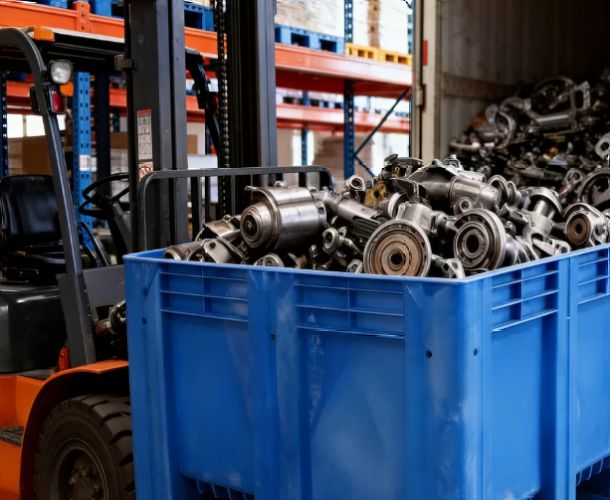 Inbound Receiving
Pallet boxes can be used to receive and sort materials by SKU, batch, supplier, or production order while providing better resistance to moisture and deformation than many conventional packaging options.
-
 Warehouse Storage & Sorting
Their pallet-based format makes them suitable for bulk storage and organized material handling, while labeling, color coding, and RFID options can help reduce product mix-ups across warehouse operations.
-
 In-Plant & Warehouse Transfer
Four-way forklift entry allows loaded containers to move between storage areas, workstations, packing zones, and loading docks with forklifts, pallet trucks, or compatible automated handling equipment.
-
 Distribution & Delivery
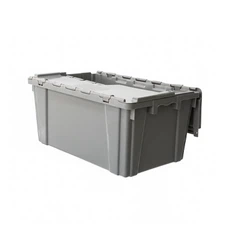
Reinforced reusable containers can protect goods during movement from manufacturing facilities through distribution networks while remaining stackable, sealable, labelable, washable, and reusable.
-
 Reverse Logistics
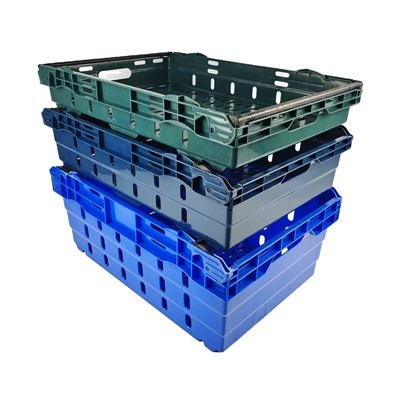
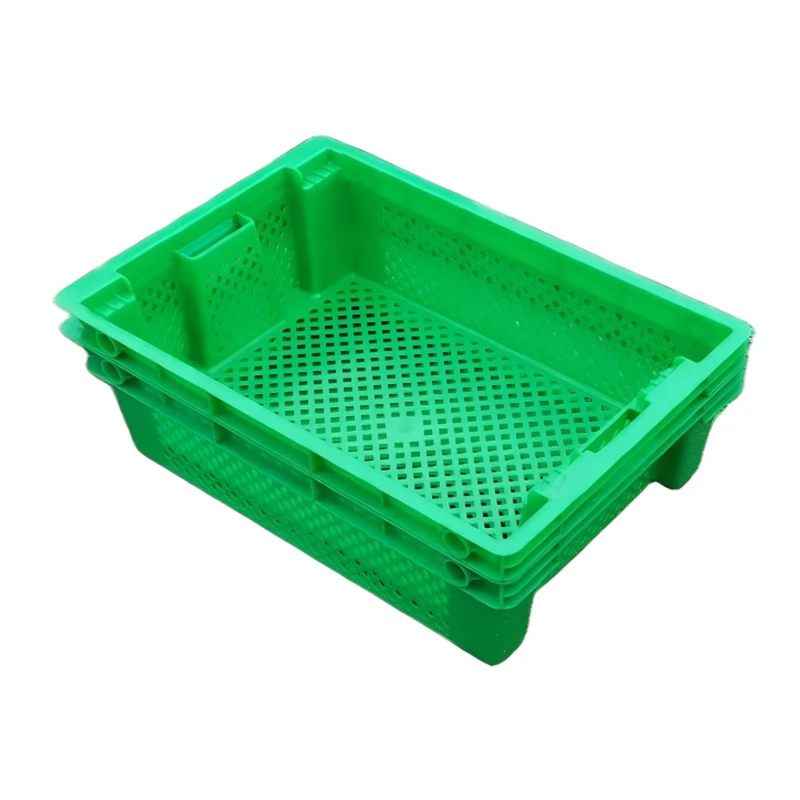
Foldable, stackable, or nestable designs can reduce empty-container volume, making return transportation and multi-site container circulation easier to manage.
Which Plastic Pallet Box Structure Fits Your Operation
The right structure depends on whether your operation prioritizes empty-return efficiency, heavy-duty
stacking, flexible dimensions, or specific ventilation and protection requirements.

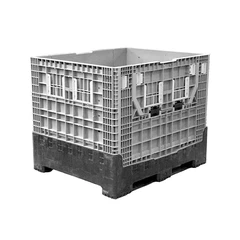
Collapsible Bulk Containers
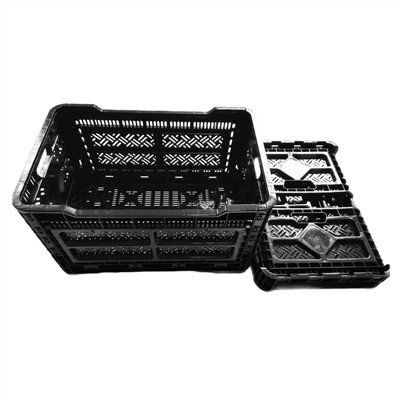
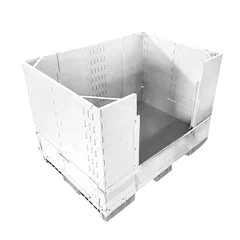
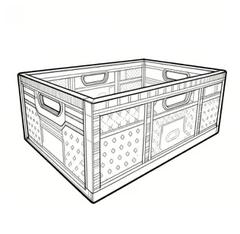
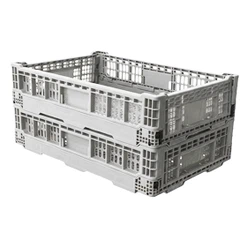
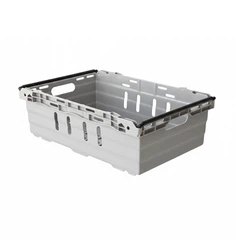
A collapsible plastic pallet box can be folded flat when empty, making it particularly suitable for closed-loop logistics and space-sensitive operations where empty-return volume affects transportation and warehouse costs.

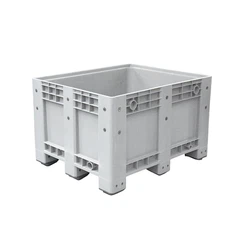
Rigid Pallet Containers
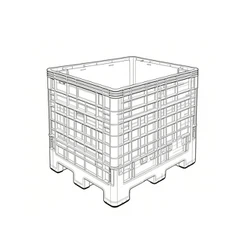
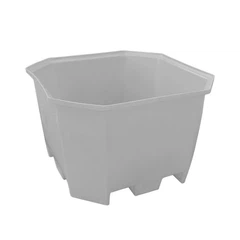
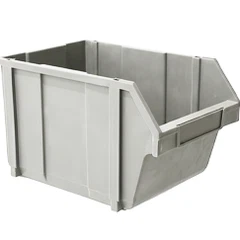
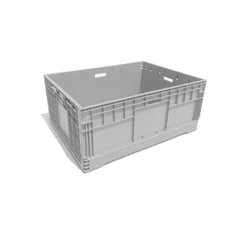
Rigid pallet boxes provide non-collapsible sidewalls and stronger structural stability for heavy loads, frequent stacking, and industrial material handling where deformation resistance is a priority.
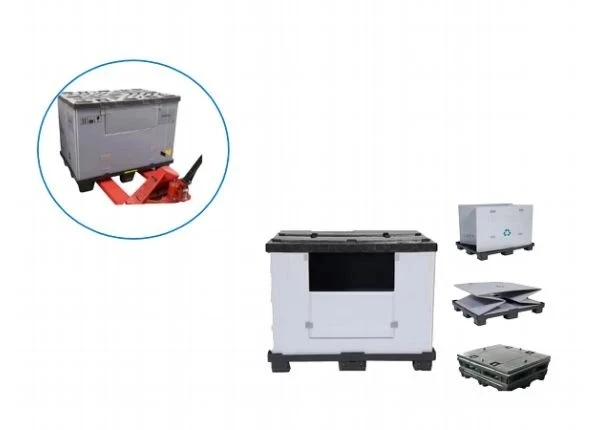
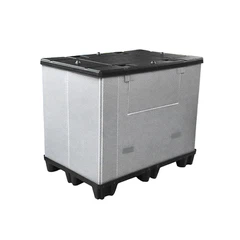
Sleeve Pack Containers
Sleeve-style pallet pack containers combine a pallet base, flexible-height sleeve, and lid, making them suitable for large industrial components, automotive parts, batteries, and other loads that require adaptable reusable packaging.
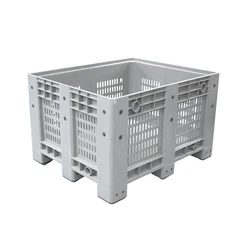
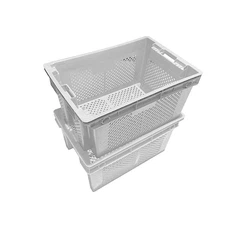
In addition, solid walls provide stronger protection for industrial goods, while vented walls improve airflow and drainage for products that require ventilation or refrigerated handling.
What Specifications Should Buyers Check for Warehouse Use
Before placing an order, buyers should evaluate load performance, dimensions, material, handling
compatibility, and access features against the actual warehouse environment.
Dynamic Load Capacity
Dynamic load indicates the weight a container can safely carry during movement and handling, so buyers should verify the rating under the specific forklift, pallet jack, and operating conditions involved.
Static Load Capacity
Static load refers to the container's capacity when stationary and stacked, with selected models supporting up to 4 tons and 5–8 stacking layers depending on the container type and working conditions.
Racking Load Capacity
If containers will be stored on racks without continuous support underneath, buyers should confirm the dedicated racking load rating and whether reinforced structures or metal tubes are required.
Dimensions & Handling Compatibility
External and internal dimensions should match warehouse space, pallet footprints, racks, forklifts, pallet trucks, and automated handling systems to avoid operational bottlenecks.
Material & Temperature Resistance
HDPE and PP are common choices, but material selection should account for impact, chemicals, cleaning processes, and operating temperatures, with selected configurations supporting approximately -40°C to +70°C.
Handling Features
Drop-down side doors, lids, reinforced bases, and other access features should be selected according to whether workers need frequent picking, loading, or unloading from stacked containers.
How Can Plastic Pallet Boxes Improve Supply Chain Control
Beyond physical storage and transportation, the right container configuration can improve identification, traceability, and control across multiple warehouse and distribution locations.
- Barcode & Labeling: Dedicated label areas and barcode identification can help warehouse teams distinguish products by SKU, batch, route, customer, or return cycle.
- RFID & Color Coding: RFID compatibility and color options can provide additional identification methods for businesses managing large container fleets or multiple storage locations.
- Reverse Logistics Management: A reusable container system becomes more efficient when empty boxes can be folded, stacked, or otherwise compacted for return transport and storage between circulation cycles.
How Should Buyers Evaluate the Total Cost of a Plastic Pallet Box
A proper TCO analysis should look beyond purchase price and measure how the container affects service
life, replacement frequency, storage requirements, and transportation costs over repeated cycles.
Initial Purchase Cost
A higher-priced container may still provide better value when its structure, load capacity, and expected service life reduce replacement and handling costs.
Service Life
Material quality, structural design, operating conditions, and proper handling all influence usable life, with selected reusable plastic containers supporting service lives of up to 15 years under normal conditions.
Empty-Return Cost
For return-heavy supply chains, a collapsible design can significantly reduce empty volume, with selected folding pallet boxes reducing empty-return volume by around 70%.
Operational Fit
When evaluating suppliers such as Enlightening Plast, buyers should compare not only unit pricing but also dimensions, load ratings, customization options, handling compatibility, and the expected cost per trip.
The most economical option is therefore not necessarily the container with the lowest purchase price, but the one that delivers the lowest total cost across its complete operating cycle.
|
A Case Study of Our Custom Solutions by Industry |
||
|
Custom Foldable Plastic Crates for Warehouse Shelving |
||
|
|
|
Reinforced Corners |
|
|
Matched Shelving System |
|
|
|
Label Holder |
|


Conclusion
Choosing the right plastic pallet box starts with understanding how goods move through your warehouse and supply chain rather than selecting a container based on size or price alone. Buyers should match the structure to the application, verify load and handling requirements, and calculate the long-term impact of storage, transportation, returns, and replacement. For a specific warehouse or supply chain requirement, defining the load, dimensions, handling equipment, operating environment, and circulation pattern is the best starting point for selecting the right reusable container solution. Contact us to discuss your application requirements and identify a configuration that fits your warehouse and supply chain operations.