
Introduction
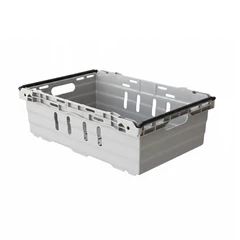
Keeping your plastic crates clean isn't just about looks-it's about safety, hygiene, and extending their lifespan. Whether you're using plastic turnover crates for storage or plastic beverage crates for distribution, proper maintenance protects both your products and your bottom line.
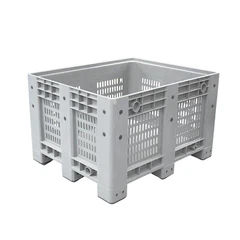
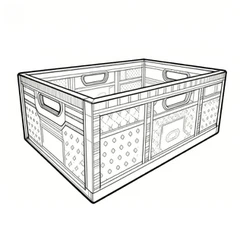
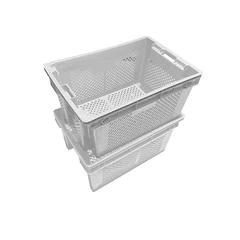
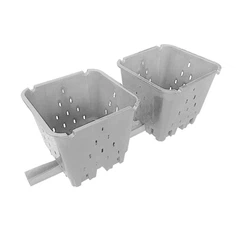
The mesh design of most plastic crates creates unique cleaning challenges-dirt and debris love to hide in those grid openings. But here's the good news: with the right approach, these ventilated surfaces are actually easier to sanitize than solid materials once you know the tricks.

What Supplies Do You Need for Cleaning Plastic Crates?
You'll need specialized tools to tackle mesh surfaces effectively, but nothing too complicated.
Essential cleaning supplies:
- Stiff-bristled brushes (bottle brushes work great for grid holes)
- Pressure washer or high-pressure hose nozzle
- All-purpose degreaser
- Clean rags and microfiber cloths
For sanitization:
- Chlorine-based sanitizer solution
- Spray bottles with adjustable nozzles
- Soaking tanks (if you have space)
Safety gear:
- Chemical-resistant gloves
- Safety goggles
- Non-slip footwear for wet areas
The key difference from cleaning solid surfaces? You need tools that can penetrate those mesh openings where contamination hides.
How to Clean Plastic Crates: Step-by-Step Process
Pre-Cleaning Preparation
Start by completely emptying your plastic crates and give them a quick inspection for damage or stuck debris.
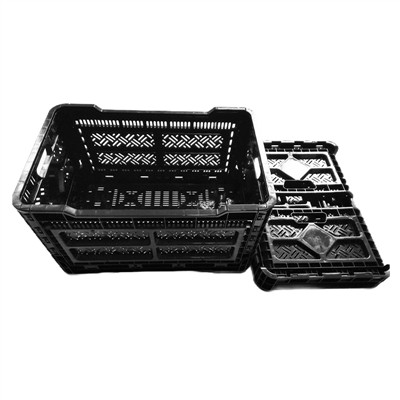
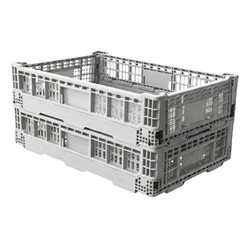
Pay special attention to the mesh areas-use a dry brush to knock out any loose material first. For folding crates, extend them fully so you can access all grid surfaces. Set up near a drain since you'll be using plenty of water.
The 5-Step Cleaning Method
This process is specifically designed for mesh-surface plastic turnover crates and similar designs.
Step 1: High-pressure rinse - Use a pressure washer or high-pressure nozzle to blast debris from the grid openings. Work from inside-out to push contaminants away from the crate.
Step 2: Brush and wash - Apply degreaser, then scrub with stiff brushes. Push bristles through mesh openings to dislodge hidden debris. Don't forget corners where grids meet solid surfaces.
Step 3: Thorough rinse - Rinse from multiple angles to ensure all soap and loosened debris exits through the mesh. Check that water runs clear from all grid openings.
Step 4: Penetrating sanitization - Spray sanitizer solution directly into mesh openings, ensuring complete coverage of all surfaces.
Step 5: Air dry - The mesh design actually helps here-air circulation speeds drying significantly compared to solid crates.

How to Sanitize Plastic Crates Effectively
Understanding the Difference Between Clean and Sanitized
Clean mesh looks clear, but sanitized mesh is actually safe for your products.
Those grid openings in plastic beverage crates and similar containers can trap invisible bacteria even after thorough cleaning. Sanitization kills these microorganisms, but the solution must contact every surface-including inside those mesh holes.
Best Sanitization Methods
Choose based on your volume and setup, but remember that mesh surfaces need special attention.
Spray method works best for most operations. Use adjustable nozzles to direct sanitizer into grid openings from multiple angles. Don't just spray the surface-penetrate those mesh holes.
Immersion method ensures complete contact for plastic crates for bottles and food contact items. Submerge completely and agitate to eliminate air bubbles trapped in mesh spaces.
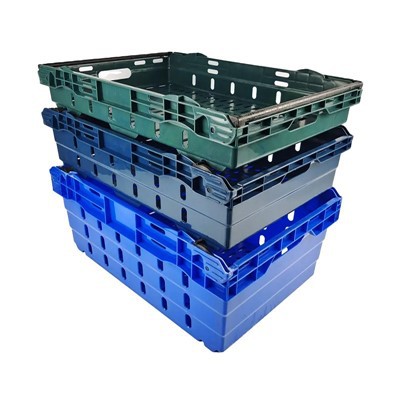
Pressure application combines spraying with slight pressure to force sanitizer through mesh openings. This method works especially well for bale arm crates with complex grid patterns.
Recommended Sanitizing Agents
Chlorine solutions penetrate mesh effectively and work fast-use 50-100 ppm concentration.
Quaternary ammonium compounds cling better to plastic surfaces and work well in the grid recesses.
Avoid thick or foamy sanitizers that can clog mesh openings. Thin solutions penetrate better and rinse cleaner from grid surfaces.
How Often Should You Clean and Sanitize Plastic Crates?
Mesh surfaces collect contamination faster than solid ones, so increase your cleaning frequency accordingly.
Food contact applications require cleaning after every use-those grid openings can harbor dangerous bacteria quickly.
Beverage and bottle crates need daily cleaning in high-use environments. The mesh design that provides ventilation also collects airborne contaminants.
General storage crates should be cleaned twice weekly if used daily, or whenever you notice debris accumulation in the mesh.
What Common Mistakes Should You Avoid?
These errors are especially problematic with mesh-design crates.
Surface-only cleaning misses contamination hiding in grid recesses. Always work sanitizer into the mesh openings, not just over them.
Inadequate rinsing leaves soap residue trapped in grid holes, which interferes with sanitization. Quick-drying doesn't allow enough contact time for sanitizers to work in mesh recesses.
Ignoring corners where mesh meets solid surfaces creates perfect breeding grounds for bacteria.
How to Maintain Clean Crates Long-Term
The mesh design of most plastic crates actually makes long-term maintenance easier if you stay consistent.
Establish daily quick-rinse procedures to prevent buildup in grid openings. Weekly deep cleaning prevents stubborn contamination that's harder to remove later.
Store clean crates with mesh surfaces facing down when possible-this prevents dust and debris from settling into the openings. For folding crates, proper collapse reduces exposed mesh surface area during storage.
Replace any crates with damaged mesh immediately-broken grid sections can't be properly cleaned or sanitized.
Professional vs DIY Cleaning: Which Should You Choose?
Consider the complexity of cleaning mesh surfaces when making this decision.
Professional services have specialized pressure equipment that can thoroughly clean grid openings more efficiently than manual methods. They're worth considering for high-volume operations using plastic turnover crates extensively.
DIY cleaning works well for smaller operations, but requires proper pressure equipment and trained staff who understand mesh cleaning techniques.
Most businesses succeed with in-house daily maintenance and periodic professional deep cleaning of their mesh-surface crates.
Choose Quality Plastic Crates That Make Maintenance Simple
Proper cleaning and sanitization protect your investment and reputation. When you master these mesh-surface techniques, you're ensuring product safety while extending equipment life.
The difference between businesses struggling with contamination and those maintaining spotless operations? Consistent cleaning protocols and quality crates designed for easy maintenance.
At Enlightening Plastic, our plastic turnover crates, beverage crates, and folding crates feature optimized mesh patterns that facilitate thorough cleaning while maintaining structural integrity. Quality equipment plus proper maintenance equals results you can trust.
Ready to Upgrade Your Crate System?
Stop wrestling with crates that fight back during cleaning. Contact us today for custom plastic crate solutions designed for your specific cleaning requirements.
Need plastic beverage crates with enhanced drainage? Bale arm crates for automated systems? Folding crates that clean faster and store efficiently?
Get your free consultation now-our experts will analyze your challenges and recommend solutions that reduce maintenance time while improving hygiene standards.