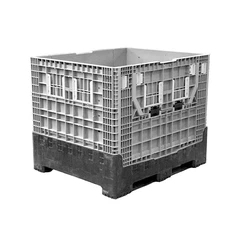
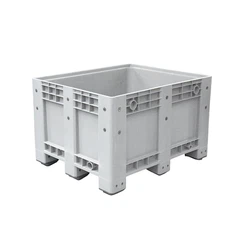
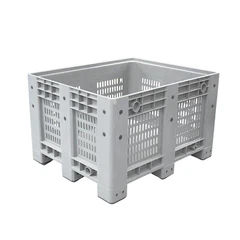
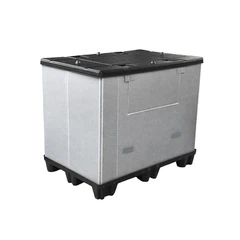
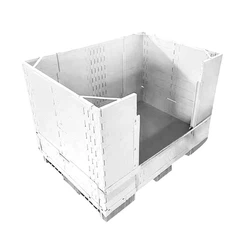
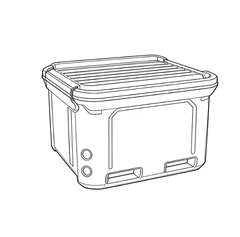
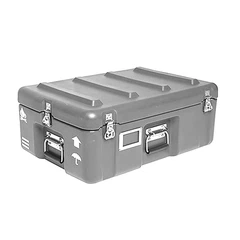
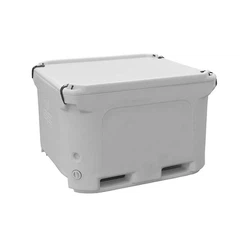
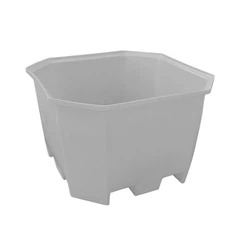
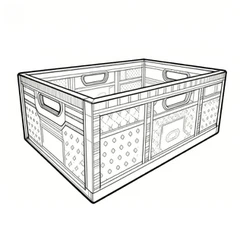
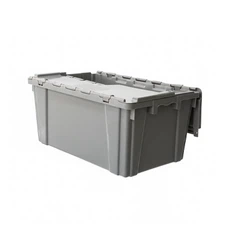
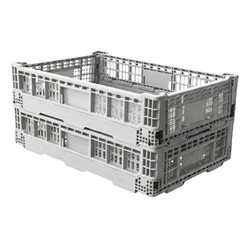
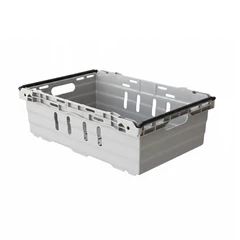
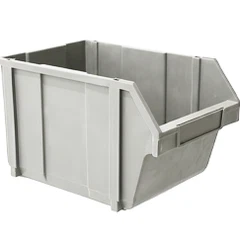
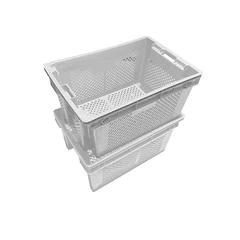
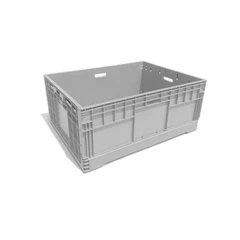
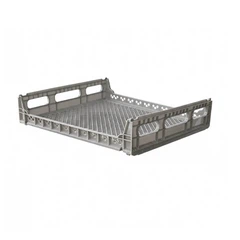
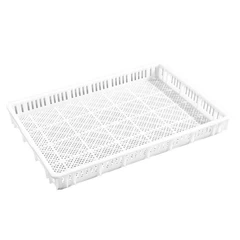
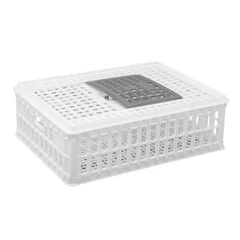
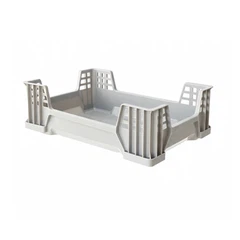
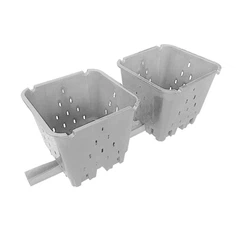
Reusable plastic crates versus cardboard or wood crates remain a frequent discussion point among supply chain professionals handling steady shipment volumes in 2026. These sturdy containers, formed from high-density polyethylene or polypropylene, routinely complete hundreds of reuse cycles while cardboard boxes and wooden crates often require replacement after limited trips. Teams responsible for fresh produce movement, automotive component flows, or retail distribution examine this choice closely because it touches monthly packaging budgets, alignment with environmental expectations, and consistent performance across warehouses and transport legs.
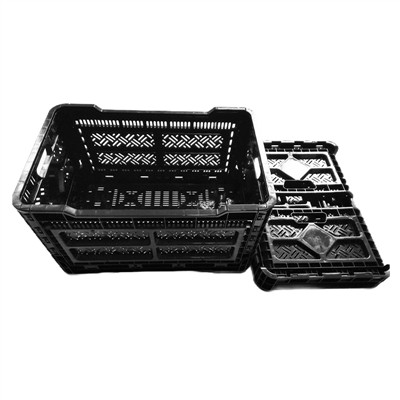
The pattern shows up repeatedly in closed-loop operations. Goods ship out protected, yet exposure to dampness, heavy stacking, or repeated forklift contact quickly compromises cardboard integrity and leaves wood pallets prone to splintering or needing export treatments. Reusable plastic crates maintain dimensions and load-bearing capacity through repeated handling. Their designs-whether rigid, collapsible, or folding-resist moisture absorption that leads to odors or contamination risks. Over full service lives, the economics and reliability tilt toward plastic in systems with reliable returns.

Cost Comparison – Why Reusable Plastic Crates Deliver Lower TCO Than Cardboard or Wood
Initial quotes rarely capture the full picture in packaging decisions. Total cost of ownership accounts for purchase price, how often replacements occur, disposal charges, damage to contents, and time spent managing packaging. Reusable plastic crates show higher entry prices compared with individual cardboard boxes or standard wood pallets. Once placed into regular rotation and spread across 200 to 500 cycles in normal industrial conditions, the cost per trip falls substantially below the ongoing expense of single-use alternatives.
A typical regional distributor shipping several thousand cases of goods each week illustrates the difference. Cardboard demands new boxes for nearly every load along with labor to handle and remove damaged units. Wood pallets bring additional expenses for required phytosanitary treatments on international routes. Reusable plastic crates return empty, undergo cleaning, and reenter service with limited extra effort. Break-even periods commonly fall between six and nine months for operations above several thousand annual shipments. Subsequent cycles then add directly to operational margins.
Routine upkeep stays simple. High-pressure washing combined with visual checks removes residues effectively, avoiding the repairs often needed for nailed wood or warped boards. In automotive supply loops, where subassemblies move between plants multiple times each month, many teams observe packaging-related budget decreases of 35 to 45 percent after complete rollout. Return logistics add further value. Collapsible and folding models reduce empty volume by 70 to 80 percent, lowering backhaul freight charges and opening trailer space for revenue loads. These elements shift the perception of reusable plastic crates versus cardboard cost from premium to practical when plastic vs wood crates total cost of ownership calculations include all factors.
Sustainability Wins – Reusable Plastic Crates vs Single-Use Cardboard and Wood
Actual circulation frequency determines environmental outcomes more than initial material claims. Reusable plastic crates perform strongly in high-return systems because each unit serves dozens or hundreds of times before final recycling. HDPE and PP versions retain material properties well across cycles and reenter production streams with minimal loss, reducing the need to manufacture fresh cardboard or treat new wood repeatedly.
Lifecycle assessments produce varied results based on return rates, distances, and cleaning methods. In many established B2B setups common to agriculture, food distribution, and manufacturing-where reverse logistics function reliably-reusable plastic crates often register lower overall greenhouse gas emissions per trip after roughly 50 cycles. Cardboard requires continuous fiber sourcing and pulping energy, while wood involves harvesting, processing, and chemical treatments. Plastic crates sidestep those repeated steps.
Waste streams contract noticeably. Centers that once directed tons of flattened cardboard toward recycling or disposal each year see that volume drop sharply when containers remain in circulation. At the conclusion of service, the plastic stays fully recyclable. Production sites following ISO 14001 guidelines manage energy use and scrap rates during molding. Organizations navigating extended producer responsibility obligations or internal carbon goals find the approach eases documentation and limits exposure to waste penalties. Vented designs in produce applications further support airflow that helps limit downstream food loss, extending the indirect benefit.
Efficiency and Operational Benefits – Stackability, Hygiene, and Logistics Gains
Practical handling differences appear quickly on the floor. Uniform sizing and reinforced bases on reusable plastic crates support stable stacking that optimizes space in trailers and storage racks. Attached-lid and folding variants collapse efficiently when unloaded, streamlining return movements. Forklift drivers benefit from predictable weights and surfaces free of splinters or loose fasteners sometimes present in wood.
Hygiene stands out where food safety or cleanliness standards apply. Smooth interiors respond thoroughly to standard wash protocols, limiting residue that fibers in cardboard or porous wood might retain. Temperature tolerance from deep-freeze to elevated ranges causes little distortion, preserving cold-chain performance without the absorption problems that soften cardboard or promote mold in wood.
Integration with automated systems improves through consistent footprints that suit conveyors, guided vehicles, and racking better than variable single-use materials. Floor areas once occupied by breaking down boxes become available for inventory. Loading cycles shorten because crews handle fewer compromised units or irregular stacks. In busy distribution settings, these steady improvements accumulate into higher throughput and reduced incident rates.
Which Industries Benefit Most? Real-World Applications of Reusable Plastic Crates
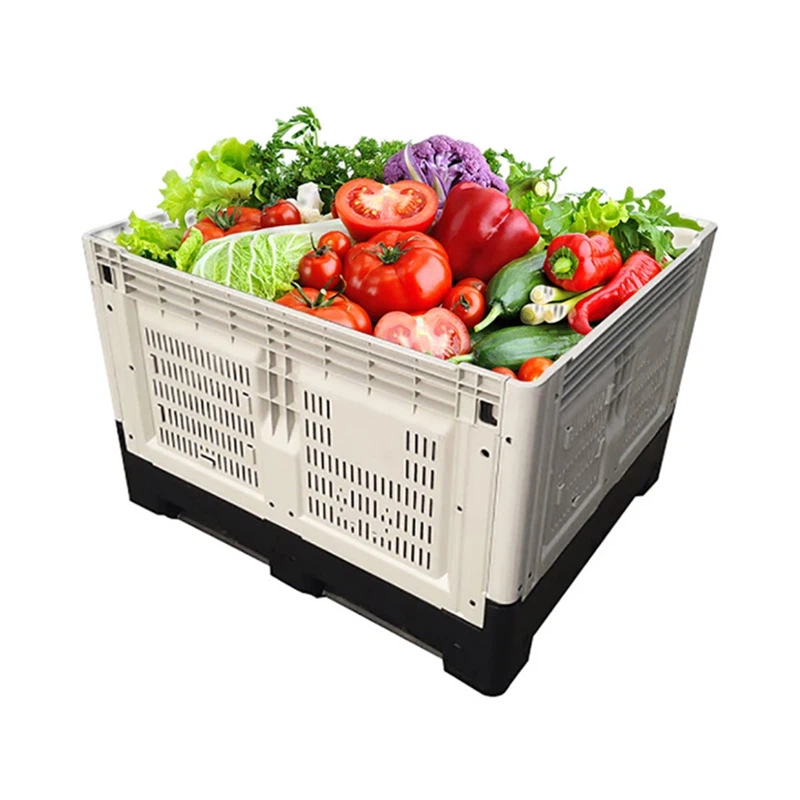
Agriculture operations depend on vented harvest bins and turnover crates that safeguard delicate items from field through cooling without structural failure. Food and beverage lines employ attached lid containers and folding crates for ingredients as well as packaged goods, taking advantage of repeated cleaning capability. Automotive processes utilize heavy-duty collapsible bulk containers for parts that pass through several production stages without shifting dimensions or introducing contamination.
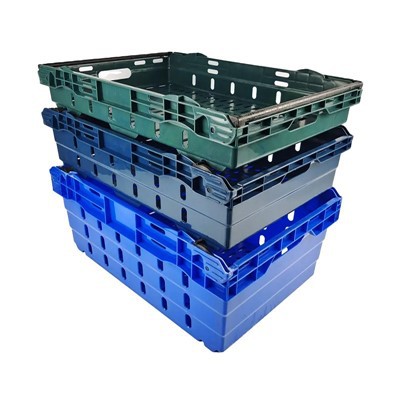
Retail and fulfillment centers select nestable models for picking and staging, cutting single-use filler needs. The shared outcome across these areas is dependable service over repeated trips. Many groups start with a limited trial in one distribution segment, monitor damage rates, handling time, and return metrics, then broaden implementation once results align with projections. This approach supports plastic pallet boxes versus wooden crates evaluations or reusable crates logistics planning with concrete data.
Why Enlightening Plast Delivers Reliable Reusable Plastic Crates for B2B Needs
Enlightening Plast has specialized in reusable transport containers since 2000 from a 90,000-square-meter facility that integrates research, molding, and assembly. The site houses advanced injection and roto-molding lines along with more than 700 proprietary molds, enabling both standard lines and tailored specifications. Production draws on premium virgin HDPE and PP resins selected for impact strength and complete recyclability at end of life.
Certifications covering ISO 9001 quality management, ISO 14001 environmental systems, CE, SGS, and GRS demonstrate controlled processes from raw material intake to finished goods. In-house capabilities from material preparation through final testing reduce variability and support timely response to order changes. Roughly 20 to 30 new mold designs emerge each year, keeping offerings aligned with shifting logistics demands. Shipments reach more than 100 countries, and the emphasis stays on extended durability that reduces replacement frequency and overall lifecycle costs for industrial buyers.
Conclusion
Reusable plastic crates provide documented strengths over cardboard or wood in cost structures, environmental results within strong circulation systems, and daily operational consistency for businesses with dependable return flows. The move calls for attention to cleaning protocols, storage planning, and fleet sizing, yet accumulated evidence from active installations shows reduced total ownership costs and steadier execution once scaled. In 2026 supply chains, where both performance and regulatory alignment carry importance, these durable containers represent a grounded option that fits procurement priorities alongside longer-term sustainability objectives.
FAQs
How do reusable plastic crates compare in long-term cost to cardboard or wood for high-volume shipping?
Operations with consistent closed loops commonly determine that reusable plastic crates achieve a lower total cost of ownership within the first year when shipment counts surpass several thousand units annually. Extended service life balances the starting difference, particularly once disposal charges and damage linked to single-use cardboard or treated wood factor in.
Are reusable plastic crates more sustainable than cardboard or wood under current environmental regulations?
Outcomes hinge largely on actual reuse frequency and logistics setup. In arrangements reaching 100 or more cycles with effective returns, reusable plastic crates frequently register lower cumulative effects than repeated manufacturing and disposal of cardboard or chemically processed wood, aiding compliance with waste and carbon expectations.
What efficiency gains can logistics teams expect when switching from cardboard or wood to reusable plastic crates?
Teams regularly note quicker loading and unloading, steadier stacking, and improved space use on return legs. Uniform dimensions and washable surfaces also limit product damage and enhance fit with automated handling, raising overall productivity in warehouses and distribution points.
How many times can reusable plastic crates be used before replacement compared with cardboard or wood?
Engineered HDPE or PP crates regularly achieve 200 to 500 cycles in standard industrial and food supply conditions. Cardboard generally serves once, while wood pallets complete far fewer trips before maintenance or full exchange becomes routine, varying with load weight and handling practices.
Can reusable plastic crates integrate with existing forklift and racking systems designed for cardboard or wood pallets?
Standard footprints match common pallet sizes and include reinforced bases suited for forklift engagement. Consistent measurements and reduced variability compared with repaired wood or compressed cardboard improve safety margins and compatibility across racks, conveyors, and existing automated setups.