
Introduction
Different products require different levels of airflow, containment, and protection during storage and transportation. Vented plastic crates and solid plastic crates offer two practical solutions, but the right choice depends on product characteristics and operating conditions.
Why Crate Structure Matters for Product Handling
Crate structure directly affects how products are stored, transported, protected, and handled throughout the supply chain. Selecting a design that matches the product and operating environment can support better airflow, containment, stacking stability, and overall logistics efficiency.
What Are Vented Plastic Crates & Solid Plastic Crates
Vented and solid plastic crates are both reusable and designed for repeated handling,
but their different wall structures support different product requirements.

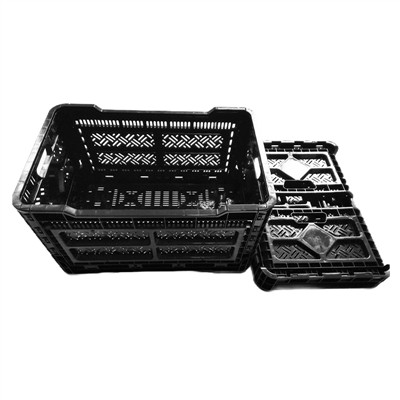
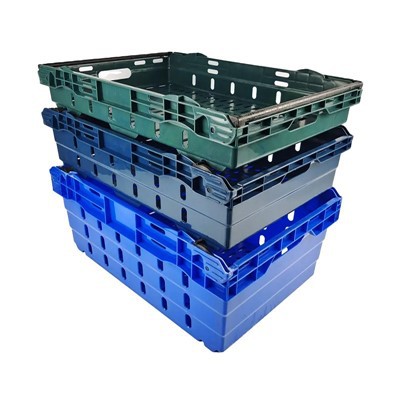
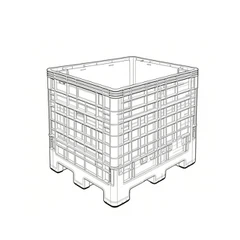
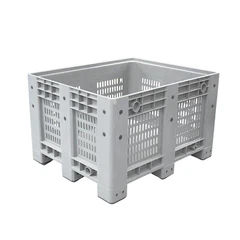
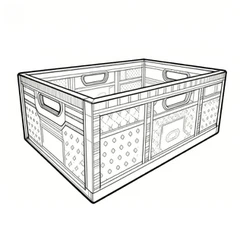
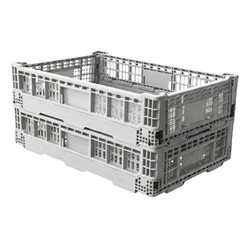
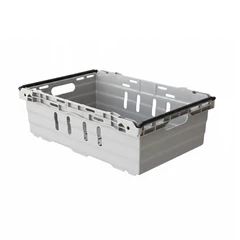
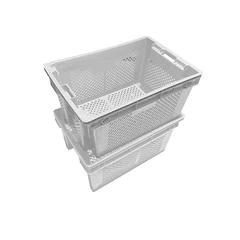
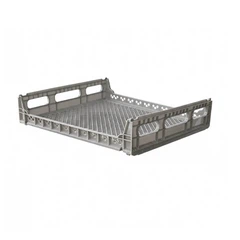
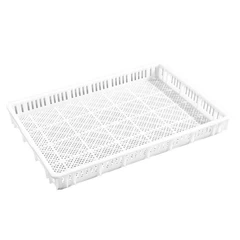
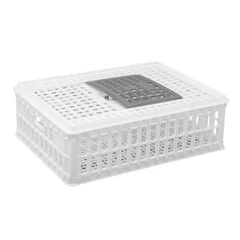
Vented plastic crates feature perforated walls and bases that promote airflow and support moisture drainage. This design is well suited for fresh produce, seafood, food processing, and other products that benefit from ventilation during storage and transportation.

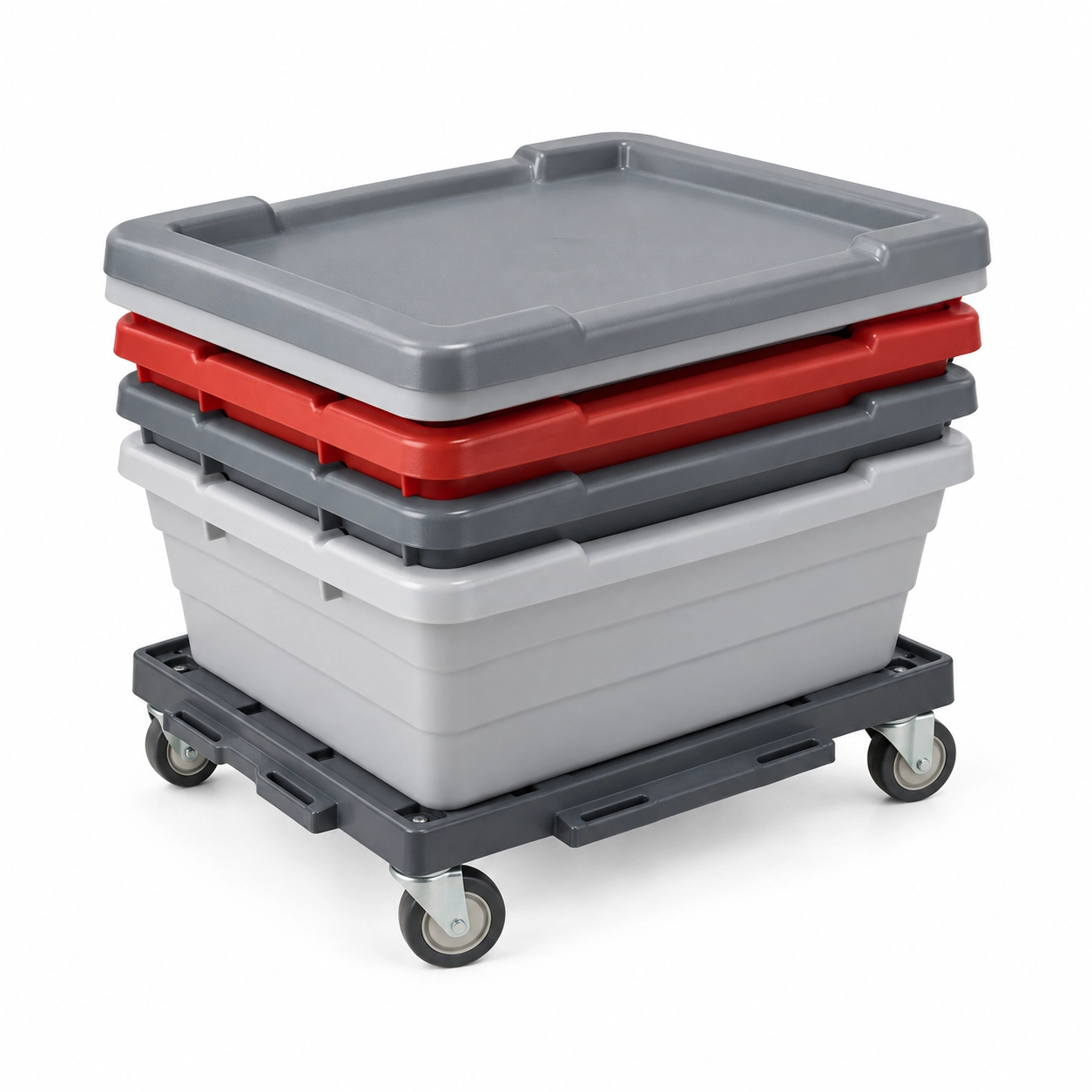
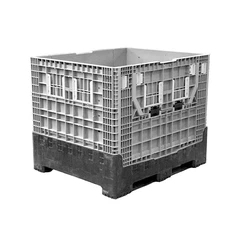
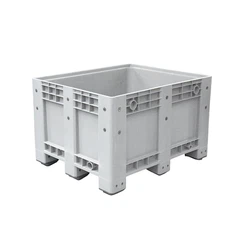
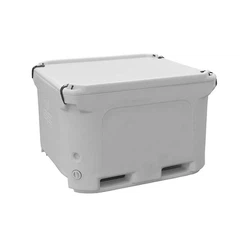
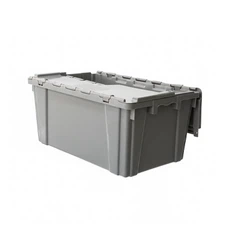
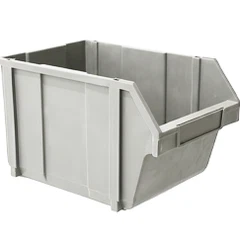
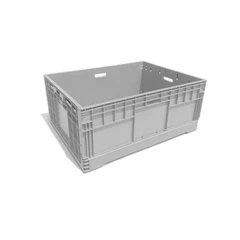
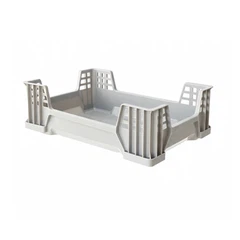
Solid plastic crates feature enclosed walls that provide stronger containment and structural support for products requiring stable storage and handling. They are commonly suited to warehousing, manufacturing, automotive parts handling, and other industrial applications.
How Do Vented Plastic Crates & Solid Plastic Crates Compare
Both crate structures provide durable, reusable solutions, but their different designs support different
operational priorities. Comparing airflow, moisture management, product protection,
and application requirements helps buyers identify the more suitable structure.
|
Comparison Factor |
Vented Plastic Crates |
Solid Plastic Crates |
|
Airflow |
Continuous Air Circulation |
Enclosed Containment |
|
Moisture Management |
Drainage & Moisture Release |
Contained Storage |
|
Product Protection |
Suitable for Products Benefiting from Ventilation |
Suitable for Products Requiring Greater Enclosure |
|
Load Stability |
Durable for Repeated Handling & Stacking |
Reinforced Structure for Stable Stacking |
|
Typical Applications |
Produce, Seafood & Food Processing |
Warehousing, Manufacturing & Automotive Parts |
The right crate structure depends on whether airflow or enclosed protection is the more important requirement for the products and operating environment.
Which Products Suit Vented Plastic Crates & Solid Plastic Crates
Product characteristics provide a practical starting point for selecting the right crate structure.
Buyers can evaluate whether their products benefit more from airflow and moisture
management or from enclosed containment and structural stability.

Products Requiring Airflow & Moisture Management
Fresh produce, seafood, wet products, and other goods that benefit from ventilation can be well suited to vented plastic crates. Their open structure supports air circulation and drainage, helping manage heat and moisture during short-term storage and transportation.

Products Requiring Containment & Structural Stability
Automotive parts, electronics components, hardware, machinery parts, and other small industrial components can benefit from solid plastic crates. Their enclosed walls support product containment and stable stacking during repeated storage, handling, and transportation.
How Should Buyers Choose the Right Plastic Crate Structure
The most suitable crate structure depends on how products behave within the complete logistics process. Buyers should evaluate product characteristics, operating conditions, handling requirements, and long-term reuse needs before making a selection.
- Product Characteristics: Consider whether products require airflow, drainage, enclosed containment, or additional protection for small parts. These characteristics can help determine whether vented plastic crates or solid plastic crates are the more appropriate choice.
- Storage & Transportation Conditions: Warehouse storage, cold storage, wet handling environments, transport frequency, and stacking requirements can all influence crate selection. The operating environment should match the ventilation, drainage, or enclosed protection provided by the crate structure.
- Load & Handling Requirements: Product weight, stacking height, and handling methods should be considered when selecting a crate. Heavy-duty and stackable plastic crates can meet demanding handling requirements across various logistics operations.
- Reusability & Long-Term Operations: For repeated logistics cycles, buyers should evaluate material durability, cleaning requirements, and long-term operational value. Reusable plastic crates made from suitable materials can support consistent performance throughout ongoing storage and transportation activities.
What to Look for in a Plastic Crate Manufacturer
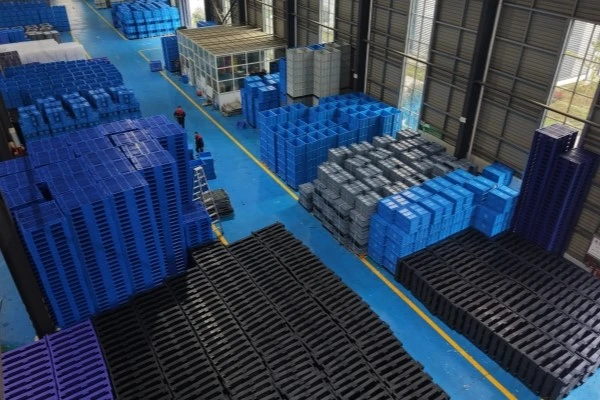
A reliable plastic crate manufacturer, such as Enlightening Plast, should offer more than standard crate models. Material selection, structural design, manufacturing consistency, and customization capability all contribute to finding a solution that meets specific product-handling requirements.
- Material & Manufacturing Experience: Experience with materials such as HDPE and PP, together with established plastic manufacturing capabilities, supports the development of durable reusable crates for different logistics and industrial applications.
- Vented & Solid Wall Design Options: A manufacturer offering both vented plastic crates and solid wall plastic crates gives buyers greater flexibility when matching crate structure to specific product characteristics and handling requirements.
- Customization Capability: Customization options such as dimensions, colors, load capacity, lids, dividers, and branding can help align plastic crates with different product specifications, logistics workflows, and operational requirements.
- Quality & Supply Stability: Consistent production processes, quality control, manufacturing capacity, and reliable supply support stable procurement for businesses that require reusable plastic crates across ongoing logistics operations.


Conclusion
Vented plastic crates and solid plastic crates support different product handling requirements, with ventilation and enclosed protection serving as key selection considerations. Buyers should evaluate product characteristics, operating conditions, and logistics workflows to choose the right crate structure. Contact us to explore the right plastic crate structure for your products and logistics operations.