
Introduction
Returnable transport packaging helps businesses move products through repeated logistics cycles without relying on single-use packaging for every shipment. For B2B buyers, however, the right solution should be evaluated across loaded transport, storage, handling, and empty return logistics rather than by purchase price alone. This guide explains how to compare returnable transport packaging formats and identify the structure that best fits different load and supply chain requirements.
What Is Returnable Transport Packaging
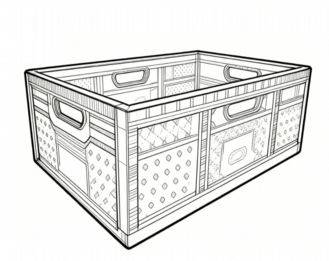
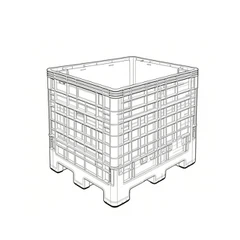
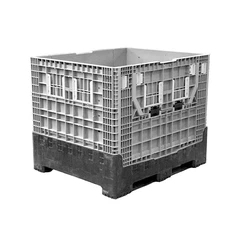
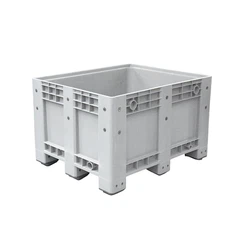
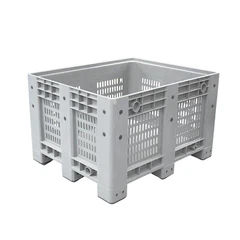
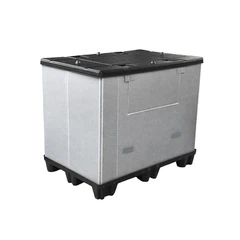
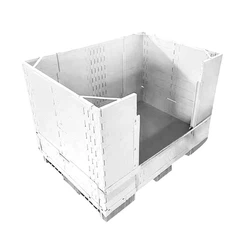
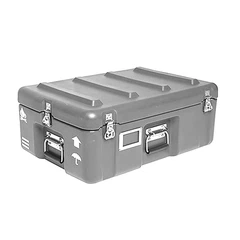
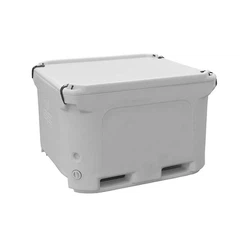
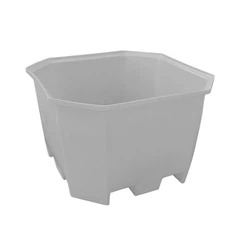
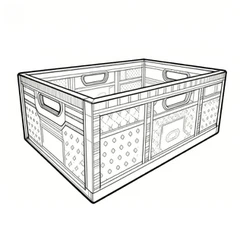
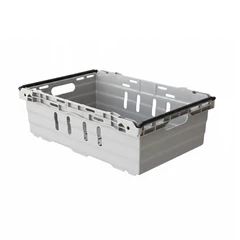
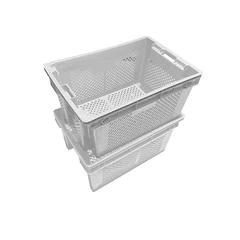
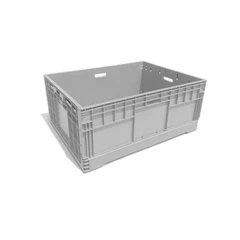
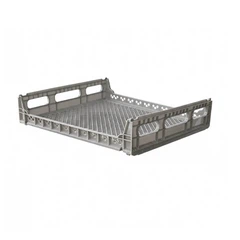
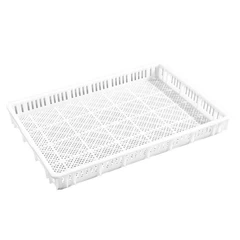
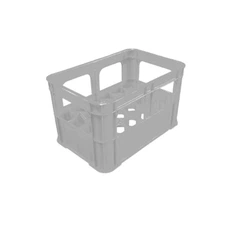
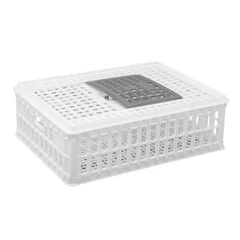
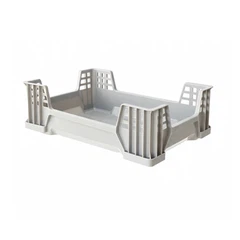
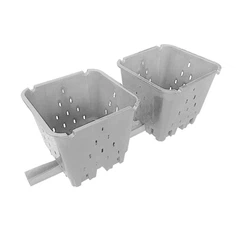
Returnable transport packaging (RTP) refers to reusable containers and packaging systems designed to circulate repeatedly between suppliers, production facilities, warehouses, distributors, and customers. Unlike disposable packaging, RTP is designed around multiple reuse cycles, making structural durability, handling efficiency, stackability, and return logistics important parts of the purchasing decision. Common formats include plastic pallet boxes (especially for collapsible bulk containers and sleeve pack containers) and plastic crates (especially for attached lid containers and folding crates).
What Should B2B Buyers Evaluate Before Choosing RTP
Buyers should evaluate RTP as part of the complete material-handling process, with attention to product requirements, container dimensions, empty-state efficiency, and compatibility with existing logistics equipment.
- Load & Product Characteristics: Match the container to the product's weight, dimensions, bulk density, fragility, and required level of protection.
- Container Dimensions & Capacity: Compare external footprint, usable internal dimensions, and volume to ensure the container makes efficient use of warehouse and transport space.
- Stacking & Empty-State Efficiency: Consider both loaded stacking stability and whether the container can be nested, folded, or collapsed when empty.
- Handling & Equipment Compatibility: Confirm that the container works with forklifts, pallet trucks, conveyors, storage racks, and other material-handling systems used in the operation.
How Should Buyers Match RTP Structures to Their Applications
The most practical approach is to match the RTP structure with the size and weight of the load while
considering how the container will behave during both loaded transport and empty return.
Choose Large / Bulk Load Solutions When

Collapsible bulk containers are well suited to heavy, large, or bulk loads that require substantial load capacity and a rigid structure for repeated industrial handling, including applications involving automotive components and other demanding materials.

Sleeve pack containers provide a modular pallet-and-sleeve structure for large or bulk goods while allowing the sleeve to be folded between the pallet and lid when empty, making them useful when structural versatility and empty-return efficiency are important.
Choose Small & Medium Load Solutions When
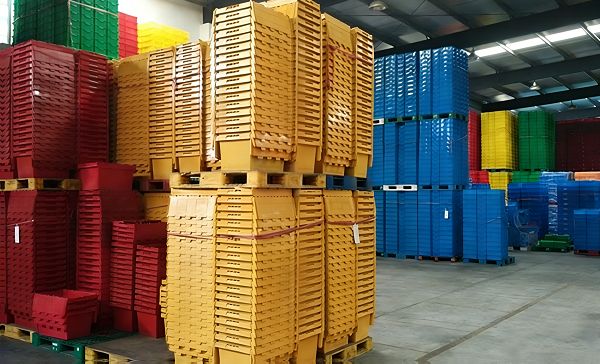
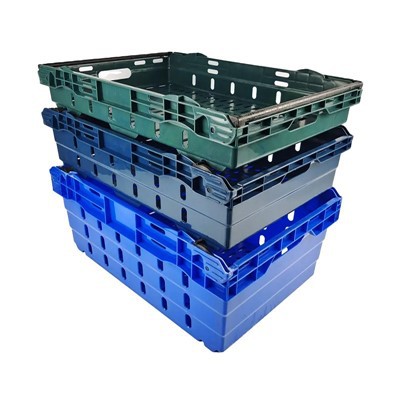
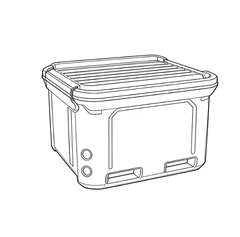
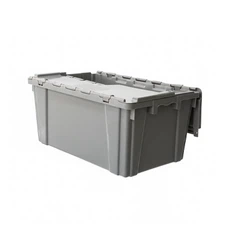
Attached lid containers suit small-to-medium loads moving through distribution, picking, and internal circulation because their integrated lids support secure handling while allowing empty containers to be nested to reduce storage volume.

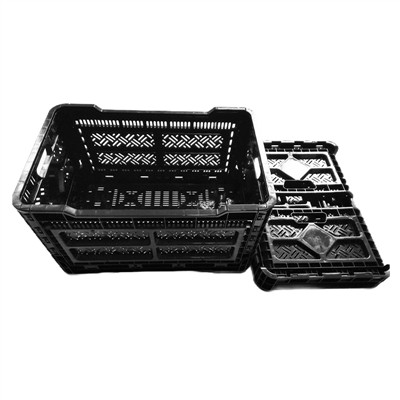
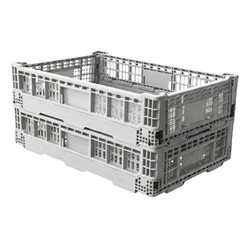
Folding crates are practical for lightweight small-to-medium loads in distribution and internal circulation, with foldable sidewalls that reduce empty storage requirements while providing convenient manual handling.
How Does Return Logistics Affect the Total Cost of RTP
The economics of returnable packaging depend not only on the initial container investment but
also on how efficiently the containers move, store, and return throughout their service life.
Initial Packaging Cost
Compare the purchase price against expected reuse cycles, required specifications, and the operational value provided by the container.
Empty Return Transportation
Collapsible, foldable, or nestable designs can reduce empty transport volume and help lower the freight associated with returning packaging to the next supply chain location.
Warehouse Storage
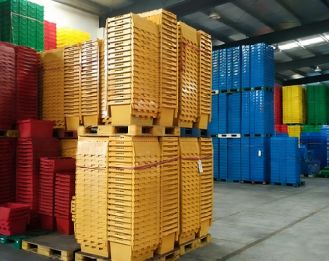
Efficient empty-state designs can reduce the floor space required for containers waiting to be reused.
Service Life & Replacement
Durable construction can spread the initial investment across more reuse cycles and reduce the frequency of packaging replacement.
What Should Buyers Confirm Before Placing an RTP Order
Before placing an order, buyers should verify that the selected RTP meets both the technical requirements of the application and the supplier's ability to deliver consistent products at the required scale.
- Product Fit: Confirm dimensions, usable capacity, load requirements, and the specific characteristics of the products being transported.
- Structural Performance: Verify stacking, nesting, folding, or collapsing performance according to the intended logistics cycle.
- Logistics Compatibility: Check pallet footprint, forklift access, conveyor compatibility, and other requirements imposed by the existing handling system.
- Material & Operating Environment: Confirm that the selected material and construction suit the expected temperature, moisture, cleaning, and other operating conditions.
- Customization & Identification: Discuss options such as colors, logos, labels, RFID provisions, dividers, or other features required for operational identification and handling.
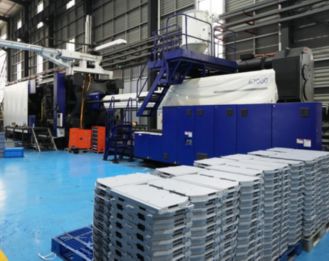
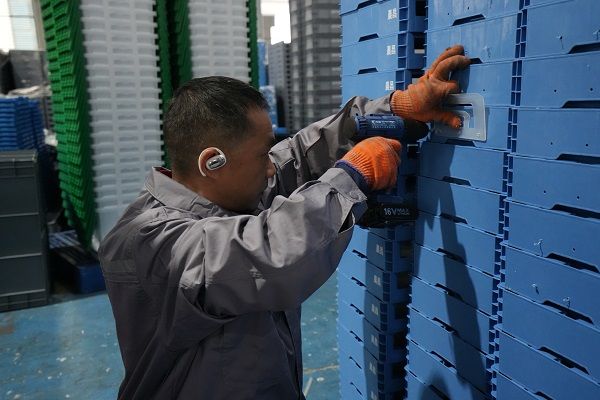
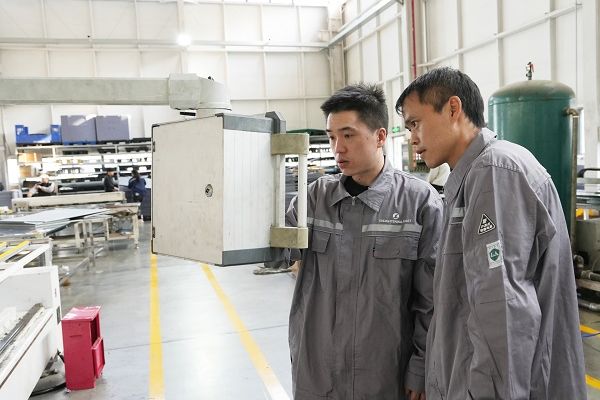
When evaluating suppliers, buyers can also use the 8 Key Factors to Check Before Choosing a Reusable Plastic Crate Manufacturer as a reference for assessing manufacturing, customization, quality control, and order support capabilities. Enlightening Plast supports buyers with reusable plastic packaging manufacturing and customization capabilities, making supplier production capacity, quality consistency, and the ability to meet application-specific requirements important factors to verify before a long-term RTP program.



Conclusion
The right returnable transport packaging should support the entire logistics cycle, from loaded transport and storage to empty return and repeated reuse. Buyers can select more effectively by matching container structure with load requirements, handling systems, available space, and long-term operating costs. Contact a qualified RTP supplier to discuss your load requirements and develop a reusable packaging solution suited to your supply chain.